


X Report 4 Aug 2025
SpaceX achieves significant milestones with the launch of 28 Starlink satellites and the final landing of the LZ-1 pad, marking key moments in their ongoing mission to expand satellite connectivity.



Launch Date
August 28, 2022
Launch Site
Launch Pad
LC40
Launch Vehicle
NORAD ID
53598
International Designator
2022-104L
Epoch
Sun, 19 Jul 2026 19:22:45 GMT
Apogee
Calculating...
Perigee
Calculating...
Inclination
53.16°
Right Ascension
9.79°
Eccentricity
Calculating...
Argument of Perigee
90.91°
Period
95.23 min
Mean Motion
15.12 rev/day
Latitude
Calculating...
Longitude
Calculating...
Altitude
Calculating...
Velocity
Calculating...
Name
STARLINK-4676
Alternative Name
Starlink 4676
Type
Status
Owner
SPXS
Country
United States
Constellation
N/A
Related Satellites
Major Events
N/A
1 53598U 22104L 26200.80747186 .00000359 00000+0 37685-4 0 9999
2 53598 53.1613 9.7923 0001281 90.9051 269.2088 15.12124915215573
Source: Celestrak
Length
0.2
Diameter
2.8
Span
9
Dry Mass
290
Launch Mass
300
Shape
Box + pan
Radar Cross Section
Unknown
Visual Magnitude
Unknown
Color
Unknown
Material Composition
Unknown
Payload
Starlink Group 4-23-11
Purpose
Communication
Mission
Communication
Manufacturer
SPXS
Life Expectancy
Unknown
Bus
Starlink
Configuration
Unknown
Motor
Krypton ion thrusters
Equipment
Ku/Ka-band payload, optical inter-satellite link
Power System
Solar arrays, batteries
ADCS
Unknown
Transmitter Frequency
Unknown
Learn more about satellites and other related topics.
SpaceX achieves significant milestones with the launch of 28 Starlink satellites and the final landing of the LZ-1 pad, marking key moments in their ongoing mission to expand satellite connectivity.
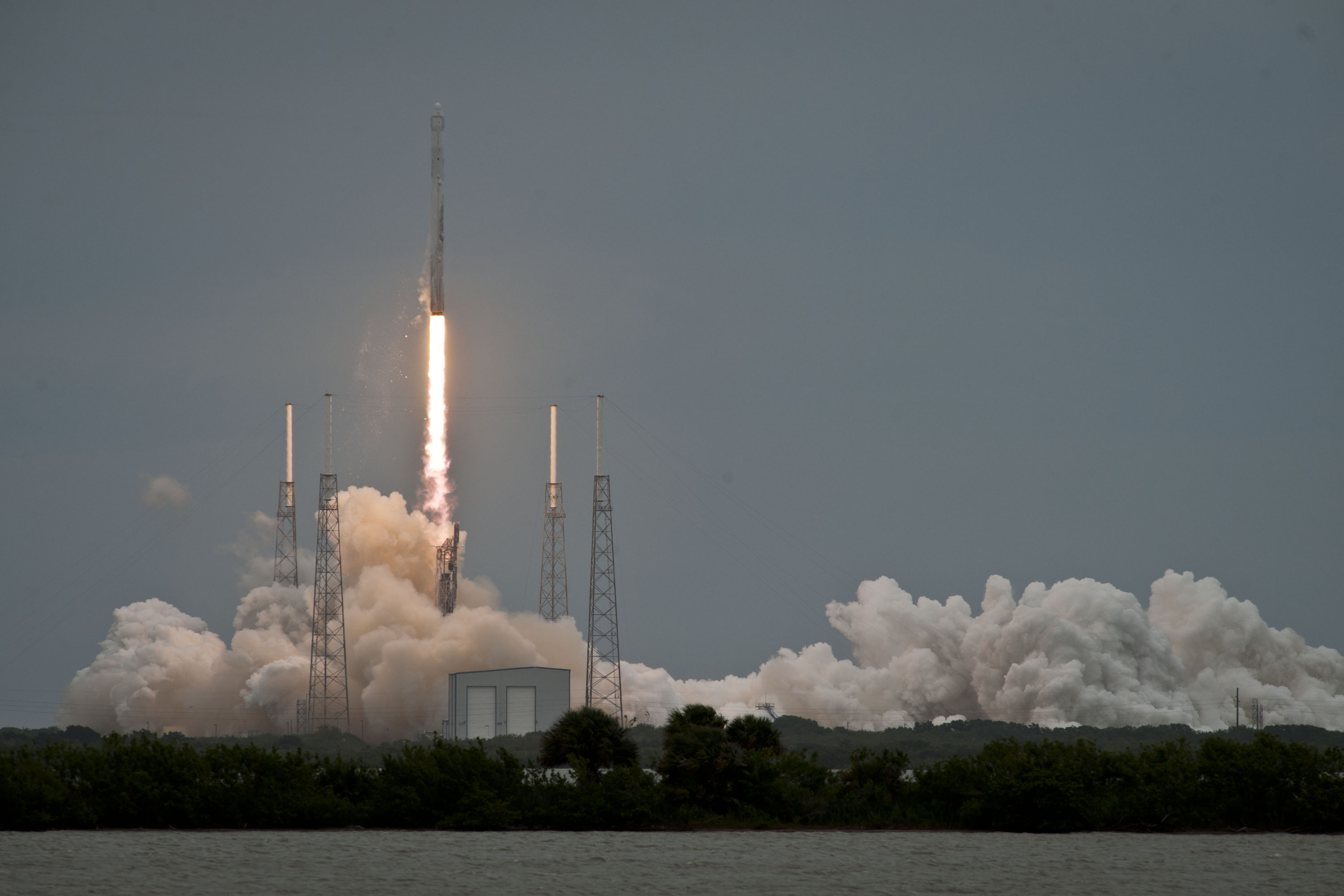
On April 18, 2014, a Falcon 9 first stage did something no orbital rocket had ever done before. It fired its engines on the way down, steered itself through the atmosphere using grid fins that did not yet exist, and touched the Atlantic Ocean softly enough to survive the impact. Nobody recovered it. The data was the whole point.

Experts warn falling space debris risk to aircraft is increasing. North Korea tests advanced hypersonic missiles. Space Force seeks launch providers for Cape Canaveral and Vandenberg pads.
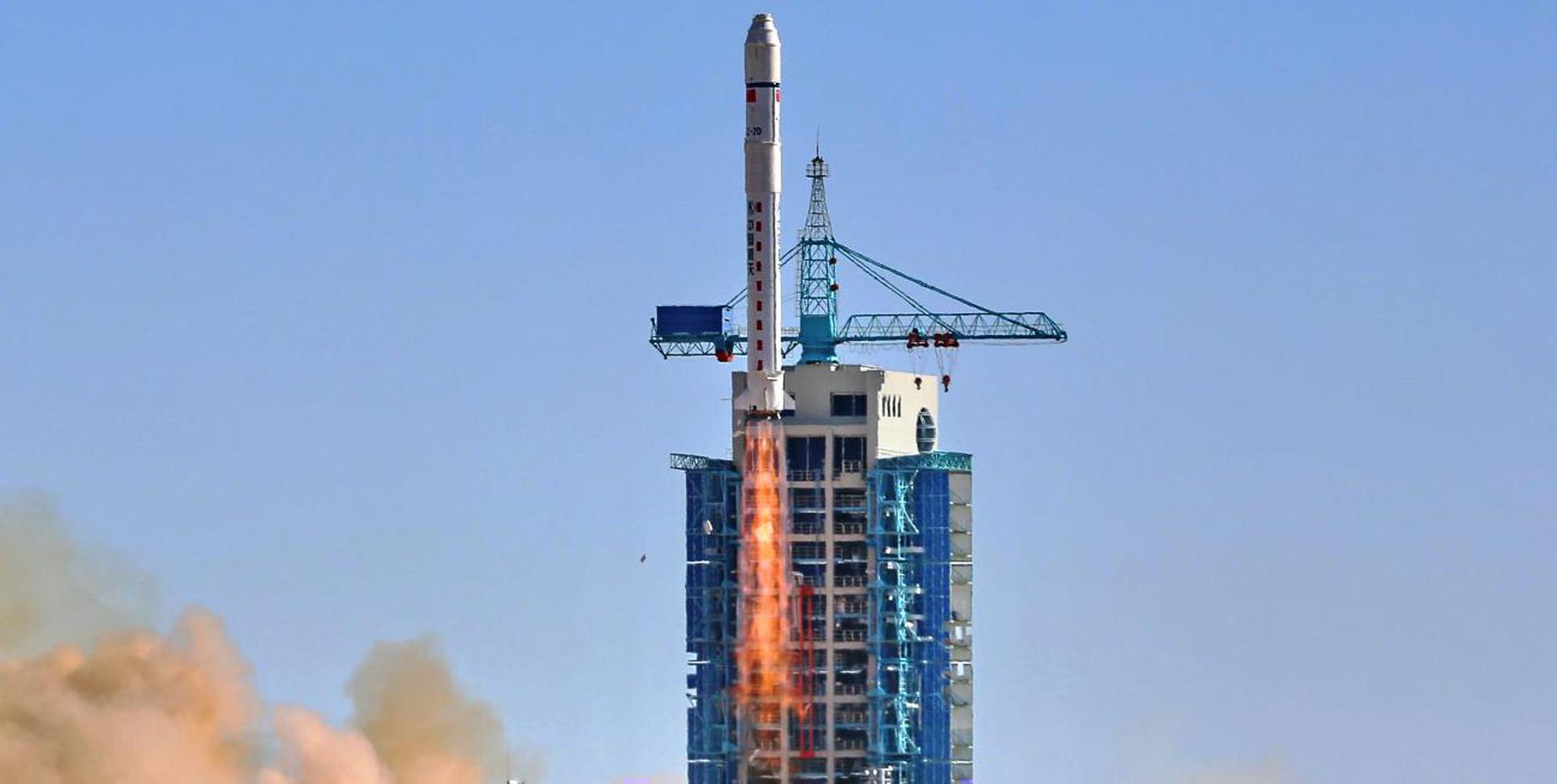
NASA's 590 kg Van Allen Probe A reentered March 10 after 14 years studying Earth's radiation belts. Meanwhile, Boeing Starliner classified as Type A mishap after leaving astronauts stranded on ISS.
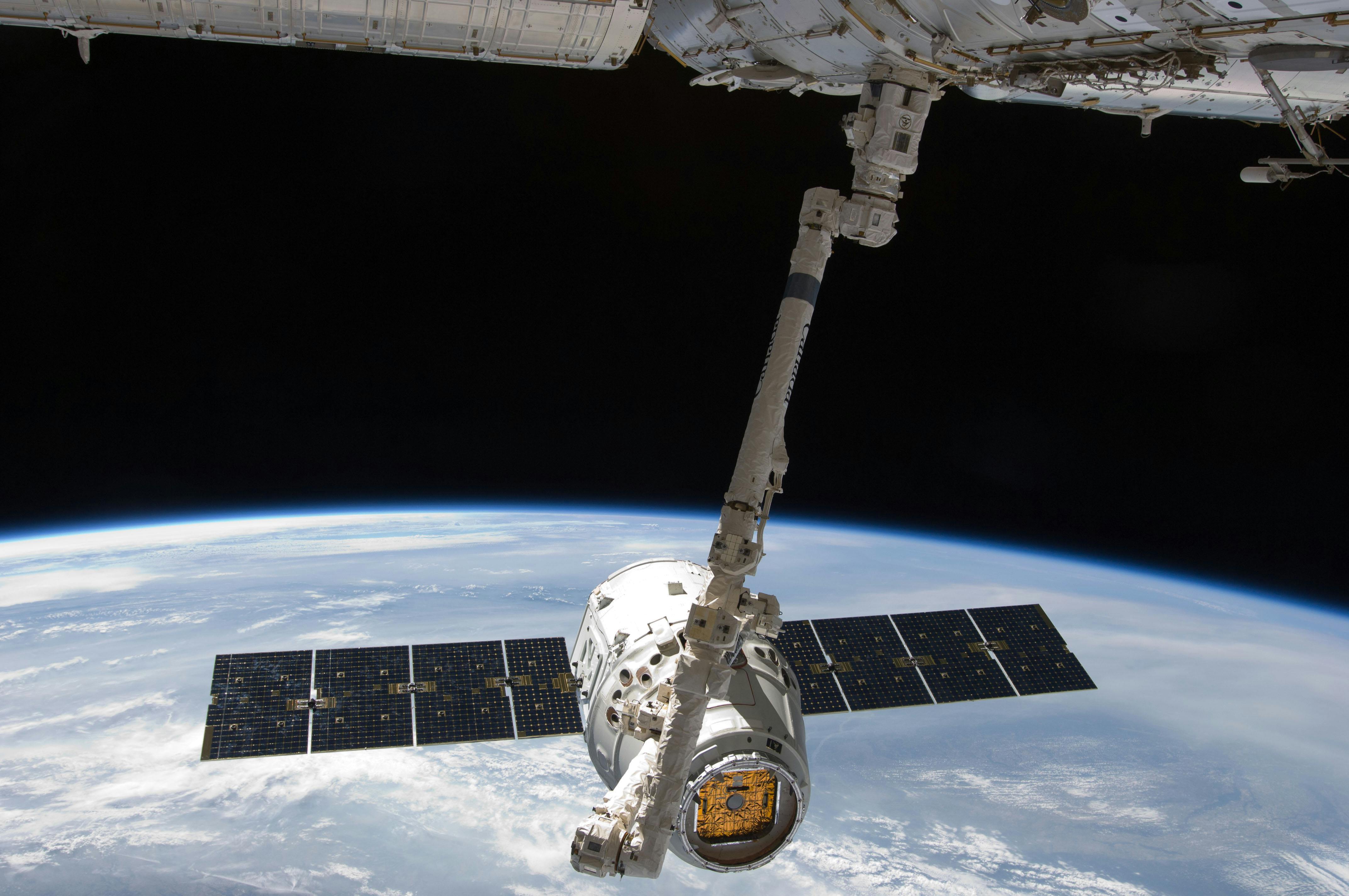
SpaceX successfully launches 21 Starlink satellites and deploys a new batch of spy satellites for the US government.
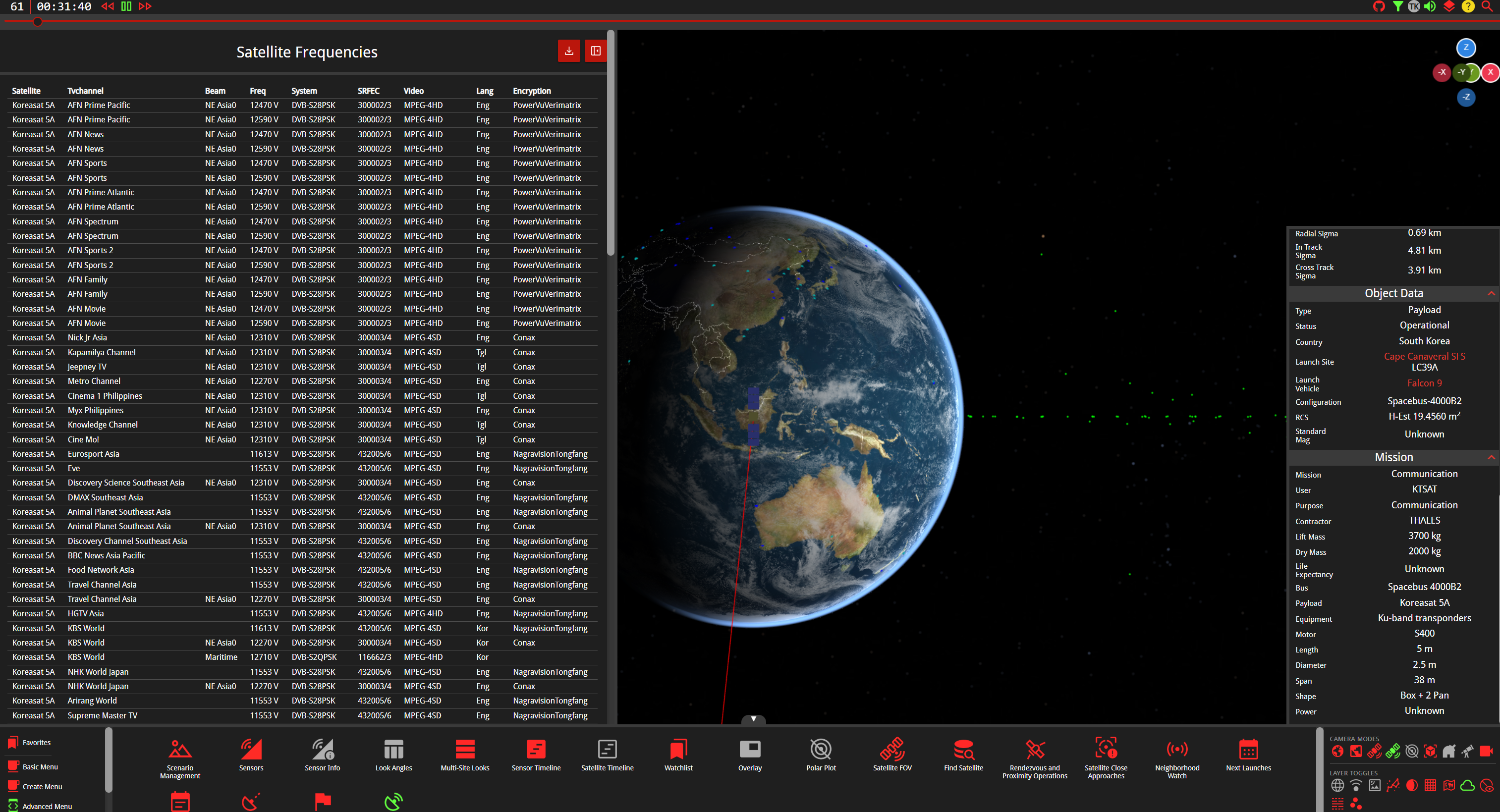
The frequency band that brought satellite TV to small dishes on rooftops and revolutionized direct-to-home broadcasting
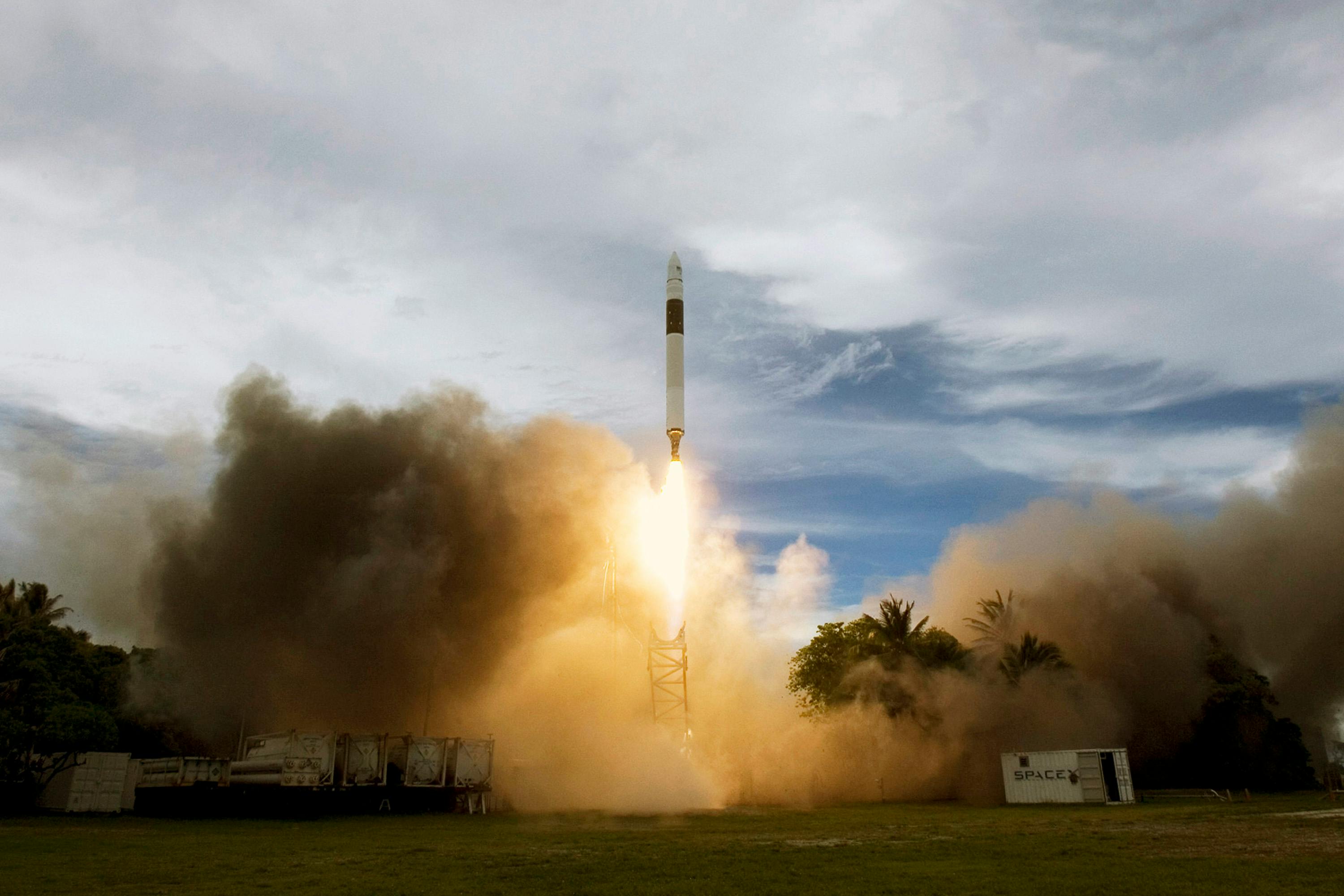
SpaceX faces a new lawsuit from Texas residents alleging Starship launches caused property damage, just as V3 flight preparations ramp up.

Today's brief covers the launch of the X-37B, cutting-edge quantum navigation systems, and the future of space-based military technology. Discover the role of SpaceX and the advancements in inertial navigation.