STARLINK-4475 (53545)

COSPAR: 2022-101U | Alt Name: Starlink 4475

Image
STARLINK-4475 Satellite Image
Additional Sources
Launch Details

Launch Date

August 19, 2022

Launch Pad

LC40

Launch Vehicle

Falcon 9

Orbital Elements

NORAD ID

53545

International Designator

2022-101U

Epoch

Sun, 19 Jul 2026 05:52:56 GMT

Apogee

Calculating...

Perigee

Calculating...

Inclination

53.16°

Right Ascension

189.68°

Eccentricity

Calculating...

Argument of Perigee

60.92°

Period

93.79 min

Mean Motion

15.35 rev/day

Latitude

Calculating...

Longitude

Calculating...

Altitude

Calculating...

Velocity

Calculating...

Polar Plot
3D Visualization
Basic Satellite Info

Name

STARLINK-4475

Alternative Name

Starlink 4475

Type

Payload

Status

Operational

Owner

SPXS

Country

United States

Constellation

N/A

Related Satellites

Major Events

N/A

Latest TLEs
1 53545U 22101U   26200.24509470  .00000252  00000+0  18141-4 0  9996
2 53545  53.1609 189.6781 0001169  60.9229 299.1891 15.35400488216908

Source: Celestrak

Summary
The STARLINK-4475 satellite, also known as Starlink 4475, is part of SpaceX's Starlink constellation and was launched on August 19, 2022, from LC40 at AFETR using a Falcon 9 launch vehicle. The satellite has dimensions of 0.2 meters in length, 2.8 meters in diameter, and spans 9 meters when fully deployed. It weighs 300 kilograms at launch and 290 kilograms dry, with power supplied by solar arrays and batteries. Equipped with a Ku/Ka-band payload and an optical inter-satellite link, the satellite uses Krypton ion thrusters for propulsion and is designed primarily for communication purposes. The satellite's shape consists of a box configuration plus panels. It operates under the ownership of SpaceX (SPXS) and is part of the Starlink Group 4-27-19 payload mission.

Starlink is a satellite constellation developed by SpaceX with the aim of providing global broadband internet coverage. Thousands of small satellites are deployed in low Earth orbit (LEO), enabling high-speed internet access even in remote areas. However, the rapid increase in satellites raises concerns about space debris and the potential for collisions, which can lead to further debris creation and endanger other spacecraft. Additionally, the sheer number of Starlink satellites can affect astronomical observations by increasing light pollution. Proper deorbiting plans and international coordination are essential to mitigate these challenges and ensure long-term sustainability in space.
Physical Characteristics

Length

0.2

Diameter

2.8

Span

9

Dry Mass

290

Launch Mass

300

Shape

Box + pan

Radar Cross Section

Unknown

Visual Magnitude

Unknown

Color

Unknown

Material Composition

Unknown

Technical Details

Payload

Starlink Group 4-27-19

Purpose

Communication

Mission

Communication

Manufacturer

SPXS

Life Expectancy

Unknown

Bus

Starlink

Configuration

Unknown

Motor

Krypton ion thrusters

Equipment

Ku/Ka-band payload, optical inter-satellite link

Power System

Solar arrays, batteries

ADCS

Unknown

Transmitter Frequency

Unknown

Map
This tool will help you track the satellite's position and predict its upcoming passes over your location. Simply input the coordinates or click the geolocation button to get started.
Next Pass
Azimuth Elevation Time (Local)
Start Azimuth
Max Elevation
Stop Azimuth
Time Until
Pass Duration

Satellite Articles

View All Posts »

Learn more about satellites and other related topics.

The Feasibility of Transitioning from Starlink to Eutelsat in Ukraine

The Feasibility of Transitioning from Starlink to Eutelsat in Ukraine

As Ukraine explores alternatives to SpaceX's Starlink, the potential adoption of Eutelsat OneWeb's satellite network raises critical questions about connectivity, resilience, and strategic autonomy.
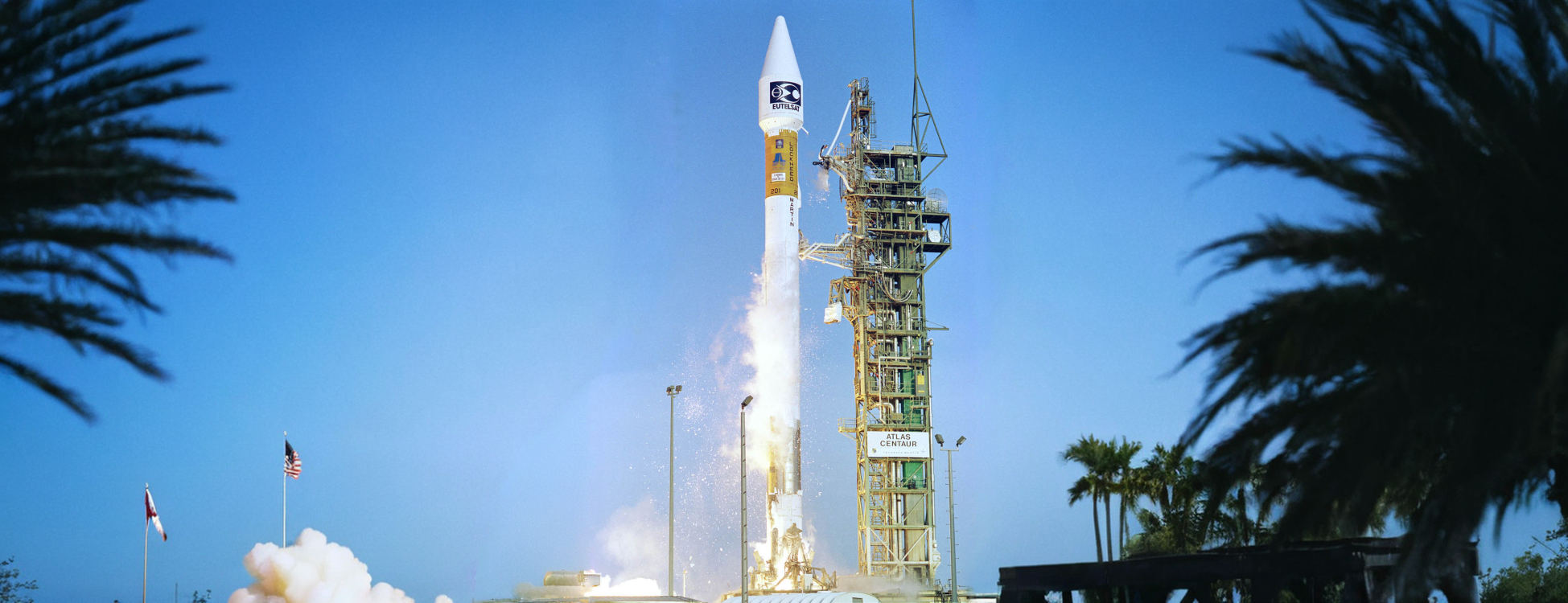
The Day America's Revolutionary Rocket Design Made Its Final Flight

The Day America's Revolutionary Rocket Design Made Its Final Flight

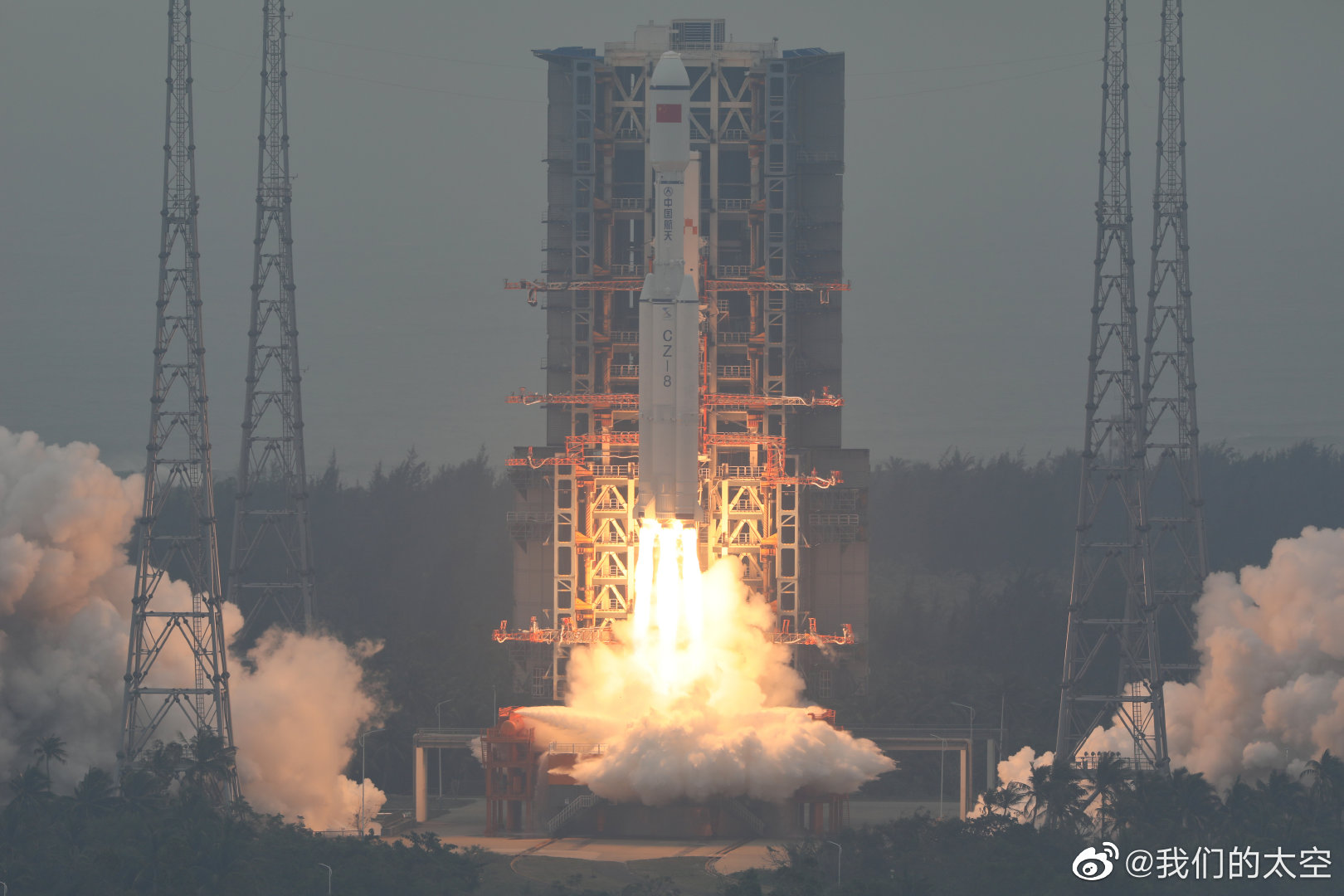
Twenty years ago, an Atlas rocket carrying a classified payload lifted off from Cape Canaveral, marking the end of a revolutionary spacecraft design that helped launch America into the Space Age

Intel Partners on Musk's Terafab AI Chip Fab | KeepTrack X Report

Intel Partners on Musk's Terafab AI Chip Fab | KeepTrack X Report

Intel joins Terafab, Elon Musk's Austin AI chip complex, to supply SpaceX and Tesla as Falcon 9 prepares a Cygnus ISS run.

Space Brief 20 Jan 2025

Space Brief 20 Jan 2025

Today's Space Brief highlights SpaceX's return to Starlink launches, a call to address space debris, and changes in NASA leadership under the new Trump administration.

X Report 11 Feb 2025

X Report 11 Feb 2025

SpaceX successfully launches 23 Starlink satellites, NASA selects SpaceX for astrophysics mission, and Starship Flight 8 advances with Booster 15 static fire.

X Report 25 Jan 2025

X Report 25 Jan 2025

SpaceX advances Starship infrastructure, President Trump considers closing the National Space Council, and 23 new Starlink satellites boost global connectivity.

The Telescope That Needed Glasses

The Telescope That Needed Glasses

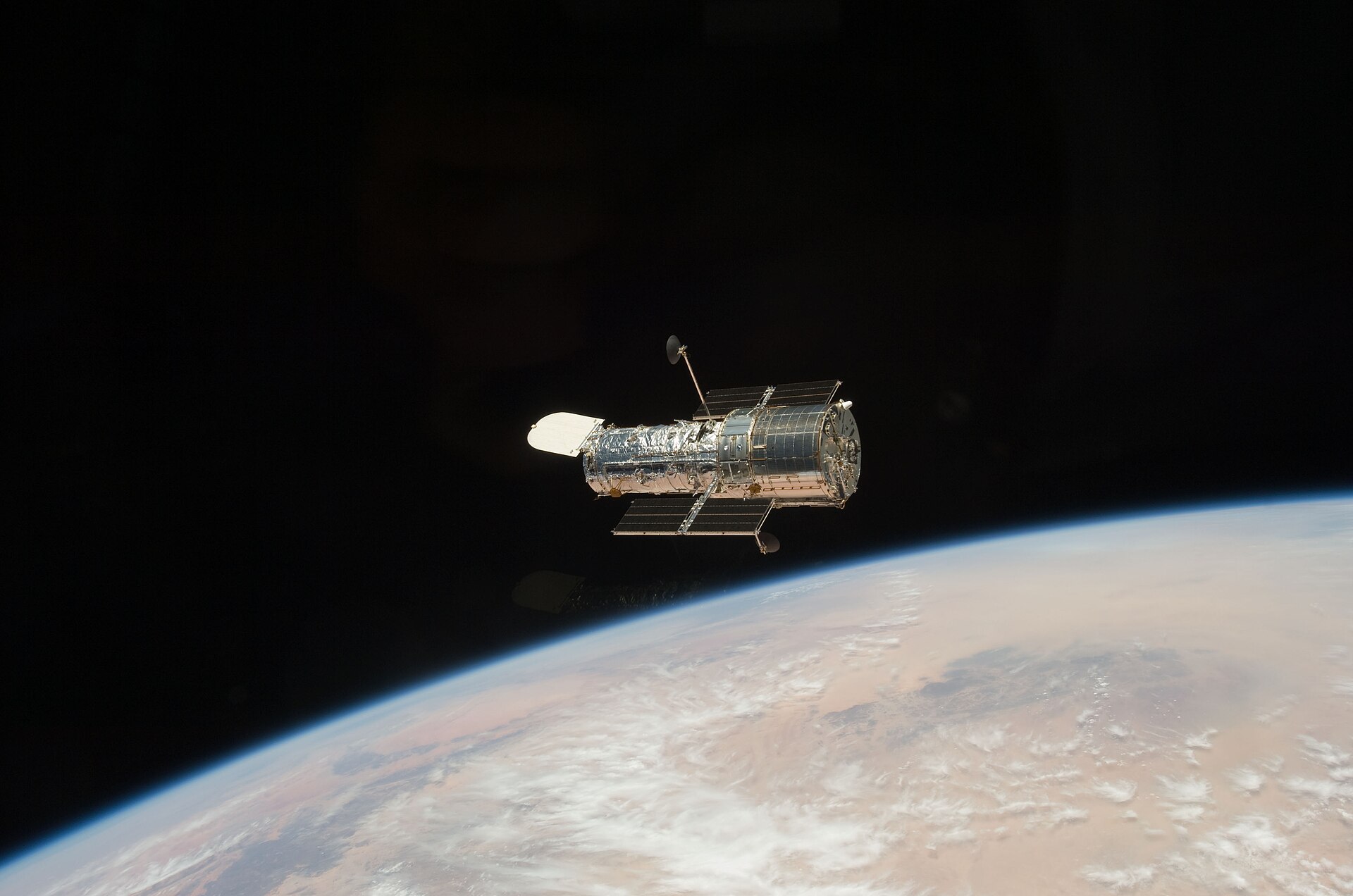
On April 25, 1990, the Space Shuttle Discovery's robotic arm lifted a 11,110-kilogram barrel of mirrors and instruments out of the payload bay and released it into orbit. Six weeks later, the first images came back badly out of focus. The Hubble Space Telescope had been ground to the wrong prescription, and America had just spent $2.5 billion on what the press was calling a 'technoturkey.'

Virgin Galactic's Upcoming "Galactic 06" Spaceflight

Virgin Galactic's Upcoming "Galactic 06" Spaceflight

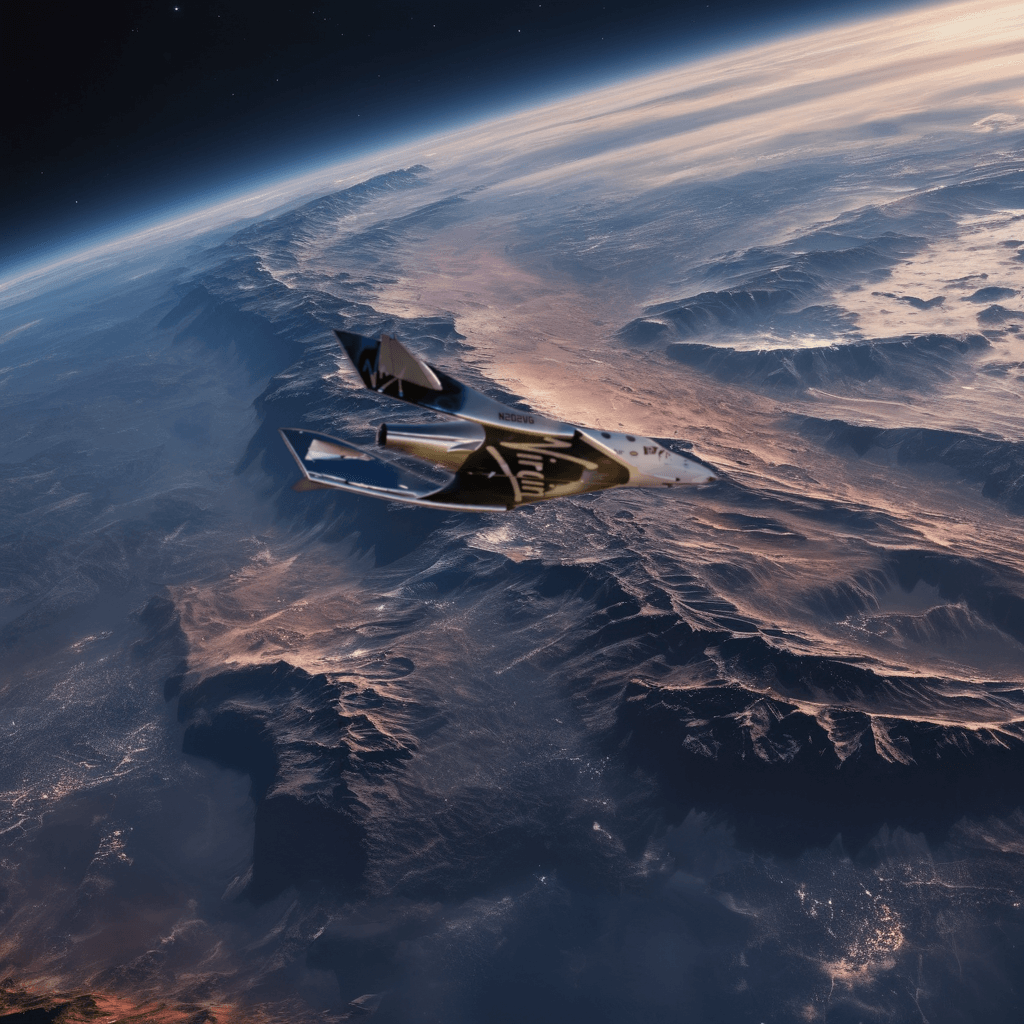
On January 26, 2024, Virgin Galactic's "Galactic 06" mission will launch, marking its 11th spaceflight.