


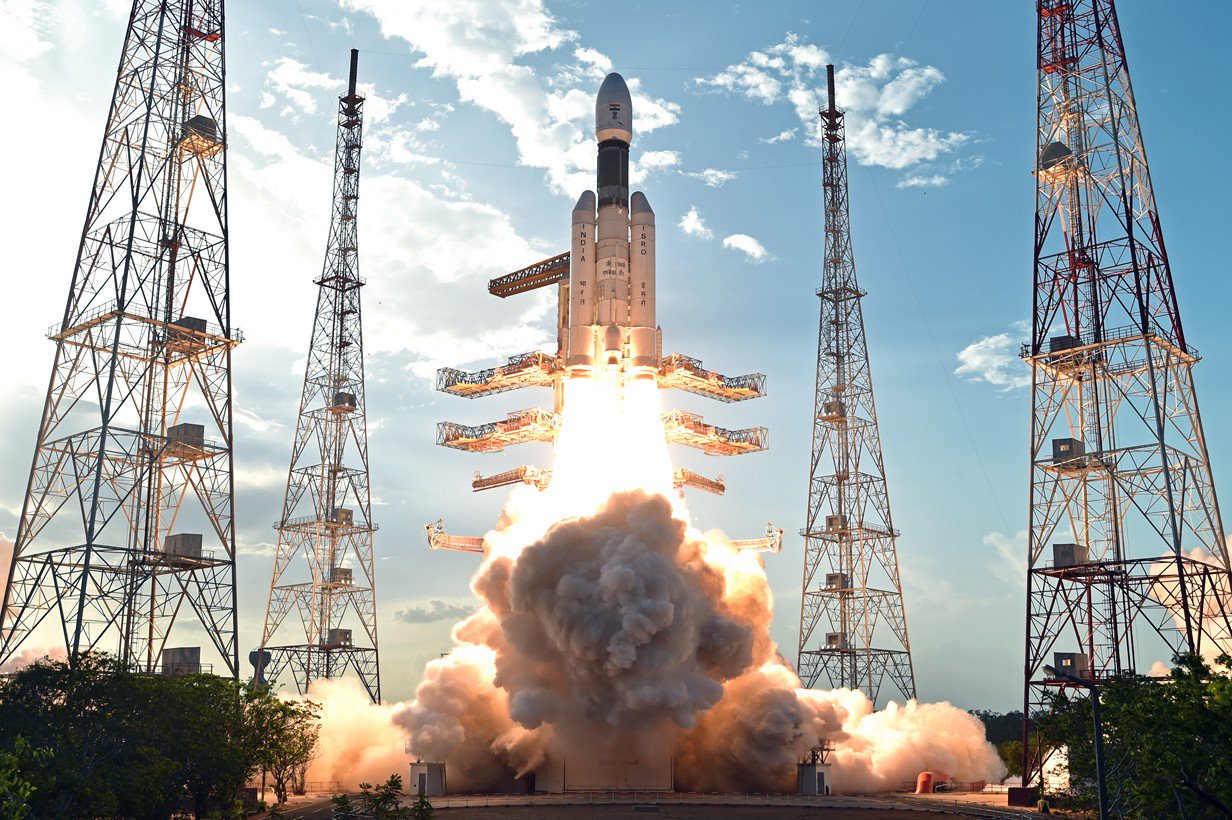
Space Brief 1 Oct 2025
Today's brief covers an increase in Chinese satellite launches, the operational status of the Space Force's ATLAS software, and a significant fundraising event in the defense sector.



Launch Date
August 10, 2022
Launch Site
Launch Pad
LC39A
Launch Vehicle
NORAD ID
53419
International Designator
2022-097AH
Epoch
Mon, 20 Jul 2026 06:00:04 GMT
Apogee
Calculating...
Perigee
Calculating...
Inclination
53.16°
Right Ascension
238.50°
Eccentricity
Calculating...
Argument of Perigee
147.44°
Period
94.84 min
Mean Motion
15.18 rev/day
Latitude
Calculating...
Longitude
Calculating...
Altitude
Calculating...
Velocity
Calculating...
Name
STARLINK-4476
Alternative Name
Starlink 4476
Type
Status
Owner
SPXS
Country
United States
Constellation
N/A
Related Satellites
Major Events
N/A
1 53419U 22097AH 26201.25004630 .00006872 00000+0 34507-3 0 9997
2 53419 53.1596 238.5030 0000946 147.4363 83.9468 15.18386948 5759
Source: Celestrak
Length
0.2
Diameter
2.8
Span
9
Dry Mass
275
Launch Mass
297
Shape
Box + pan
Radar Cross Section
Unknown
Visual Magnitude
Unknown
Color
Unknown
Material Composition
Unknown
Payload
Starlink Group 4-26-32
Purpose
Communication
Mission
Communication
Manufacturer
SPXS
Life Expectancy
Unknown
Bus
Starlink
Configuration
Unknown
Motor
Krypton ion thrusters
Equipment
Ku/Ka-band payload, optical inter-satellite link
Power System
Solar arrays, batteries
ADCS
Unknown
Transmitter Frequency
Unknown
Learn more about satellites and other related topics.
Today's brief covers an increase in Chinese satellite launches, the operational status of the Space Force's ATLAS software, and a significant fundraising event in the defense sector.
Today's updates focus on significant developments in U.S. national security space launches, Army space training, potential shifts in satellite procurement strategies, and the Meteor 2-21 satellite.

Artemis II grabbed the headlines, but six other missions are quietly approaching milestones that could reshape what we know about Mercury, Mars, asteroids, exoplanets, and the Moon's south pole. Here is what is actually happening with each of them.

Space debris poses a mounting threat to both satellites and space missions. As we send more objects into orbit, the likelihood of collisions and subsequent breakups producing dangerous space debris increases. Recognizing the major events that have generated this dangerous space junk is pivotal in ensuring the safety of future space missions.

Today's Space Brief covers significant events including a high-stakes missile defense program, recent Chinese satellite launches, military defense initiatives, and key profiles in defense leadership.
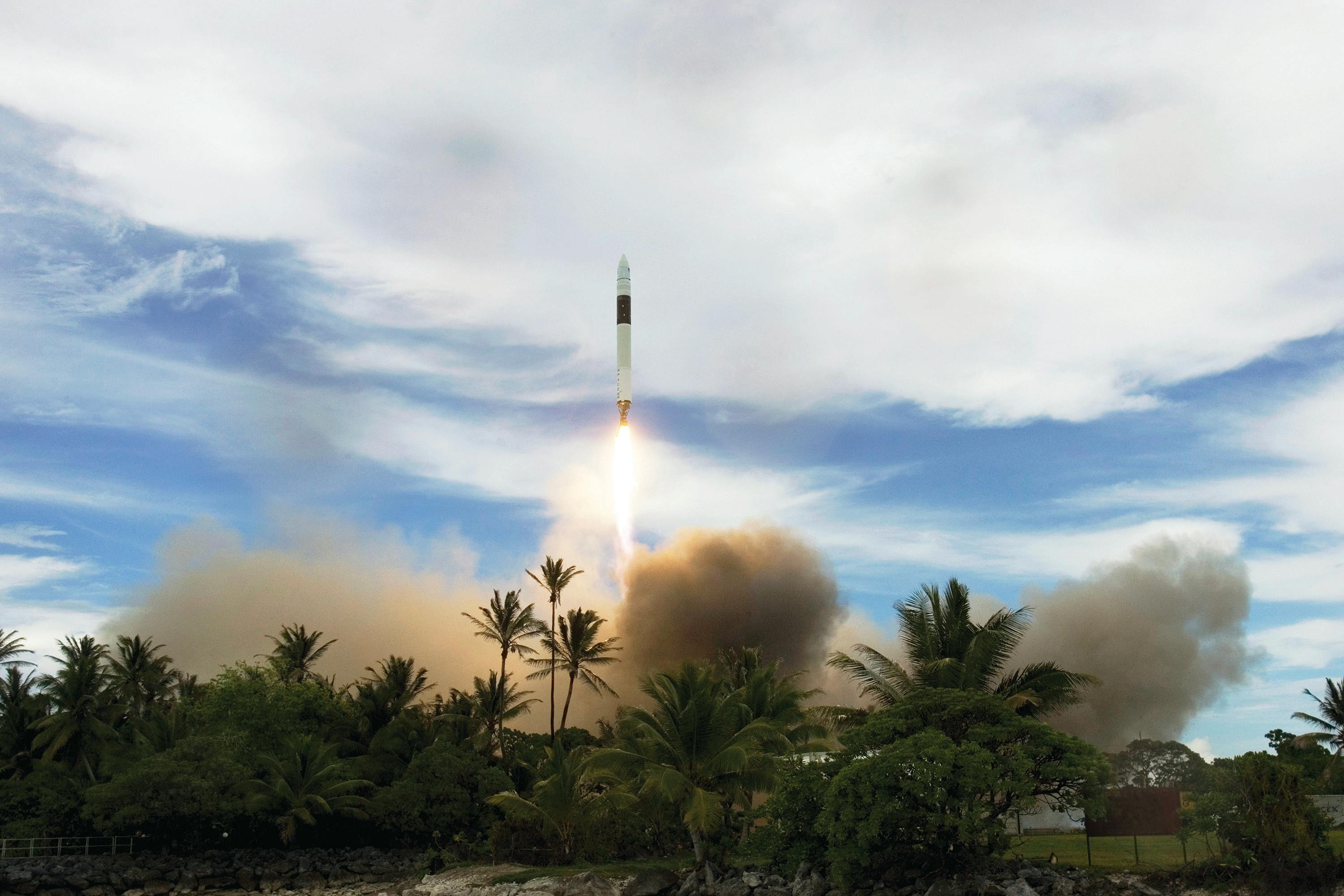
Starlink satellites in orbit May 2026: 10,374, with 10,358 working. Mission 17-29 lifts 24 more from Vandenberg and a satellite films the Starlink train.
Today's brief covers defense industry dynamics, advancements in quantum sensor technology, and geopolitical challenges impacting military space operations.
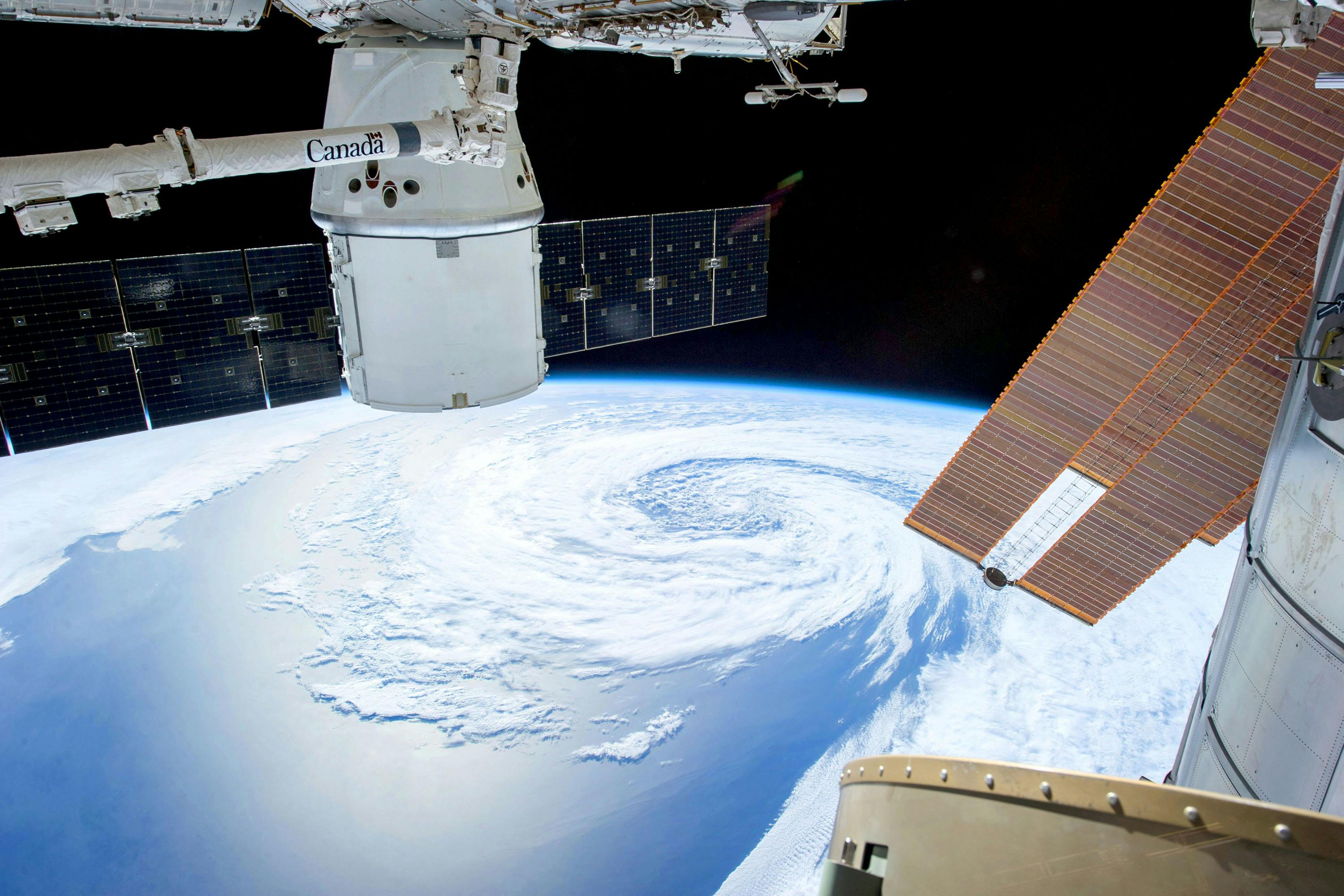
Starship V3 targets an April 2026 debut, the ride for next-gen Starlink V3 satellites. Fleet stands at 10,062 working of 11,587 launched.