


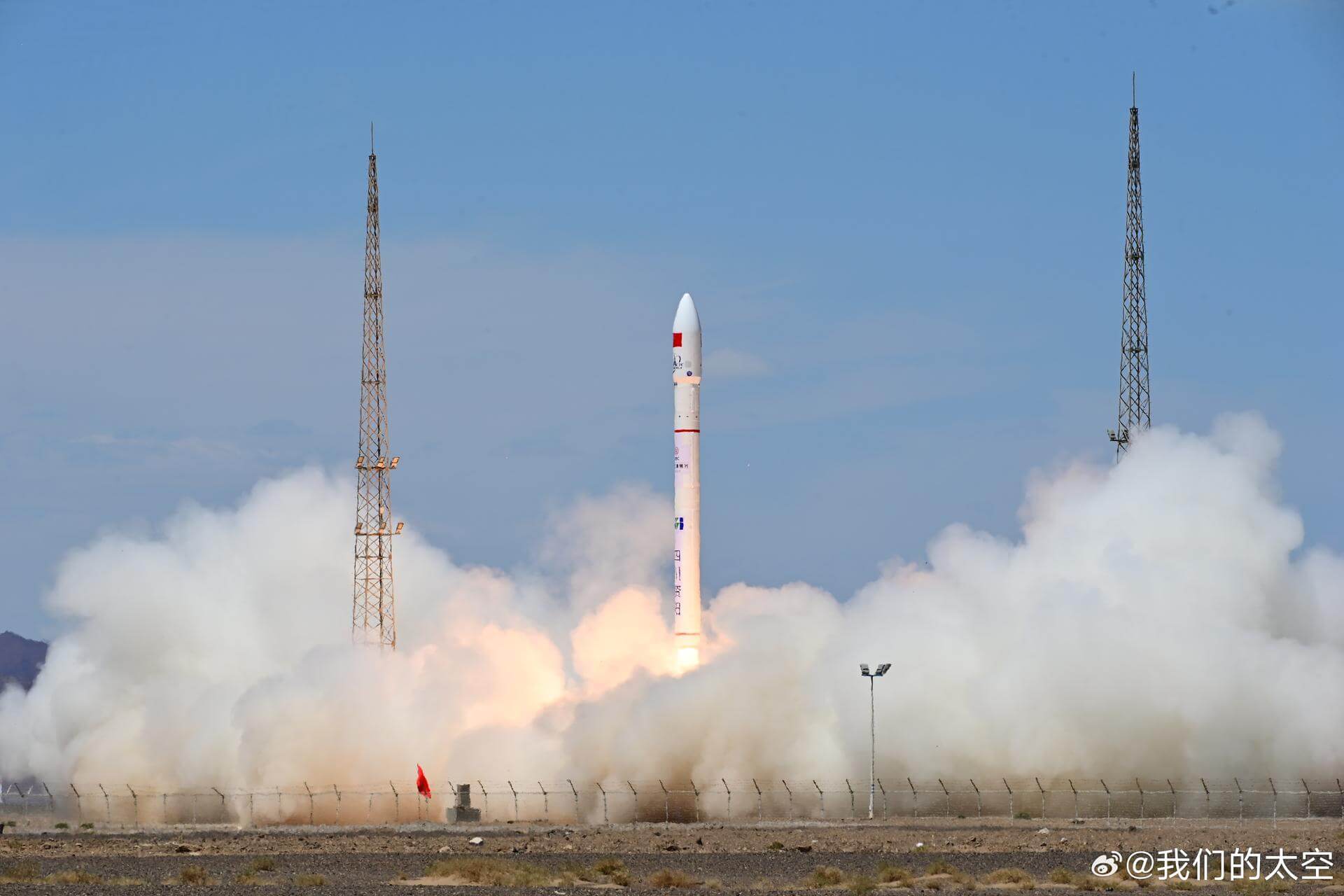
Space Brief 13 Mar 2025
Today's space brief highlights intriguing military satellite developments, new space launch strategies to counteract observation threats, and potential European defense industry advancements.



Launch Date
August 10, 2022
Launch Site
Launch Pad
LC39A
Launch Vehicle
NORAD ID
53401
International Designator
2022-097P
Epoch
Mon, 20 Jul 2026 03:54:51 GMT
Apogee
Calculating...
Perigee
Calculating...
Inclination
53.16°
Right Ascension
249.13°
Eccentricity
Calculating...
Argument of Perigee
90.35°
Period
95.44 min
Mean Motion
15.09 rev/day
Latitude
Calculating...
Longitude
Calculating...
Altitude
Calculating...
Velocity
Calculating...
Name
STARLINK-4525
Alternative Name
Starlink 4525
Type
Status
Owner
SPXS
Country
United States
Constellation
N/A
Related Satellites
Major Events
N/A
1 53401U 22097P 26201.16309053 .00000041 00000+0 20660-4 0 9993
2 53401 53.1593 249.1291 0001182 90.3481 269.7645 15.08831210218511
Source: Celestrak
Length
0.2
Diameter
2.8
Span
9
Dry Mass
275
Launch Mass
297
Shape
Box + pan
Radar Cross Section
Unknown
Visual Magnitude
Unknown
Color
Unknown
Material Composition
Unknown
Payload
Starlink Group 4-26-14
Purpose
Communication
Mission
Communication
Manufacturer
SPXS
Life Expectancy
Unknown
Bus
Starlink
Configuration
Unknown
Motor
Krypton ion thrusters
Equipment
Ku/Ka-band payload, optical inter-satellite link
Power System
Solar arrays, batteries
ADCS
Unknown
Transmitter Frequency
Unknown
Learn more about satellites and other related topics.
Today's space brief highlights intriguing military satellite developments, new space launch strategies to counteract observation threats, and potential European defense industry advancements.
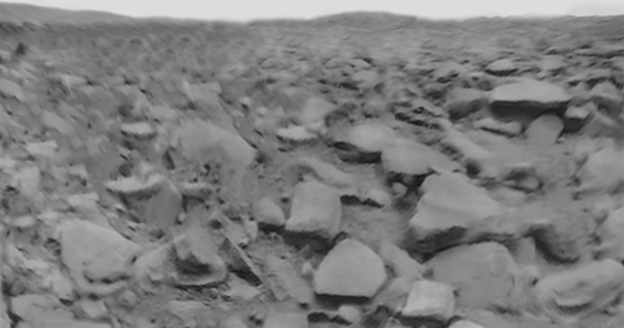
On December 15, 1970, a battered Soviet probe accomplished something no spacecraft had done before - it survived landing on another world and lived to tell about it.
Today's highlights include advances in space tracking technology by the US Space Force, SpaceX's infrastructure expansion, and a spectacular birthday landing on Earth. Additionally, we spotlight a significant exoplanetary discovery and satellite updates.
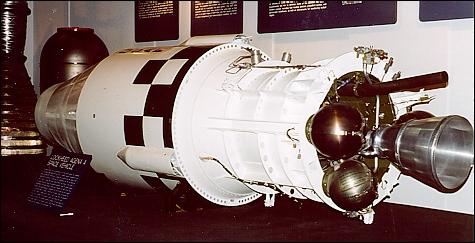
Sixty-six years ago, a Thor-Agena rocket thundered into the California sky carrying Discoverer 1, the first satellite attempt at polar orbit and the secret vanguard of Americas space reconnaissance program
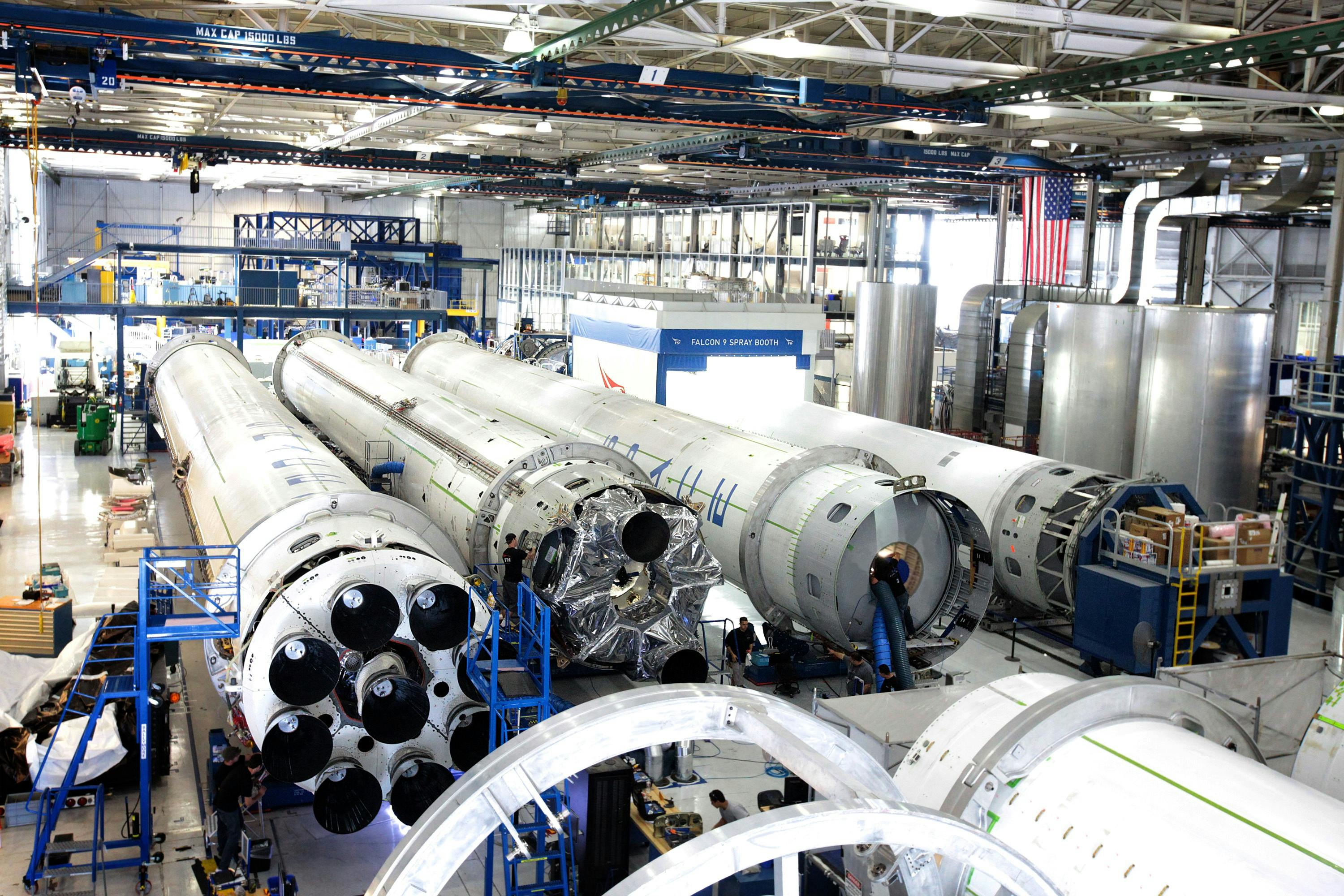
SpaceX wraps up a record-breaking year with successful launches and advancements in Starlink mega-constellation.

Space Force shifts GPS III satellite launch from ULA's Vulcan to SpaceX Falcon 9 due to persistent solid rocket booster issues. Critical navigation asset reassignment signals operational consequences.
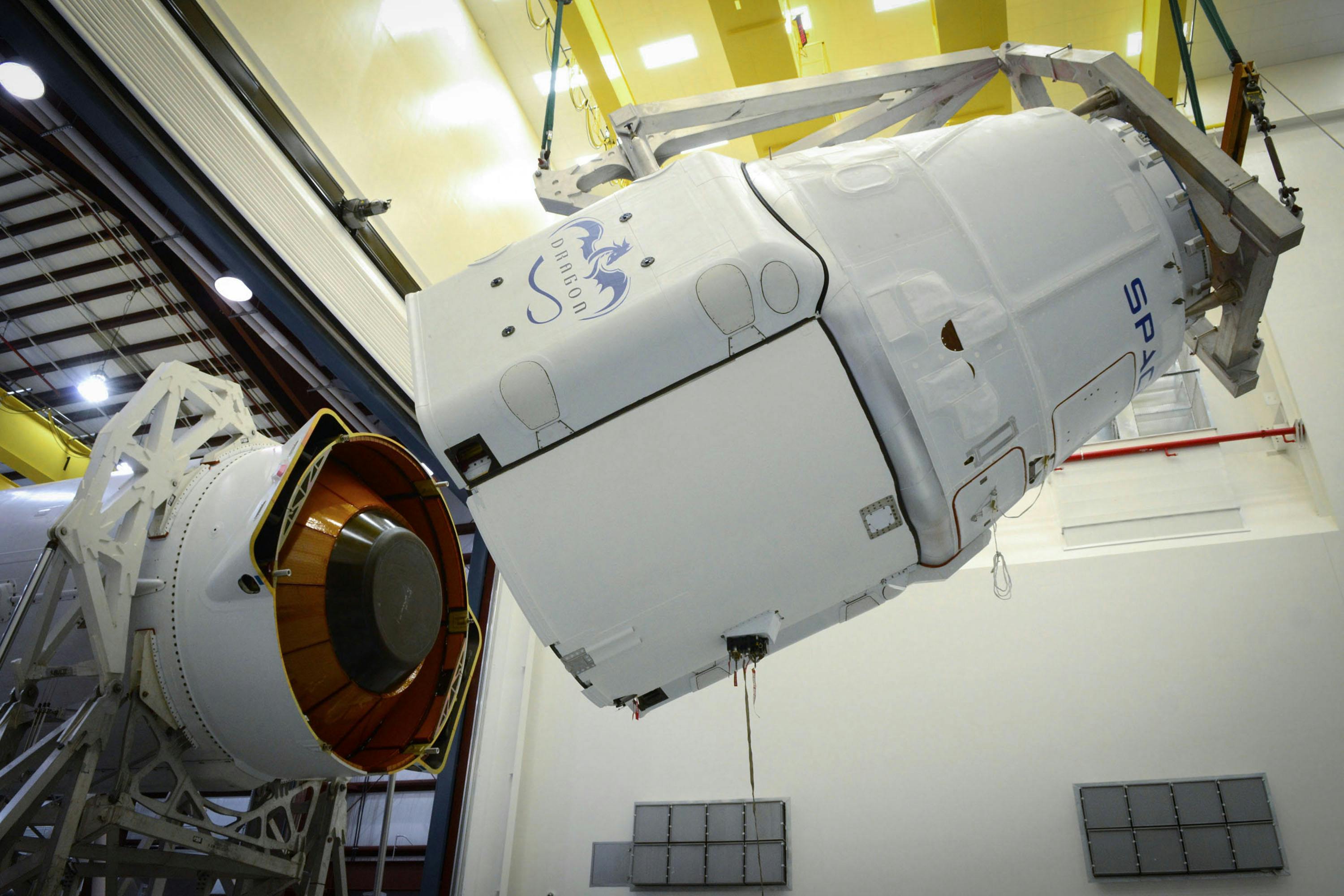
SpaceX advances with Starship, gains FCC approval for new services, and predicts a future shift in spacecraft dominance.

Today's briefing covers a DARPA award for Redwire's innovative satellite project, Ursa Major's expansion in defense engines, a Rocket Lab military test flight, and more.