



White House Orders Space Nuclear Power by 2028 | KeepTrack Space Brief
White House directs NASA and Pentagon to field space nuclear power systems by 2028, with DoD demonstration required by 2031. Game-changer for military satellite power budgets.



NORAD ID
53205
International Designator
2022-084S
Epoch
Mon, 20 Jul 2026 03:47:59 GMT
Apogee
Calculating...
Perigee
Calculating...
Inclination
97.28°
Right Ascension
259.53°
Eccentricity
Calculating...
Argument of Perigee
108.61°
Period
95.64 min
Mean Motion
15.06 rev/day
Latitude
Calculating...
Longitude
Calculating...
Altitude
Calculating...
Velocity
Calculating...
Name
STARLINK-4397
Alternative Name
Starlink 4397
Type
Status
Owner
SPXS
Country
United States
Constellation
N/A
Related Satellites
Major Events
N/A
1 53205U 22084S 26201.15832975 .00000201 00000+0 17825-4 0 9991
2 53205 97.2837 259.5258 0002215 108.6051 251.5417 15.05653795219317
Source: Celestrak
Length
0.2
Diameter
2.8
Span
9
Dry Mass
275
Launch Mass
297
Shape
Box + pan
Radar Cross Section
Unknown
Visual Magnitude
Unknown
Color
Unknown
Material Composition
Unknown
Payload
Starlink Group 3-2-17
Purpose
Communication
Mission
Communication
Manufacturer
SPXS
Life Expectancy
Unknown
Bus
Starlink
Configuration
Unknown
Motor
Krypton ion thrusters
Equipment
Ku/Ka-band payload, optical inter-satellite link
Power System
Solar arrays, batteries
ADCS
Unknown
Transmitter Frequency
Unknown
Learn more about satellites and other related topics.
White House directs NASA and Pentagon to field space nuclear power systems by 2028, with DoD demonstration required by 2031. Game-changer for military satellite power budgets.
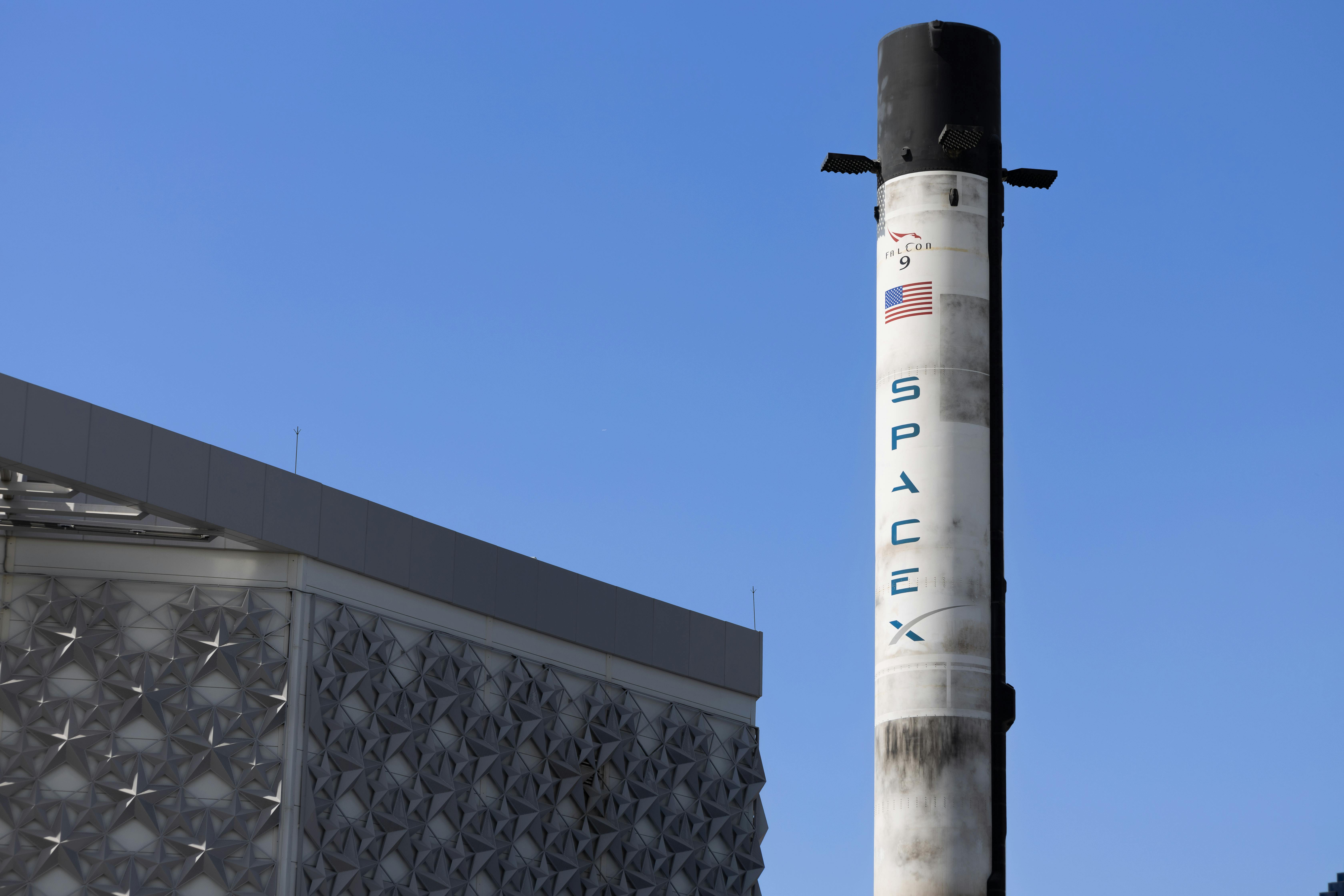
SpaceX successfully launches two rideshare missions to mid-inclination orbits, expanding their satellite deployment capabilities.
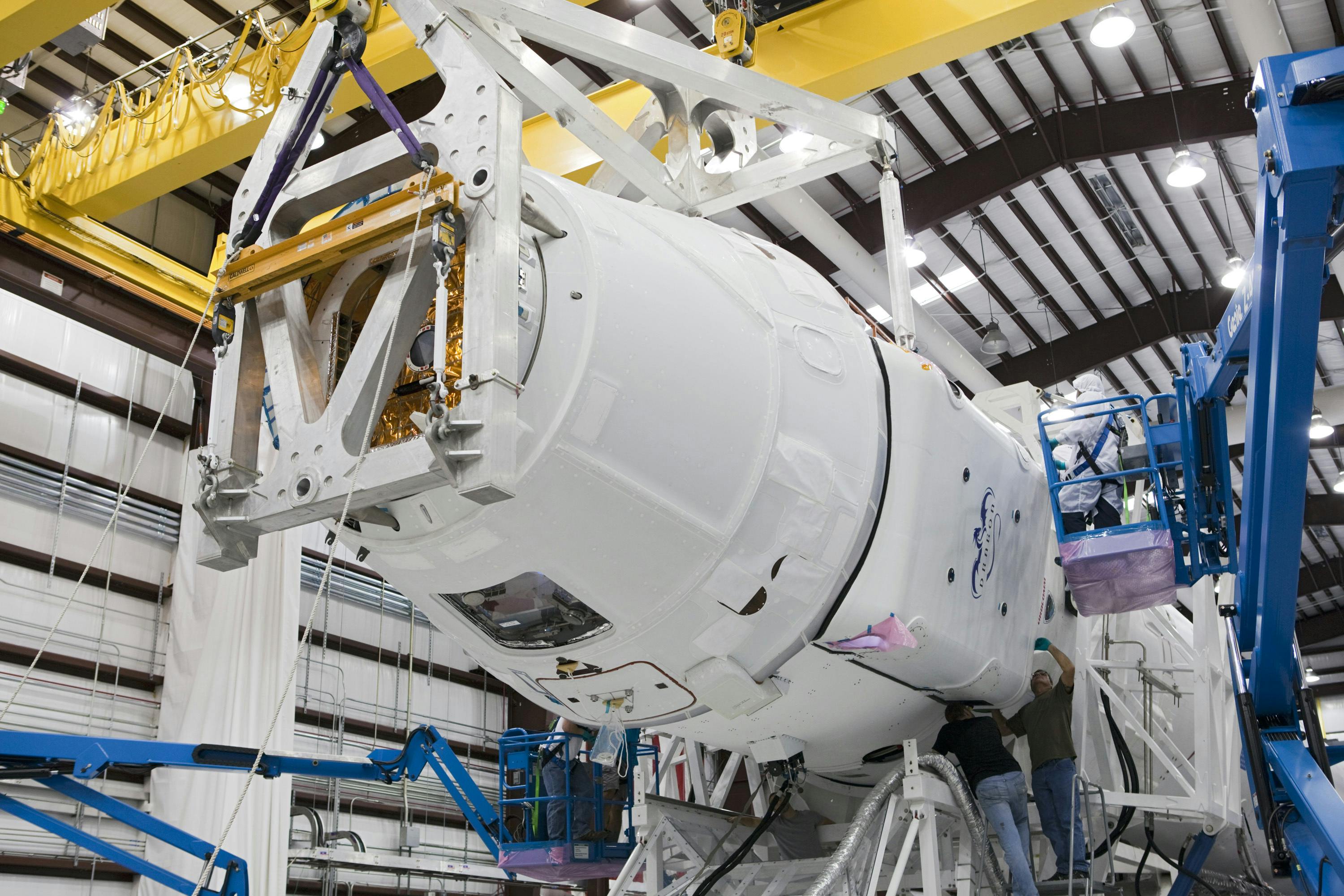
SpaceX marks a milestone with its 250th Starlink mission, continuing to expand its broadband satellite network.
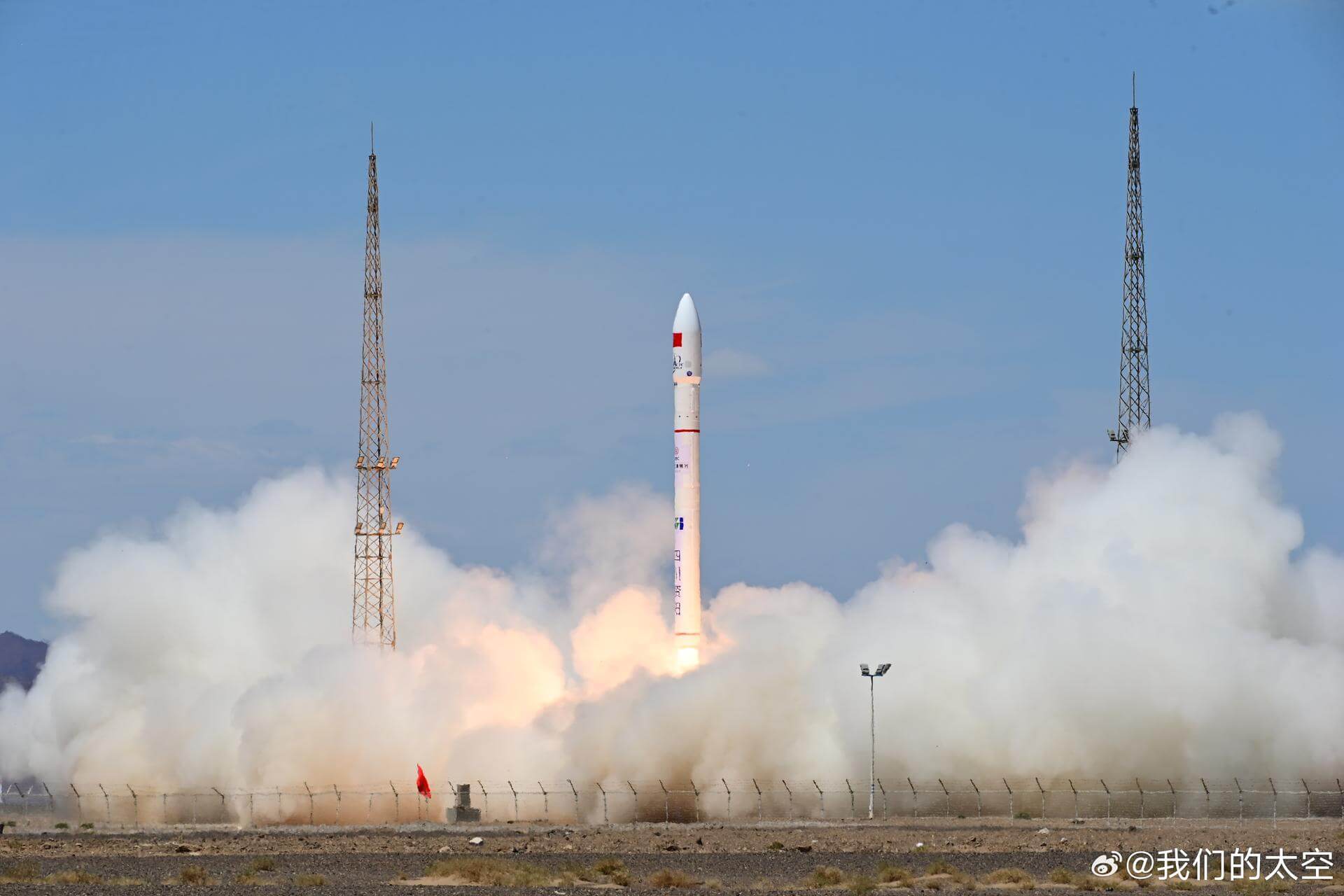
Today's space brief highlights intriguing military satellite developments, new space launch strategies to counteract observation threats, and potential European defense industry advancements.
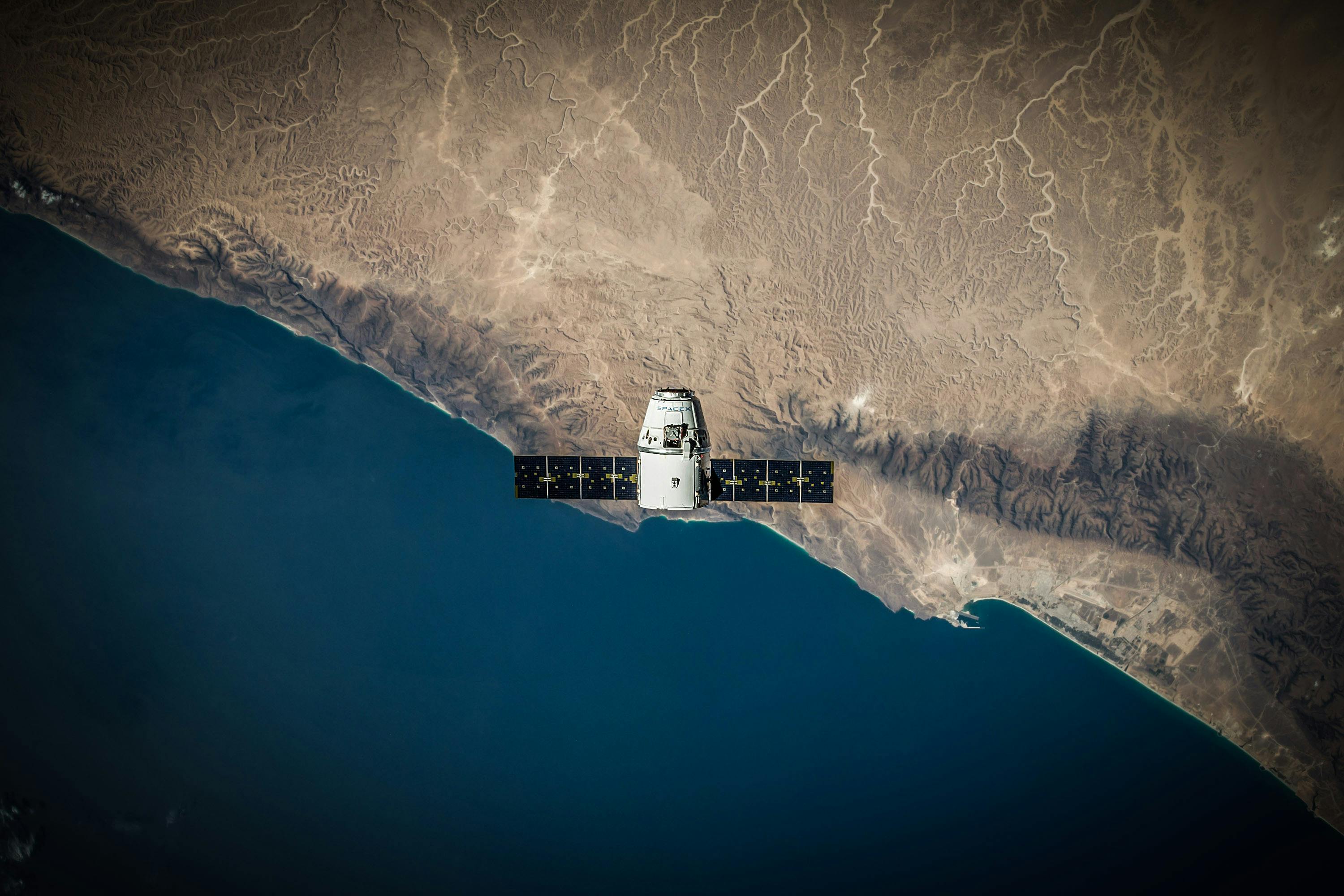
Highlights include China's rising threats in space, a new Starlink launch, NASA's optimistic future, and a cosmic conjunction featuring the Moon and Saturn.
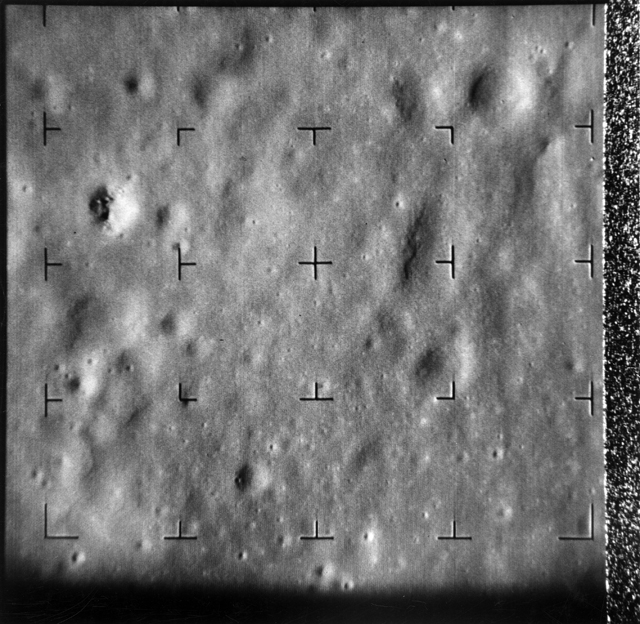
Sixty years ago, a pioneering spacecraft called Ranger 8 captured thousands of detailed photographs of the lunar surface before intentionally crashing into the Moon, helping pave the way for humanity's first steps on another world

Today's Space Brief covers Lockheed Martin's pursuits in missile interception, key military advancements in space integration, the UK launch license for Skyrora, and much more.
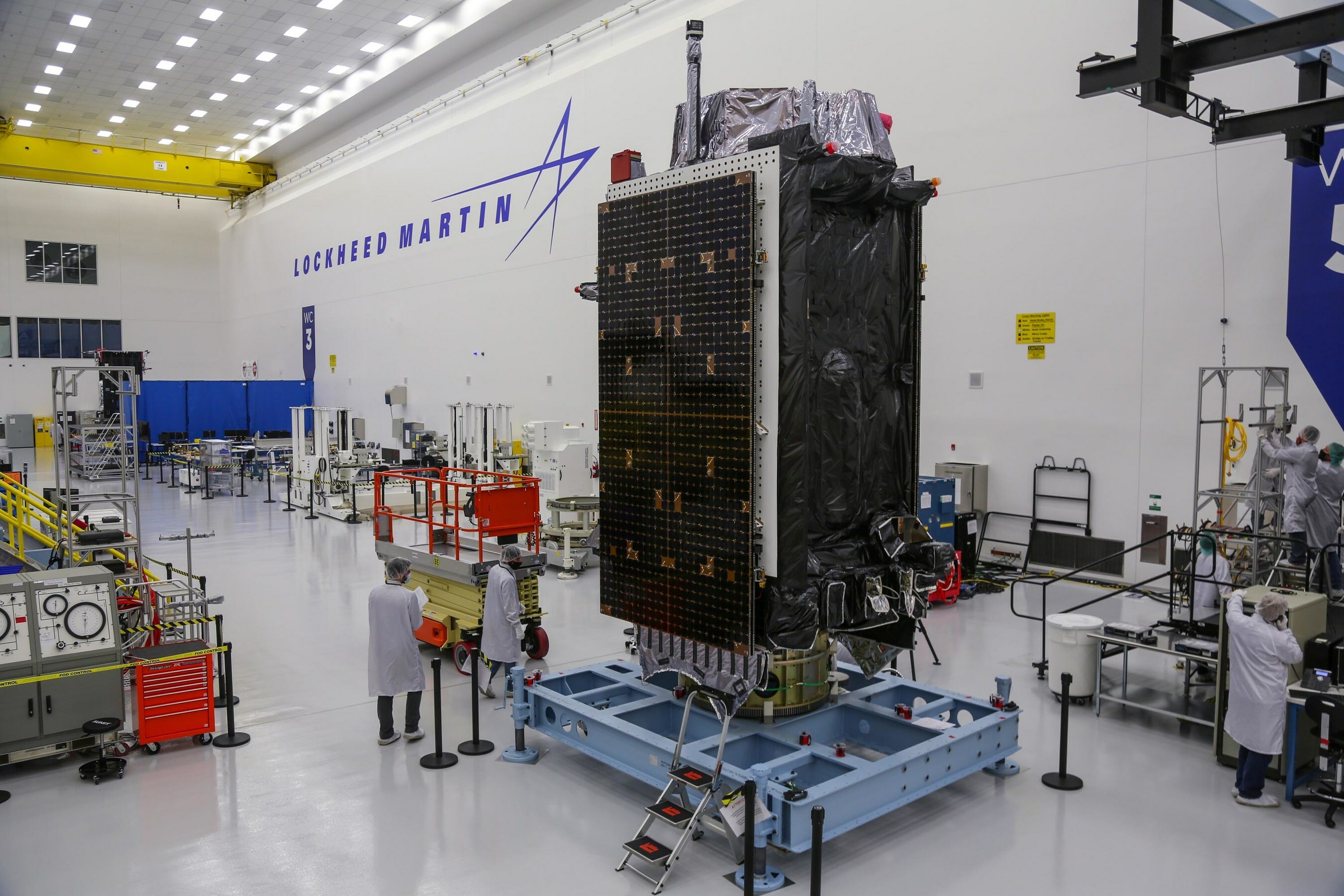
On April 21, 2026, the tenth and final GPS Block III satellite reached medium Earth orbit aboard a SpaceX Falcon 9. Named for Hedy Lamarr, the actress whose 1942 frequency-hopping patent underpins modern GPS, SV10 closes a procurement that took eight years to deliver hardware and opens the optical-crosslink era that will define the constellation's next decade.