STARLINK-4045 (53152)

COSPAR: 2022-083W | Alt Name: Starlink 4045

Image
STARLINK-4045 Satellite Image
Additional Sources
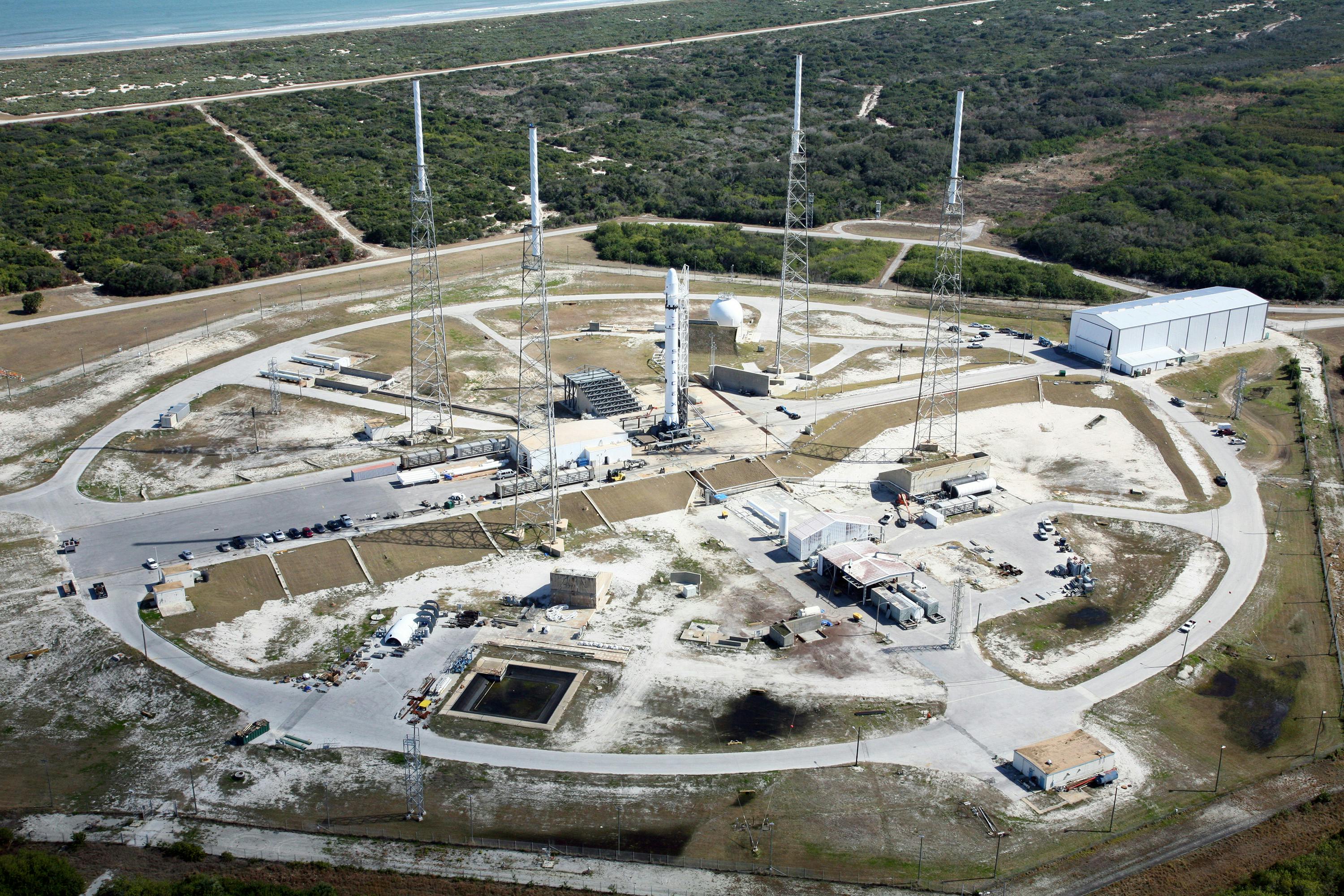
Launch Details

Launch Date

July 17, 2022

Launch Pad

LC40

Launch Vehicle

Falcon 9

Orbital Elements

NORAD ID

53152

International Designator

2022-083W

Epoch

Sun, 19 Jul 2026 20:00:01 GMT

Apogee

Calculating...

Perigee

Calculating...

Inclination

53.22°

Right Ascension

269.30°

Eccentricity

Calculating...

Argument of Perigee

56.37°

Period

91.97 min

Mean Motion

15.66 rev/day

Latitude

Calculating...

Longitude

Calculating...

Altitude

Calculating...

Velocity

Calculating...

Polar Plot
3D Visualization
Basic Satellite Info

Name

STARLINK-4045

Alternative Name

Starlink 4045

Type

Payload

Status

Operational

Owner

SPXS

Country

United States

Constellation

N/A

Related Satellites

Major Events

N/A

Latest TLEs
1 53152U 22083W   26200.83335647  .00218144  00000+0  20689-2 0  9996
2 53152  53.2167 269.2964 0001251  56.3655 239.8194 15.65713173  5807

Source: Celestrak

Summary
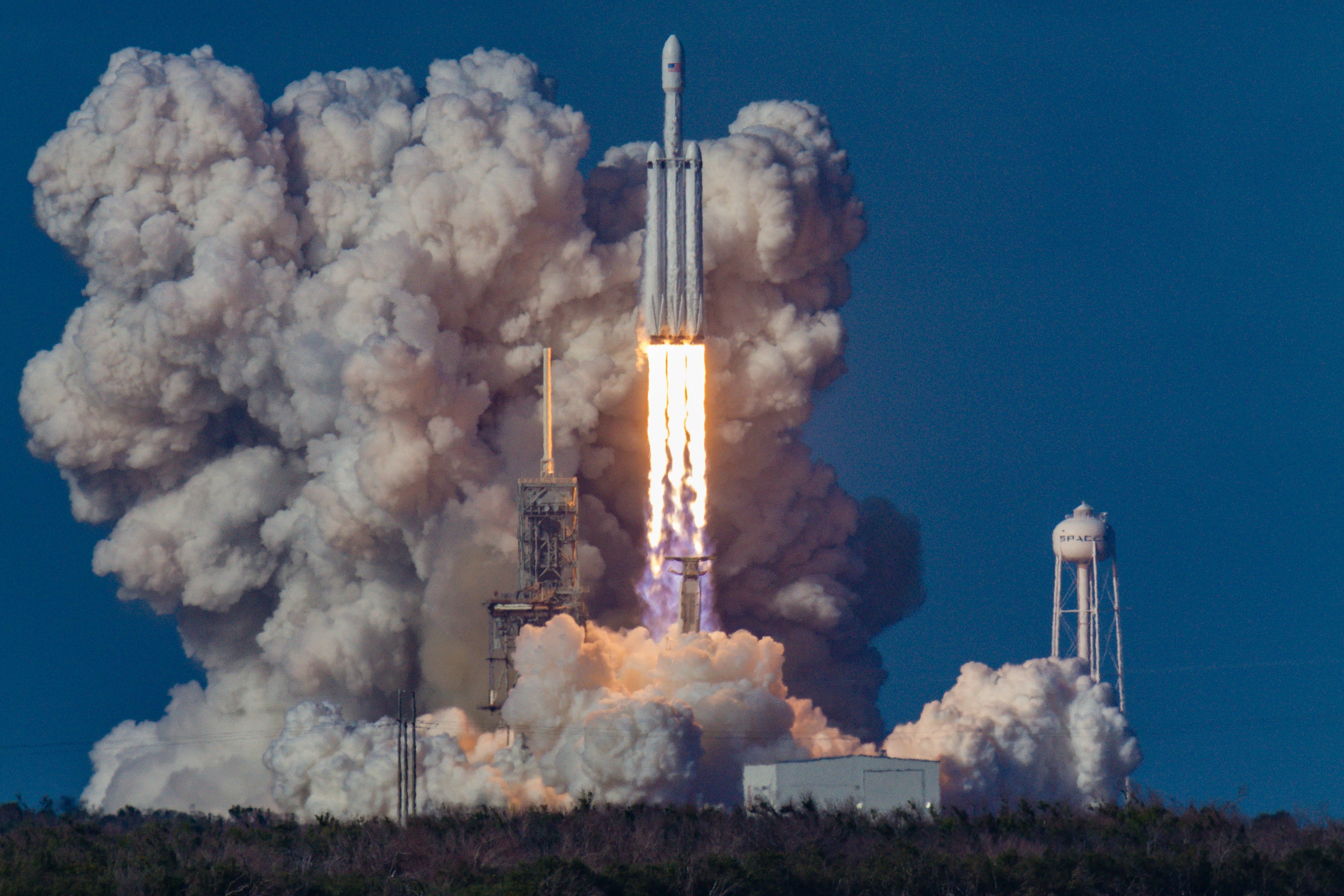
The STARLINK-4045 satellite, also known as Starlink 4045, is a communication satellite manufactured by SPXS and owned by SpaceX (SPXS). It was launched on July 17, 2022, from Cape Canaveral Air Force Station, Launch Complex 40, using the Falcon 9 launch vehicle. The satellite measures 0.2 meters in length with a diameter of 2.8 meters and spans up to 9 meters. It has a dry mass of 275 kg and weighed 297 kg at launch. Equipped with Ku/Ka-band payload and an optical inter-satellite link, the satellite uses solar arrays and batteries for power generation and krypton ion thrusters as its motor system. The spacecraft is part of the Starlink Group 4-22-21 mission aimed at providing communication services.

Starlink is a satellite constellation developed by SpaceX with the aim of providing global broadband internet coverage. Thousands of small satellites are deployed in low Earth orbit (LEO), enabling high-speed internet access even in remote areas. However, the rapid increase in satellites raises concerns about space debris and the potential for collisions, which can lead to further debris creation and endanger other spacecraft. Additionally, the sheer number of Starlink satellites can affect astronomical observations by increasing light pollution. Proper deorbiting plans and international coordination are essential to mitigate these challenges and ensure long-term sustainability in space.
Physical Characteristics

Length

0.2

Diameter

2.8

Span

9

Dry Mass

275

Launch Mass

297

Shape

Box + pan

Radar Cross Section

Unknown

Visual Magnitude

Unknown

Color

Unknown

Material Composition

Unknown

Technical Details

Payload

Starlink Group 4-22-21

Purpose

Communication

Mission

Communication

Manufacturer

SPXS

Life Expectancy

Unknown

Bus

Starlink

Configuration

Unknown

Motor

Krypton ion thrusters

Equipment

Ku/Ka-band payload, optical inter-satellite link

Power System

Solar arrays, batteries

ADCS

Unknown

Transmitter Frequency

Unknown

Map
This tool will help you track the satellite's position and predict its upcoming passes over your location. Simply input the coordinates or click the geolocation button to get started.
Next Pass
Azimuth Elevation Time (Local)
Start Azimuth
Max Elevation
Stop Azimuth
Time Until
Pass Duration

Satellite Articles

View All Posts »

Learn more about satellites and other related topics.

SpaceX Unveils Stargaze SSA System, Explores xAI Merger Ahead of IPO | KeepTrack X Report

SpaceX Unveils Stargaze SSA System, Explores xAI Merger Ahead of IPO | KeepTrack X Report

SpaceX unveils Stargaze space situational awareness system during 13th launch of January. Reports surface of SpaceX-xAI merger talks ahead of potential IPO. Dual-coast Starlink launches from CA and FL.
X Report 8 Jul 2025

X Report 8 Jul 2025

SpaceX marks a milestone with its 500th Falcon 9 mission during a week of notable developments, including ongoing Starlink deployments and changes in U.S. military plans.

The Day Two Satellites Hit Each Other at 26,000 MPH

The Day Two Satellites Hit Each Other at 26,000 MPH

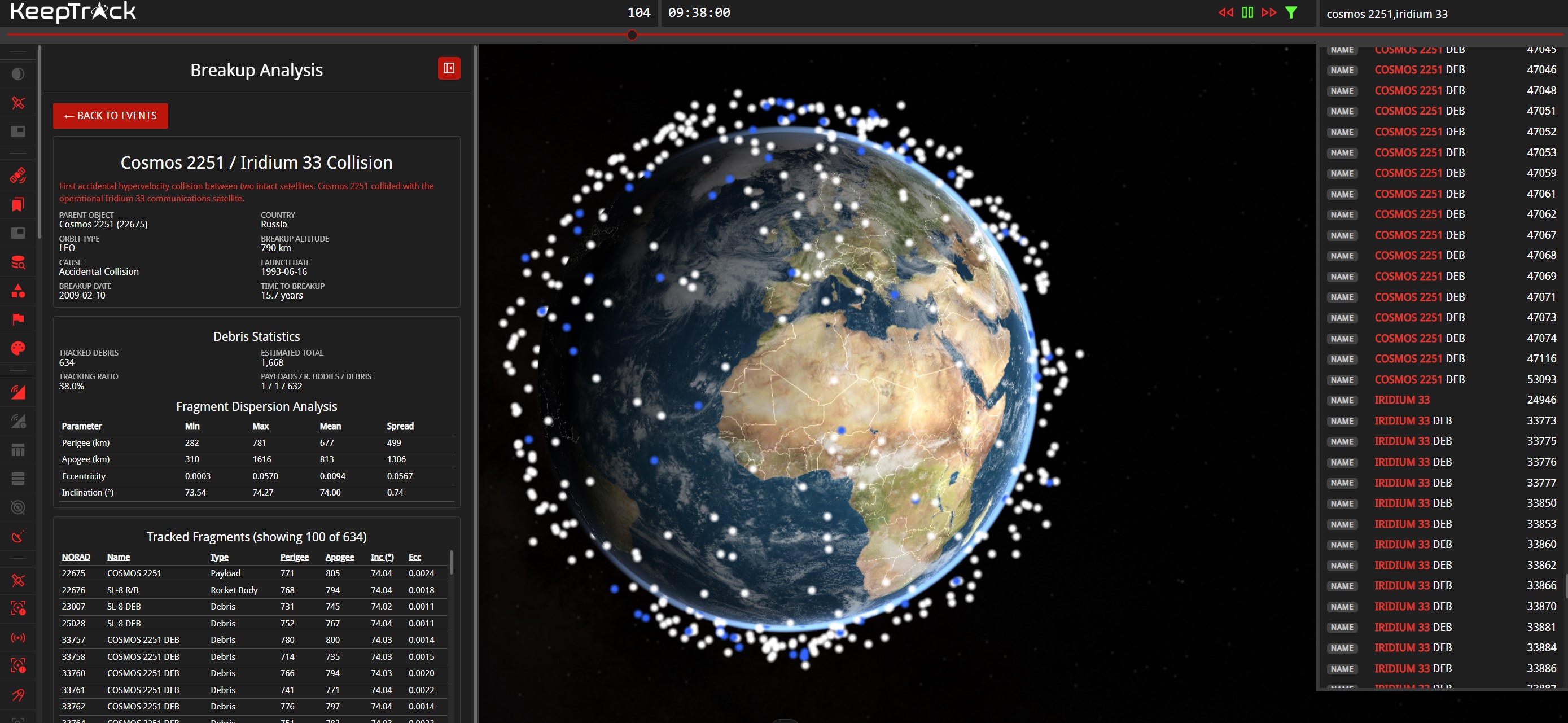
On February 10, 2009, an active Iridium communications satellite and a derelict Soviet military spacecraft slammed into each other 789 kilometers above Siberia. The collision produced more than 2,300 pieces of trackable debris that are still up there. Seventeen years later, the Iridium-Cosmos collision remains the event that made space debris a policy problem the world could no longer ignore.

Space Brief 8 Dec 2024

Space Brief 8 Dec 2024

Explore today's key space events including a SpaceX Starlink launch, Neuraspace's new telescope for space traffic monitoring, and Globalstar's defense-focused satellite service debut.

New Glenn Static Fire Anomaly Grounds Amazon Launch | KeepTrack Space Brief

New Glenn Static Fire Anomaly Grounds Amazon Launch | KeepTrack Space Brief

Blue Origin's New Glenn suffered catastrophic anomaly during static fire test at LC-36. Amazon LEO satellites pulled; NASA lunar missions now in question.

X Report 27 Feb 2025

X Report 27 Feb 2025

SpaceX's Falcon 9 rockets propel space exploration and connectivity forward with a moon landing mission, Starlink deployment, and readiness for another Starship launch trial.

108 Minutes That Changed Everything - and the 20-Year Echo That Followed

108 Minutes That Changed Everything - and the 20-Year Echo That Followed

On April 12, 1961, a 27-year-old Soviet pilot rode a modified ICBM into orbit and came back alive after 108 minutes. Exactly twenty years later, two Americans climbed aboard an untested spacecraft covered in 31,000 ceramic tiles and bet their lives that the math was right.

X Report 9 Jan 2025

X Report 9 Jan 2025

Exciting advancements from SpaceX as Starshield satellites prepare for launch, Starship Flight 7 faces a short delay, and new Starlink satellites enter orbit.