


Artemis 2 Crew Arrives for April 1 Lunar Flyby Launch | KeepTrack Space Brief
Artemis 2 astronauts arrive at KSC for April 1 launch. Four-person crew will fly lunar free-return trajectory, first crewed lunar mission since Apollo 17 in 1972.



NORAD ID
53071
International Designator
2022-077AE
Epoch
Sun, 19 Jul 2026 10:43:13 GMT
Apogee
Calculating...
Perigee
Calculating...
Inclination
97.29°
Right Ascension
18.90°
Eccentricity
Calculating...
Argument of Perigee
95.36°
Period
95.64 min
Mean Motion
15.06 rev/day
Latitude
Calculating...
Longitude
Calculating...
Altitude
Calculating...
Velocity
Calculating...
Name
STARLINK-4328
Alternative Name
Starlink 4328
Type
Status
Owner
SPXS
Country
United States
Constellation
N/A
Related Satellites
Major Events
N/A
1 53071U 22077AE 26200.44667852 .00000719 00000+0 53678-4 0 9995
2 53071 97.2852 18.9002 0001346 95.3560 264.7821 15.05664191220814
Source: Celestrak
Length
0.2
Diameter
2.8
Span
9
Dry Mass
275
Launch Mass
297
Shape
Box + pan
Radar Cross Section
Unknown
Visual Magnitude
Unknown
Color
Unknown
Material Composition
Unknown
Payload
Starlink Group 3-1-29
Purpose
Communication
Mission
Communication
Manufacturer
SPXS
Life Expectancy
Unknown
Bus
Starlink
Configuration
Unknown
Motor
Krypton ion thrusters
Equipment
Ku/Ka-band payload, optical inter-satellite link
Power System
Solar arrays, batteries
ADCS
Unknown
Transmitter Frequency
Unknown
Learn more about satellites and other related topics.
Artemis 2 astronauts arrive at KSC for April 1 launch. Four-person crew will fly lunar free-return trajectory, first crewed lunar mission since Apollo 17 in 1972.
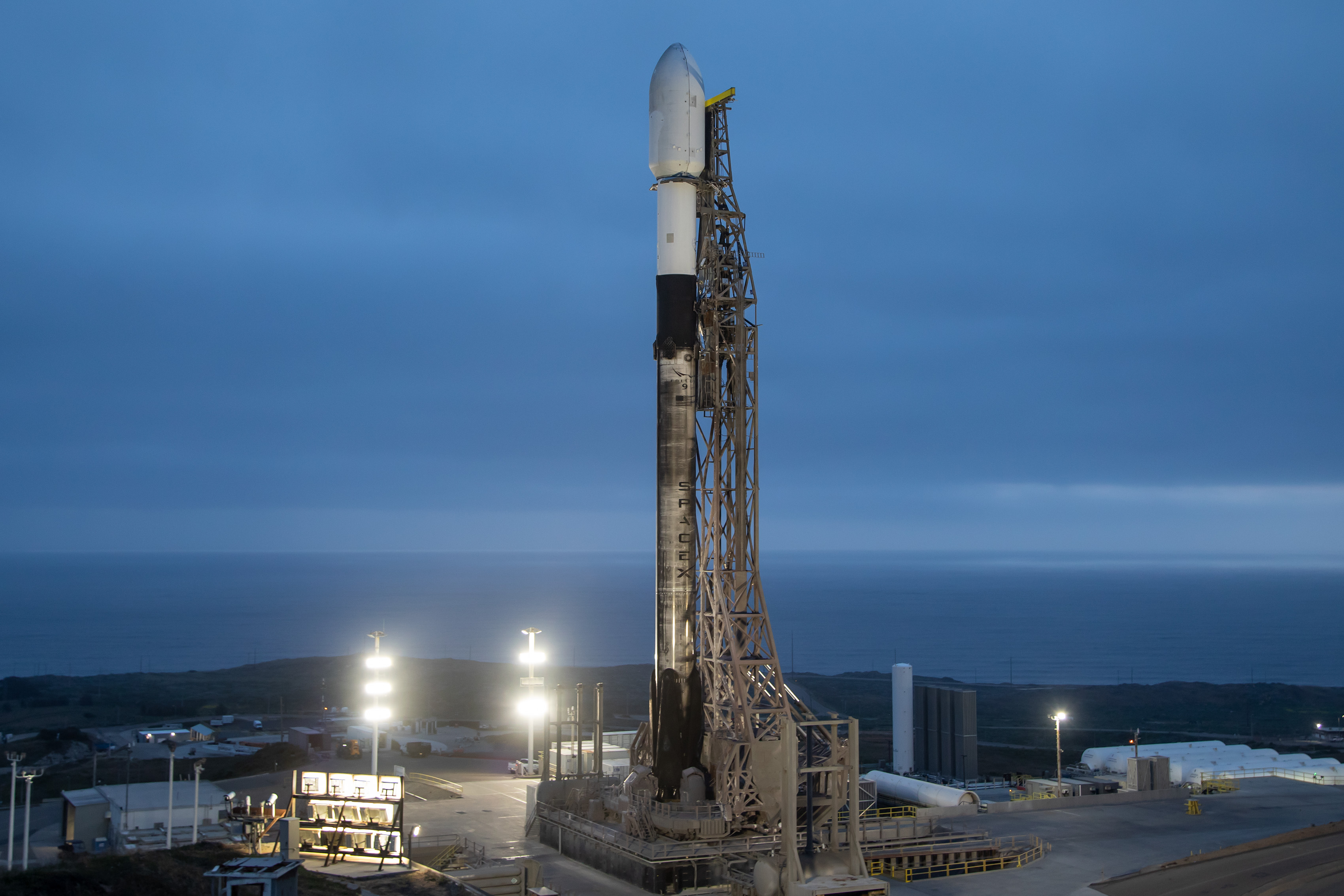
Firefly Aerospace launches return-to-flight Firefly Alpha on March 10 after Flight 6 anomaly. SpaceX also launches EchoStar 25 GEO satellite and multiple Starlink batches this week.
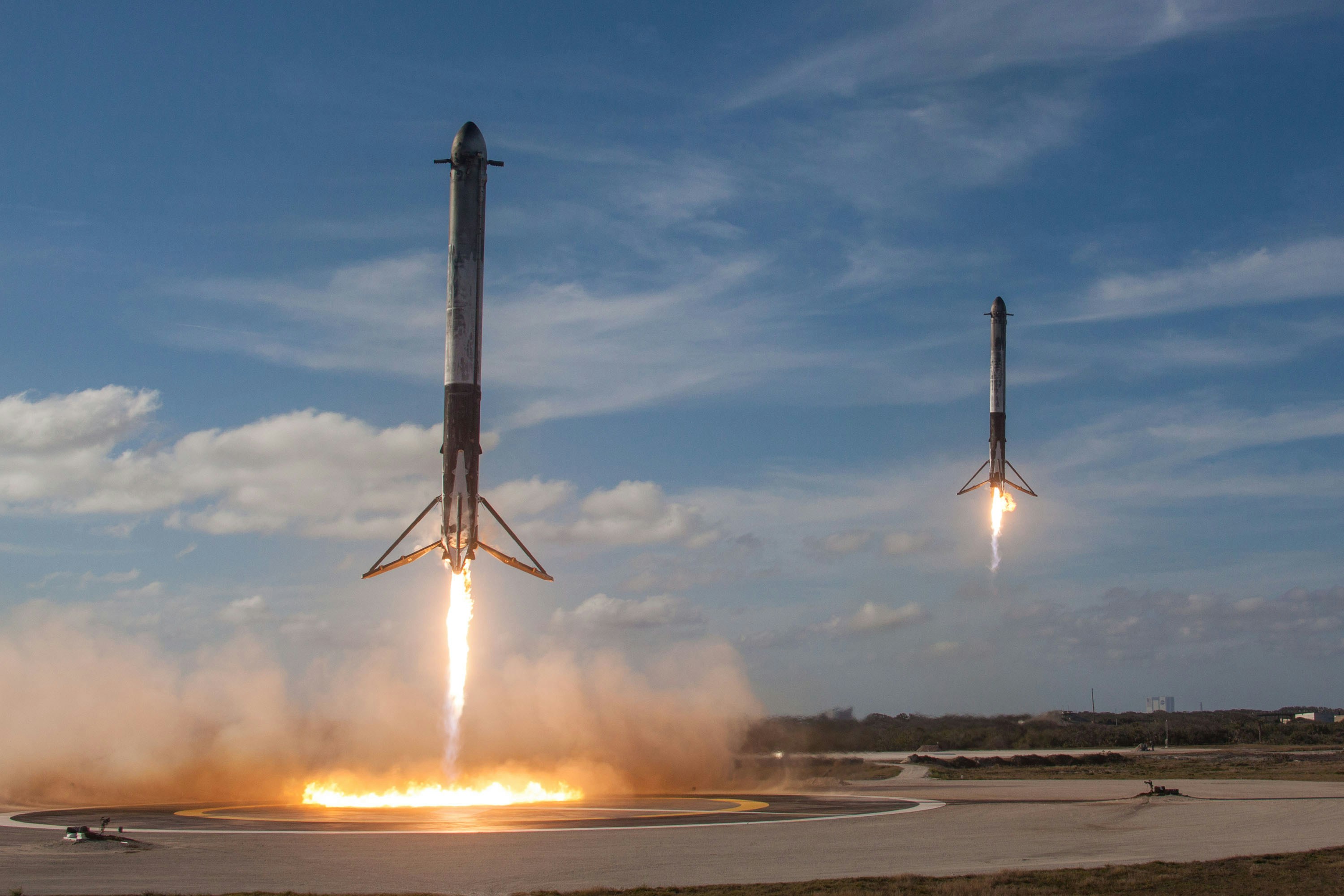
SpaceX progresses with Starship Flight 8 preparations, completes investigation into Flight 7 mishap, and prepares for upcoming launches.
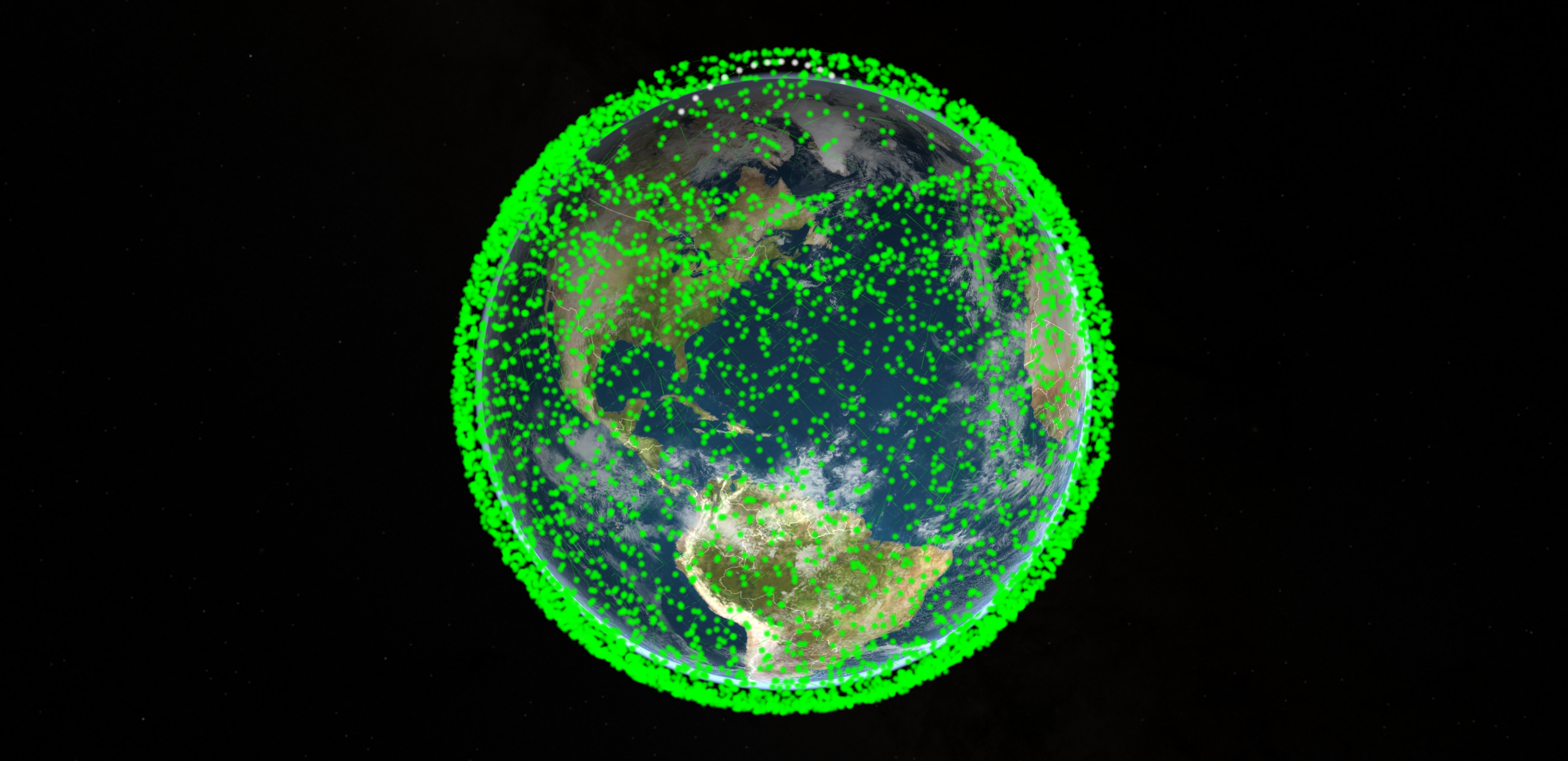
STARLINK-34343 broke apart at 560 kilometers. SpaceX's response - launch more satellites the next morning - tells you everything about the confidence gap between fleet statistics and individual failure modes.
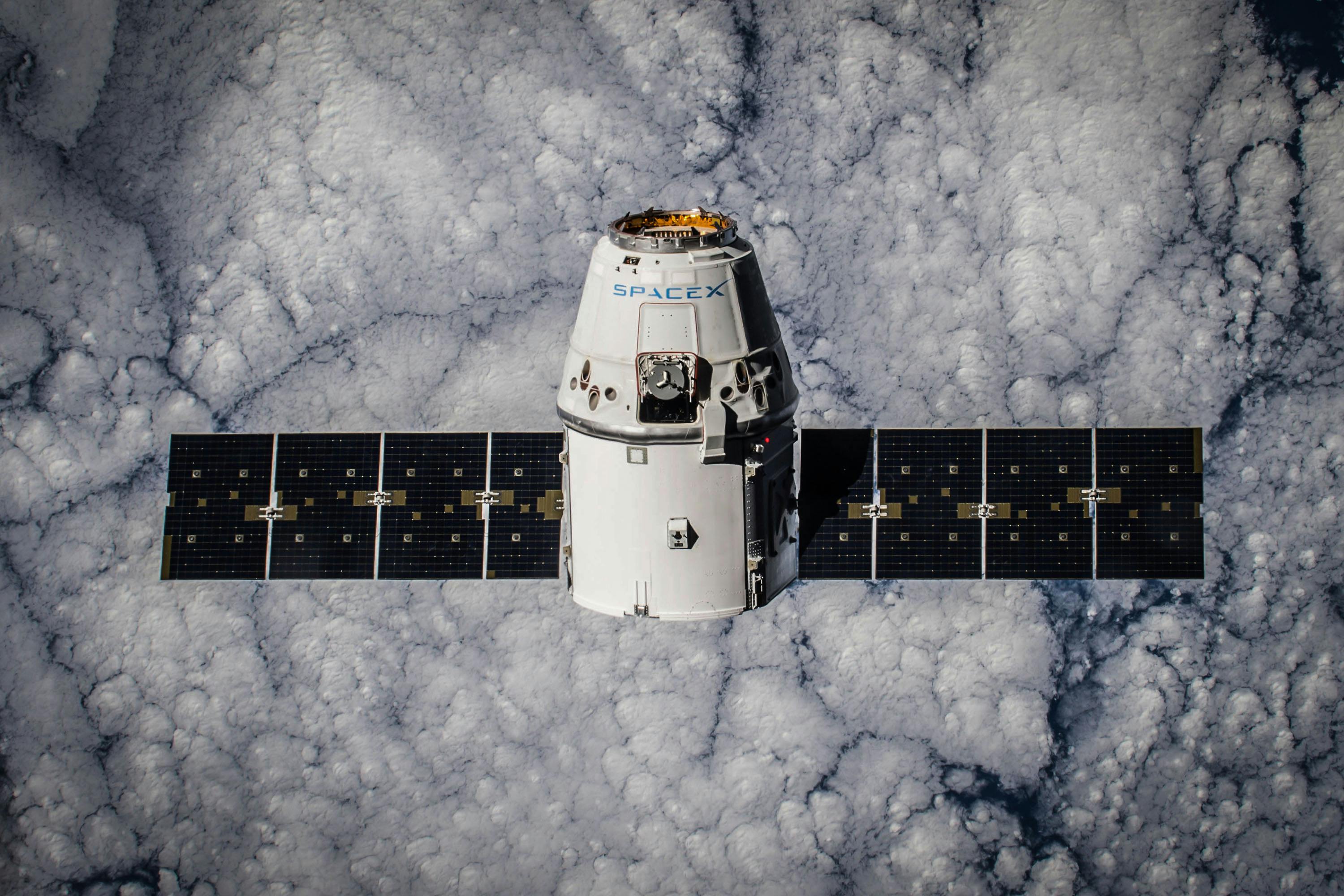
FAA approves SpaceX Starship launches from Kennedy Space Center LC-39A. FCC accepts 1-million satellite orbital data center filing. Canada ranks as 5th largest Starlink market.
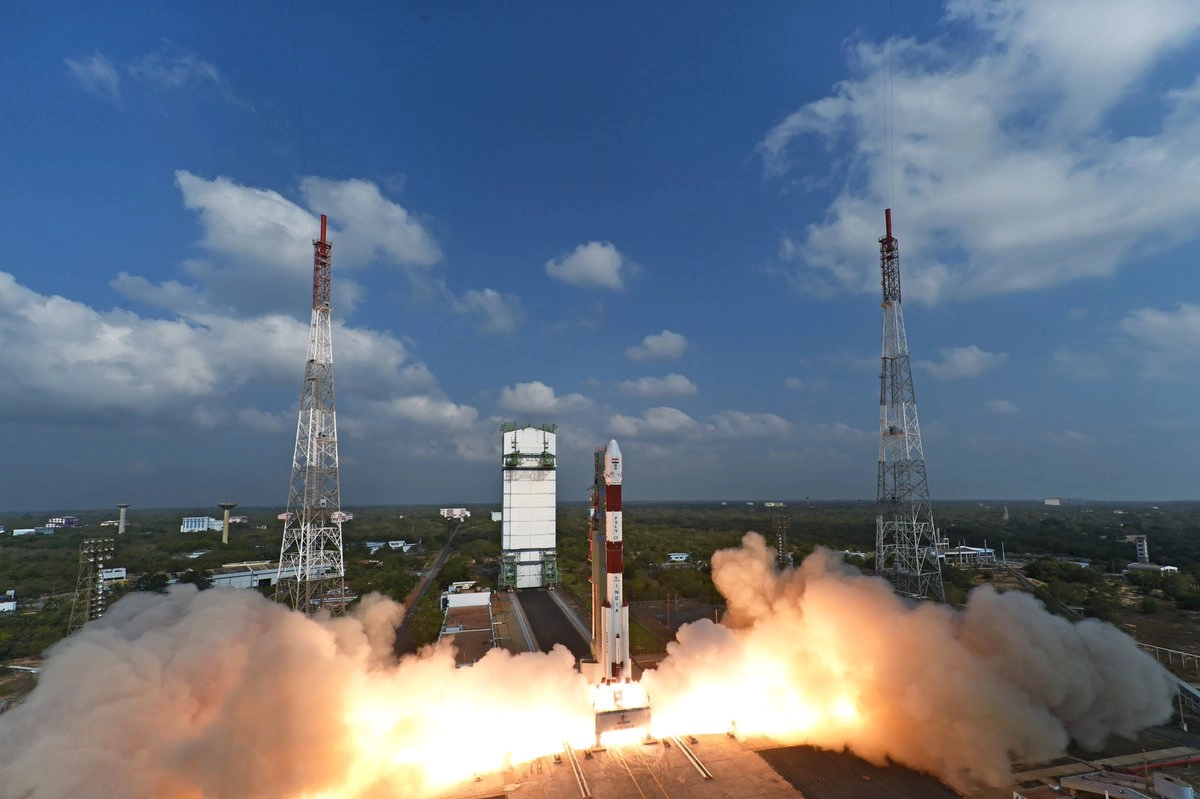
Eight years ago, a single Indian rocket launched 104 satellites into orbit, marking a pivotal moment when space tracking professionals realized the dawn of a new, congested era in orbital operations

SpaceX faces weather challenges as it scrubs the launch of its 3,000th Starlink satellite. Meanwhile, Elon Musk discusses advancing to a Type II civilization in an engaging social media post.

Today's brief highlights a significant geospatial data collaboration between Maxar and Saab, defense budget discussions affecting satellite deployments, and the naming of new military command chiefs.