STARLINK-4309 (53066)

COSPAR: 2022-077Z | Alt Name: Starlink 4309

Image
STARLINK-4309 Satellite Image
Additional Sources
Launch Details

Launch Date

July 11, 2022

Launch Site

AFWTR

Launch Pad

SLC4E

Launch Vehicle

Falcon 9

Orbital Elements

NORAD ID

53066

International Designator

2022-077Z

Epoch

Mon, 20 Jul 2026 00:50:35 GMT

Apogee

Calculating...

Perigee

Calculating...

Inclination

97.29°

Right Ascension

18.28°

Eccentricity

Calculating...

Argument of Perigee

107.78°

Period

95.64 min

Mean Motion

15.06 rev/day

Latitude

Calculating...

Longitude

Calculating...

Altitude

Calculating...

Velocity

Calculating...

Polar Plot
3D Visualization
Basic Satellite Info

Name

STARLINK-4309

Alternative Name

Starlink 4309

Type

Payload

Status

Operational

Owner

SPXS

Country

United States

Constellation

N/A

Related Satellites

Major Events

N/A

Latest TLEs
1 53066U 22077Z   26201.03513251  .00002493  00000+0  17659-3 0  9997
2 53066  97.2871  18.2841 0001520 107.7805 252.3589 15.05657322220820

Source: Celestrak

Summary
The STARLINK-4309 satellite, also known as Starlink 4309, is owned and operated by SpaceX (SPXS). Launched on July 11, 2022, from the AFWTR SLC4E launch pad using a Falcon 9 launch vehicle, this communication satellite has dimensions of approximately 0.2 meters in length, with a diameter of 2.8 meters and a span of 9 meters. It weighs 275 kilograms dry and had a launch mass of 297 kilograms. The satellite is part of the Starlink Group 3-1-24 constellation and is equipped with Ku/Ka-band payload capabilities, an optical inter-satellite link, krypton ion thrusters for propulsion, and solar arrays along with batteries for power generation. Its design includes a box-like structure with panels.

Starlink is a satellite constellation developed by SpaceX with the aim of providing global broadband internet coverage. Thousands of small satellites are deployed in low Earth orbit (LEO), enabling high-speed internet access even in remote areas. However, the rapid increase in satellites raises concerns about space debris and the potential for collisions, which can lead to further debris creation and endanger other spacecraft. Additionally, the sheer number of Starlink satellites can affect astronomical observations by increasing light pollution. Proper deorbiting plans and international coordination are essential to mitigate these challenges and ensure long-term sustainability in space.
Physical Characteristics

Length

0.2

Diameter

2.8

Span

9

Dry Mass

275

Launch Mass

297

Shape

Box + pan

Radar Cross Section

Unknown

Visual Magnitude

Unknown

Color

Unknown

Material Composition

Unknown

Technical Details

Payload

Starlink Group 3-1-24

Purpose

Communication

Mission

Communication

Manufacturer

SPXS

Life Expectancy

Unknown

Bus

Starlink

Configuration

Unknown

Motor

Krypton ion thrusters

Equipment

Ku/Ka-band payload, optical inter-satellite link

Power System

Solar arrays, batteries

ADCS

Unknown

Transmitter Frequency

Unknown

Map
This tool will help you track the satellite's position and predict its upcoming passes over your location. Simply input the coordinates or click the geolocation button to get started.
Next Pass
Azimuth Elevation Time (Local)
Start Azimuth
Max Elevation
Stop Azimuth
Time Until
Pass Duration

Satellite Articles

View All Posts »

Learn more about satellites and other related topics.

Artemis 2 Tracker - Follow Orion's Flight Path in 3D

Artemis 2 Tracker - Follow Orion's Flight Path in 3D

Follow the complete Artemis II mission in KeepTrack's 3D tracker. Replay Orion's full flight path from launch through the lunar flyby to Pacific splashdown, and scrub to any moment of the ten-day mission.
Pentagon Seeks Commercially Built GEO Spy Satellites | KeepTrack Space Brief

Pentagon Seeks Commercially Built GEO Spy Satellites | KeepTrack Space Brief

Pentagon's DIU seeks commercial partners for GEO spy satellites. SpaceX unveils space traffic management system. Bahamas rocket landings resume. GPS III falls short in modern warfare.

Pentagon Pulls the Plug on GPS OCX | The $8 Billion Ground System That Never Worked

Pentagon Pulls the Plug on GPS OCX | The $8 Billion Ground System That Never Worked

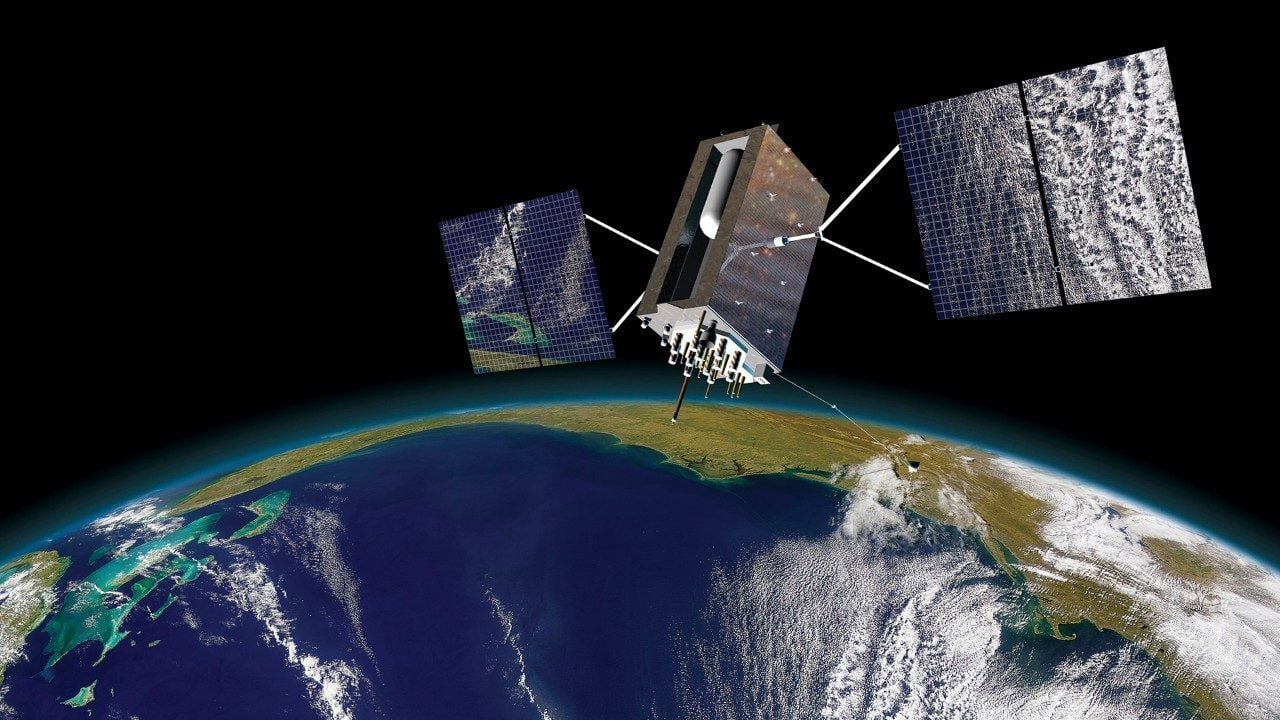
On April 17, 2026, the U.S. Space Force officially cancelled the Next Generation Operational Control System after sixteen years of development, cost overruns, and testing failures. The $8 billion program was supposed to unlock the military's encrypted GPS signal. Instead, the satellites are flying with capabilities the ground can't command.

ULA Launches 29 Amazon Kuiper Satellites; Falcon Heavy Returns | KeepTrack Space Brief

ULA Launches 29 Amazon Kuiper Satellites; Falcon Heavy Returns | KeepTrack Space Brief

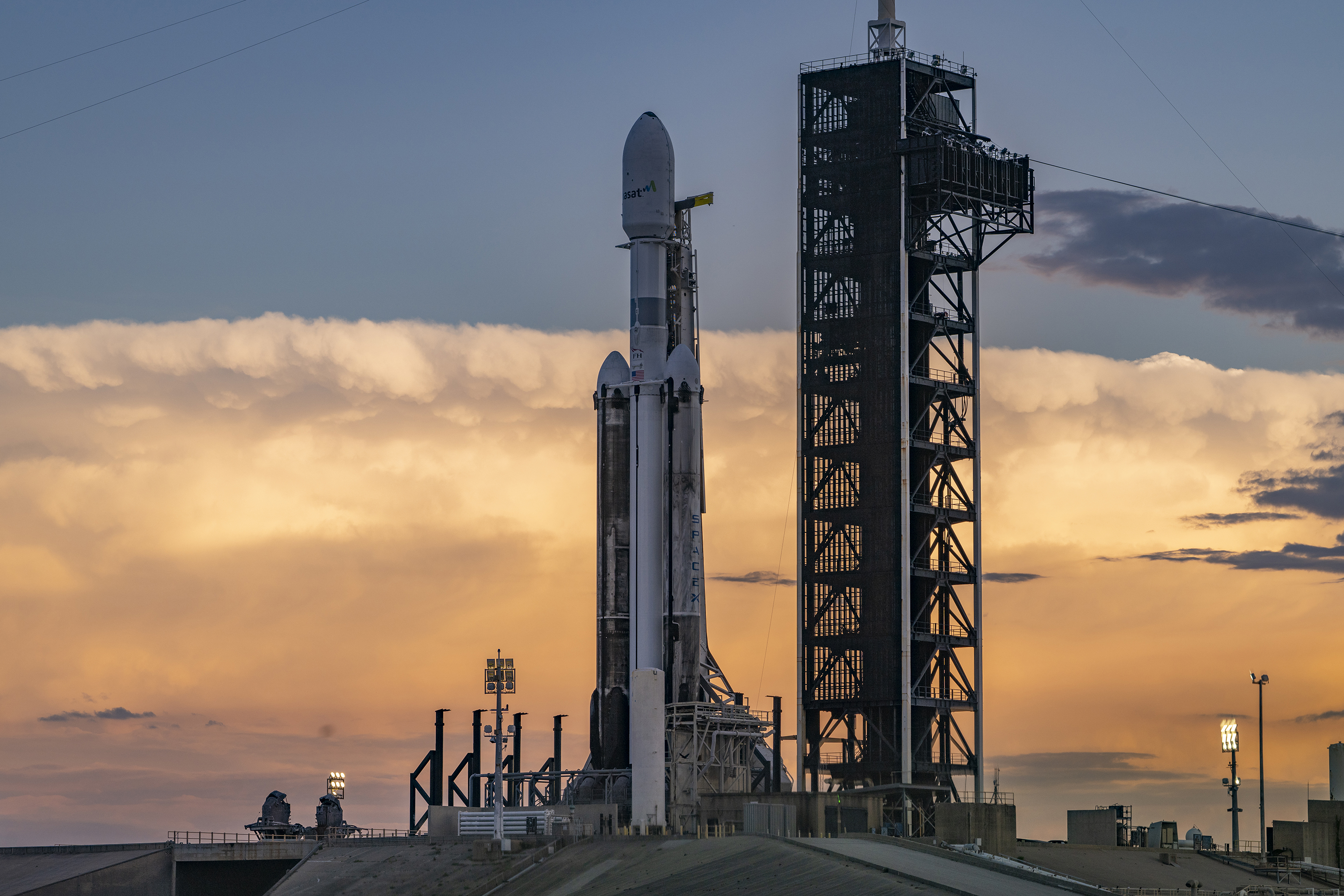
ULA's Atlas V deployed 29 Amazon Kuiper LEO satellites on April 27. Falcon Heavy returns this week with ViaSat-3 F3. Six orbital launches scheduled across three continents.

New Glenn Achieves First Booster Reuse on Mission 3 | KeepTrack Space Brief

New Glenn Achieves First Booster Reuse on Mission 3 | KeepTrack Space Brief

Blue Origin's New Glenn successfully reused its first stage booster for the first time on Mission 3, launching April 19. Booster reuse accelerates operational tempo.

Seismic Networks Now Track Space Junk, Pentagon Faces Golden Dome Cost Challenges | KeepTrack Space Brief

Seismic Networks Now Track Space Junk, Pentagon Faces Golden Dome Cost Challenges | KeepTrack Space Brief

Johns Hopkins researchers use seismic networks to track space debris in near real-time. Pentagon faces Golden Dome production scale challenges. SpaceX launches 25 Starlink sats in seventh 2026 mission.

Space Brief 11 Sep 2024

Space Brief 11 Sep 2024

A recap of notable space events including the Soyuz MS-26 launch to the ISS, Polaris Dawn's altitude achievement, and satellite tracking updates.

Iran Struck U.S. Aircraft Despite 'Maxed Out' Defense | KeepTrack Space Brief

Iran Struck U.S. Aircraft Despite 'Maxed Out' Defense | KeepTrack Space Brief

Iran successfully struck U.S. aircraft in Saudi Arabia despite maxed-out defensive posture. Space Force ISR and missile warning gaps exposed. Tracking impacts.