


X Report 21 Jun 2025
Today's report highlights the causes behind a recent Starship explosion, a significant delay in Axiom-4's launch, and the ongoing tension surrounding SpaceX's market dominance.



NORAD ID
53061
International Designator
2022-077U
Epoch
Mon, 20 Jul 2026 06:01:37 GMT
Apogee
Calculating...
Perigee
Calculating...
Inclination
97.28°
Right Ascension
18.45°
Eccentricity
Calculating...
Argument of Perigee
82.80°
Period
95.64 min
Mean Motion
15.06 rev/day
Latitude
Calculating...
Longitude
Calculating...
Altitude
Calculating...
Velocity
Calculating...
Name
STARLINK-4308
Alternative Name
Starlink 4308
Type
Status
Owner
SPXS
Country
United States
Constellation
N/A
Related Satellites
Major Events
N/A
1 53061U 22077U 26201.25112269 -.00001271 00000+0 -84229-4 0 9993
2 53061 97.2844 18.4525 0000918 82.8030 277.3302 15.05655168220858
Source: Celestrak
Length
0.2
Diameter
2.8
Span
9
Dry Mass
275
Launch Mass
297
Shape
Box + pan
Radar Cross Section
Unknown
Visual Magnitude
Unknown
Color
Unknown
Material Composition
Unknown
Payload
Starlink Group 3-1-19
Purpose
Communication
Mission
Communication
Manufacturer
SPXS
Life Expectancy
Unknown
Bus
Starlink
Configuration
Unknown
Motor
Krypton ion thrusters
Equipment
Ku/Ka-band payload, optical inter-satellite link
Power System
Solar arrays, batteries
ADCS
Unknown
Transmitter Frequency
Unknown
Learn more about satellites and other related topics.
Today's report highlights the causes behind a recent Starship explosion, a significant delay in Axiom-4's launch, and the ongoing tension surrounding SpaceX's market dominance.
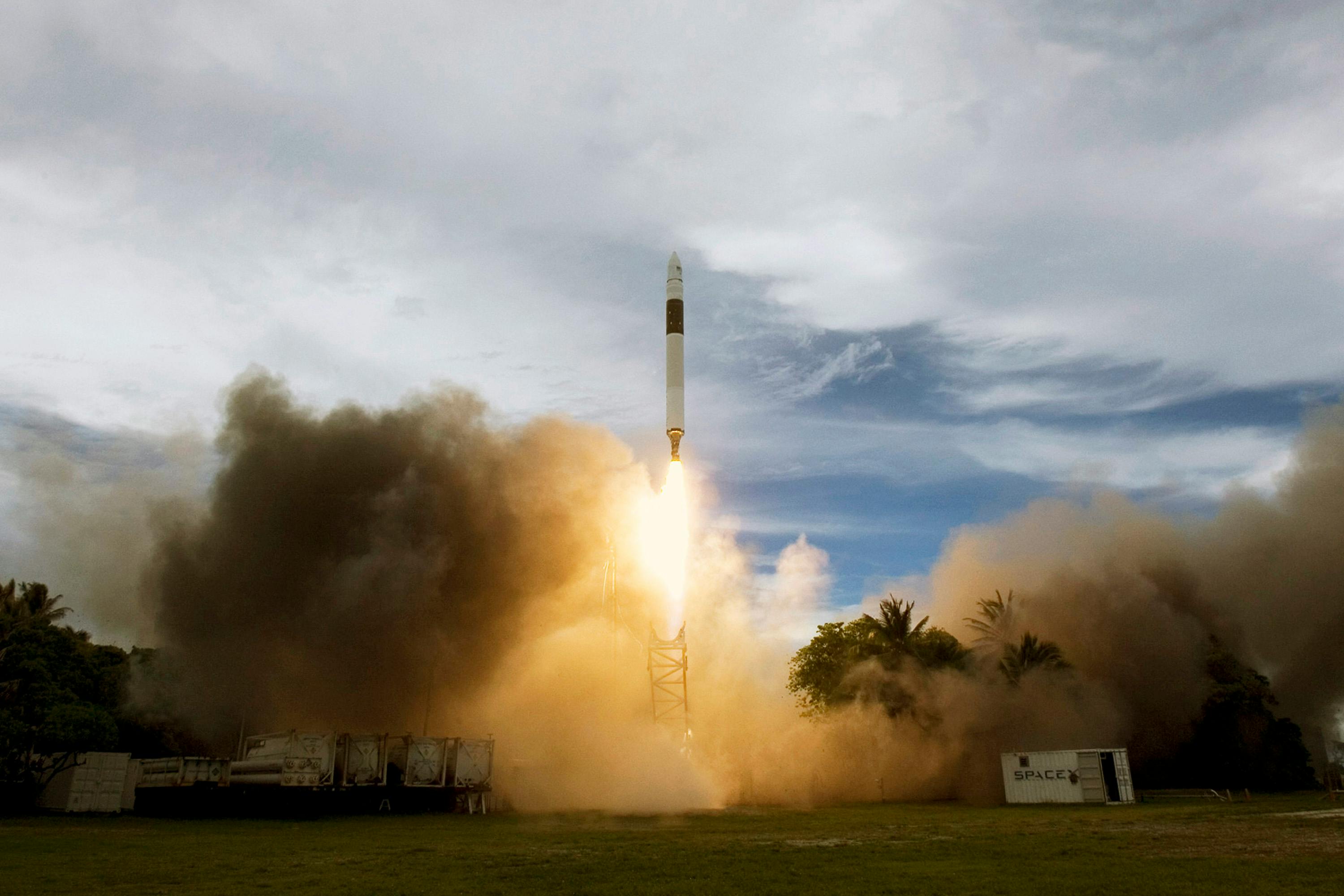
SpaceX faces a series of challenges with scrubbing the Starship Flight 8 launch and losing a Falcon 9 booster post-landing, while successfully deploying new Starlink satellites.
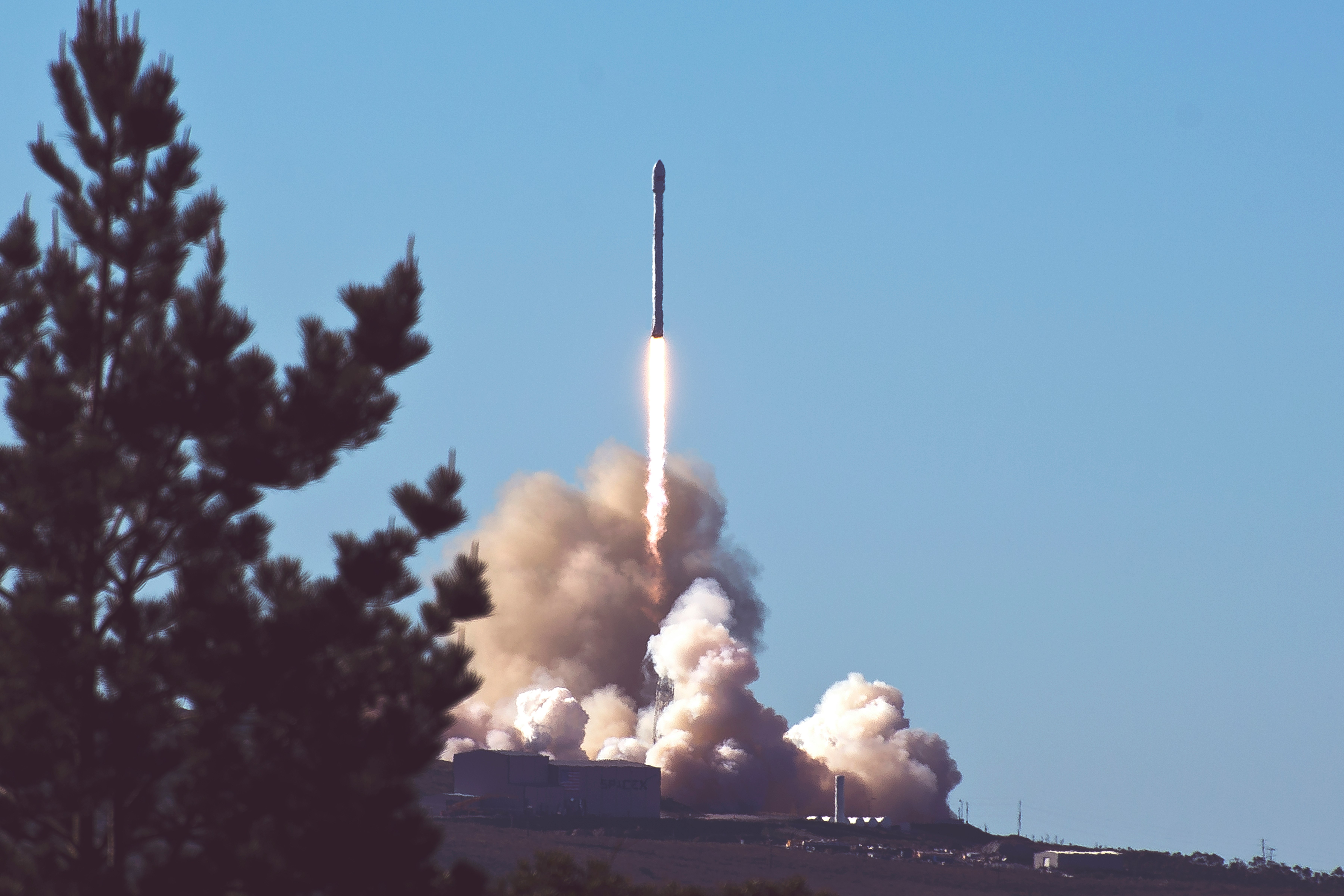
SpaceX officially names its planned AI megaconstellation Starmind while a Falcon 9 upper stage targets a lunar impact this August.
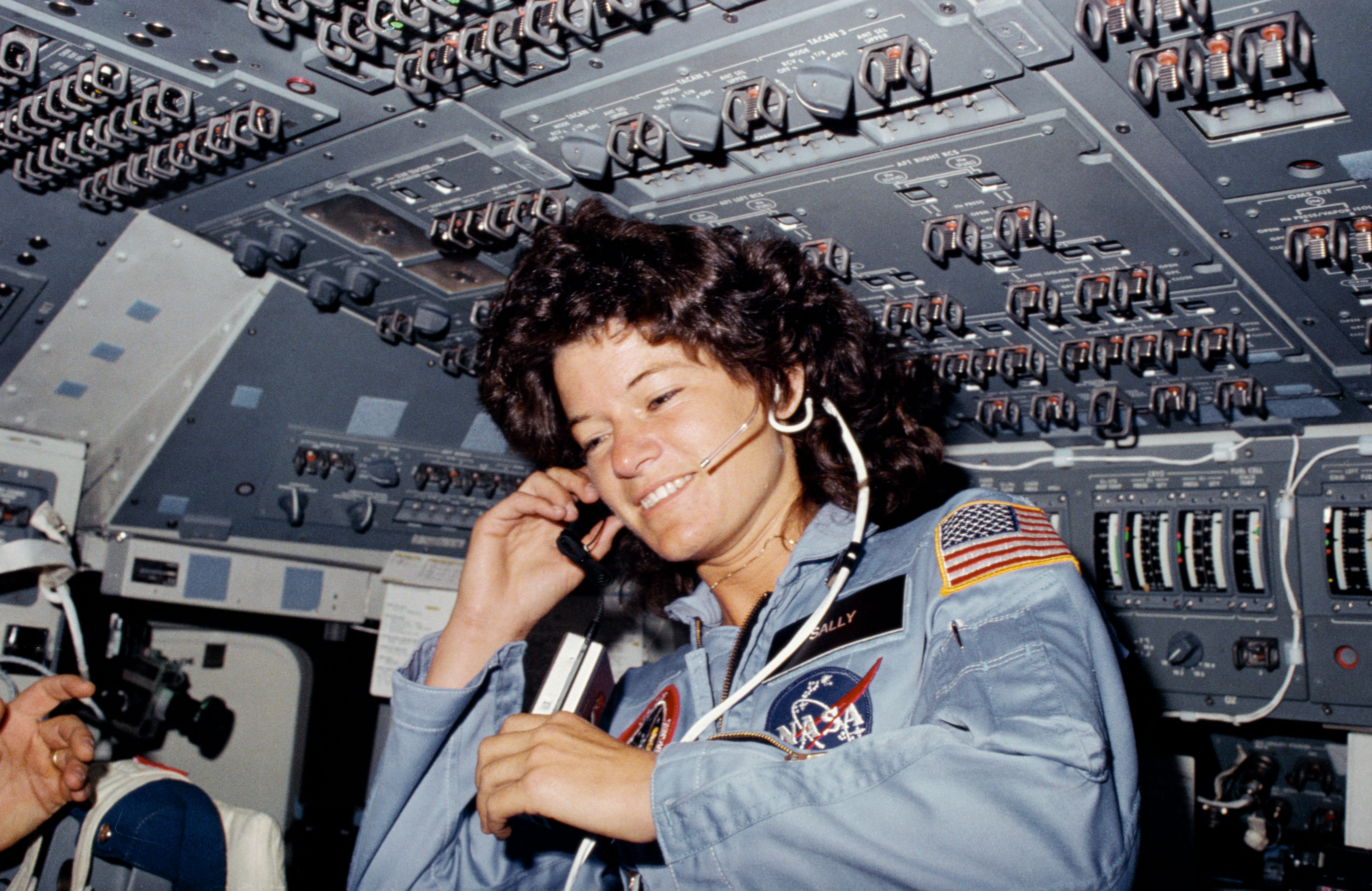
At 7:33 on the morning of 18 June 1983, a 32-year-old astrophysicist named Sally Ride rode Challenger off Pad 39A and became the first American woman in space. She got there two decades after the Soviets, and only after months of being asked whether spaceflight would damage her reproductive organs and whether she planned to cry.
The laser-based crosslinks that turn Starlink into a mesh, anchor the SDA Transport Layer, and just made their GPS debut on GPS III SV10 - quietly rewriting how data moves through space.

Space Force urgently rebuilds contracting workforce after civilian reductions. Pentagon defense strategy shifts focus to homeland defense. Tom Ainsworth named top Air Force space acquisition officer.

Today's focus: Sidus Space's new AI edge computer, Space Force's dynamic operations initiative, and key Pentagon acquisition reforms.
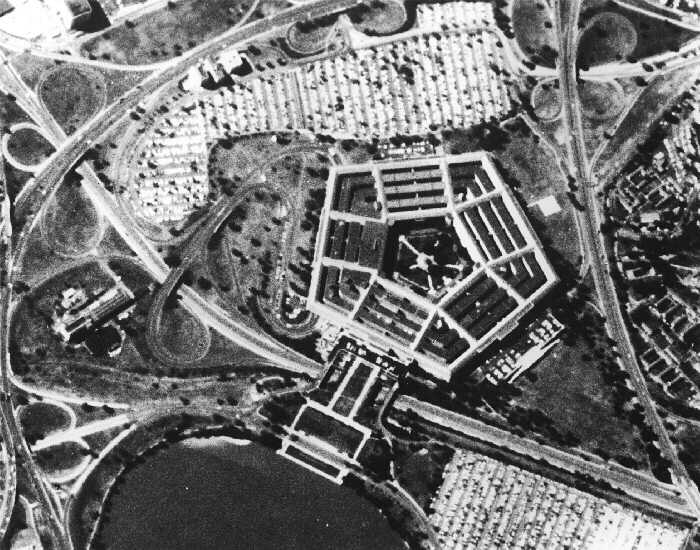
Sixty-three years ago, a Thor-Agena rocket launched the first dual-camera reconnaissance satellite, revolutionizing space-based intelligence while hiding behind the final use of a famous cover name