



Space Brief 8 Jul 2025
Today's highlights include the cancellation of Starship landing plans, Planet Labs' defense expansion, and cutting-edge radiation-hardened tech for space and defense.



Launch Date
July 7, 2022
Launch Site
Launch Pad
LC40
Launch Vehicle
NORAD ID
53035
International Designator
2022-076BB
Epoch
Mon, 20 Jul 2026 00:45:24 GMT
Apogee
Calculating...
Perigee
Calculating...
Inclination
53.16°
Right Ascension
199.72°
Eccentricity
Calculating...
Argument of Perigee
92.62°
Period
95.44 min
Mean Motion
15.09 rev/day
Latitude
Calculating...
Longitude
Calculating...
Altitude
Calculating...
Velocity
Calculating...
Name
STARLINK-4157
Alternative Name
Starlink 4157
Type
Status
Owner
SPXS
Country
United States
Constellation
N/A
Related Satellites
Major Events
N/A
1 53035U 22076BB 26201.03153197 -.00000171 00000+0 73745-5 0 9993
2 53035 53.1608 199.7205 0001032 92.6212 267.4898 15.08828867223107
Source: Celestrak
Length
0.2
Diameter
2.8
Span
9
Dry Mass
275
Launch Mass
297
Shape
Box + pan
Radar Cross Section
Unknown
Visual Magnitude
Unknown
Color
Unknown
Material Composition
Unknown
Payload
Starlink Group 4-21-50
Purpose
Communication
Mission
Communication
Manufacturer
SPXS
Life Expectancy
Unknown
Bus
Starlink
Configuration
Unknown
Motor
Krypton ion thrusters
Equipment
Ku/Ka-band payload, optical inter-satellite link
Power System
Solar arrays, batteries
ADCS
Unknown
Transmitter Frequency
Unknown
Learn more about satellites and other related topics.
Today's highlights include the cancellation of Starship landing plans, Planet Labs' defense expansion, and cutting-edge radiation-hardened tech for space and defense.
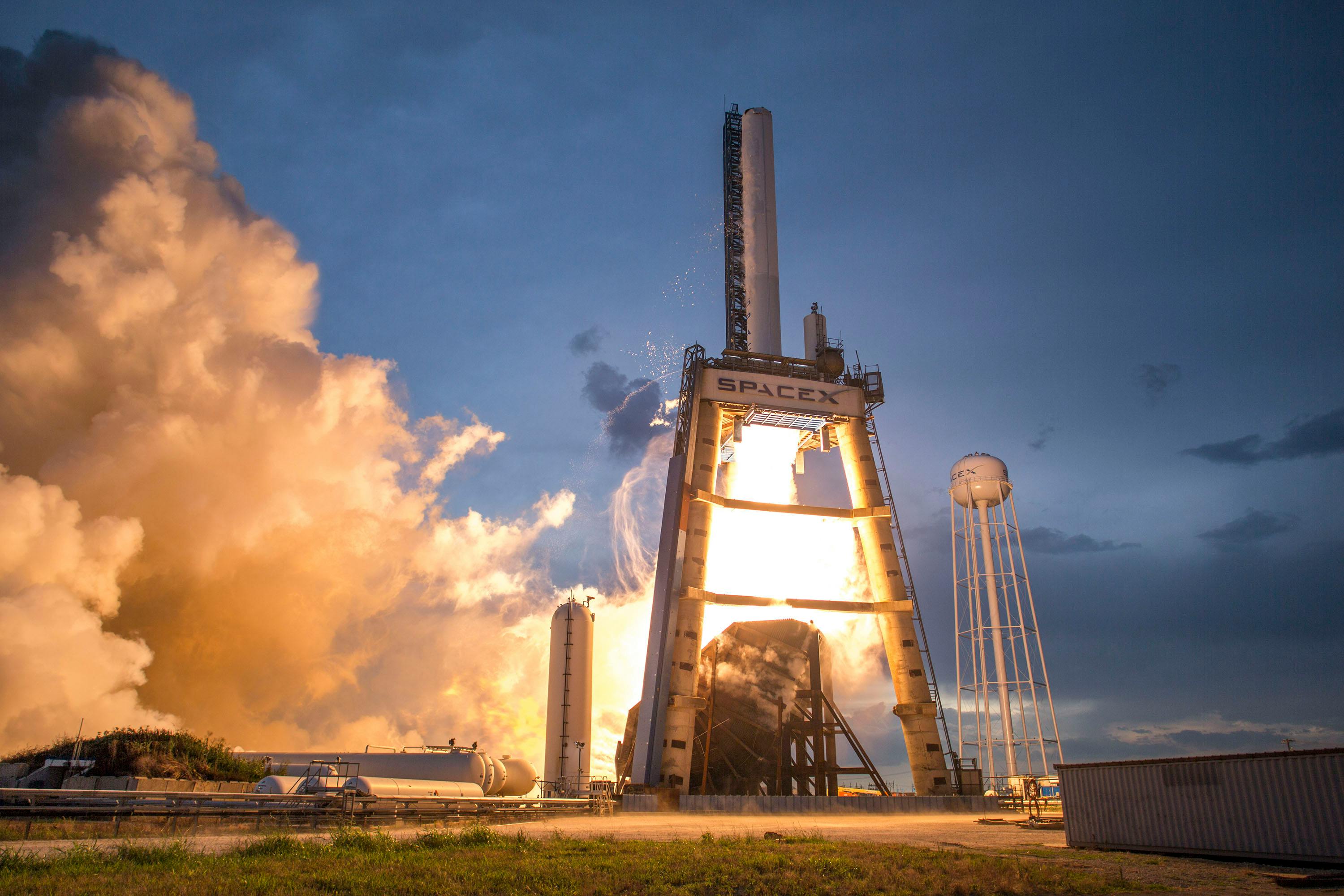
SpaceX to launch GPS III SV09 satellite for Space Force at 11:38 p.m. EST from Cape Canaveral. Musk confirms Starship V3 with Raptor V3 engines targets mid-March first flight.
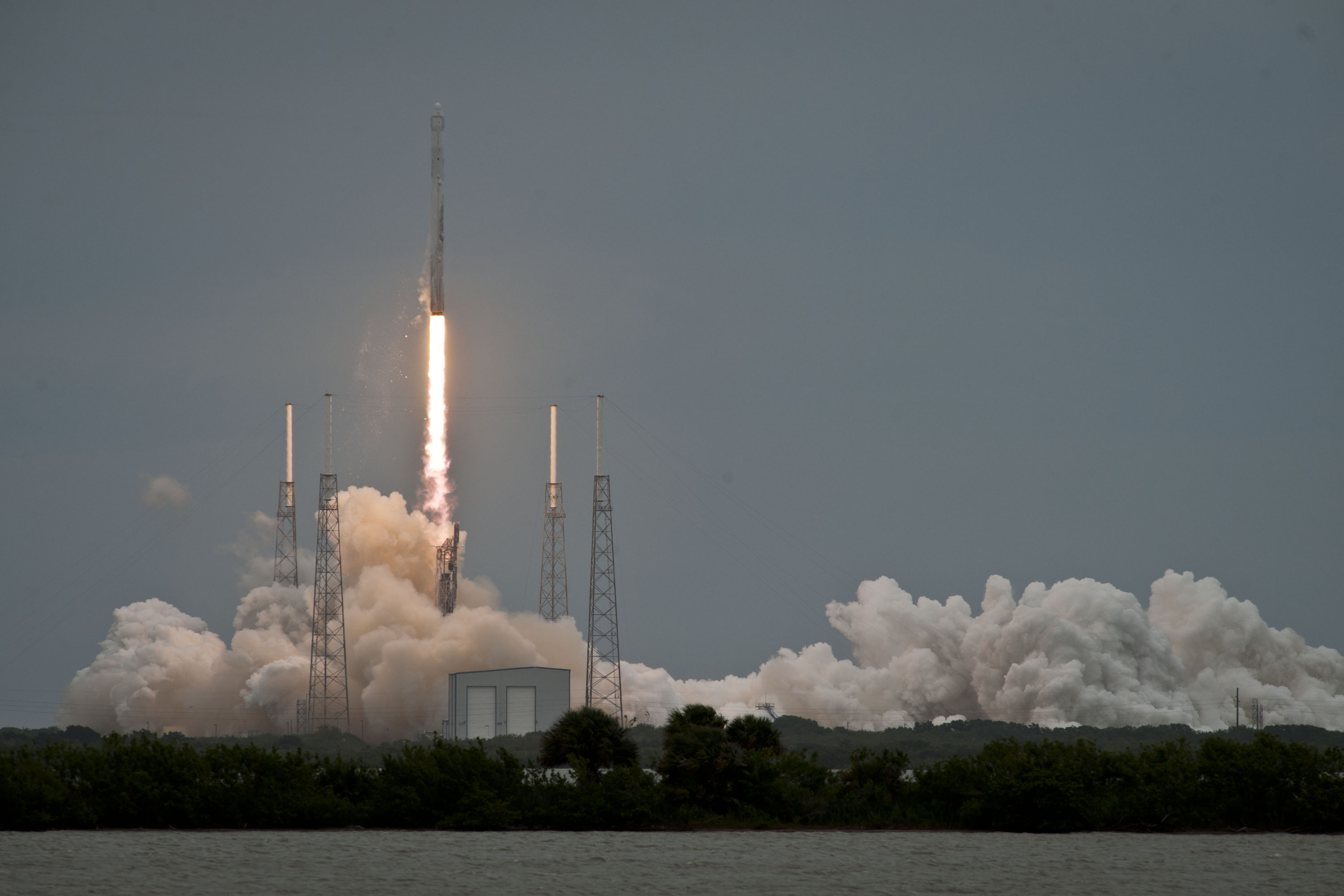
On April 18, 2014, a Falcon 9 first stage did something no orbital rocket had ever done before. It fired its engines on the way down, steered itself through the atmosphere using grid fins that did not yet exist, and touched the Atlantic Ocean softly enough to survive the impact. Nobody recovered it. The data was the whole point.

Today's space brief covers NASA's shift to private companies for astronaut rescue, EU's potential collaboration with SES for satellite services, and notable military contract allocations. Plus, a satellite spotlight on LEMUR-2-KADI.

Today's edition covers SpaceX scrubbing and successfully launching Starlink satellites, AI innovations in spacecraft propulsion, and the impact of SPHERE's debris disk survey in discovering hidden asteroid belts.
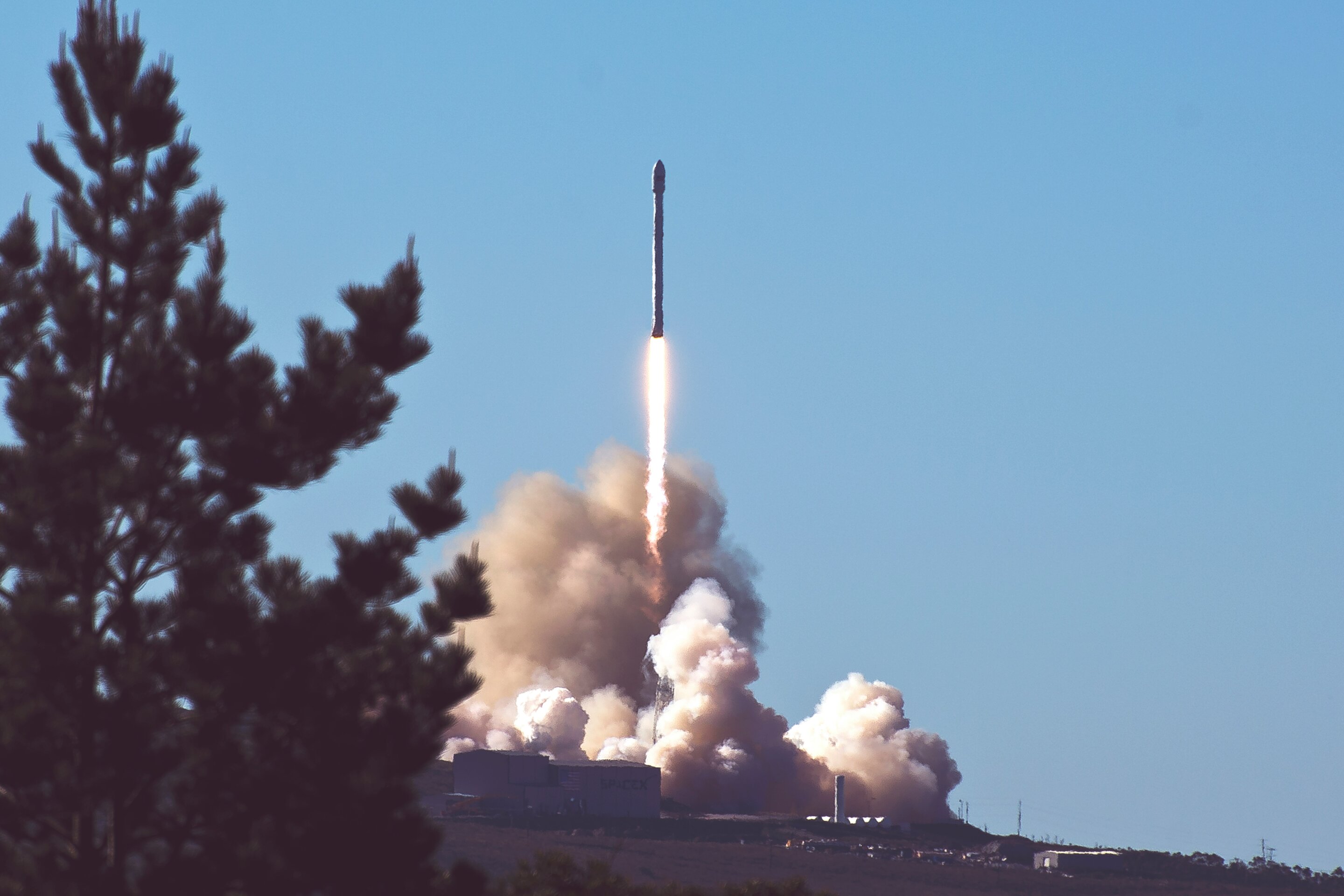
An exciting day in space with potential maneuver revelations from the X-37B, SpaceX's resumption of Falcon 9 launches, and significant advancements in lunar exploration tied to new U.S. spacesuits.

China's iSpace secures record $729M for reusable rocket development. SpaceX launches Crew-12 and lands booster at new LZ-40 pad. Startup bets on space-based missile defense.
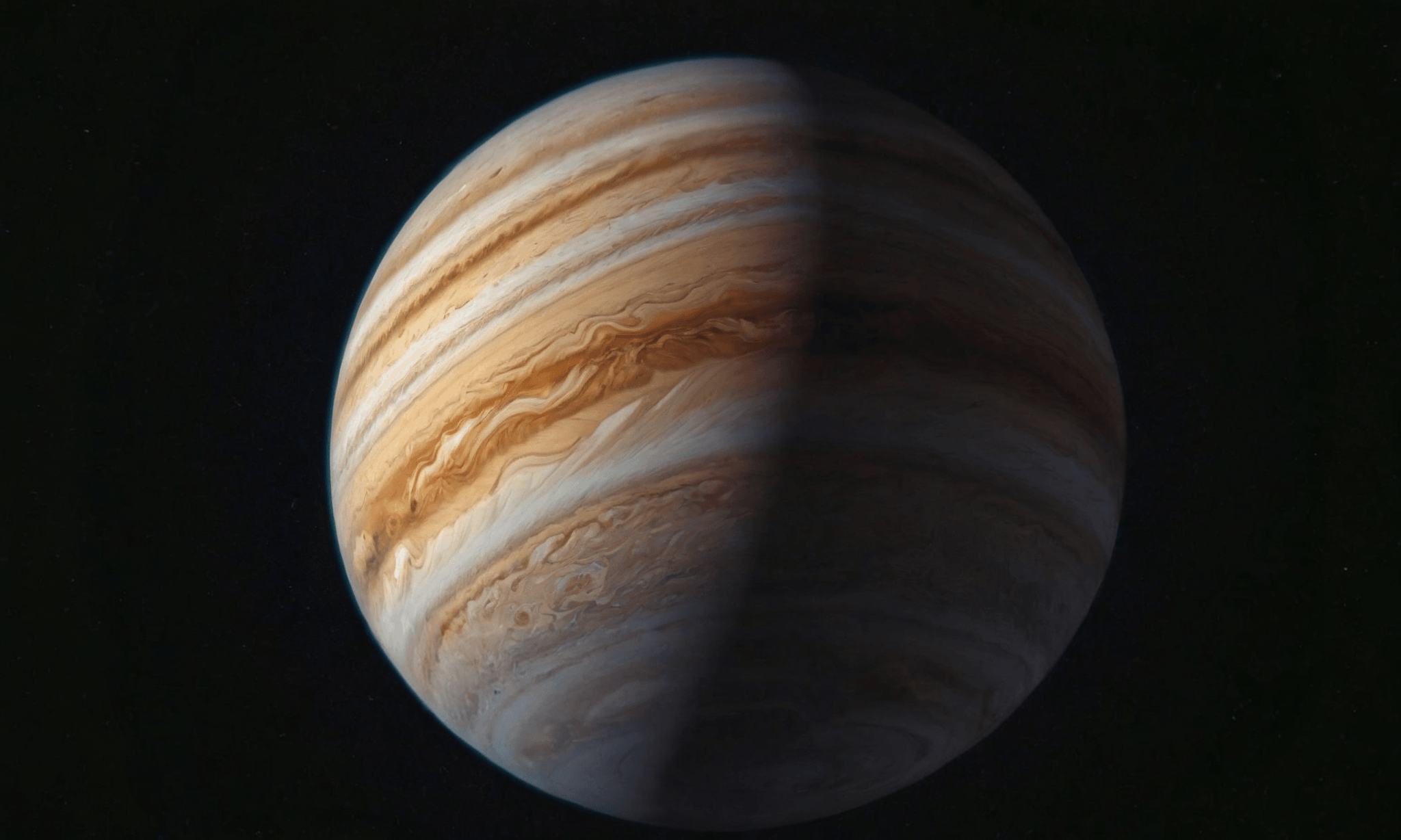
Today’s Space Brief covers a rescued lunar orbiter, a thorough pre-launch check for a Jupiter-bound mission, and leadership changes in a satellite communication company. We also spotlight a recently launched CubeSat and an innovative act of deorbiting.