STARLINK-4177 (53013)

COSPAR: 2022-076AD | Alt Name: Starlink 4177

Image
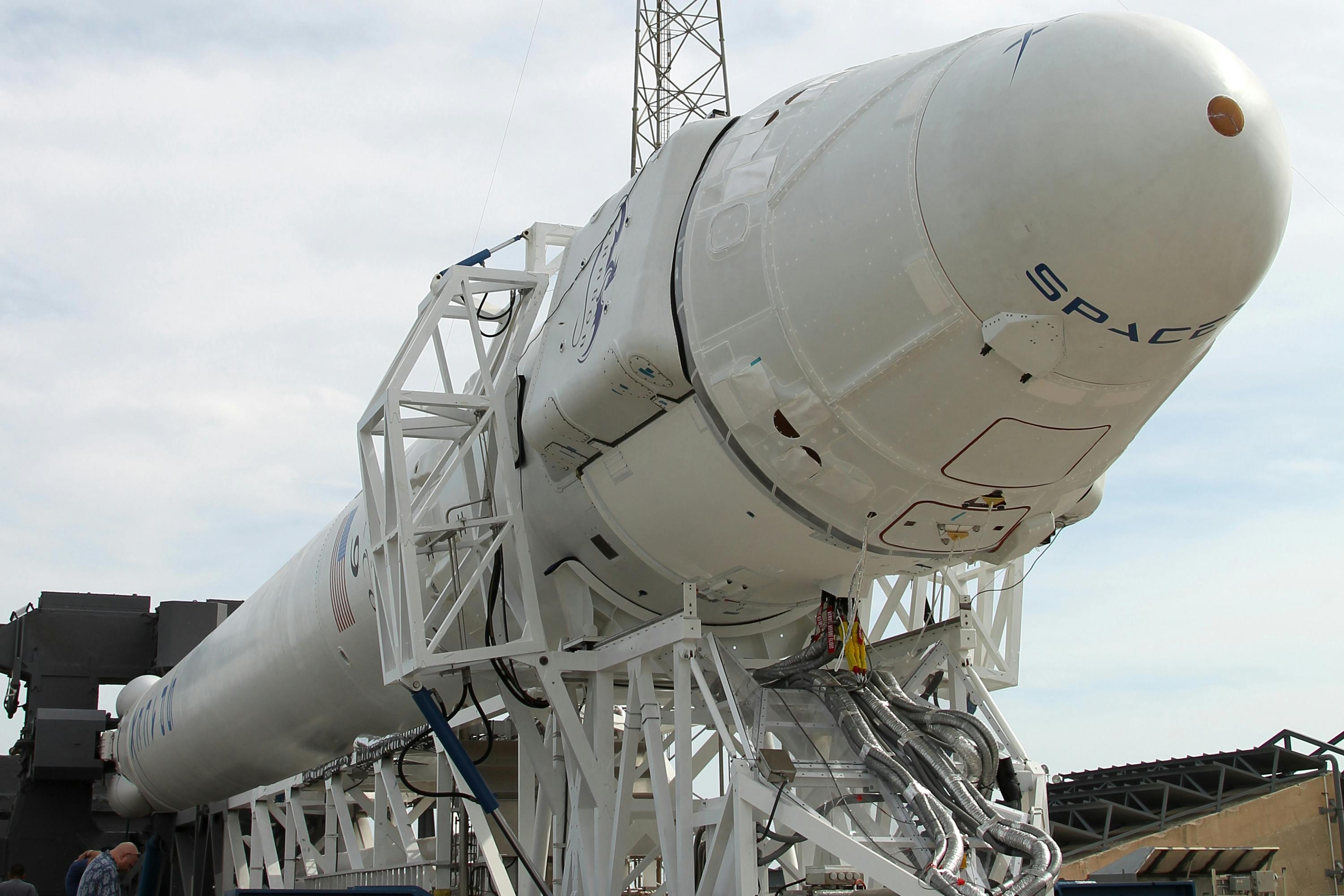
STARLINK-4177 Satellite Image
Additional Sources
Launch Details

Launch Date

July 7, 2022

Launch Pad

LC40

Launch Vehicle

Falcon 9

Orbital Elements

NORAD ID

53013

International Designator

2022-076AD

Epoch

Sun, 19 Jul 2026 20:00:01 GMT

Apogee

Calculating...

Perigee

Calculating...

Inclination

53.16°

Right Ascension

207.39°

Eccentricity

Calculating...

Argument of Perigee

83.47°

Period

93.79 min

Mean Motion

15.35 rev/day

Latitude

Calculating...

Longitude

Calculating...

Altitude

Calculating...

Velocity

Calculating...

Polar Plot
3D Visualization
Basic Satellite Info

Name

STARLINK-4177

Alternative Name

Starlink 4177

Type

Payload

Status

Operational

Owner

SPXS

Country

United States

Constellation

N/A

Related Satellites

Major Events

N/A

Latest TLEs
1 53013U 22076AD  26200.83335647  .00033032  00000+0  95421-3 0  9992
2 53013  53.1609 207.3861 0001299  83.4732  85.8377 15.35382922  5703

Source: Celestrak

Summary
The STARLINK-4177 satellite, also known as Starlink 4177, is a communication satellite operated by SpaceX (SPXS). It was launched on July 7, 2022, from the Cape Canaveral Space Force Station Launch Complex 40 using a Falcon 9 launch vehicle. The satellite has dimensions of approximately 0.2 meters in length and 2.8 meters in diameter with a span of 9 meters due to its deployable components like solar arrays or antennas. Its dry mass is 275 kilograms, and it weighs 297 kilograms at launch. Equipped with Ku/Ka-band payload for communication and optical inter-satellite link for data transfer, the satellite also uses krypton ion thrusters as propulsion motors. Power is provided by solar arrays and batteries. The satellite's purpose is to provide communication services as part of SpaceX's Starlink Group 4-21-28 constellation.

Starlink is a satellite constellation developed by SpaceX with the aim of providing global broadband internet coverage. Thousands of small satellites are deployed in low Earth orbit (LEO), enabling high-speed internet access even in remote areas. However, the rapid increase in satellites raises concerns about space debris and the potential for collisions, which can lead to further debris creation and endanger other spacecraft. Additionally, the sheer number of Starlink satellites can affect astronomical observations by increasing light pollution. Proper deorbiting plans and international coordination are essential to mitigate these challenges and ensure long-term sustainability in space.
Physical Characteristics

Length

0.2

Diameter

2.8

Span

9

Dry Mass

275

Launch Mass

297

Shape

Box + pan

Radar Cross Section

Unknown

Visual Magnitude

Unknown

Color

Unknown

Material Composition

Unknown

Technical Details

Payload

Starlink Group 4-21-28

Purpose

Communication

Mission

Communication

Manufacturer

SPXS

Life Expectancy

Unknown

Bus

Starlink

Configuration

Unknown

Motor

Krypton ion thrusters

Equipment

Ku/Ka-band payload, optical inter-satellite link

Power System

Solar arrays, batteries

ADCS

Unknown

Transmitter Frequency

Unknown

Map
This tool will help you track the satellite's position and predict its upcoming passes over your location. Simply input the coordinates or click the geolocation button to get started.
Next Pass
Azimuth Elevation Time (Local)
Start Azimuth
Max Elevation
Stop Azimuth
Time Until
Pass Duration

Satellite Articles

View All Posts »

Learn more about satellites and other related topics.

The Day Soviet Women Reached for the Stars

The Day Soviet Women Reached for the Stars

Sixty-three years ago, the Soviet Union selected the world's first female cosmonaut training group, launching a new era in human spaceflight that would transform our understanding of gender equality in space exploration
Space Brief 30 Aug 2024

Space Brief 30 Aug 2024

Today's highlights include General Dynamics' contract extension with SDA, ABL Space Systems layoffs, NASA's Crew-9 mission adjustments, and Galactic Energy's successful satellite launch.

X Report 17 May 2025

X Report 17 May 2025

SpaceX gains regulatory approval for a new Starship test flight, further expands its role in U.S. defense, and successfully launches 26 additional Starlink satellites. United Airlines also rolls out Starlink Wi-Fi on its flights.

Today in Space History 2025

Today in Space History 2025

From Apollo's darkest days to humanity's first transmission from Venus, we spent 2025 remembering the missions that made modern spaceflight possible. Here's what we covered - and why we're committed to keeping this series going.

X Report 27 Sep 2025

X Report 27 Sep 2025

SpaceX continues to make strides in both its Starship program and Starlink satellite deployments, with a successful launch of 24 Starlink satellites and preparations for upcoming missions.

X Report 11 Mar 2025

X Report 11 Mar 2025

A week of highs and lows for SpaceX, including weather-related delays and a return to Falcon launches.

Starlink Satellite Count Hits 10,191, X Report 14 Apr 2026

Starlink Satellite Count Hits 10,191, X Report 14 Apr 2026

Starlink satellite count April 2026: 10,191 working of 10,209 in orbit. SpaceX flew its 1,000th Starlink of 2026 on April 14, adding 29 more sats.

X Report 18 Jun 2025

X Report 18 Jun 2025

SpaceX successfully launched 28 Starlink satellites while preparing for the upcoming Ax-4 mission to the ISS. Significant progress continues in their ongoing space endeavors.