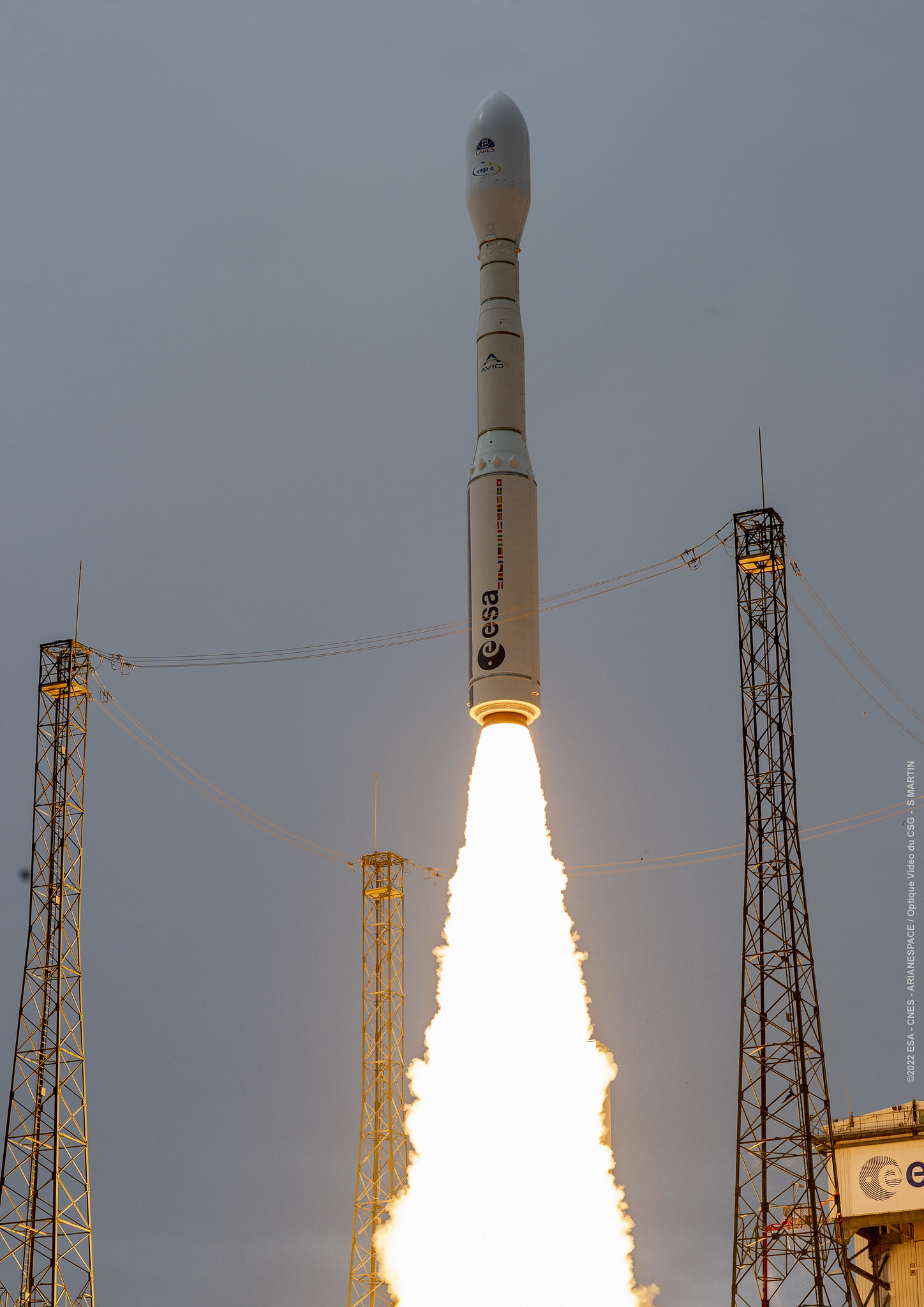
SL-4 R/B (05290)

COSPAR: 1971-055B | Alt Name: Voskhod (N155) Blok-I
DECAYED

Image
SL-4 R/B Satellite Image
Additional Sources
Launch Details

Launch Date

June 11, 1971

Launch Site

PLMSC

Launch Pad

LC43/4

Launch Vehicle

Voskhod 11A57

Orbital Elements

NORAD ID

05290

International Designator

1971-055B

Decay Date

6/20/1971

Basic Satellite Info

Name

SL-4 R/B

Alternative Name

Voskhod (N155) Blok-I

Type

Rocket Body

Status

Space Junk

Owner

RVSN

Country

USSR

Constellation

N/A

Related Satellites

Major Events

N/A

Summary
A rocket body, also commonly referred to as an upper stage or spent rocket stage, is the structural shell left behind after a rocket has delivered its payload to orbit. These large and often heavy pieces of space hardware can remain in orbit for years, posing significant collision hazards as part of the growing space debris problem. If left uncontrolled, rocket bodies have the potential to reenter Earth's atmosphere unpredictably, which can lead to falling debris in populated areas. Additionally, they risk colliding with operational satellites or the International Space Station, creating more debris and putting human life at risk.
Physical Characteristics

Length

6.7

Diameter

2.7

Span

6.7

Dry Mass

2350

Launch Mass

2350

Shape

Cyl

Radar Cross Section

Unknown

Visual Magnitude

Unknown

Color

Unknown

Material Composition

Unknown

Technical Details

Payload

11A57I

Purpose

Unknown

Mission

Unknown

Manufacturer

PROG

Life Expectancy

Unknown

Bus

Blok-I

Configuration

Unknown

Motor

Unknown

Equipment

Unknown

Power System

Unknown

ADCS

Unknown

Transmitter Frequency

Unknown

Satellite Articles

View All Posts »

Learn more about satellites and other related topics.

SpaceX Preps First February Starlink Launch, Orbital Data Centers Gain Traction | KeepTrack X Report

SpaceX Preps First February Starlink Launch, Orbital Data Centers Gain Traction | KeepTrack X Report

SpaceX readies Starlink 17-32 launch of 25 satellites from Vandenberg. Orbital data center economics draw attention from Musk and Bezos. 9,614 Starlink sats on orbit.

Van Allen Probe A Reenters After 14 Years; NASA Designates Starliner Type A Mishap | KeepTrack Space Brief

Van Allen Probe A Reenters After 14 Years; NASA Designates Starliner Type A Mishap | KeepTrack Space Brief

NASA's 590 kg Van Allen Probe A reentered March 10 after 14 years studying Earth's radiation belts. Meanwhile, Boeing Starliner classified as Type A mishap after leaving astronauts stranded on ISS.

Falcon 9 Launches 25 Starlink Satellites After Weather Delays | KeepTrack X Report

Falcon 9 Launches 25 Starlink Satellites After Weather Delays | KeepTrack X Report

SpaceX launches 25 Starlink satellites from Vandenberg after multiple weather delays. 20th Falcon 9 mission of 2026 features second-ever booster landing near The Bahamas.

GPS III SV10 | The Last of Its Kind, and the First of What Comes Next

GPS III SV10 | The Last of Its Kind, and the First of What Comes Next

On April 21, 2026, the tenth and final GPS Block III satellite reached medium Earth orbit aboard a SpaceX Falcon 9. Named for Hedy Lamarr, the actress whose 1942 frequency-hopping patent underpins modern GPS, SV10 closes a procurement that took eight years to deliver hardware and opens the optical-crosslink era that will define the constellation's next decade.

The Day That Humans Discovered Rocket Fuel

The Day That Humans Discovered Rocket Fuel

On February 2, 1909, Robert Goddard made a revolutionary breakthrough in his notebook: liquid oxygen and liquid hydrogen could achieve 50% efficiency in converting heat energy to kinetic energy for rocket propulsion

Space Brief 13 Jul 2025

Space Brief 13 Jul 2025

Today's Space Brief covers key topics including new defense mandates for space, Firefly Aerospace's public filing, major funding for Varda Space Industries, and updates on SpaceX's Crew-11 mission and a mystery satellite launch.

JSC Vimpel

JSC Vimpel

An analysis of Russia's independent space tracking system and how it compares to the established U.S. Space Surveillance Network

Pentagon Pulls the Plug on GPS OCX | The $8 Billion Ground System That Never Worked

Pentagon Pulls the Plug on GPS OCX | The $8 Billion Ground System That Never Worked

On April 17, 2026, the U.S. Space Force officially cancelled the Next Generation Operational Control System after sixteen years of development, cost overruns, and testing failures. The $8 billion program was supposed to unlock the military's encrypted GPS signal. Instead, the satellites are flying with capabilities the ground can't command.