USA 331 (52892)

COSPAR: 2022-064E | Alt Name: USA 331
DECAYED

Image
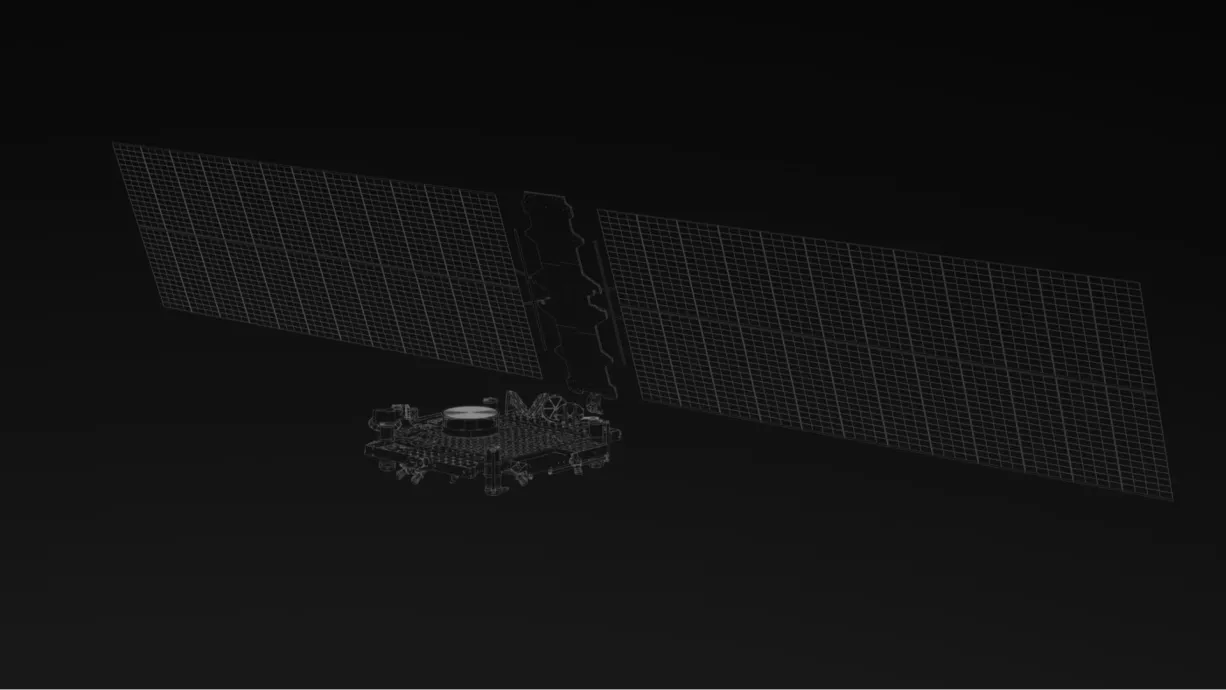
USA 331 Satellite Image
Additional Sources
Launch Details

Launch Date

June 19, 2022

Launch Pad

LC40

Launch Vehicle

Falcon 9

Orbital Elements

NORAD ID

52892

International Designator

2022-064E

Decay Date

Unknown

Basic Satellite Info

Name

USA 331

Alternative Name

USA 331

Type

Payload

Status

Operational

Owner

NROC

Country

United States

Constellation

N/A

Related Satellites

Major Events

N/A

Summary
The satellite identified by NORAD_CAT_ID 52892 and OBJECT_ID 2022-064E is a Starlink satellite, specifically of the Starshield bus configuration. It was launched on June 19, 2022, from Launch Pad LC40 at AFETR using a Falcon 9 launch vehicle. The satellite has dimensions of 0.2 meters in length, 2.8 meters in diameter, and spans 9 meters. Its dry mass is 280 kg, with a total launch mass of 300 kg. The satellite, named USA 331, is owned by NROC and its mission and purpose are listed as unknown. It was manufactured by SPXS and carries the payload designated as [NRO Starshield P8]. The shape of the satellite is described as "Box + pan."
Physical Characteristics

Length

0.2

Diameter

2.8

Span

9

Dry Mass

280

Launch Mass

300

Shape

Box + pan

Radar Cross Section

Unknown

Visual Magnitude

Unknown

Color

Unknown

Material Composition

Unknown

Technical Details

Payload

[NRO Starshield P8]

Purpose

Unknown

Mission

Unknown

Manufacturer

SPXS

Life Expectancy

Unknown

Bus

Starlink

Configuration

Starshield bus

Motor

Unknown

Equipment

Unknown

Power System

Unknown

ADCS

Unknown

Transmitter Frequency

Unknown

Satellite Articles

View All Posts »

Learn more about satellites and other related topics.

GAO Warns Space Force Satellite Costs Rising, Workforce Cuts Add Risk | KeepTrack Space Brief

GAO Warns Space Force Satellite Costs Rising, Workforce Cuts Add Risk | KeepTrack Space Brief

GAO flags growing cost problems across Space Force satellite portfolio with workforce reductions compounding risks to missile-warning constellations like NGG and SWAT.

Space Brief 27 Dec 2025

Space Brief 27 Dec 2025

Today's Space Brief covers a notable satellite deployment in LEO, a leadership shift in Blue Origin's defense wing, and ongoing recovery efforts for NASA's MAVEN orbiter.

X Report 9 Jan 2025

X Report 9 Jan 2025

Exciting advancements from SpaceX as Starshield satellites prepare for launch, Starship Flight 7 faces a short delay, and new Starlink satellites enter orbit.

The Afternoon a Blurry Smudge Turned Pluto Into a Double Planet

The Afternoon a Blurry Smudge Turned Pluto Into a Double Planet

On 22 June 1978, an astronomer at the U.S. Naval Observatory looked at photographic plates that had been stamped 'image defective' and noticed a small bump on the side of Pluto. The bump was a moon, and finding it finally let astronomers weigh a planet that had fooled them for half a century.

Space Brief 18 Mar 2025

Space Brief 18 Mar 2025

Today's Space Brief covers the reentry of Firefly's Blue Ghost moon lander, a compelling study on space debris exacerbated by climate change, and new advancements from the Vera Rubin Observatory.

FAA Advances Approval for 44 Starship Launches From Pad 39A | KeepTrack X Report

FAA Advances Approval for 44 Starship Launches From Pad 39A | KeepTrack X Report

FAA advances environmental review for up to 44 Starship launches from Kennedy Space Center pad 39A. SpaceX wraps January with dual-coast Starlink launches. Crew-12 timeline tied to Artemis 2 schedule.

X Report 8 Aug 2025

X Report 8 Aug 2025

SpaceX celebrates its 100th launch of the year with a Falcon 9 mission carrying Amazon's Project Kuiper satellites, while Crew-10 prepares for its return from the ISS and the company expands its interplanetary ambitions with new Mars partnerships.

Space Force Terminates $1.7B SCAR Contract, Relaunches | KeepTrack Space Brief

Space Force Terminates $1.7B SCAR Contract, Relaunches | KeepTrack Space Brief

Space Force terminated its $1.7B SCAR ground antenna modernization contract and is relaunching competition. Delays extend reliance on aging legacy systems for MEO and GEO satellite command.