STARLINK-4005 (52686)

COSPAR: 2022-053AG | Alt Name: Starlink 4005

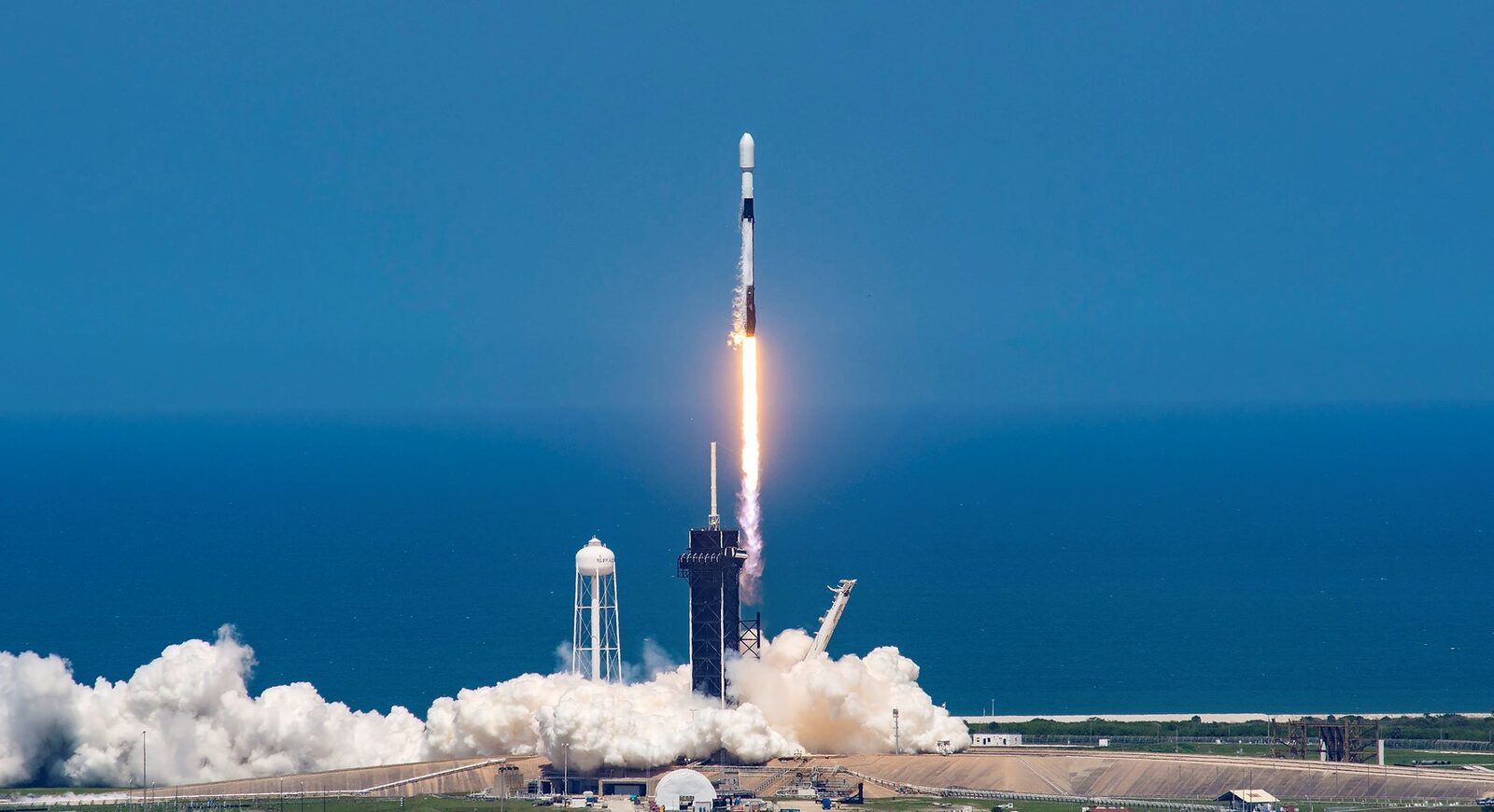
Image
STARLINK-4005 Satellite Image
Additional Sources
Launch Details

Launch Date

May 18, 2022

Launch Pad

LC39A

Launch Vehicle

Falcon 9

Orbital Elements

NORAD ID

52686

International Designator

2022-053AG

Epoch

Sun, 19 Jul 2026 14:01:38 GMT

Apogee

Calculating...

Perigee

Calculating...

Inclination

53.16°

Right Ascension

272.02°

Eccentricity

Calculating...

Argument of Perigee

109.20°

Period

95.44 min

Mean Motion

15.09 rev/day

Latitude

Calculating...

Longitude

Calculating...

Altitude

Calculating...

Velocity

Calculating...

Polar Plot
3D Visualization
Basic Satellite Info

Name

STARLINK-4005

Alternative Name

Starlink 4005

Type

Payload

Status

Operational

Owner

SPXS

Country

United States

Constellation

N/A

Related Satellites

Major Events

N/A

Latest TLEs
1 52686U 22053AG  26200.58447807 -.00001590  00000+0 -81858-4 0  9992
2 52686  53.1592 272.0188 0000792 109.1991 250.9086 15.08831377231032

Source: Celestrak

Summary
STARLINK-4005 is a communication satellite launched by SpaceX on May 18, 2022, from Launch Complex 39A at Cape Canaveral using a Falcon 9 launch vehicle. The spacecraft measures 0.2 meters in length with a diameter of 2.8 meters and spans 9 meters, featuring solar arrays and batteries for power supply. It has a dry mass of 275 kg and weighed 297 kg at launch. Equipped with Ku/Ka-band payload and optical inter-satellite link, the satellite is part of the Starlink Group 4-18-31 constellation and uses Krypton ion thrusters for propulsion. Its shape is described as a box with a pan configuration. The mission aims to provide communication services.

Starlink is a satellite constellation developed by SpaceX with the aim of providing global broadband internet coverage. Thousands of small satellites are deployed in low Earth orbit (LEO), enabling high-speed internet access even in remote areas. However, the rapid increase in satellites raises concerns about space debris and the potential for collisions, which can lead to further debris creation and endanger other spacecraft. Additionally, the sheer number of Starlink satellites can affect astronomical observations by increasing light pollution. Proper deorbiting plans and international coordination are essential to mitigate these challenges and ensure long-term sustainability in space.
Physical Characteristics

Length

0.2

Diameter

2.8

Span

9

Dry Mass

275

Launch Mass

297

Shape

Box + pan

Radar Cross Section

Unknown

Visual Magnitude

Unknown

Color

Unknown

Material Composition

Unknown

Technical Details

Payload

Starlink Group 4-18-31

Purpose

Communication

Mission

Communication

Manufacturer

SPXS

Life Expectancy

Unknown

Bus

Starlink

Configuration

Unknown

Motor

Krypton ion thrusters

Equipment

Ku/Ka-band payload, optical inter-satellite link

Power System

Solar arrays, batteries

ADCS

Unknown

Transmitter Frequency

Unknown

Map
This tool will help you track the satellite's position and predict its upcoming passes over your location. Simply input the coordinates or click the geolocation button to get started.
Next Pass
Azimuth Elevation Time (Local)
Start Azimuth
Max Elevation
Stop Azimuth
Time Until
Pass Duration

Satellite Articles

View All Posts »

Learn more about satellites and other related topics.

STS-51B | Three-Tenths of a Second from Disaster

STS-51B | Three-Tenths of a Second from Disaster

Forty years ago today, Challenger lifted off LC-39A on a science mission that nobody outside Morton-Thiokol would call dangerous. Years later, after the orbiter and seven other astronauts were gone, investigators looked at the recovered boosters from STS-51B and realized the crew had come within a fraction of a second of dying first. This is the story of the launch that should have been a warning.

Space Brief 29 Nov 2024

Space Brief 29 Nov 2024

Today's brief covers China's Beidou satellite plans, SpaceX's Starship advancements, potential Space Command HQ relocation, and more.

Booster 20 Fires All 33 Engines in Record Test | KeepTrack Space Brief

Booster 20 Fires All 33 Engines in Record Test | KeepTrack Space Brief

SpaceX completed a full 33-engine static fire on Booster 20, the longest duration test to date. The milestone clears a major hurdle before the next Starship flight attempt.

Space Force Eyes Space Tugs, On-Orbit Refueling by 2030 | KeepTrack Space Brief

Space Force Eyes Space Tugs, On-Orbit Refueling by 2030 | KeepTrack Space Brief

Space Force commits to operational space tugs and on-orbit refueling by 2030. New capabilities will complicate conjunction analysis for GEO and MEO satellite tracking.

X Report 1 Aug 2025

X Report 1 Aug 2025

SpaceX successfully launched 19 Starlink satellites from California amidst a weather-related scrub of the Crew-11 mission to the ISS, showcasing the company’s focus on expanding its satellite constellation while overcoming operational challenges.

X Report 7 Nov 2025

X Report 7 Nov 2025

SpaceX successfully launched 28 Starlink satellites while EchoStar enhances its stake in the company through a $2.6 billion spectrum deal, amid growing demands for space domain awareness.

X Report 31 Oct 2025

X Report 31 Oct 2025

SpaceX prepares for its 100th Starlink launch while refining its lunar lander design for NASA's Artemis program amidst calls for architectural changes.

Space Brief 24 Oct 2024

Space Brief 24 Oct 2024

Today's Space Brief highlights SpaceX Crew-8's return, Intelsat-33e satellite breakup, SpaceX's upcoming Starship tests, and notable launches including China's new mega-constellation.