


X Report 19 Nov 2025
SpaceX successfully launched another batch of Starlink satellites in a night mission, marking a significant return to evening launches post-regulations.



Launch Date
May 14, 2022
Launch Site
Launch Pad
LC40
Launch Vehicle
NORAD ID
52633
International Designator
2022-052AM
Epoch
Sun, 19 Jul 2026 23:29:13 GMT
Apogee
Calculating...
Perigee
Calculating...
Inclination
53.16°
Right Ascension
34.96°
Eccentricity
Calculating...
Argument of Perigee
94.06°
Period
95.44 min
Mean Motion
15.09 rev/day
Latitude
Calculating...
Longitude
Calculating...
Altitude
Calculating...
Velocity
Calculating...
Name
STARLINK-3994
Alternative Name
Starlink 3994
Type
Status
Owner
SPXS
Country
United States
Constellation
N/A
Related Satellites
Major Events
N/A
1 52633U 22052AM 26200.97863328 .00000140 00000+0 26923-4 0 9996
2 52633 53.1602 34.9598 0001241 94.0560 266.0573 15.08830805230976
Source: Celestrak
Length
0.2
Diameter
2.8
Span
9
Dry Mass
275
Launch Mass
297
Shape
Box + pan
Radar Cross Section
Unknown
Visual Magnitude
Unknown
Color
Unknown
Material Composition
Unknown
Payload
Starlink Group 4-15-36
Purpose
Communication
Mission
Communication
Manufacturer
SPXS
Life Expectancy
Unknown
Bus
Starlink
Configuration
Unknown
Motor
Krypton ion thrusters
Equipment
Ku/Ka-band payload, optical inter-satellite link
Power System
Solar arrays, batteries
ADCS
Unknown
Transmitter Frequency
Unknown
Learn more about satellites and other related topics.
SpaceX successfully launched another batch of Starlink satellites in a night mission, marking a significant return to evening launches post-regulations.
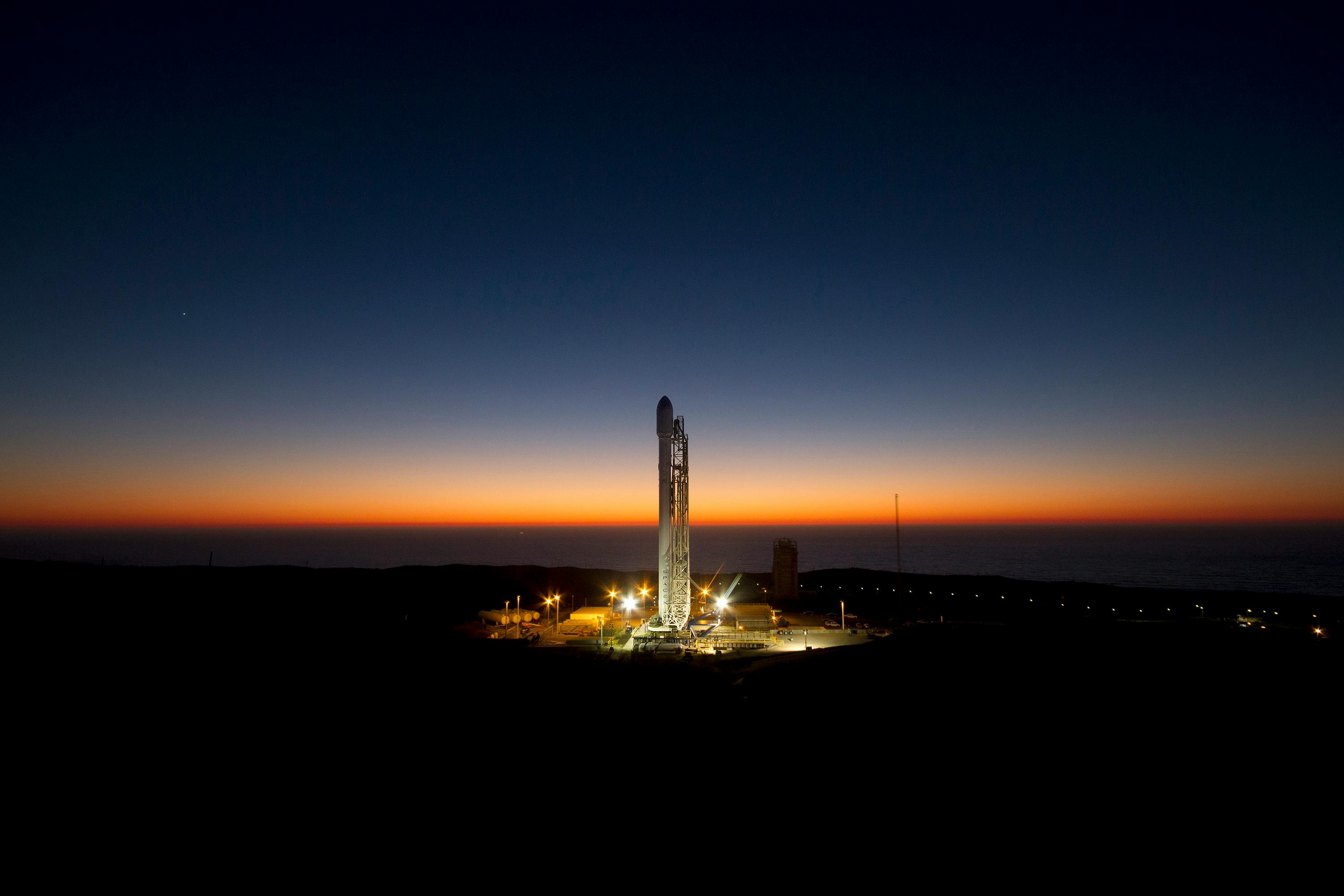
This week's SpaceX developments include notable upcoming missions, with a Starlink launch on the horizon and Crew Dragon's readiness for the next astronaut mission.
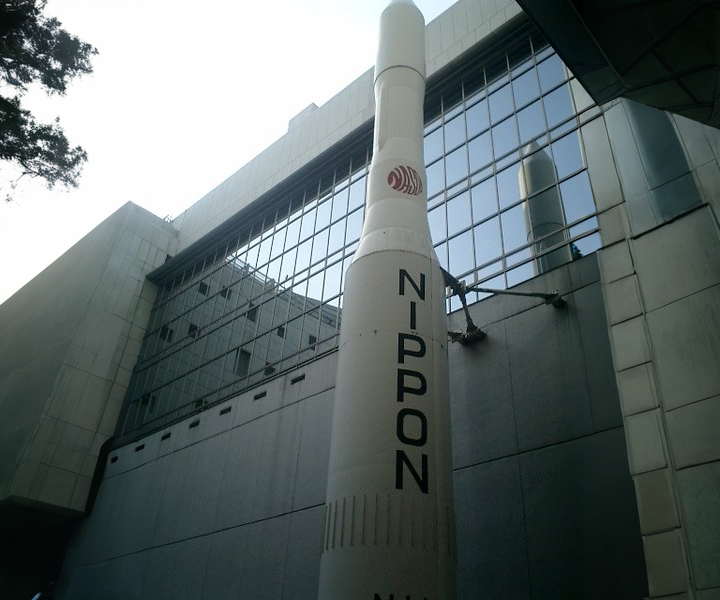
Forty-eight years ago, a pioneering satellite named Kiku 2 propelled Japan into the exclusive group of nations capable of operating satellites in geostationary orbit

Space Force commits to operational space tugs and on-orbit refueling by 2030. New capabilities will complicate conjunction analysis for GEO and MEO satellite tracking.
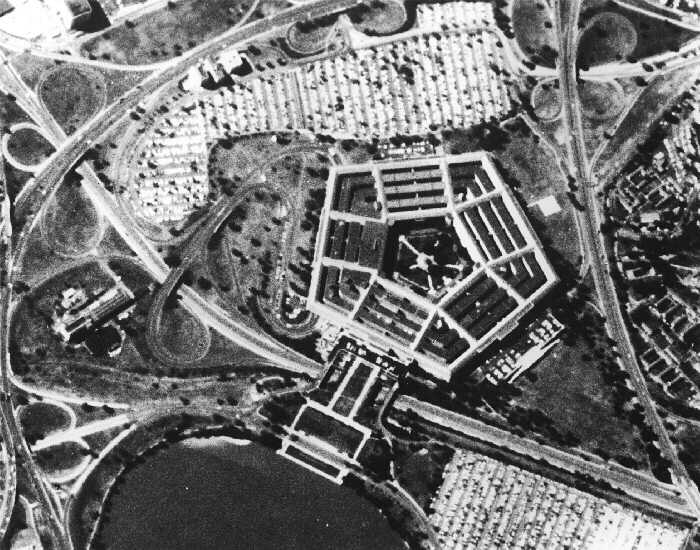
Sixty-three years ago, a Thor-Agena rocket launched the first dual-camera reconnaissance satellite, revolutionizing space-based intelligence while hiding behind the final use of a famous cover name
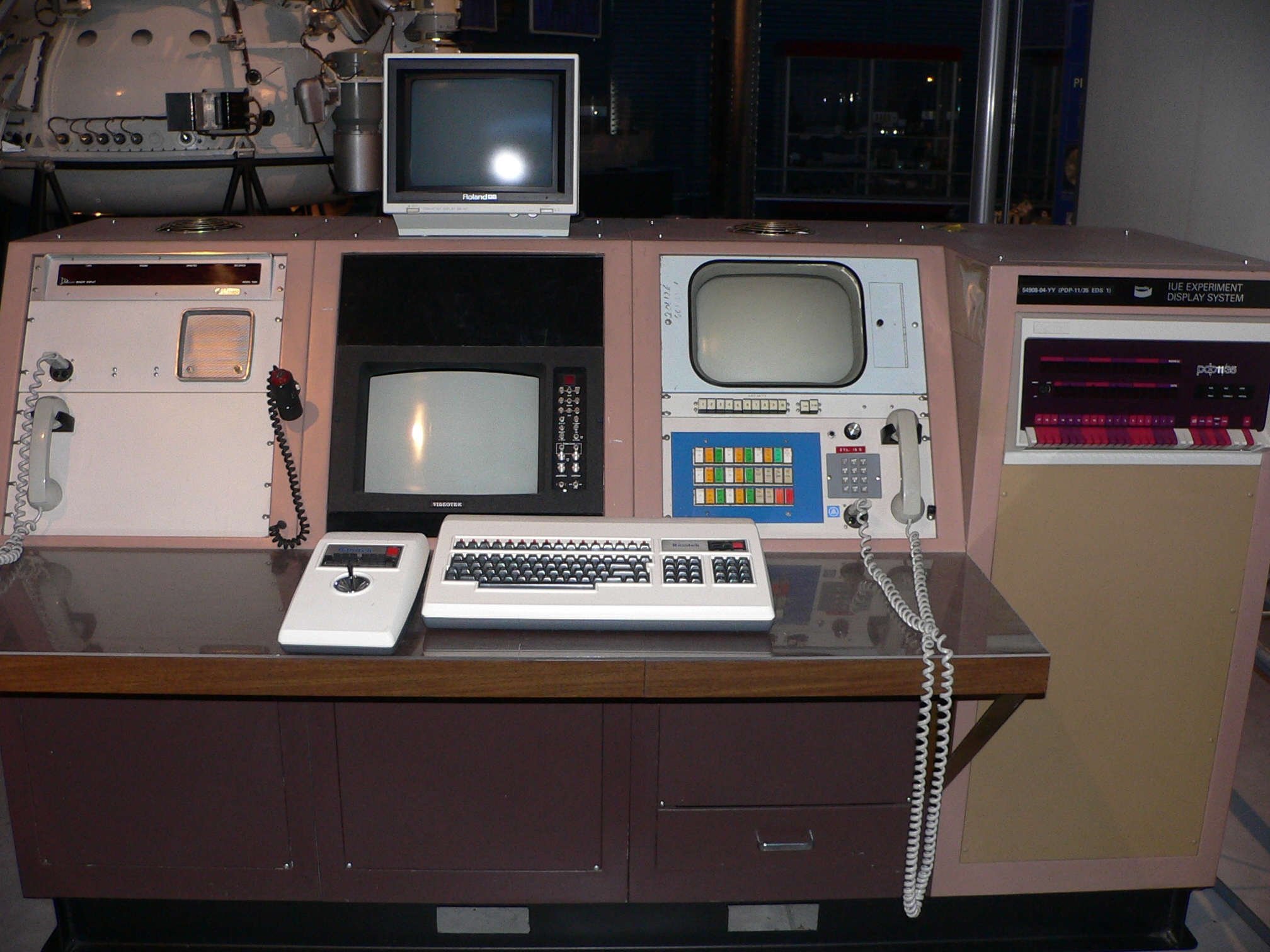
Forty-seven years ago, a revolutionary space telescope changed our view of the cosmos, pioneering international cooperation in space-based astronomy
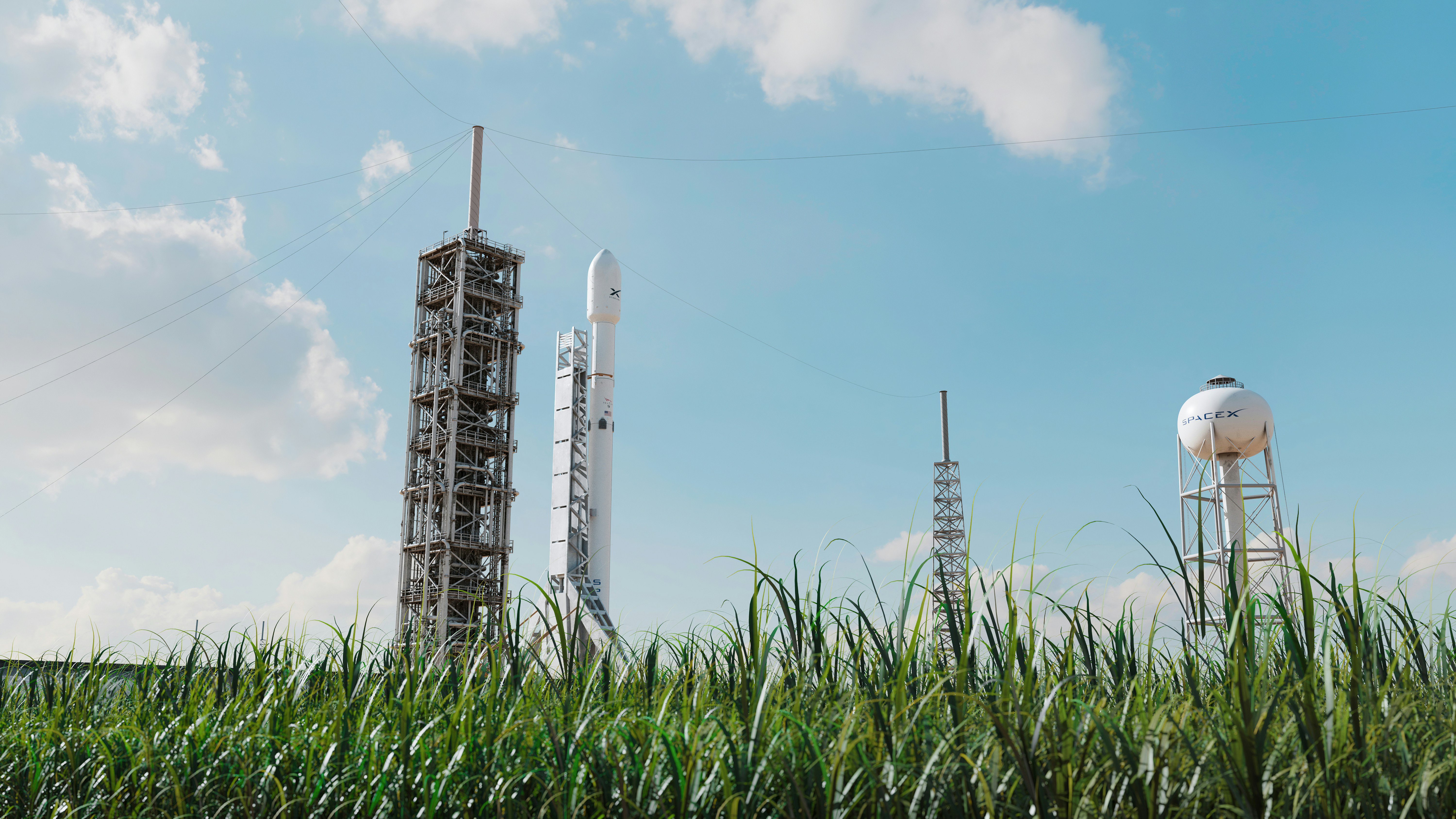
SpaceX continues to break records with the Falcon 9's 30th flight while Starship's successful test flight propels the program forward after recent challenges.
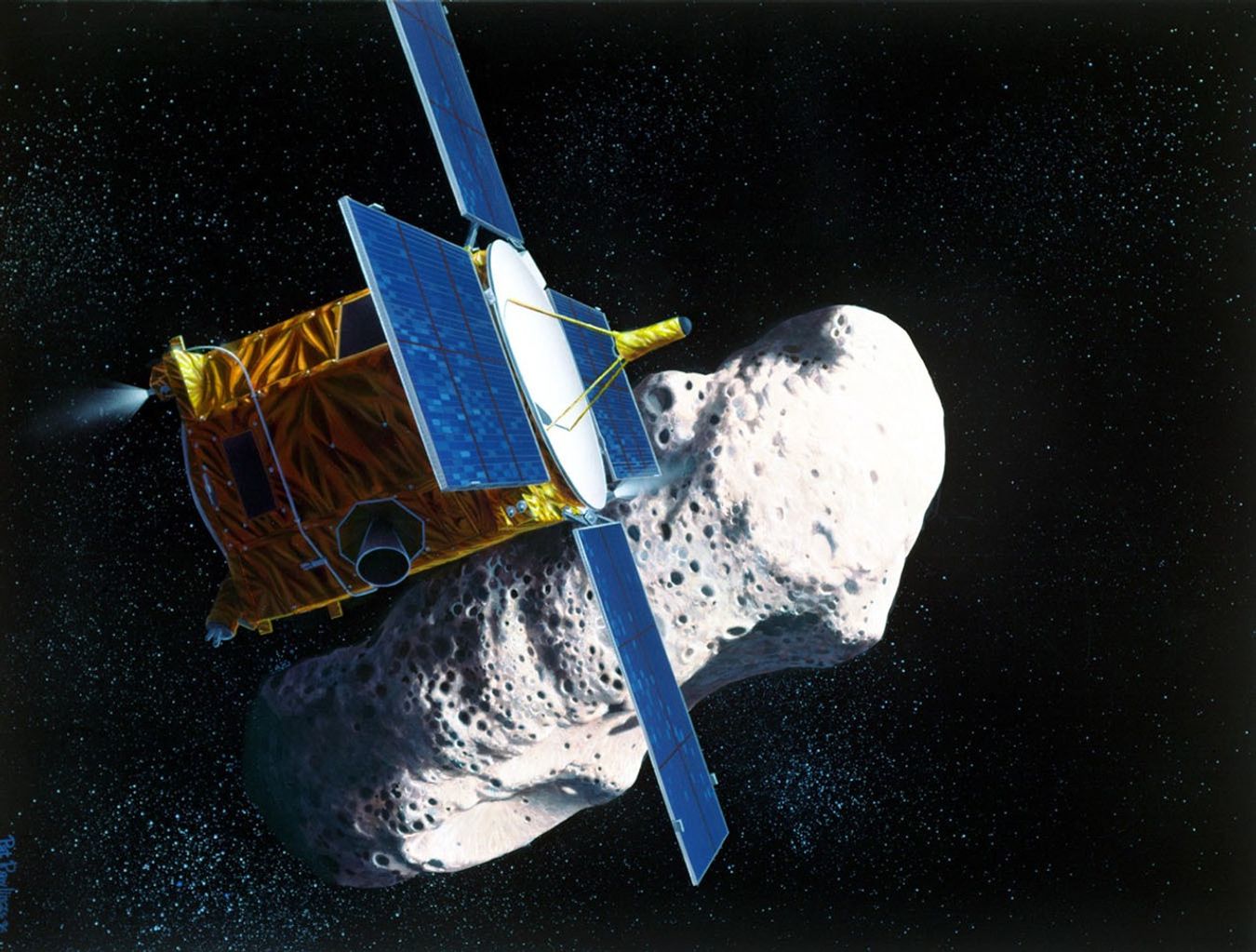
Twenty-four years ago, a spacecraft designed only to orbit made history with an improvised landing on asteroid Eros, marking humanitys first controlled touchdown on a small celestial body