STARLINK-3989 (52630)

COSPAR: 2022-052AJ | Alt Name: Starlink 3989

Image
STARLINK-3989 Satellite Image
Additional Sources
Launch Details

Launch Date

May 14, 2022

Launch Pad

LC40

Launch Vehicle

Falcon 9

Orbital Elements

NORAD ID

52630

International Designator

2022-052AJ

Epoch

Sun, 19 Jul 2026 19:36:40 GMT

Apogee

Calculating...

Perigee

Calculating...

Inclination

53.16°

Right Ascension

31.61°

Eccentricity

Calculating...

Argument of Perigee

78.31°

Period

94.01 min

Mean Motion

15.32 rev/day

Latitude

Calculating...

Longitude

Calculating...

Altitude

Calculating...

Velocity

Calculating...

Polar Plot
3D Visualization
Basic Satellite Info

Name

STARLINK-3989

Alternative Name

Starlink 3989

Type

Payload

Status

Operational

Owner

SPXS

Country

United States

Constellation

N/A

Related Satellites

Major Events

N/A

Latest TLEs
1 52630U 22052AJ  26200.81714102 -.00000513  00000+0 -47584-5 0  9994
2 52630  53.1608  31.6108 0001054  78.3109 281.8010 15.31698096230999

Source: Celestrak

Summary
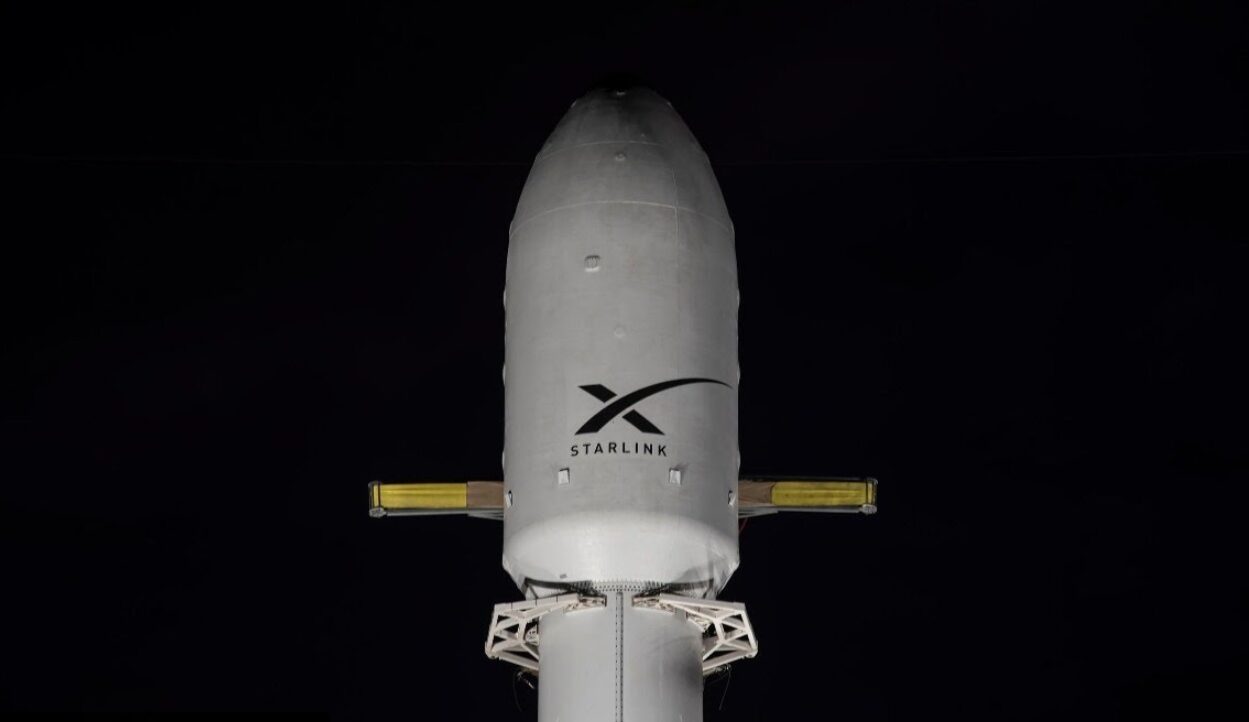
STARLINK-3989 is a communication satellite launched by SpaceX on May 14, 2022, from Cape Canaveral Air Force Station Launch Complex 40 using a Falcon 9 launch vehicle. It measures 0.2 meters in length with a diameter of 2.8 meters and a span of 9 meters. The dry mass is 275 kilograms, and the satellite has a launch mass of 297 kilograms. Equipped with Ku/Ka-band payload and an optical inter-satellite link, it utilizes krypton ion thrusters for propulsion. Power is provided by solar arrays and batteries. This Starlink satellite operates as part of SpaceX's constellation designed for communication purposes.

Starlink is a satellite constellation developed by SpaceX with the aim of providing global broadband internet coverage. Thousands of small satellites are deployed in low Earth orbit (LEO), enabling high-speed internet access even in remote areas. However, the rapid increase in satellites raises concerns about space debris and the potential for collisions, which can lead to further debris creation and endanger other spacecraft. Additionally, the sheer number of Starlink satellites can affect astronomical observations by increasing light pollution. Proper deorbiting plans and international coordination are essential to mitigate these challenges and ensure long-term sustainability in space.
Physical Characteristics

Length

0.2

Diameter

2.8

Span

9

Dry Mass

275

Launch Mass

297

Shape

Box + pan

Radar Cross Section

Unknown

Visual Magnitude

Unknown

Color

Unknown

Material Composition

Unknown

Technical Details

Payload

Starlink Group 4-15-33

Purpose

Communication

Mission

Communication

Manufacturer

SPXS

Life Expectancy

Unknown

Bus

Starlink

Configuration

Unknown

Motor

Krypton ion thrusters

Equipment

Ku/Ka-band payload, optical inter-satellite link

Power System

Solar arrays, batteries

ADCS

Unknown

Transmitter Frequency

Unknown

Map
This tool will help you track the satellite's position and predict its upcoming passes over your location. Simply input the coordinates or click the geolocation button to get started.
Next Pass
Azimuth Elevation Time (Local)
Start Azimuth
Max Elevation
Stop Azimuth
Time Until
Pass Duration

Satellite Articles

View All Posts »

Learn more about satellites and other related topics.

Space Brief 28 Jul 2025

Space Brief 28 Jul 2025

Today's highlights include SpaceX's rapid Starlink launches, insights into China's Mars sample return mission, and ULA's future launch plans. Also, a new Space Force general takes the reins of the U.S. missile defense program.
Space Brief 15 Jul 2025

Space Brief 15 Jul 2025

Today's brief covers new military space funding, intriguing scientific discoveries, and defense contracts impacting global military strategies.

Falcon Heavy Returns | A Six-Ton Bet on Geostationary Broadband

Falcon Heavy Returns | A Six-Ton Bet on Geostationary Broadband

Falcon Heavy flew for the first time in eighteen months on April 29, 2026, expending its center core to push Viasat's final ViaSat-3 satellite toward geostationary orbit. The mission is a flagship rocket doing what only it can still do, for an operator betting six tons of high-throughput hardware on a market Starlink is rapidly redefining.

White House Orders Space Nuclear Power by 2028 | KeepTrack Space Brief

White House Orders Space Nuclear Power by 2028 | KeepTrack Space Brief

White House directs NASA and Pentagon to field space nuclear power systems by 2028, with DoD demonstration required by 2031. Game-changer for military satellite power budgets.

108 Minutes That Changed Everything - and the 20-Year Echo That Followed

108 Minutes That Changed Everything - and the 20-Year Echo That Followed

On April 12, 1961, a 27-year-old Soviet pilot rode a modified ICBM into orbit and came back alive after 108 minutes. Exactly twenty years later, two Americans climbed aboard an untested spacecraft covered in 31,000 ceramic tiles and bet their lives that the math was right.

FCC Approves Reflect Orbital Sunlight Satellite | KeepTrack Space Brief

FCC Approves Reflect Orbital Sunlight Satellite | KeepTrack Space Brief

FCC clears Reflect Orbital's first satellite to bounce sunlight into nighttime zones, despite pushback from astronomers concerned about orbital streaking and wildlife impacts.

1 Million AI Data Centers in Orbit Threaten Astronomy | KeepTrack X Report

1 Million AI Data Centers in Orbit Threaten Astronomy | KeepTrack X Report

SpaceX's proposed 1-million-satellite AI data center constellation alarms astronomers as Falcon 9 logs its 25th Starlink launch of 2026.

LeoLabs Launches Delta Military SSA Platform | KeepTrack Space Brief

LeoLabs Launches Delta Military SSA Platform | KeepTrack Space Brief

LeoLabs debuts Delta, a space monitoring tool designed for military operators to detect adversarial orbital activity beyond standard conjunction warnings.