


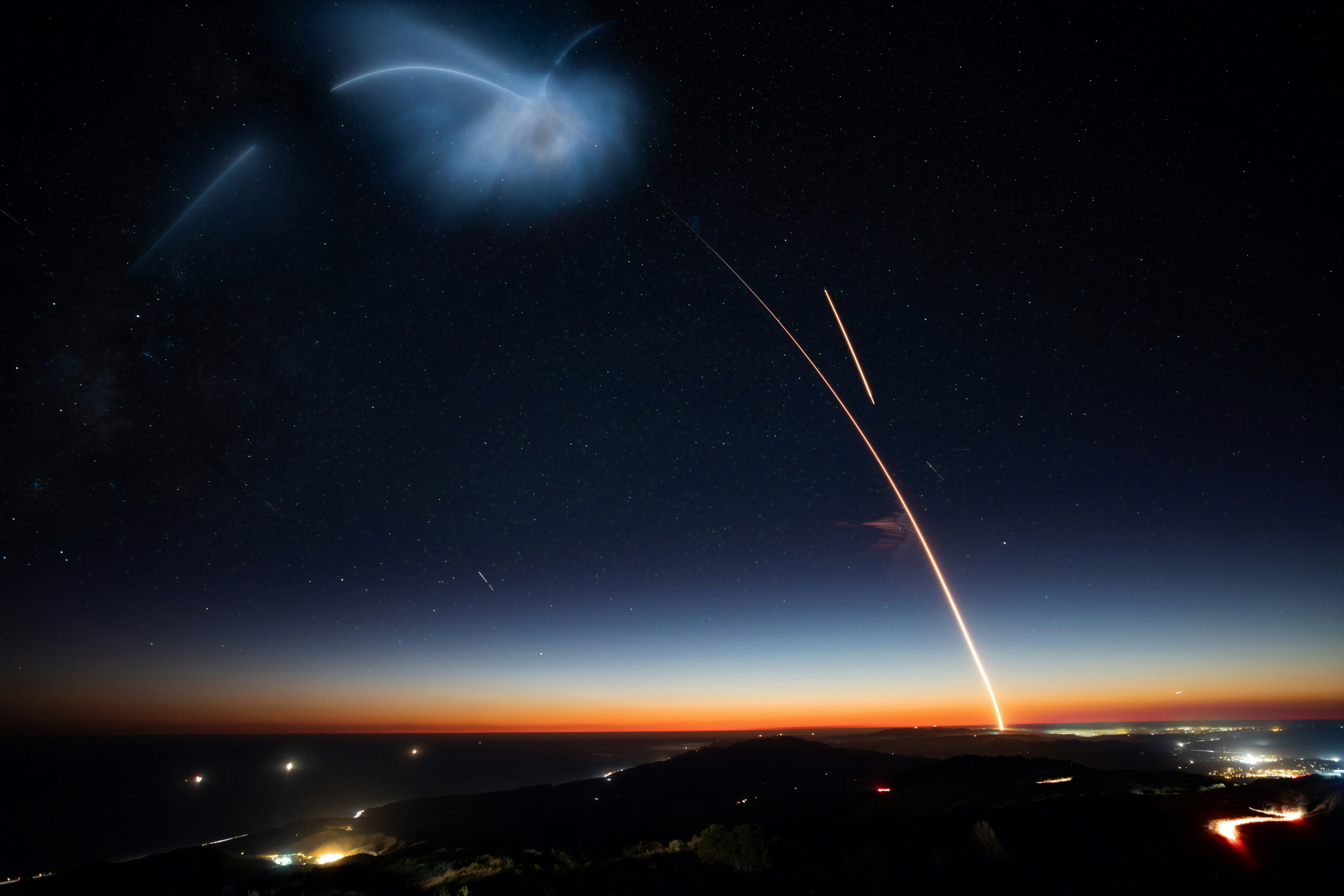
Starship All 6 Engines Fire for 60 Seconds Before Flight 13 | KeepTrack X Report
SpaceX ignited all 6 Starship engines for a full minute at Starbase, while a Falcon 9 added 24 more Starlinks from Vandenberg on July 1.



Launch Date
May 14, 2022
Launch Site
Launch Pad
LC40
Launch Vehicle
NORAD ID
52622
International Designator
2022-052AA
Epoch
Sun, 19 Jul 2026 20:00:01 GMT
Apogee
Calculating...
Perigee
Calculating...
Inclination
53.16°
Right Ascension
49.23°
Eccentricity
Calculating...
Argument of Perigee
14.83°
Period
94.52 min
Mean Motion
15.23 rev/day
Latitude
Calculating...
Longitude
Calculating...
Altitude
Calculating...
Velocity
Calculating...
Name
STARLINK-4008
Alternative Name
Starlink 4008
Type
Status
Owner
SPXS
Country
United States
Constellation
N/A
Related Satellites
Major Events
N/A
1 52622U 22052AA 26200.83335647 .00022466 00000+0 94105-3 0 9998
2 52622 53.1613 49.2289 0000646 14.8274 250.8428 15.23475132 5786
Source: Celestrak
Length
0.2
Diameter
2.8
Span
9
Dry Mass
275
Launch Mass
297
Shape
Box + pan
Radar Cross Section
Unknown
Visual Magnitude
Unknown
Color
Unknown
Material Composition
Unknown
Payload
Starlink Group 4-15-25
Purpose
Communication
Mission
Communication
Manufacturer
SPXS
Life Expectancy
Unknown
Bus
Starlink
Configuration
Unknown
Motor
Krypton ion thrusters
Equipment
Ku/Ka-band payload, optical inter-satellite link
Power System
Solar arrays, batteries
ADCS
Unknown
Transmitter Frequency
Unknown
Learn more about satellites and other related topics.
SpaceX ignited all 6 Starship engines for a full minute at Starbase, while a Falcon 9 added 24 more Starlinks from Vandenberg on July 1.
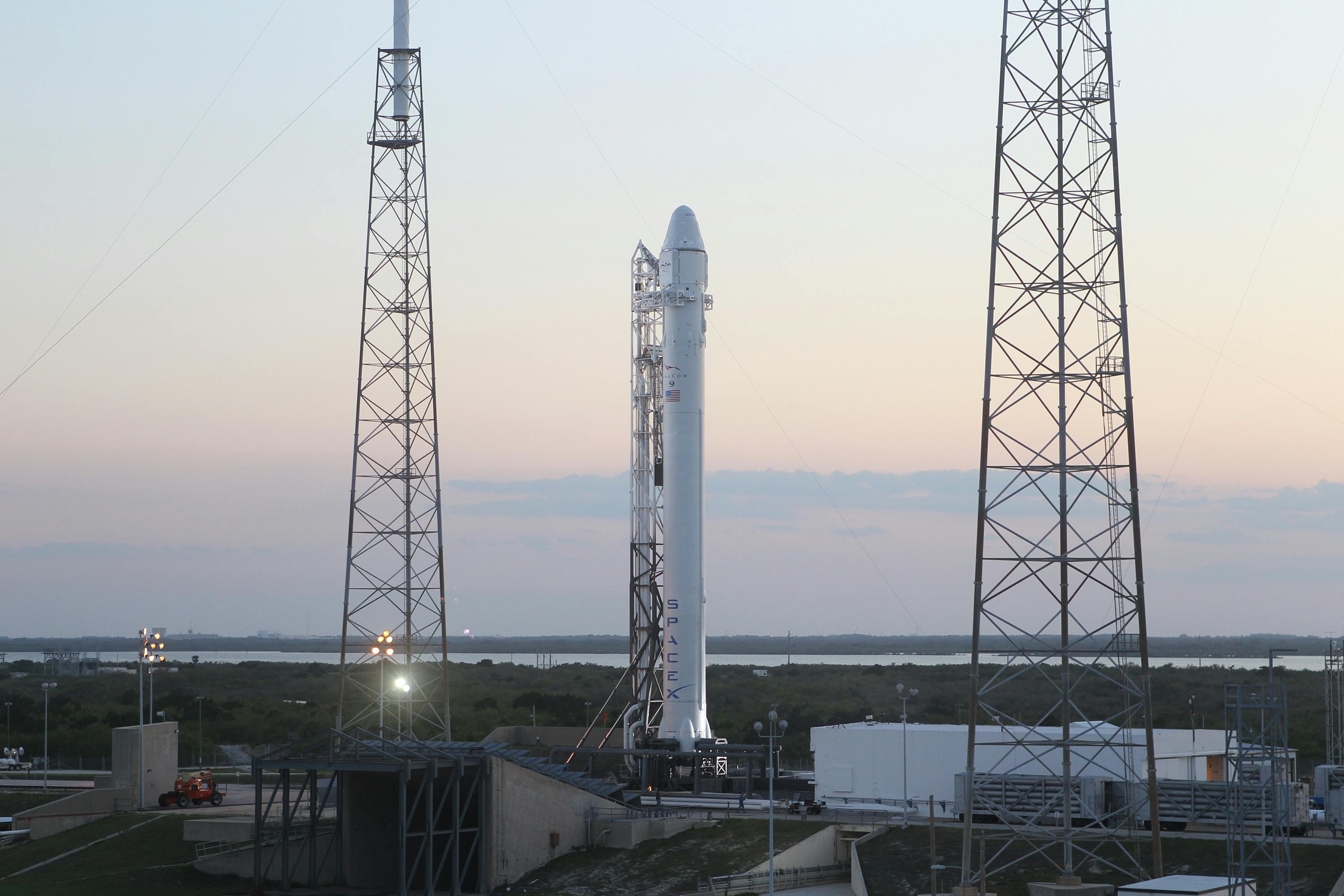
SpaceX targets May 19 for Starship V3's first flight from Pad 2 as the FCC approves a $2.4B EchoStar spectrum deal for Starlink D2D.

Understanding the high and low points of every orbit - from the International Space Station's careful dance with Earth's atmosphere to the extreme ellipses that take satellites to the edge of space and back.
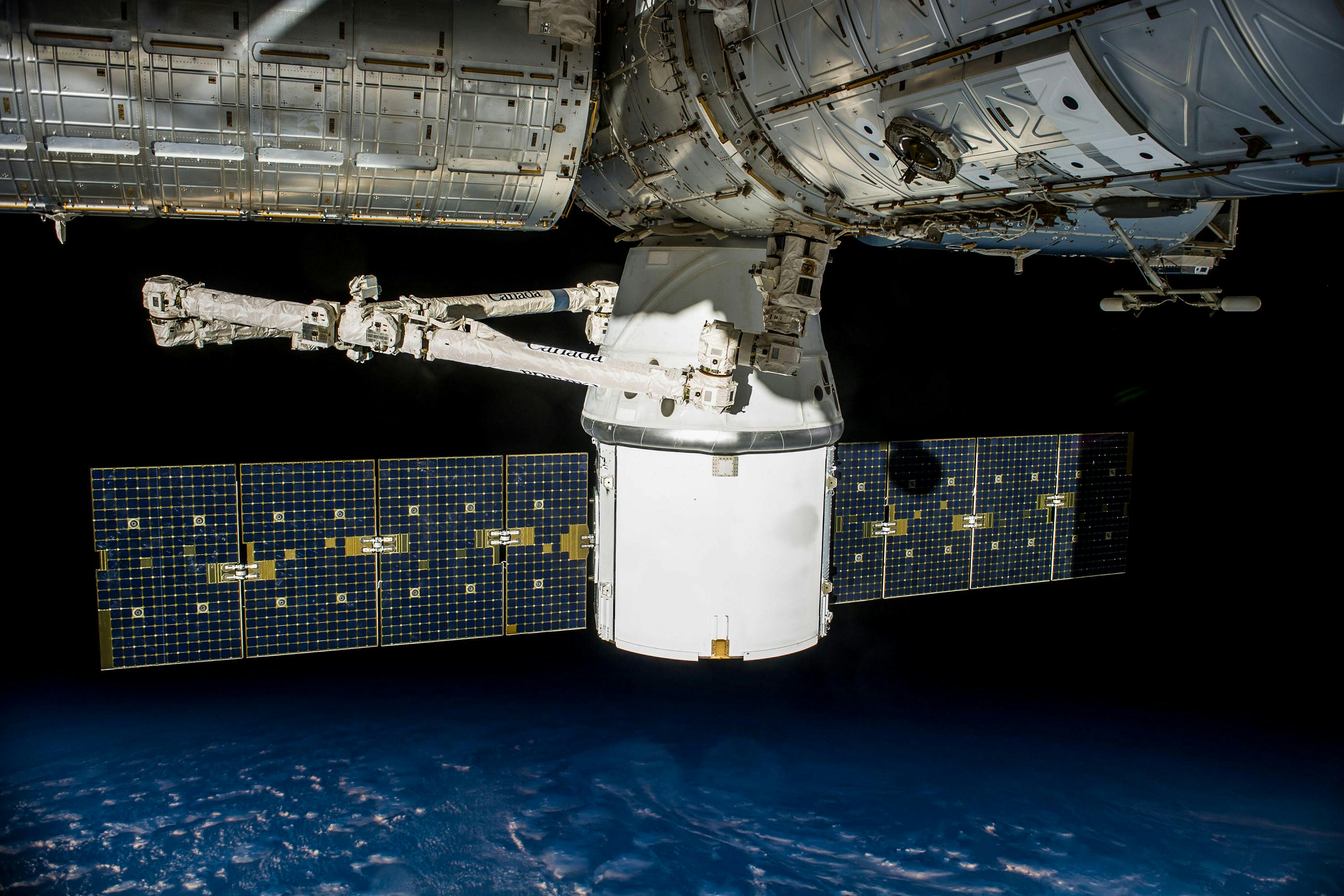
SpaceX launched NROL-179 from Vandenberg at 1:50 a.m. PDT June 19, carrying Starshield spy satellites for the National Reconnaissance Office.

Over 27,000 high-speed pieces of space junk now threaten vital satellites, requiring sophisticated tracking and urgent innovation of orbital debris removal methods like harpoons and nets.
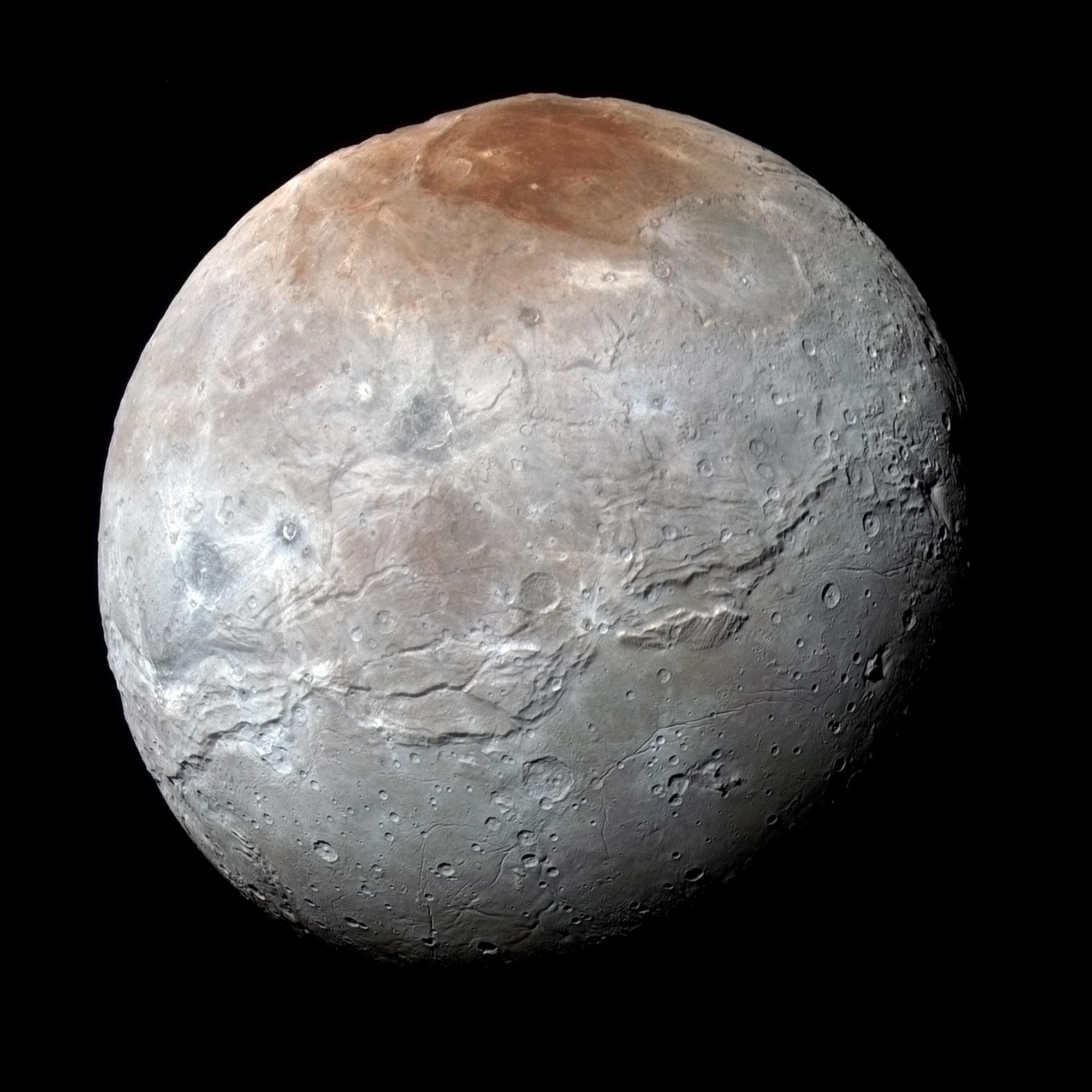
On 22 June 1978, an astronomer at the U.S. Naval Observatory looked at photographic plates that had been stamped 'image defective' and noticed a small bump on the side of Pluto. The bump was a moon, and finding it finally let astronomers weigh a planet that had fooled them for half a century.
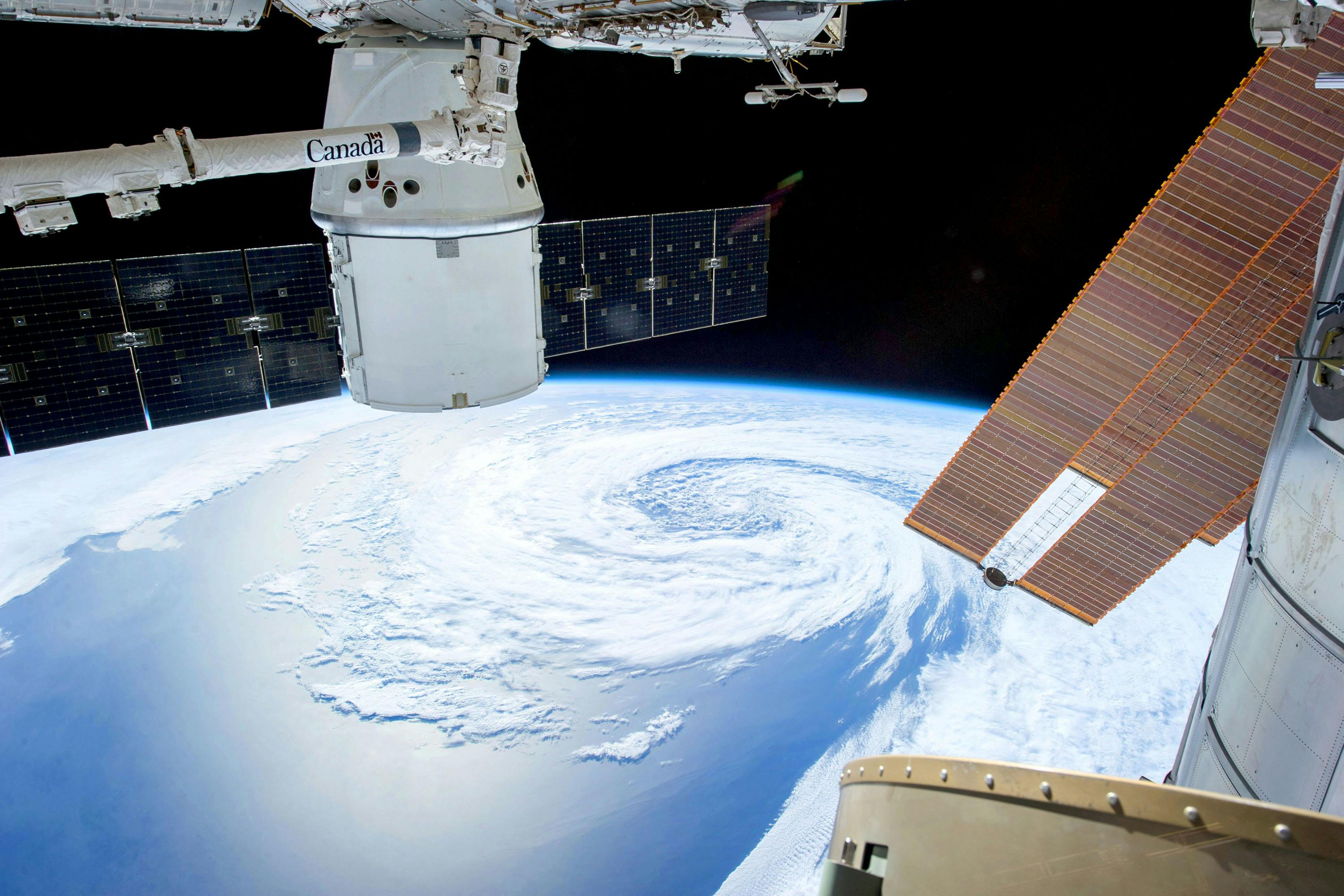
SpaceX successfully launched 23 Starlink satellites using a new Falcon 9 rocket, marking a significant milestone for the company as it expands its satellite internet constellation.

US military praised for space operations against Iran assessed as jamming or spoofing satellite communications. Electronic warfare effects invisible to orbital tracking data.