


NROL-72 Spy Satellites Launched; Starlink PNT Blocked | KeepTrack X Report
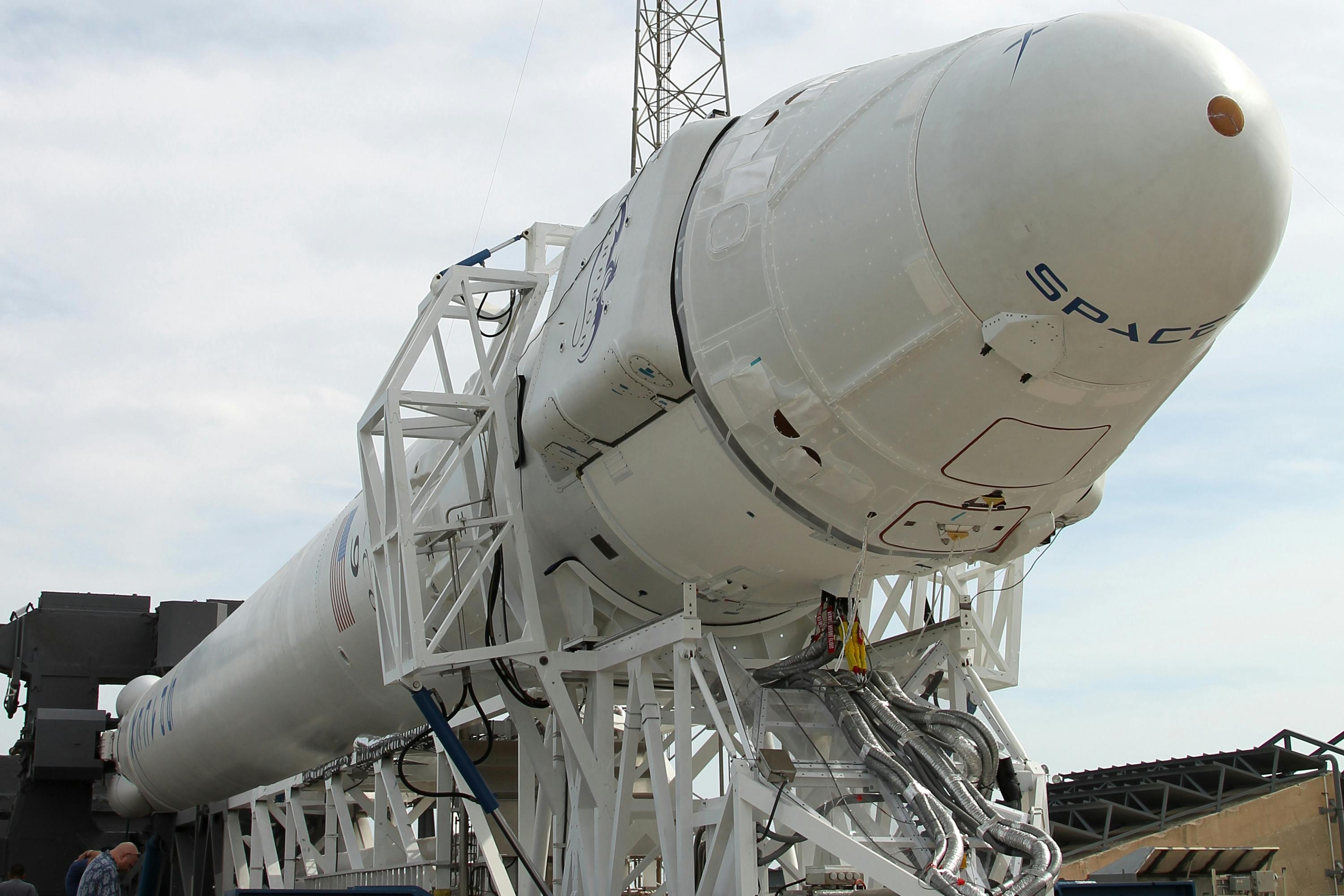
SpaceX's 13th NRO proliferated-arch mission lifted off May 11 as Starlink shuts its GPS-rival feature ahead of a looming IPO.



Launch Date
May 14, 2022
Launch Site
Launch Pad
LC40
Launch Vehicle
NORAD ID
52619
International Designator
2022-052X
Epoch
Mon, 20 Jul 2026 06:00:04 GMT
Apogee
Calculating...
Perigee
Calculating...
Inclination
53.16°
Right Ascension
31.04°
Eccentricity
Calculating...
Argument of Perigee
74.58°
Period
93.79 min
Mean Motion
15.35 rev/day
Latitude
Calculating...
Longitude
Calculating...
Altitude
Calculating...
Velocity
Calculating...
Name
STARLINK-3741
Alternative Name
Starlink 3741
Type
Status
Owner
SPXS
Country
United States
Constellation
N/A
Related Satellites
Major Events
N/A
1 52619U 22052X 26201.25004630 -.00010312 00000+0 -28509-3 0 9990
2 52619 53.1601 31.0350 0001054 74.5772 29.9999 15.35404647 5848
Source: Celestrak
Length
0.2
Diameter
2.8
Span
9
Dry Mass
275
Launch Mass
297
Shape
Box + pan
Radar Cross Section
Unknown
Visual Magnitude
Unknown
Color
Unknown
Material Composition
Unknown
Payload
Starlink Group 4-15-22
Purpose
Communication
Mission
Communication
Manufacturer
SPXS
Life Expectancy
Unknown
Bus
Starlink
Configuration
Unknown
Motor
Krypton ion thrusters
Equipment
Ku/Ka-band payload, optical inter-satellite link
Power System
Solar arrays, batteries
ADCS
Unknown
Transmitter Frequency
Unknown
Learn more about satellites and other related topics.
SpaceX's 13th NRO proliferated-arch mission lifted off May 11 as Starlink shuts its GPS-rival feature ahead of a looming IPO.
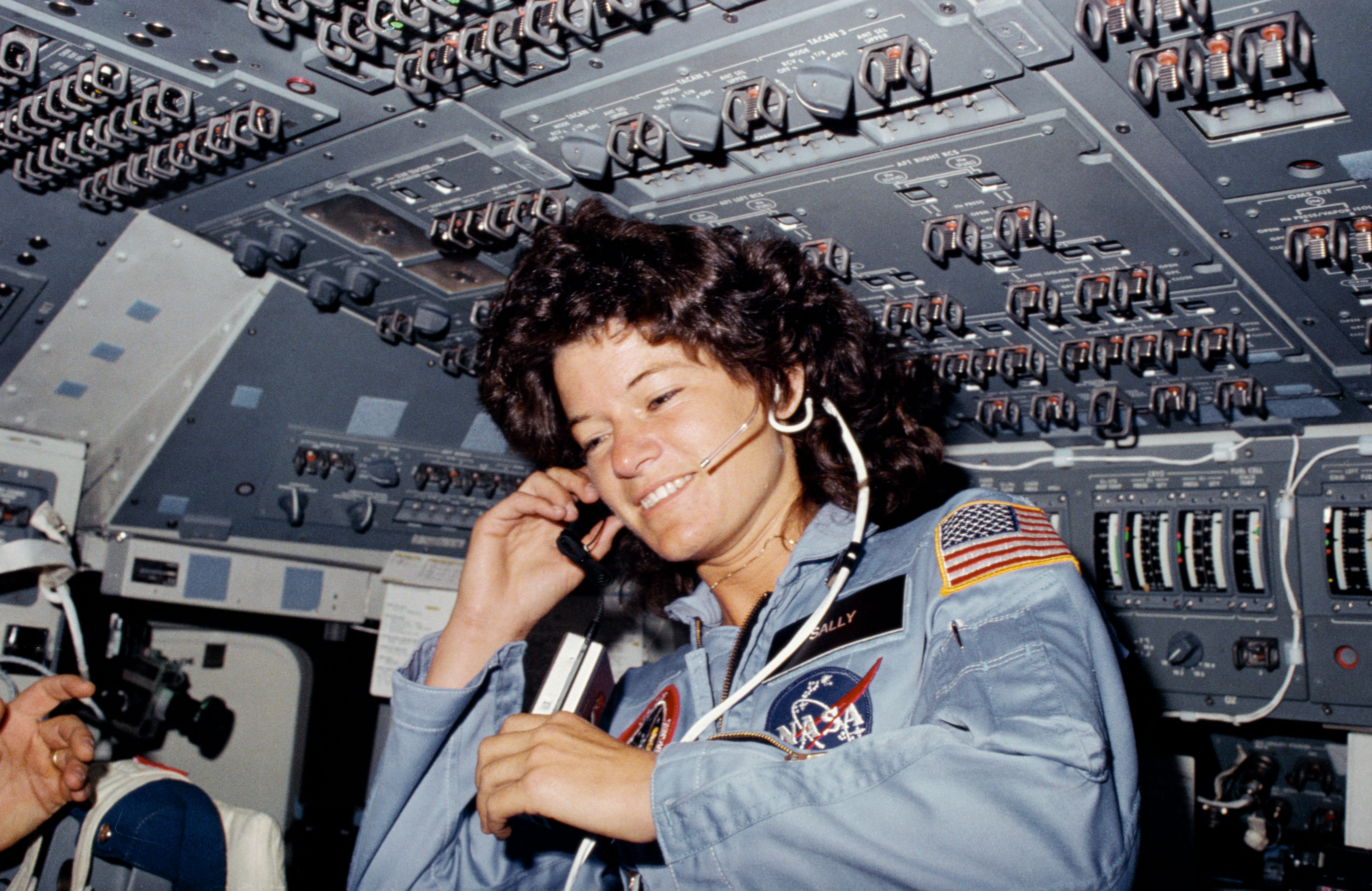
At 7:33 on the morning of 18 June 1983, a 32-year-old astrophysicist named Sally Ride rode Challenger off Pad 39A and became the first American woman in space. She got there two decades after the Soviets, and only after months of being asked whether spaceflight would damage her reproductive organs and whether she planned to cry.

SpaceX launches Twilight rideshare from Vandenberg carrying ~40 payloads including NASA's Pandora satellite. Kepler debuts 10 optical data relay satellites. OroraTech thermal sensors integrated.

SpaceX celebrates its 100th launch of the year with a Falcon 9 mission carrying Amazon's Project Kuiper satellites, while Crew-10 prepares for its return from the ISS and the company expands its interplanetary ambitions with new Mars partnerships.
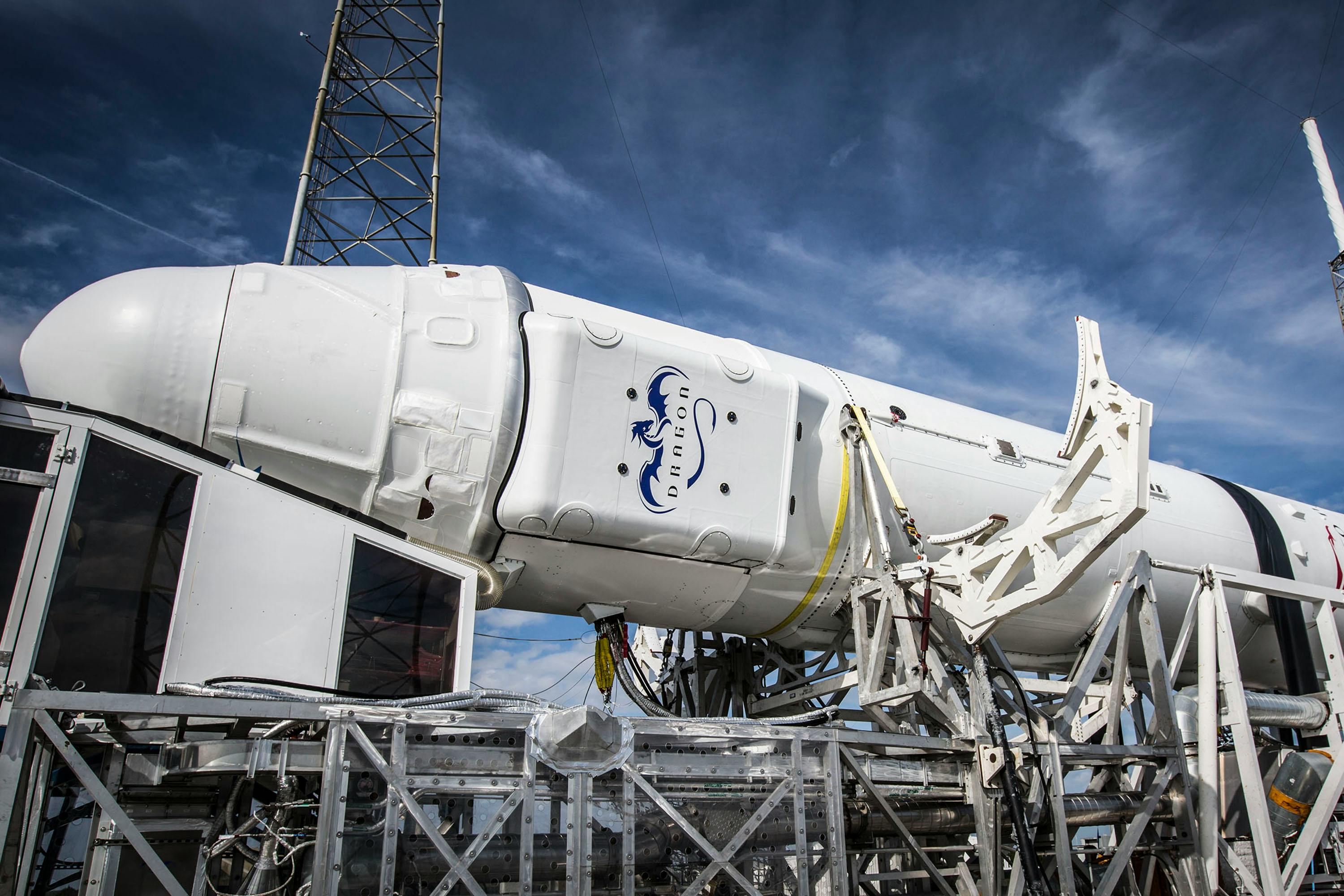
Today's brief highlights the need for better space debris management, multiple SpaceX Starlink launches, and NASA's upcoming lunar cargo delivery plans.
SpaceX prepares for its 100th Falcon 9 launch from Kennedy Space Center while facing a scrubbed attempt of the latest Starlink deployment.
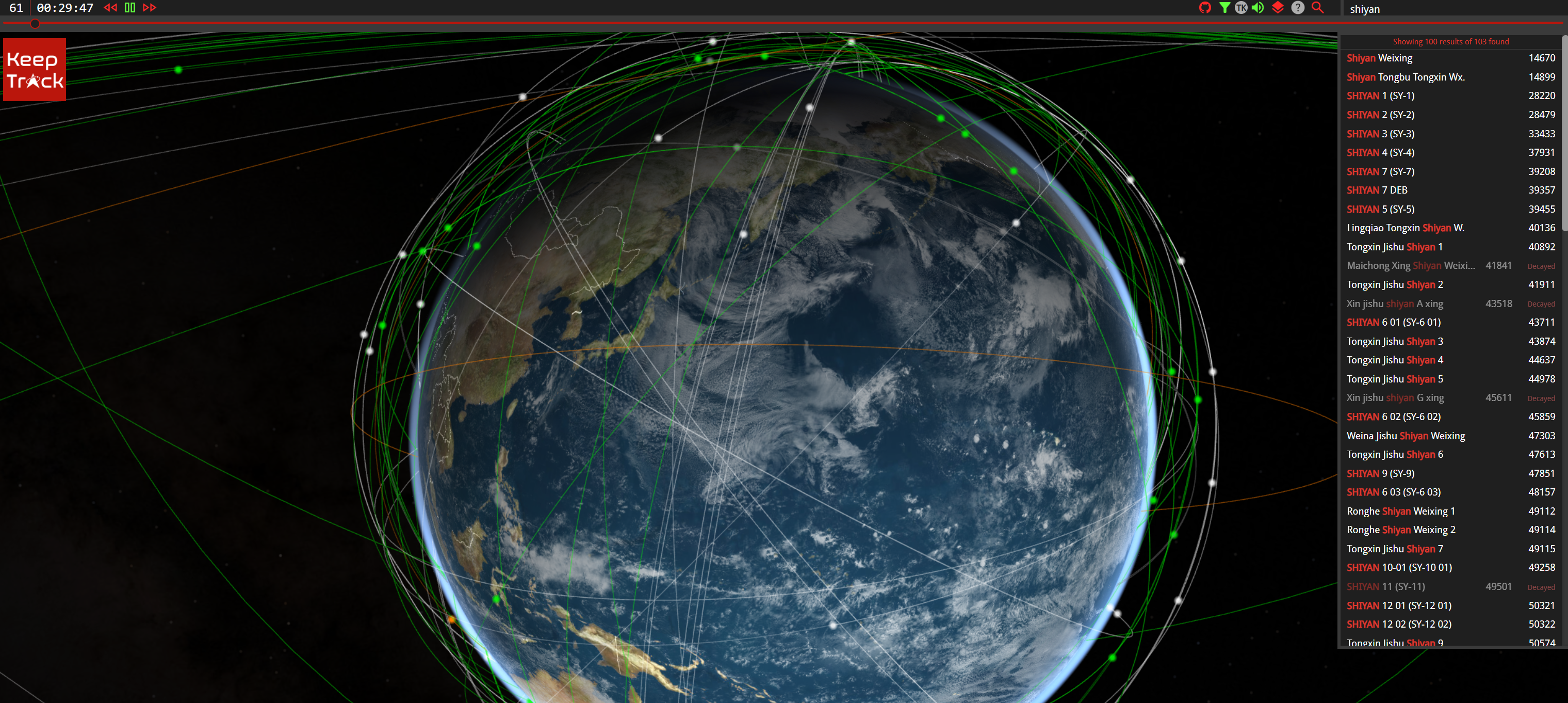
The master ledger of everything orbiting Earth: how tens of thousands of satellites, rocket bodies, and debris fragments are tracked and numbered

Today’s brief covers the delayed launch of Australia's first orbital rocket, China's reusability programs, and the snow-enforced shutdown of a Chilean radio telescope.