


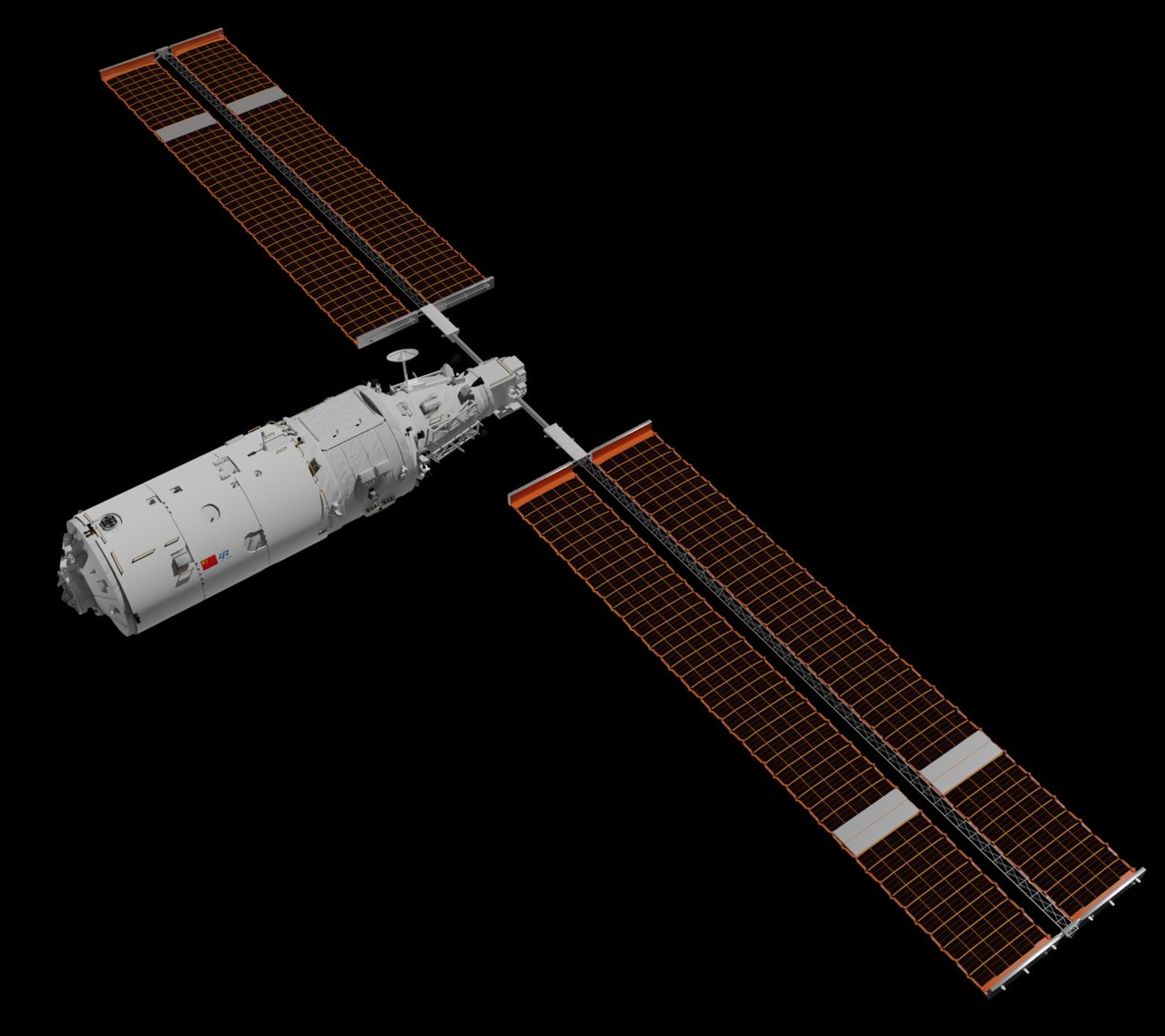
Space Brief 16 Sep 2024
Highlights of the day include the Polaris Dawn mission's splashdown, advances in space traffic management, and intriguing astronomy insights from the cloud's edge.



NORAD ID
52577
International Designator
2022-051AT
Epoch
Sun, 19 Jul 2026 20:51:36 GMT
Apogee
Calculating...
Perigee
Calculating...
Inclination
53.16°
Right Ascension
256.15°
Eccentricity
Calculating...
Argument of Perigee
73.02°
Period
93.85 min
Mean Motion
15.34 rev/day
Latitude
Calculating...
Longitude
Calculating...
Altitude
Calculating...
Velocity
Calculating...
Name
STARLINK-3836
Alternative Name
Starlink 3836
Type
Status
Owner
SPXS
Country
United States
Constellation
N/A
Related Satellites
Major Events
N/A
1 52577U 22051AT 26200.86917083 .00001553 00000+0 57099-4 0 9995
2 52577 53.1594 256.1474 0001326 73.0176 287.0971 15.34394296231398
Source: Celestrak
Length
0.2
Diameter
2.8
Span
9
Dry Mass
275
Launch Mass
297
Shape
Box + pan
Radar Cross Section
Unknown
Visual Magnitude
Unknown
Color
Unknown
Material Composition
Unknown
Payload
Starlink Group 4-13-42
Purpose
Communication
Mission
Communication
Manufacturer
SPXS
Life Expectancy
Unknown
Bus
Starlink
Configuration
Unknown
Motor
Krypton ion thrusters
Equipment
Ku/Ka-band payload, optical inter-satellite link
Power System
Solar arrays, batteries
ADCS
Unknown
Transmitter Frequency
Unknown
Learn more about satellites and other related topics.
Highlights of the day include the Polaris Dawn mission's splashdown, advances in space traffic management, and intriguing astronomy insights from the cloud's edge.
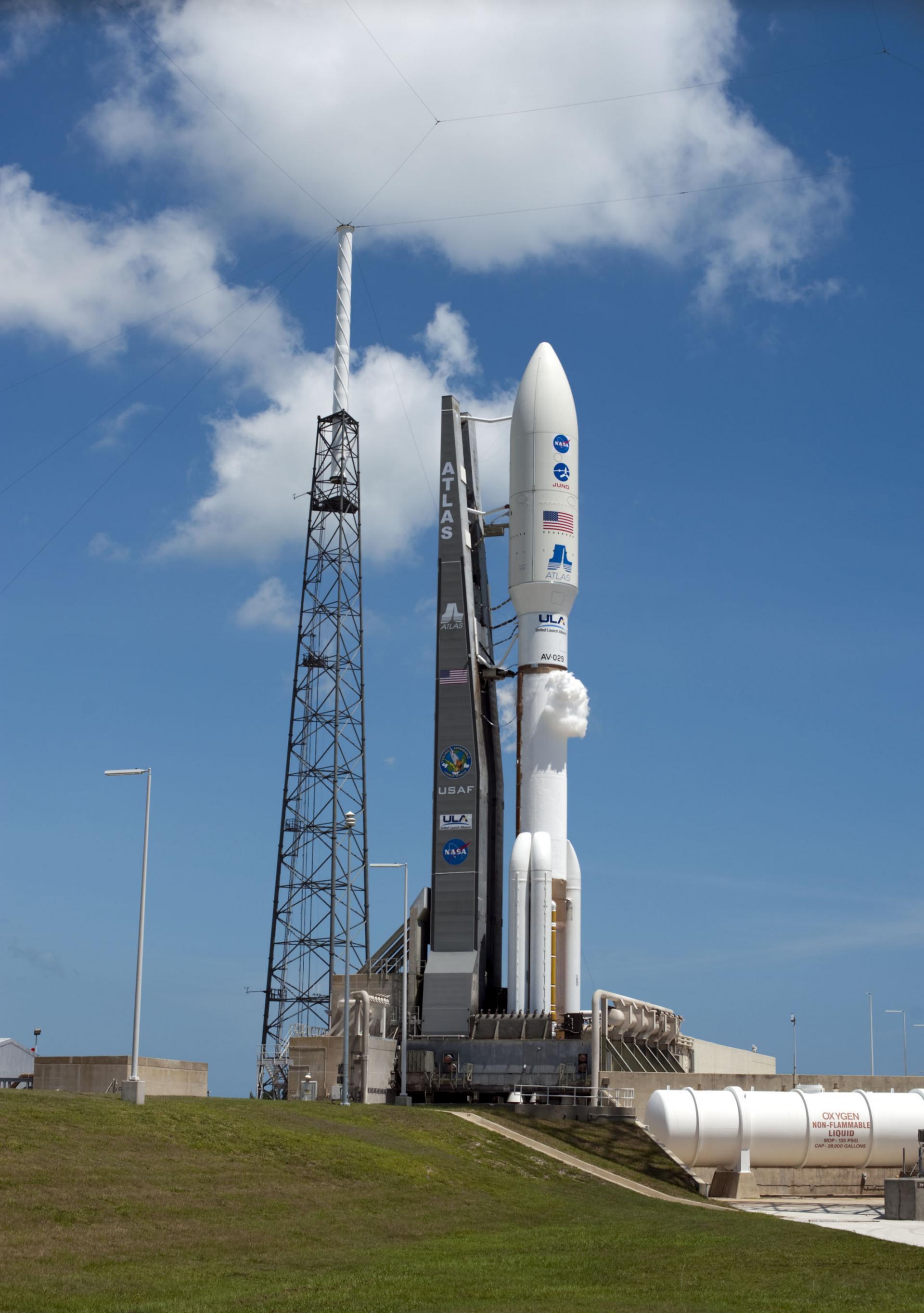
Today's highlights include SpaceX's new rocket-reuse record with a spy satellite launch, Space Force's funding strategies, and a European defense summit addressing security concerns.
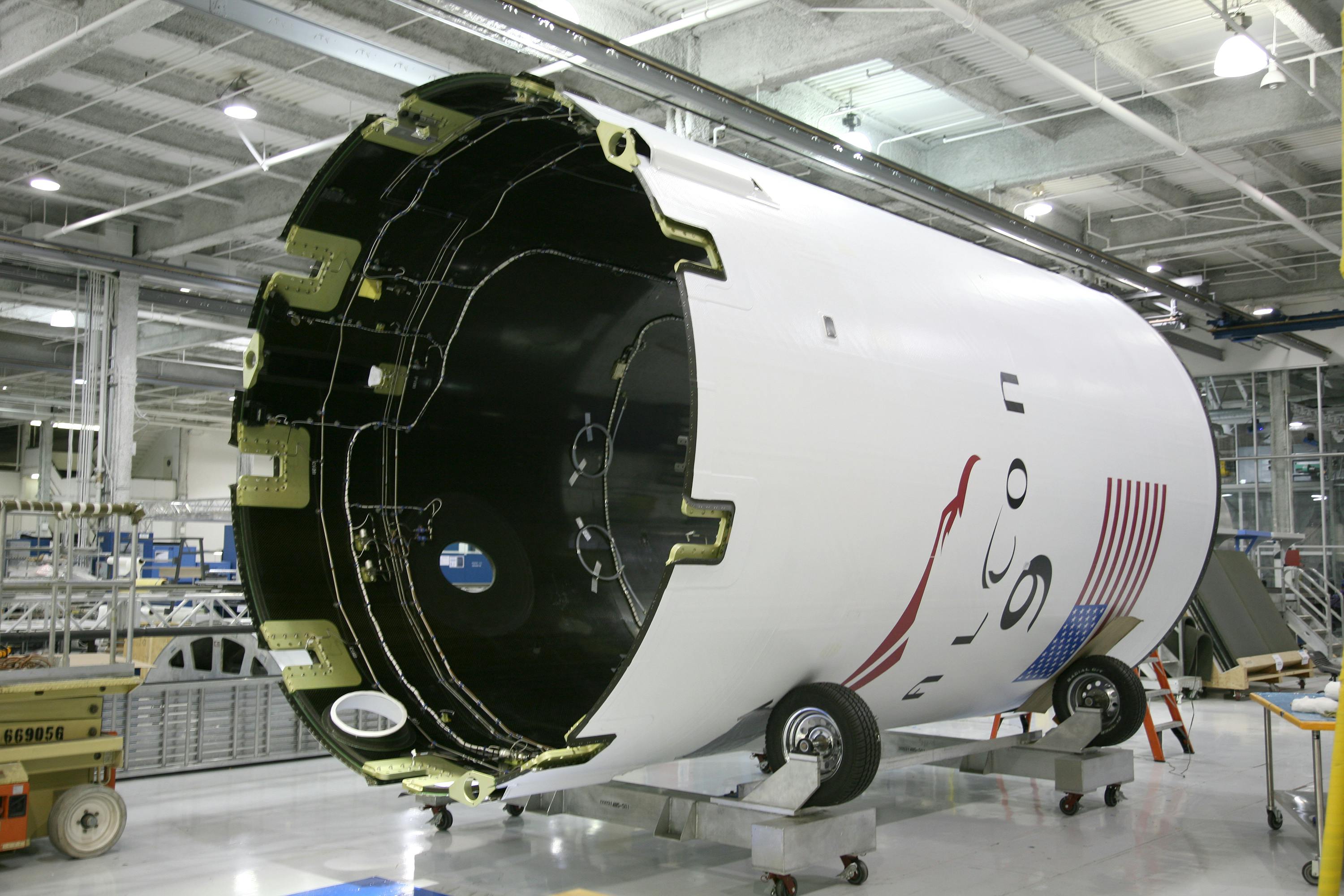
SpaceX gears up for distinctive Starship tests and milestone Starlink deployments as the new year takes off.

On May 4, 1989, Space Shuttle Atlantis lifted off from LC-39B carrying Magellan, NASA's first interplanetary mission since 1978. The eleven-year drought ended in a payload bay, and the radar that emerged would map ninety-eight percent of Venus through clouds that no camera could ever see through.

NASA's Van Allen Probe A (1,300 lbs) reenters today after 14 years studying Earth's radiation belts. Most debris will burn up; ocean impact statistically likely.
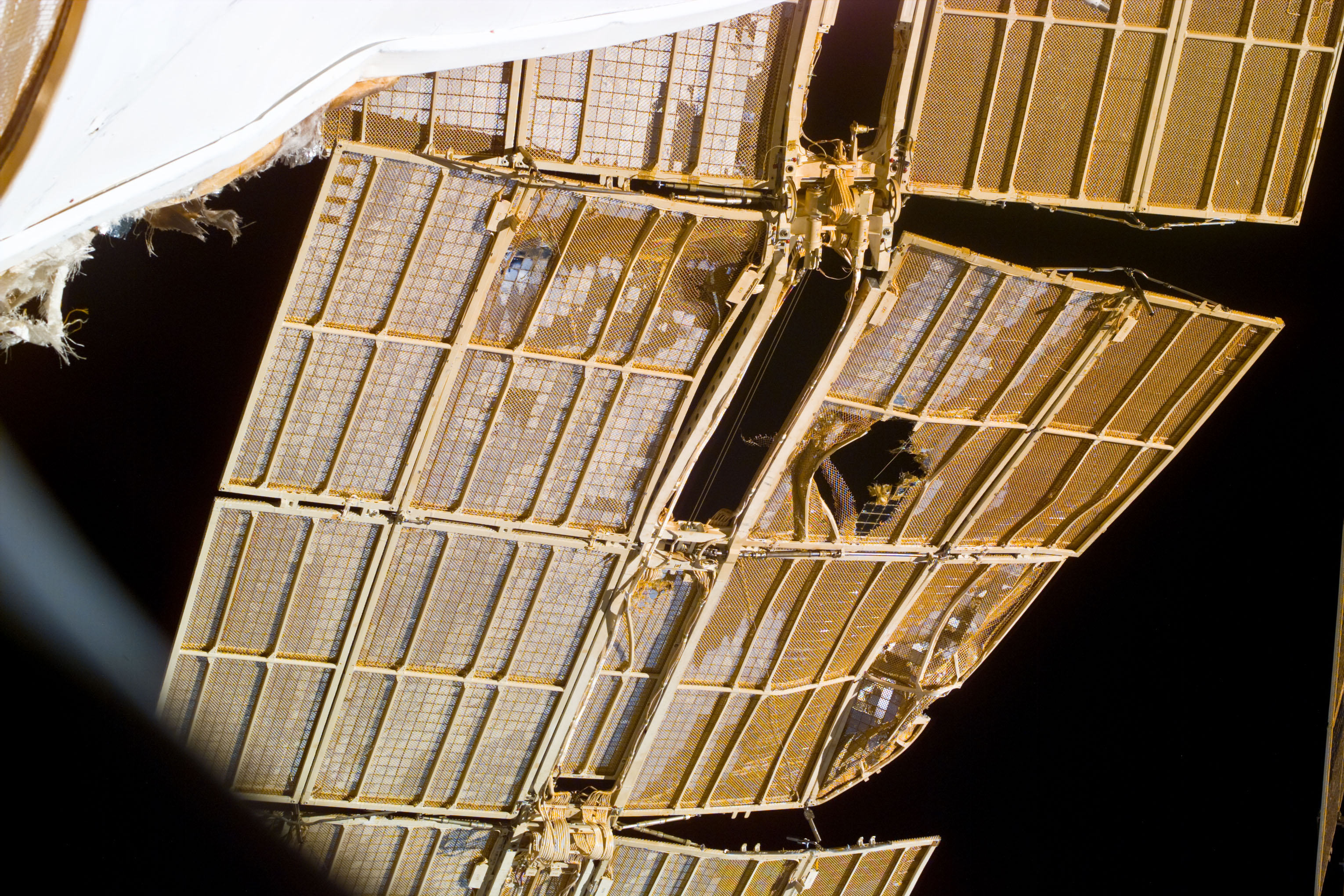
On 25 June 1997, a seven-ton cargo ship under hand control drifted into Mir's Spektr module, breached the hull, and left three crew members listening to their air hiss into space. It remains the worst collision in the history of human spaceflight.

Today's Space Brief covers significant satellite launches by SpaceX, an automated collision avoidance system development, Rocket Lab's strategic acquisition, and the rise of corporate-named satellites in orbit.
LeoLabs debuts Delta, a space monitoring tool designed for military operators to detect adversarial orbital activity beyond standard conjunction warnings.