

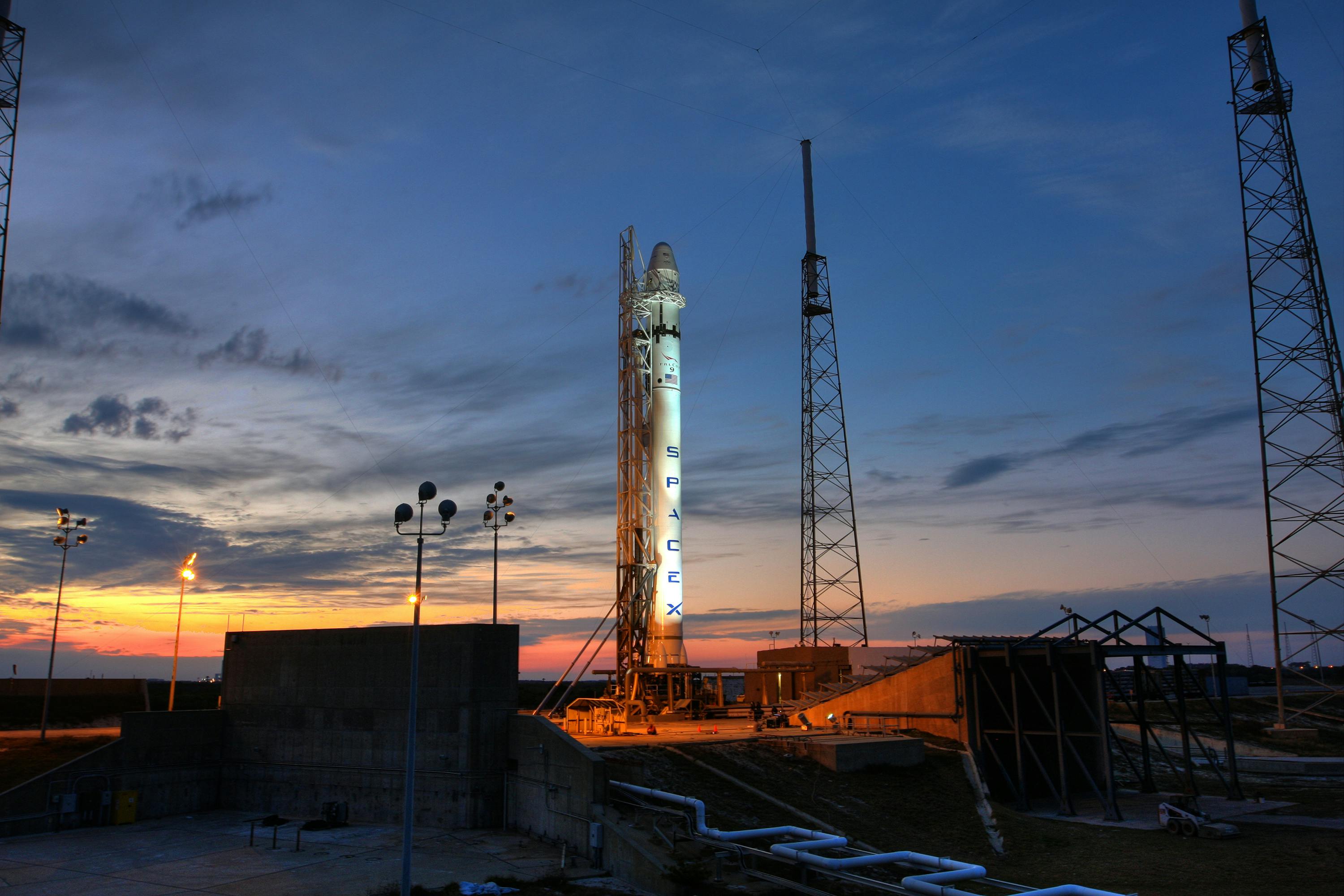
B1067 Flies Record 36th Mission on Starlink 10-42 | KeepTrack X Report
Booster B1067 sets a new Falcon 9 reuse record on its 36th flight, lifting Starlink 10-42 from Cape Canaveral at 5:25 a.m. EDT.



Launch Date
May 6, 2022
Launch Site
Launch Pad
LC39A
Launch Vehicle
NORAD ID
52506
International Designator
2022-049BH
Decay Date
6/18/2022
Name
FALCON 9 DEB
Alternative Name
Starlink deployment rail
Type
Status
Owner
SPXS
Country
United States
Constellation
N/A
Related Satellites
Major Events
N/A
Length
7
Diameter
0.02
Span
7
Dry Mass
50
Launch Mass
50
Shape
Cyl
Radar Cross Section
Unknown
Visual Magnitude
Unknown
Color
Unknown
Material Composition
Unknown
Payload
Unknown
Purpose
Unknown
Mission
Unknown
Manufacturer
SPXS
Life Expectancy
Unknown
Bus
Unknown
Configuration
Unknown
Motor
Unknown
Equipment
Unknown
Power System
Unknown
ADCS
Unknown
Transmitter Frequency
Unknown
Learn more about satellites and other related topics.
Booster B1067 sets a new Falcon 9 reuse record on its 36th flight, lifting Starlink 10-42 from Cape Canaveral at 5:25 a.m. EDT.
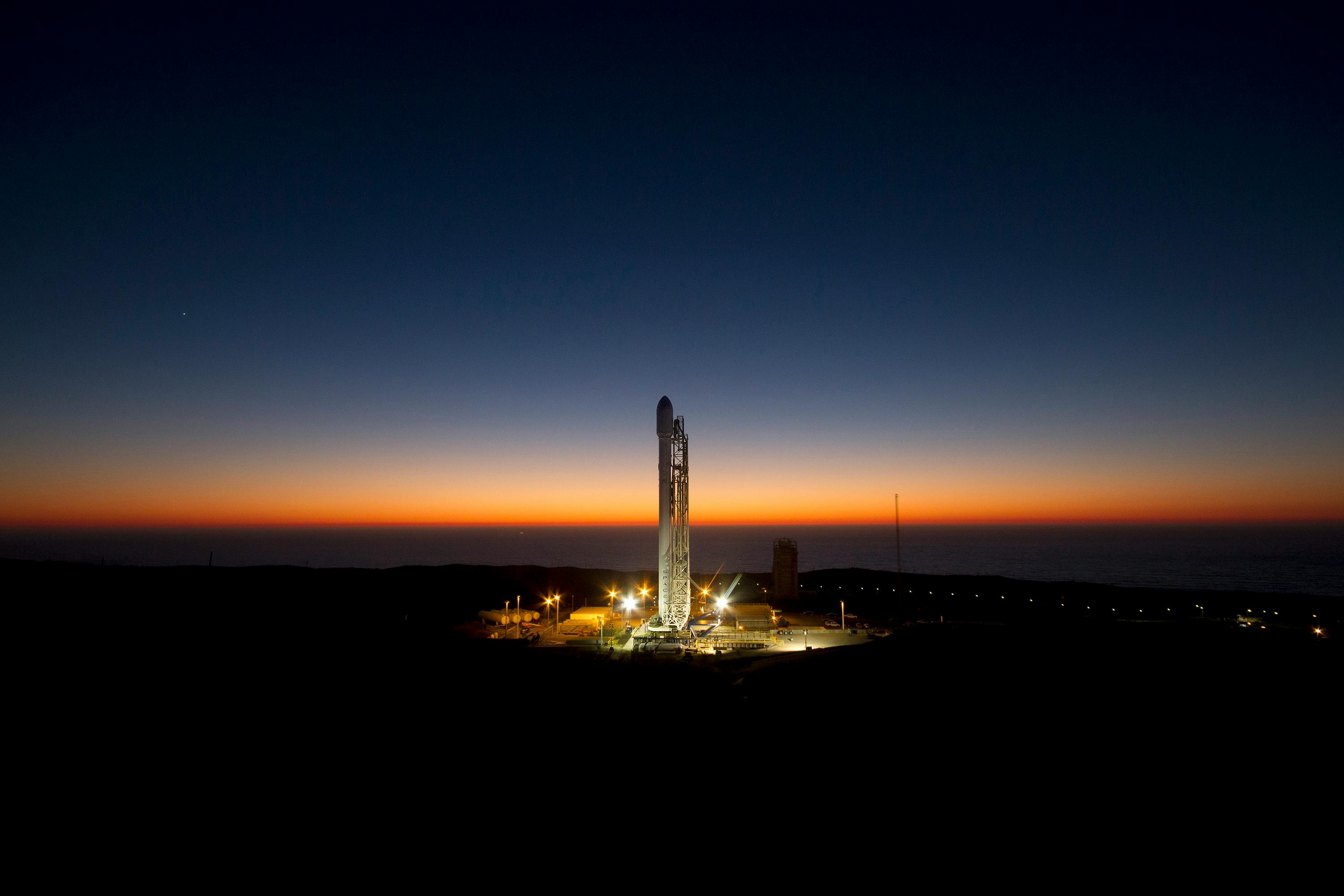
SpaceX addresses the cause of its recent Starship Flight 8 explosion, while successfully launching 23 more Starlink satellites as it continues to expand its constellation.
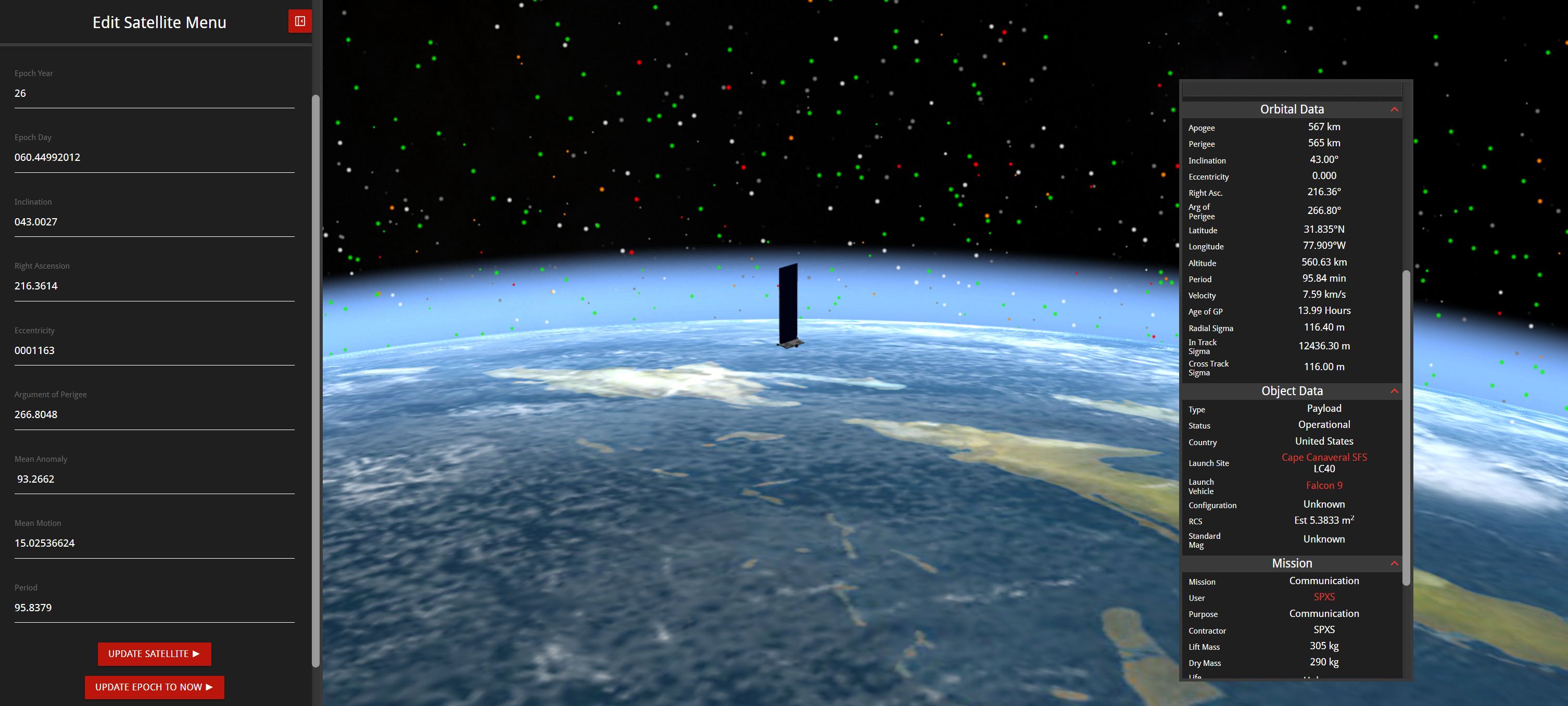
The compact data format that describes every tracked satellite orbit in just two lines of text, and how to read it
SpaceX kicks off 2025 with successful launches and a record-breaking outlook, aiming to maintain its market leadership amidst emerging competition.
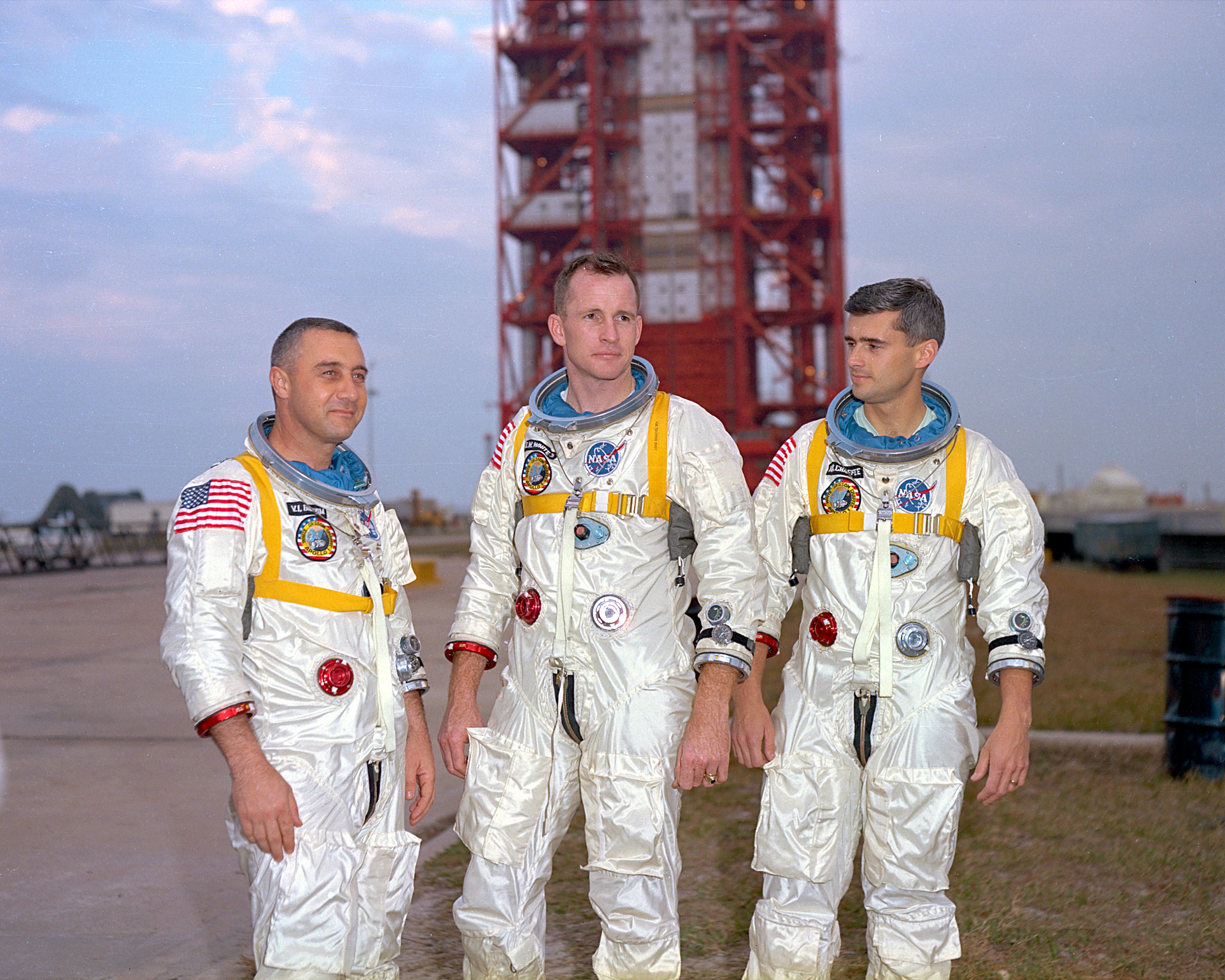
Fifty-eight years ago, a tragic fire during a routine test transformed spacecraft design and created the foundation of modern spaceflight safety culture

SpaceX sets a new reuse record with Falcon 9's 27th flight, continuing its Starlink deployment while facing challenges with Starship development.

Blue Origin reveals plans for 5,400+ satellite constellation targeting enterprise and government with 6 Tbps capacity. SpaceX launches first West Coast Starlink mission of 2026 from Vandenberg.
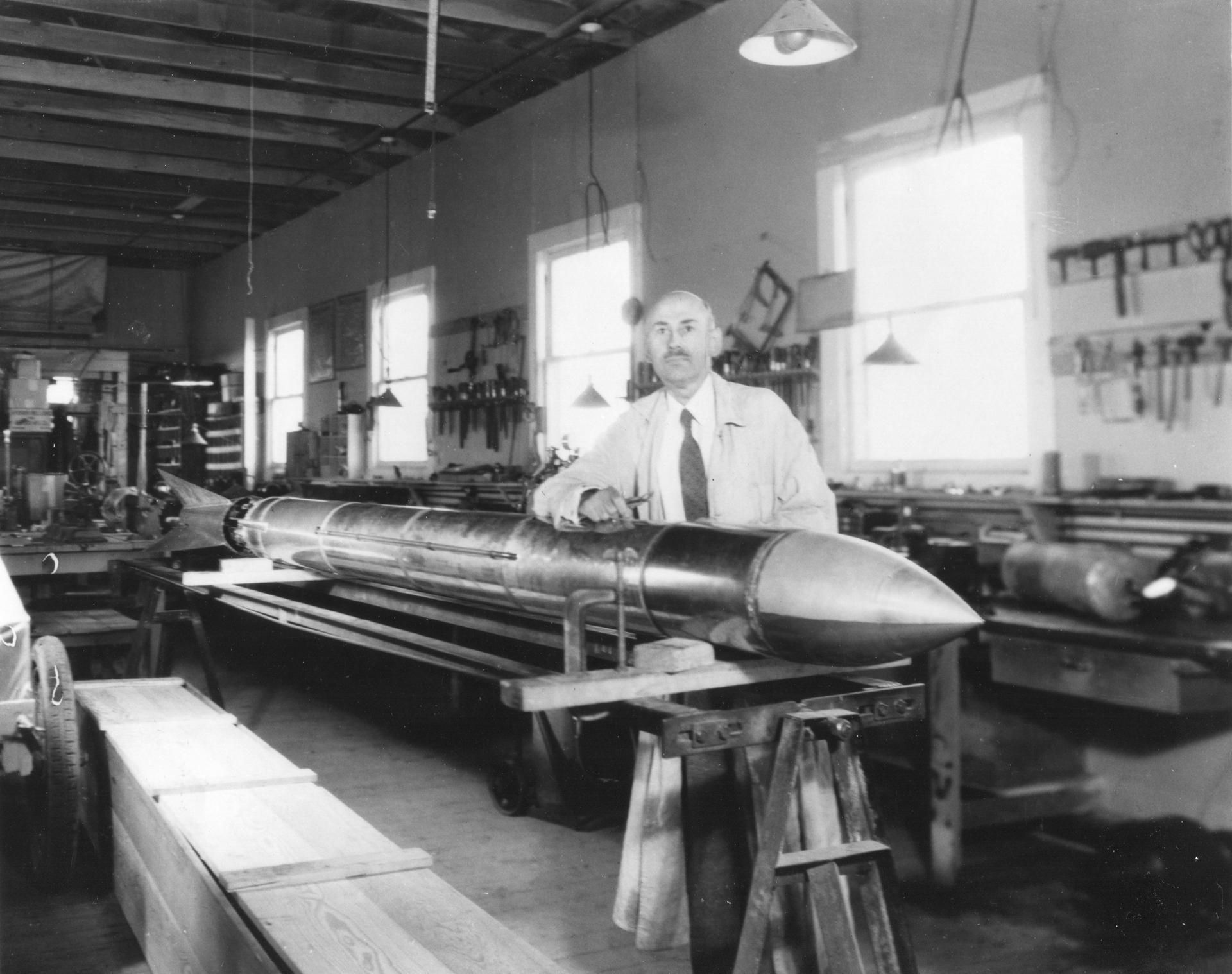
On February 2, 1909, Robert Goddard made a revolutionary breakthrough in his notebook: liquid oxygen and liquid hydrogen could achieve 50% efficiency in converting heat energy to kinetic energy for rocket propulsion