


X Report 19 Mar 2025
SpaceX safely returns Crew-9 from ISS, launches new Starlink satellites, and showcases its satellite kit production capabilities.



Launch Date
May 6, 2022
Launch Site
Launch Pad
LC39A
Launch Vehicle
NORAD ID
52494
International Designator
2022-049AV
Epoch
Mon, 20 Jul 2026 04:51:58 GMT
Apogee
Calculating...
Perigee
Calculating...
Inclination
53.16°
Right Ascension
169.54°
Eccentricity
Calculating...
Argument of Perigee
88.84°
Period
93.79 min
Mean Motion
15.35 rev/day
Latitude
Calculating...
Longitude
Calculating...
Altitude
Calculating...
Velocity
Calculating...
Name
STARLINK-3857
Alternative Name
Starlink 3857
Type
Status
Owner
SPXS
Country
United States
Constellation
N/A
Related Satellites
Major Events
N/A
1 52494U 22049AV 26201.20275685 -.00001452 00000+0 -30743-4 0 9991
2 52494 53.1605 169.5377 0001345 88.8387 271.2770 15.35389486232464
Source: Celestrak
Length
0.2
Diameter
2.8
Span
9
Dry Mass
220
Launch Mass
297
Shape
Box + pan
Radar Cross Section
Unknown
Visual Magnitude
Unknown
Color
Unknown
Material Composition
Unknown
Payload
Starlink Group 4-17-44
Purpose
Communication
Mission
Communication
Manufacturer
SPXS
Life Expectancy
Unknown
Bus
Starlink
Configuration
Unknown
Motor
Krypton ion thrusters
Equipment
Ku/Ka-band payload, optical inter-satellite link
Power System
Solar arrays, batteries
ADCS
Unknown
Transmitter Frequency
Unknown
Learn more about satellites and other related topics.
SpaceX safely returns Crew-9 from ISS, launches new Starlink satellites, and showcases its satellite kit production capabilities.

SpaceX successfully launched another batch of Starlink satellites in a night mission, marking a significant return to evening launches post-regulations.

Explore China's ambitions to expand its Tiangong space station, NASA's next steps for the Europa Clipper mission, and ESA's efforts to support the European space industry. Discover the latest in satellite tracking and consider the fascinating findings on potential life on Mars.
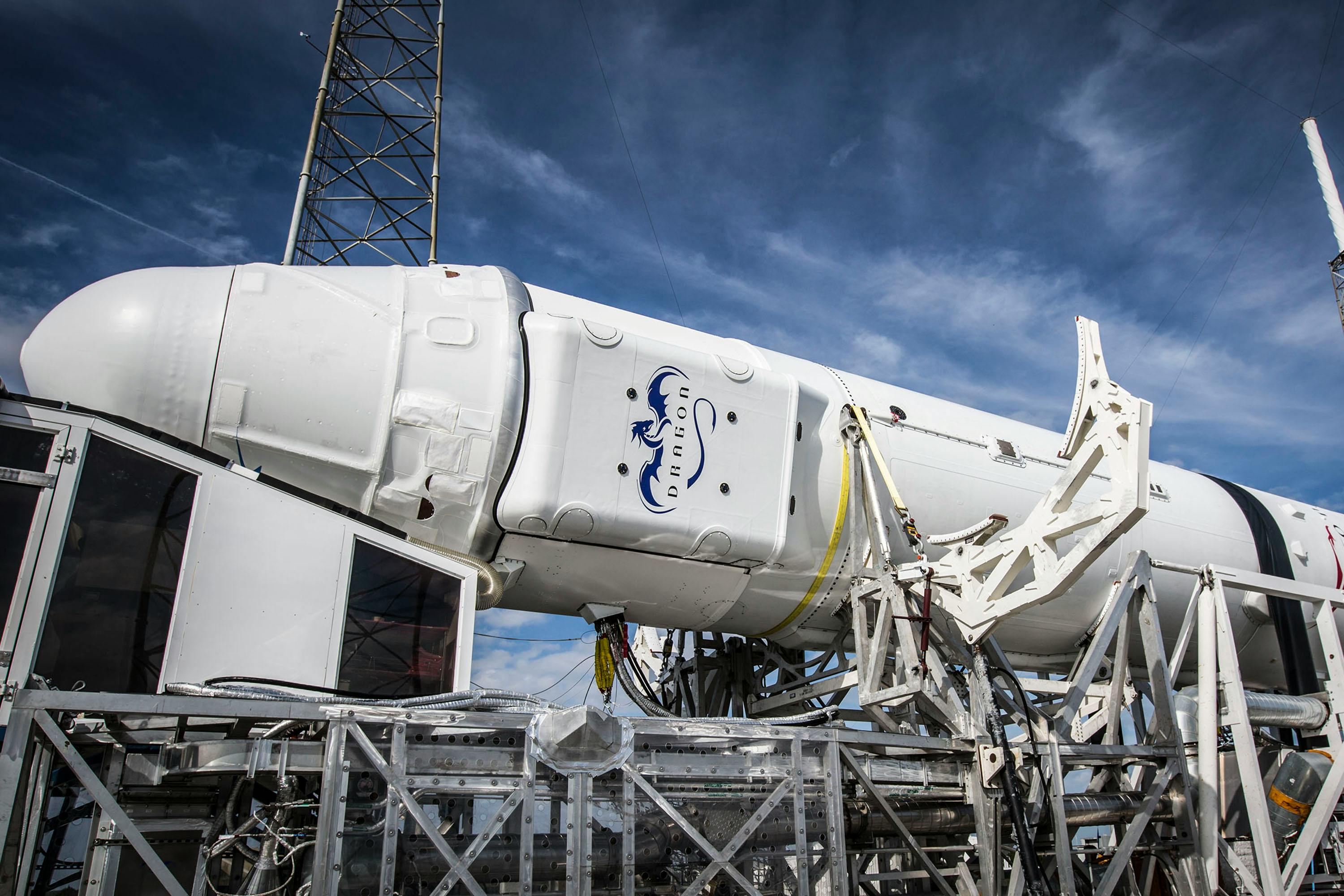
A second Starlink satellite malfunction in just over three months has generated on-orbit debris, raising fresh questions about SpaceX's 10,151-strong working constellation.
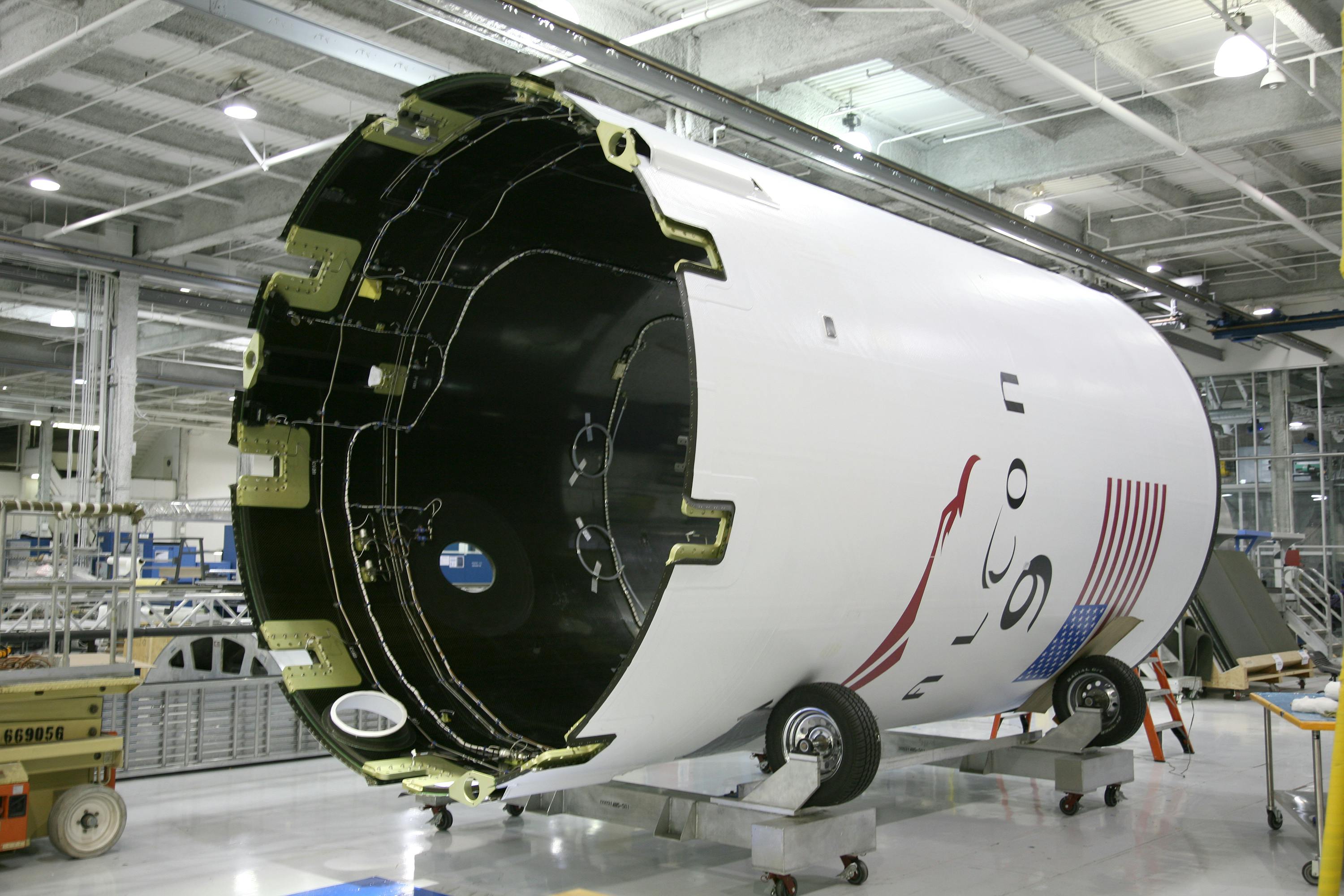
SpaceX successfully launched 28 Starlink satellites from Florida, marking a significant milestone in their deployment strategy. This follows the recent launch of 26 satellites from California, highlighting ongoing expansion efforts.
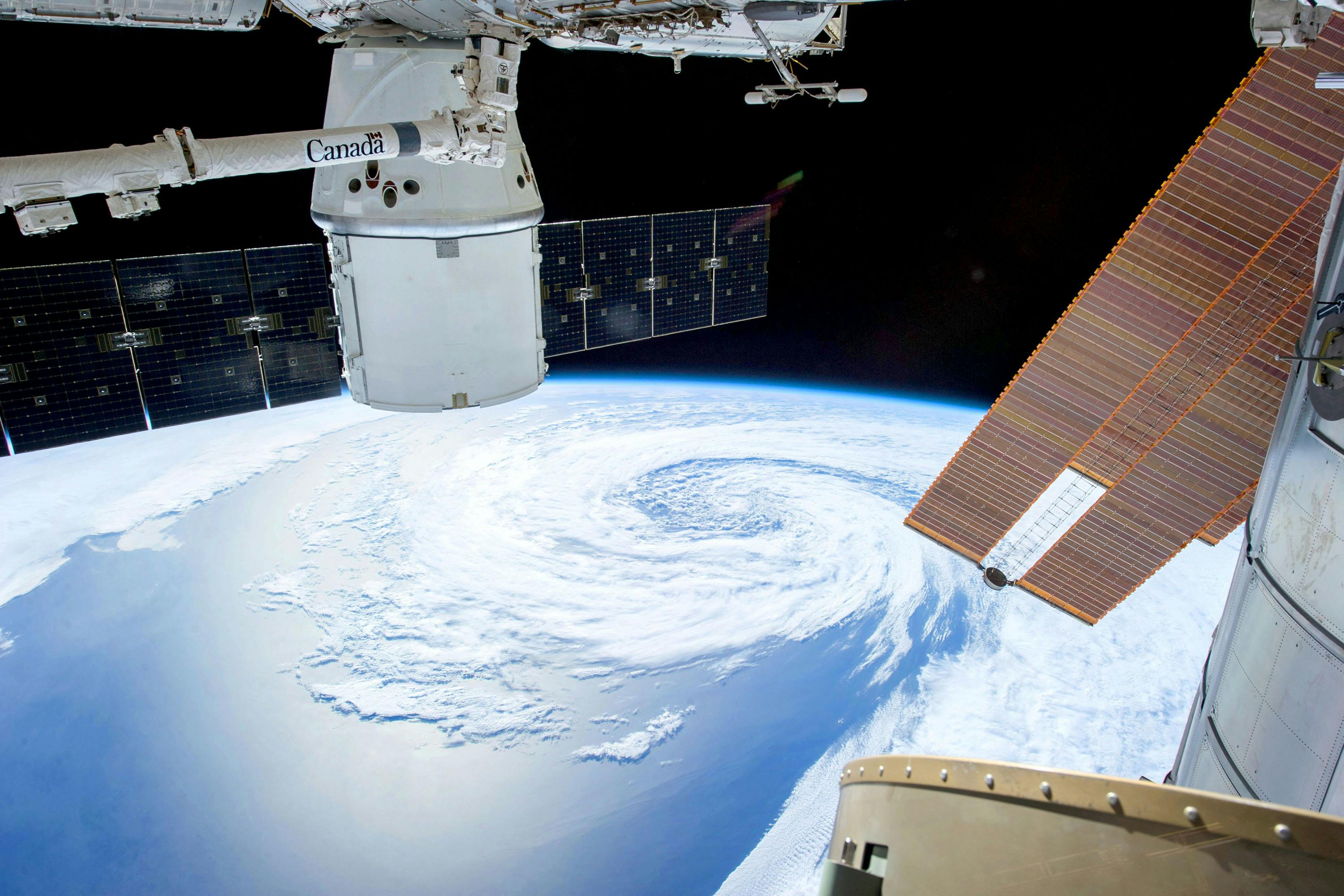
SpaceX marks another milestone and setback with Starship Flight 7, achieving a successful booster catch but losing the upper stage during ascent.
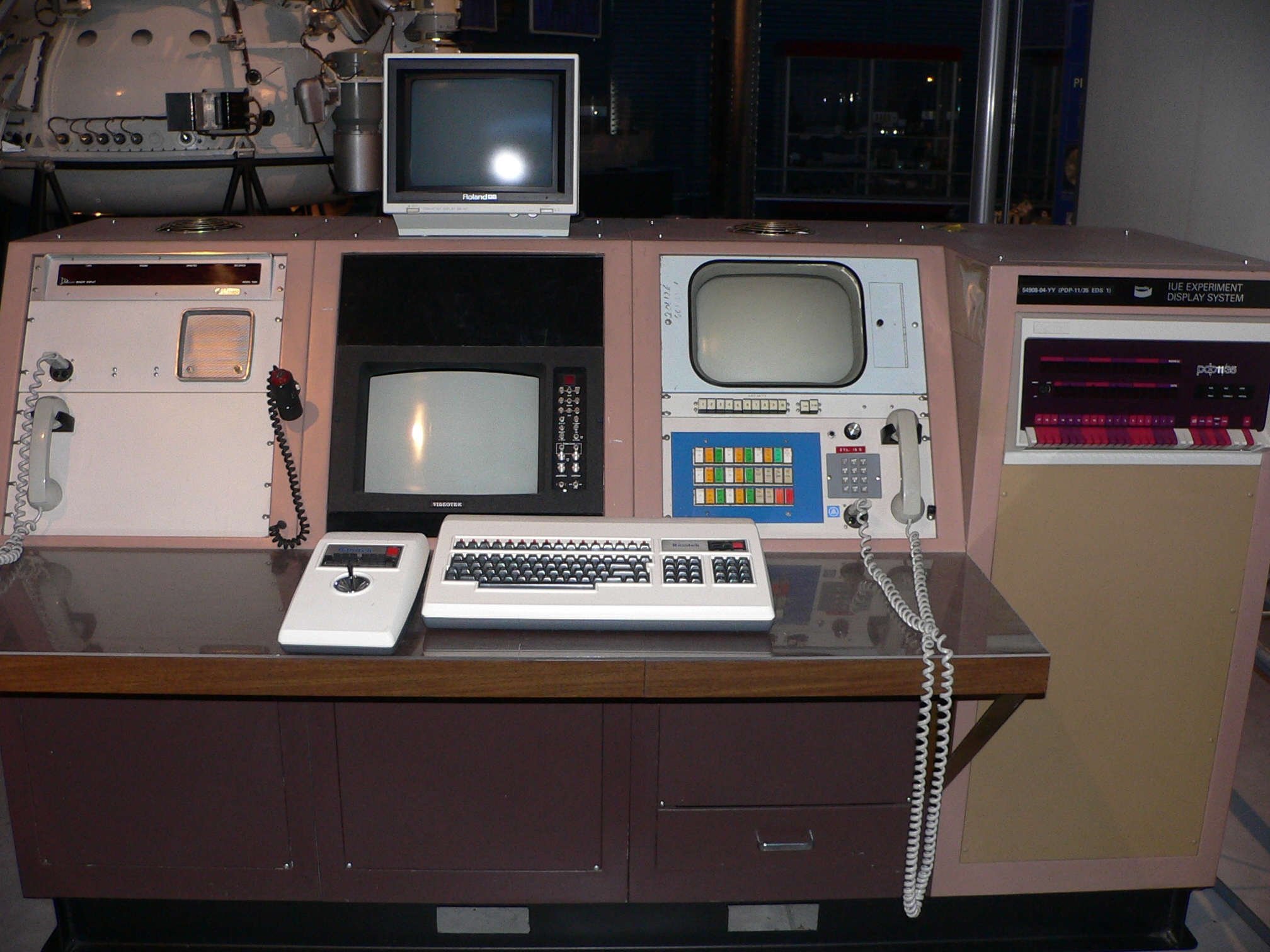
Forty-seven years ago, a revolutionary space telescope changed our view of the cosmos, pioneering international cooperation in space-based astronomy

ULA Vulcan Centaur launches USSF-87 with two GSSAP surveillance satellites to near-GEO orbit. NRO expands commercial imaging. Integrate raises $17M for classified platform.