



Space Brief 26 Jun 2025
Exploring new defense agreements with Eutelsat, advances in U.S. Space Force projects, and updates on NATO's strategic discussions.



Launch Date
May 6, 2022
Launch Site
Launch Pad
LC39A
Launch Vehicle
NORAD ID
52489
International Designator
2022-049AQ
Epoch
Mon, 20 Jul 2026 06:00:04 GMT
Apogee
Calculating...
Perigee
Calculating...
Inclination
53.16°
Right Ascension
183.62°
Eccentricity
Calculating...
Argument of Perigee
26.77°
Period
94.98 min
Mean Motion
15.16 rev/day
Latitude
Calculating...
Longitude
Calculating...
Altitude
Calculating...
Velocity
Calculating...
Name
STARLINK-3923
Alternative Name
Starlink 3923
Type
Status
Owner
SPXS
Country
United States
Constellation
N/A
Related Satellites
Major Events
N/A
1 52489U 22049AQ 26201.25004630 .00030675 00000+0 15808-2 0 9990
2 52489 53.1603 183.6211 0001922 26.7704 124.3873 15.16146231 5755
Source: Celestrak
Length
0.2
Diameter
2.8
Span
9
Dry Mass
220
Launch Mass
297
Shape
Box + pan
Radar Cross Section
Unknown
Visual Magnitude
Unknown
Color
Unknown
Material Composition
Unknown
Payload
Starlink Group 4-17-39
Purpose
Communication
Mission
Communication
Manufacturer
SPXS
Life Expectancy
Unknown
Bus
Starlink
Configuration
Unknown
Motor
Krypton ion thrusters
Equipment
Ku/Ka-band payload, optical inter-satellite link
Power System
Solar arrays, batteries
ADCS
Unknown
Transmitter Frequency
Unknown
Learn more about satellites and other related topics.
Exploring new defense agreements with Eutelsat, advances in U.S. Space Force projects, and updates on NATO's strategic discussions.

Today's highlights include the cancellation of Starship landing plans, Planet Labs' defense expansion, and cutting-edge radiation-hardened tech for space and defense.

Today's Space Brief covers reentries, the impact of NOAA dismissals on space weather tracking, a strategic academic partnership probing cosmic mysteries, and a newly unveiled space motto.
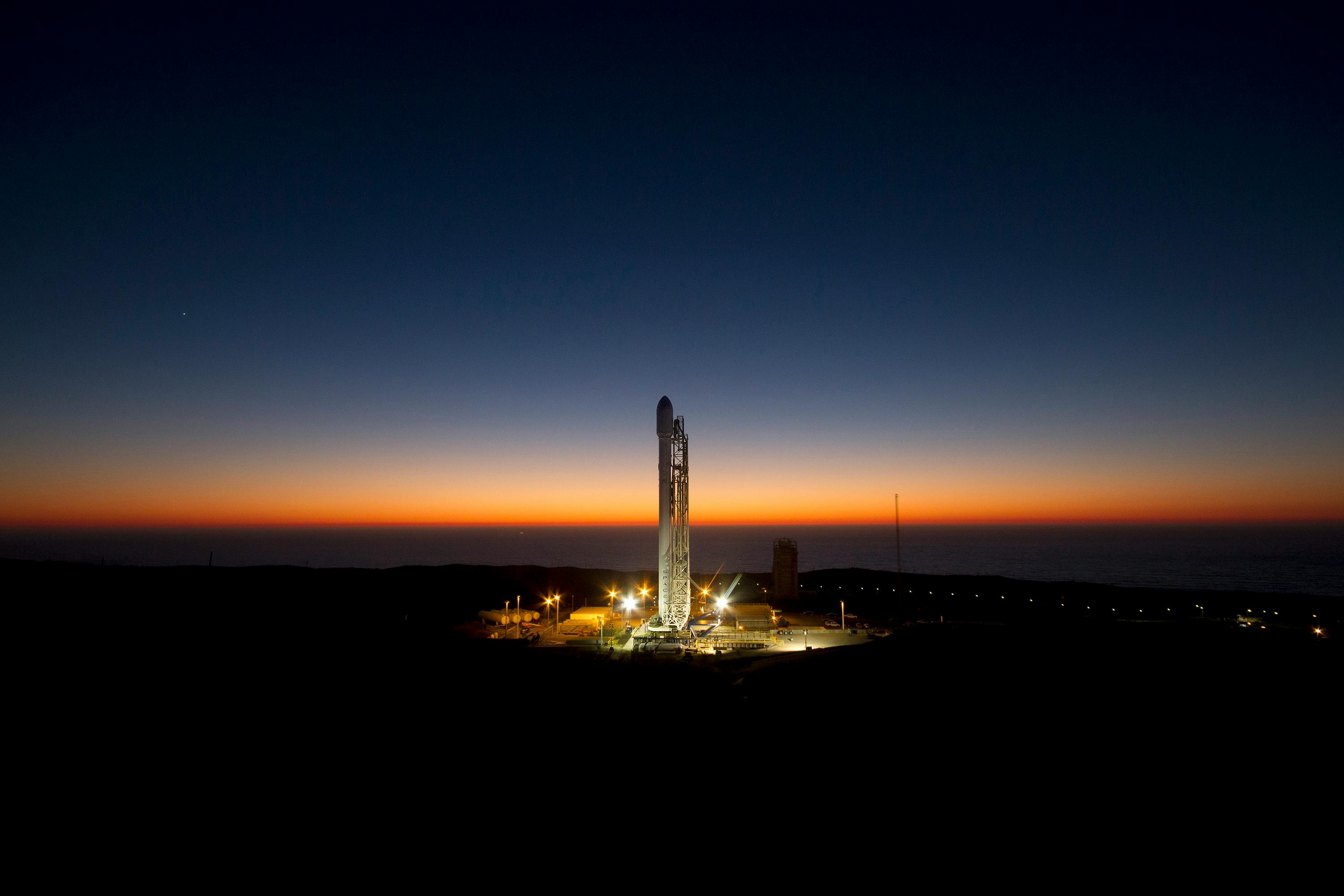
SpaceX's plans for the Transporter-15 mission are temporarily delayed as the Falcon 9 launch was scrubbed. The next launch attempt is now targeted for Friday, Nov. 28, with hopes of delivering 140 payloads into sun-synchronous orbit.
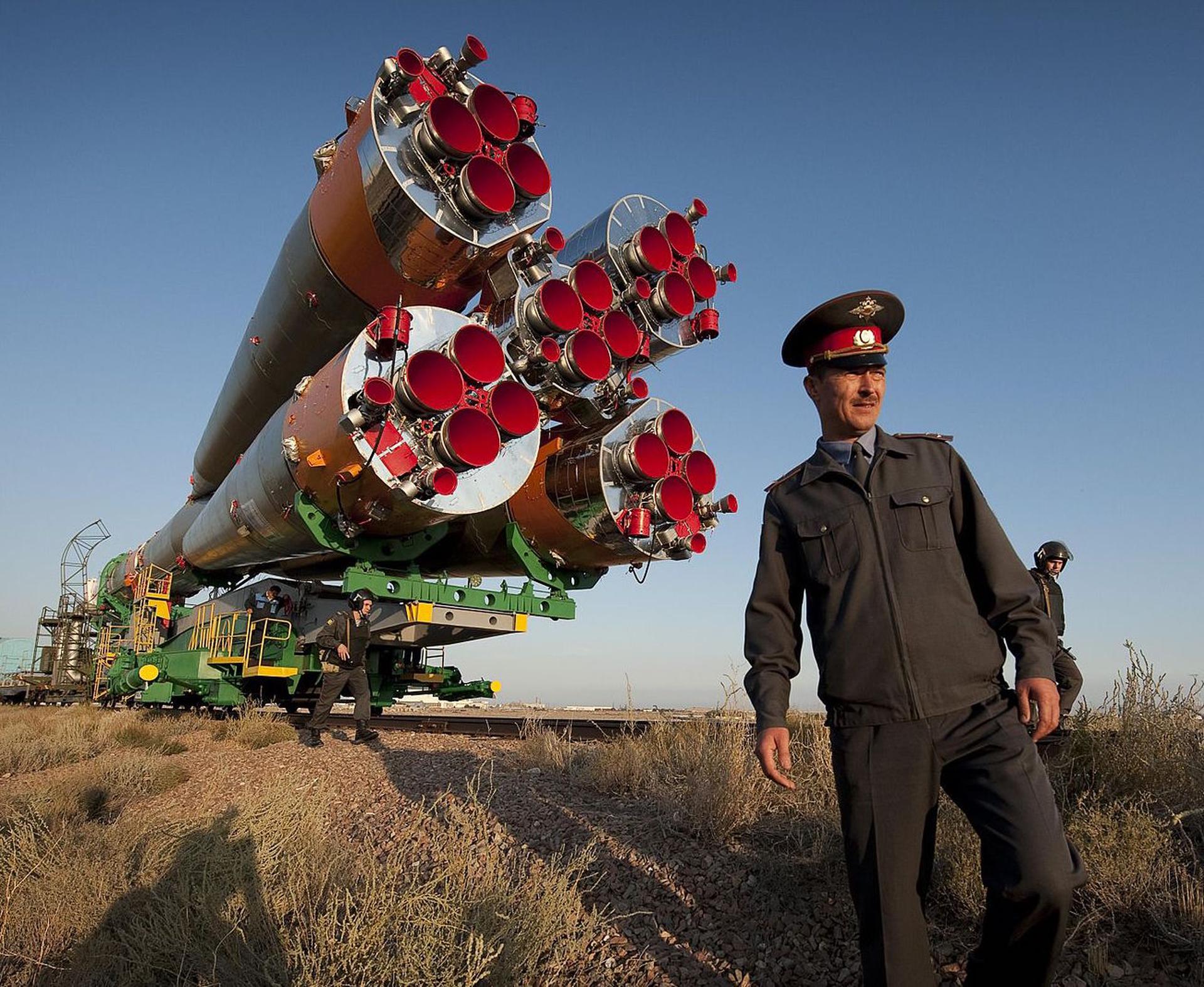
SpaceX achieves a new launch record with its Starlink mission, NASA's Perseverance rover captures eerie Martian winds, and Buzz Aldrin endorses Trump. Plus, discussions around space debris and military space tech agreements.
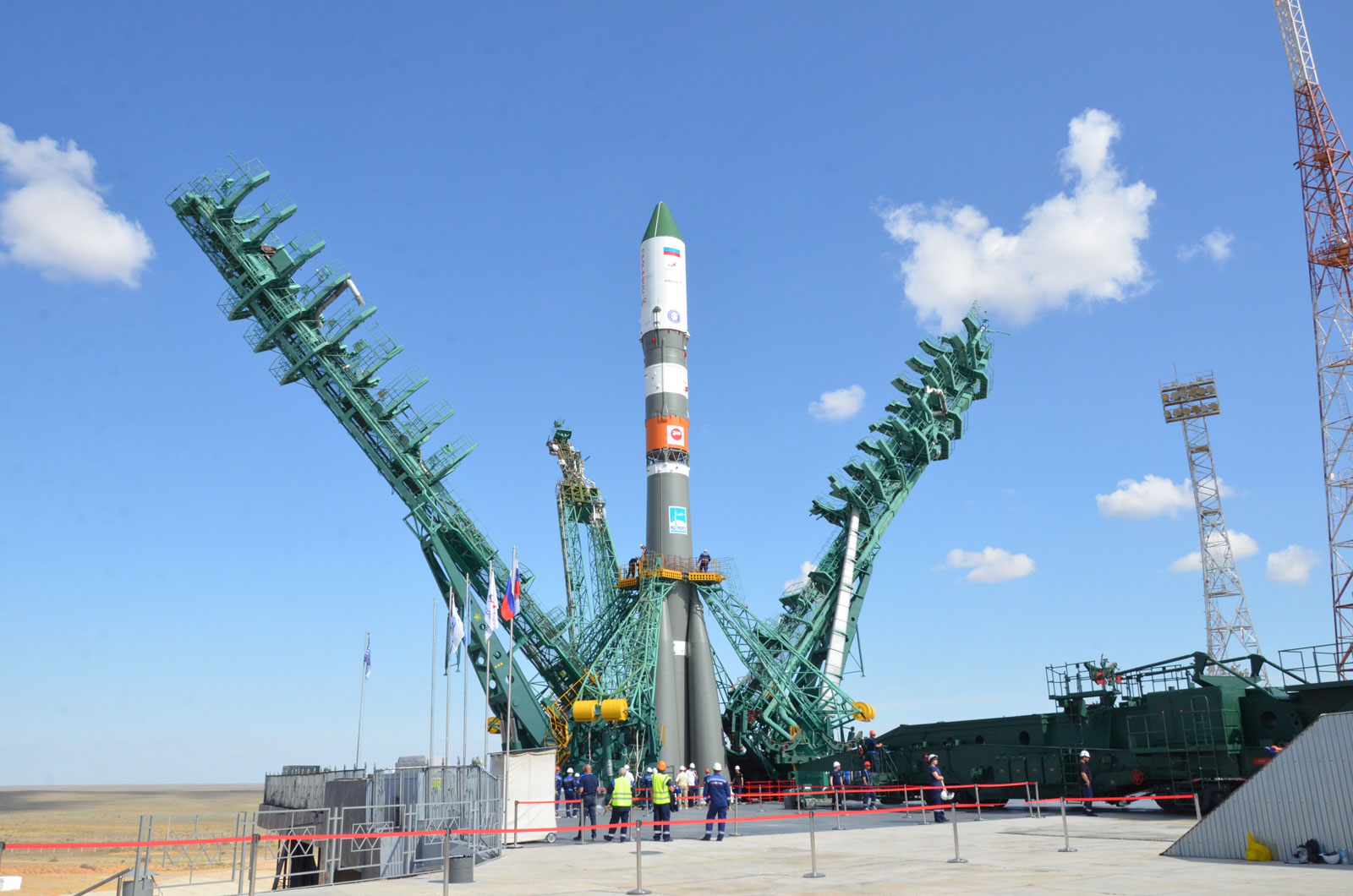
China's Tiangong space station completes crew rotation, Rocket Lab prepares for confidential launch, and Japan successfully launches military satellite with its H3 rocket.

Sixty-three years ago, the Soviet Union selected the world's first female cosmonaut training group, launching a new era in human spaceflight that would transform our understanding of gender equality in space exploration

SpaceX readies Starship Flight 13 for July 16 launch to deploy first Starlink V3 satellites as Falcon 9 logs its 600th booster reuse.