STARLINK-3909 (52452)

COSPAR: 2022-049B | Alt Name: Starlink 3909

Image
STARLINK-3909 Satellite Image
Additional Sources
Launch Details

Launch Date

May 6, 2022

Launch Pad

LC39A

Launch Vehicle

Falcon 9

Orbital Elements

NORAD ID

52452

International Designator

2022-049B

Epoch

Sun, 19 Jul 2026 06:37:03 GMT

Apogee

Calculating...

Perigee

Calculating...

Inclination

53.16°

Right Ascension

197.99°

Eccentricity

Calculating...

Argument of Perigee

69.97°

Period

95.44 min

Mean Motion

15.09 rev/day

Latitude

Calculating...

Longitude

Calculating...

Altitude

Calculating...

Velocity

Calculating...

Polar Plot
3D Visualization
Basic Satellite Info

Name

STARLINK-3909

Alternative Name

Starlink 3909

Type

Payload

Status

Operational

Owner

SPXS

Country

United States

Constellation

N/A

Related Satellites

Major Events

N/A

Latest TLEs
1 52452U 22049B   26200.27573209  .00000203  00000+0  30848-4 0  9991
2 52452  53.1600 197.9902 0000907  69.9732 290.1357 15.08835152231971

Source: Celestrak

Summary
The STARLINK-3909 satellite, also known as Starlink 3909, is part of the Starlink constellation and was launched on May 6, 2022, from Launch Complex 39A (LC39A) at AFETR using a Falcon 9 launch vehicle. It has dimensions of 0.2 meters in length, a diameter of 2.8 meters, and a span of 9 meters. The satellite features a box with panels shape and weighs approximately 220 kilograms when dry, with a launch mass of 297 kilograms. Equipped with Ku/Ka-band payload communications and optical inter-satellite link technology, it also uses krypton ion thrusters for propulsion. Power is supplied by solar arrays and batteries. The satellite's purpose is to provide communication services as part of the Starlink Group 4-17-02 mission and was manufactured by SpaceX (SPXS).

Starlink is a satellite constellation developed by SpaceX with the aim of providing global broadband internet coverage. Thousands of small satellites are deployed in low Earth orbit (LEO), enabling high-speed internet access even in remote areas. However, the rapid increase in satellites raises concerns about space debris and the potential for collisions, which can lead to further debris creation and endanger other spacecraft. Additionally, the sheer number of Starlink satellites can affect astronomical observations by increasing light pollution. Proper deorbiting plans and international coordination are essential to mitigate these challenges and ensure long-term sustainability in space.
Physical Characteristics

Length

0.2

Diameter

2.8

Span

9

Dry Mass

220

Launch Mass

297

Shape

Box + pan

Radar Cross Section

Unknown

Visual Magnitude

Unknown

Color

Unknown

Material Composition

Unknown

Technical Details

Payload

Starlink Group 4-17-02

Purpose

Communication

Mission

Communication

Manufacturer

SPXS

Life Expectancy

Unknown

Bus

Starlink

Configuration

Unknown

Motor

Krypton ion thrusters

Equipment

Ku/Ka-band payload, optical inter-satellite link

Power System

Solar arrays, batteries

ADCS

Unknown

Transmitter Frequency

Unknown

Map
This tool will help you track the satellite's position and predict its upcoming passes over your location. Simply input the coordinates or click the geolocation button to get started.
Next Pass
Azimuth Elevation Time (Local)
Start Azimuth
Max Elevation
Stop Azimuth
Time Until
Pass Duration

Satellite Articles

View All Posts »

Learn more about satellites and other related topics.

X Report 14 Dec 2024

X Report 14 Dec 2024

SpaceX advances with Starship readiness, scrubs mysterious RRT-1 launch, and successfully deploys more Starlink satellites.

The Day Humanity First Used a Planet to Navigate the Solar System

The Day Humanity First Used a Planet to Navigate the Solar System

Fifty-one years ago, Mariner 10 revolutionized space exploration by executing the first-ever planetary gravity assist at Venus, pioneering a technique that would transform how we explore the solar system
Boeing Starliner Faces New Setbacks, Stranding NASA Astronauts on ISS

Boeing Starliner Faces New Setbacks, Stranding NASA Astronauts on ISS

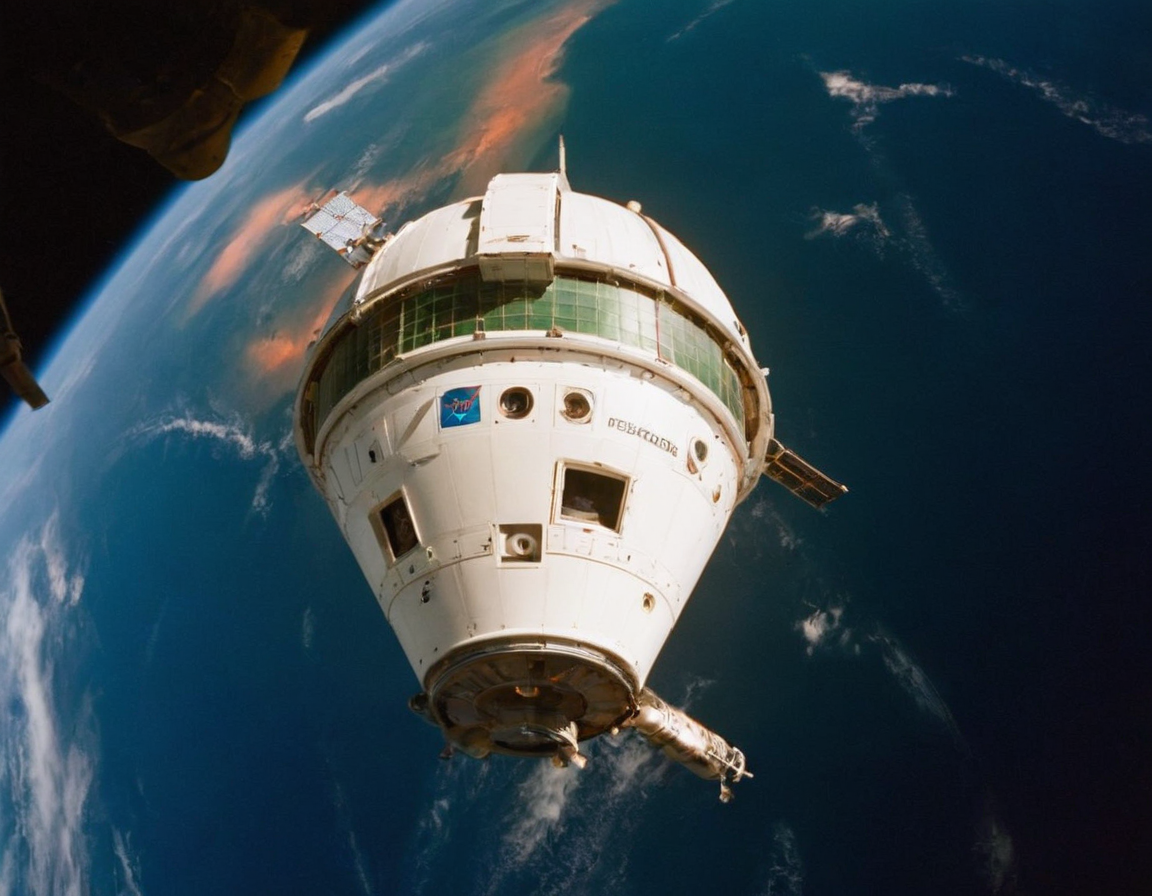
Boeing's Starliner spacecraft encounters thruster problems and helium leaks during its first crewed mission, potentially delaying the return of NASA astronauts from the International Space Station.
SpaceX Acquires xAI, Starlink Bypasses Iran Internet Blackouts | KeepTrack Space Brief

SpaceX Acquires xAI, Starlink Bypasses Iran Internet Blackouts | KeepTrack Space Brief

SpaceX acquires xAI to develop orbital data centers. Starlink terminals bypass Iran's government internet blackouts. Blue Origin escalates defense procurement criticism.

The Day Apollo 14 Restored NASA's Lunar Dreams

The Day Apollo 14 Restored NASA's Lunar Dreams

Fifty-four years ago, a Saturn V rocket lifted off carrying three astronauts determined to prove America could still reach the Moon after the near-disaster of Apollo 13
Pentagon Seeks Commercially Built GEO Spy Satellites | KeepTrack Space Brief

Pentagon Seeks Commercially Built GEO Spy Satellites | KeepTrack Space Brief

Pentagon's DIU seeks commercial partners for GEO spy satellites. SpaceX unveils space traffic management system. Bahamas rocket landings resume. GPS III falls short in modern warfare.
X Report 5 Jan 2025

X Report 5 Jan 2025

SpaceX prepares for the next Starship test flight with significant vehicle upgrades, launches UAE's Thuraya-4 satellite, and reflects on a record-breaking 2024 while planning for a promising 2025.

X Report 15 Jul 2025

X Report 15 Jul 2025

Crew-11 launch preparations ramp up, Starship propellant production begins, and a global launch roundup highlights upcoming missions.