

Space Brief 19 Apr 2025
Today's brief covers SpaceX's potential government contract, the future of US Space Command headquarters, an auction record for Neil Armstrong's watch, and the volcanic history of Mars.



Launch Date
February 25, 1971
Launch Site
Launch Pad
LC90/20
Launch Vehicle
Tsiklon-2
NORAD ID
05244
International Designator
1971-015AZ
Decay Date
3/7/1996
Name
COSMOS 397 DEB
Alternative Name
deb Kosmos-397
Type
Status
Owner
PKO
Country
USSR
Constellation
N/A
Related Satellites
Major Events
N/A
Length
0
Diameter
0
Span
0
Dry Mass
0
Launch Mass
0
Shape
N/A
Radar Cross Section
0.0744
Visual Magnitude
Unknown
Color
Unknown
Material Composition
Unknown
Payload
Unknown
Purpose
Unknown
Mission
Unknown
Manufacturer
Unknown
Life Expectancy
Unknown
Bus
Unknown
Configuration
Unknown
Motor
Unknown
Equipment
Unknown
Power System
Unknown
ADCS
Unknown
Transmitter Frequency
Unknown
Learn more about satellites and other related topics.
Today's brief covers SpaceX's potential government contract, the future of US Space Command headquarters, an auction record for Neil Armstrong's watch, and the volcanic history of Mars.

In 2024, China launched 68 orbital missions. In 2025, the number jumped to 97. In 2026, state media and Western analysts agree the target is 140 or more. Most of that growth is being driven by two state-backed mega-constellations, a half-dozen private launch companies hitting stride, and a deliberate national pivot toward commercial space. Beijing is no longer trying to catch SpaceX. It is trying to build an industrial base that outlasts one.

SpaceX delivered 3 Block 2 BlueBird satellites for AST SpaceMobile from Pad 40, advancing direct-to-cell broadband with 10,650 Starlink craft now active.

Today's highlights include Pulsar Fusion's groundbreaking nuclear rocket plans, partnerships for the Haven-1 space station, and a spotlight on military collaboration in quantum technology.
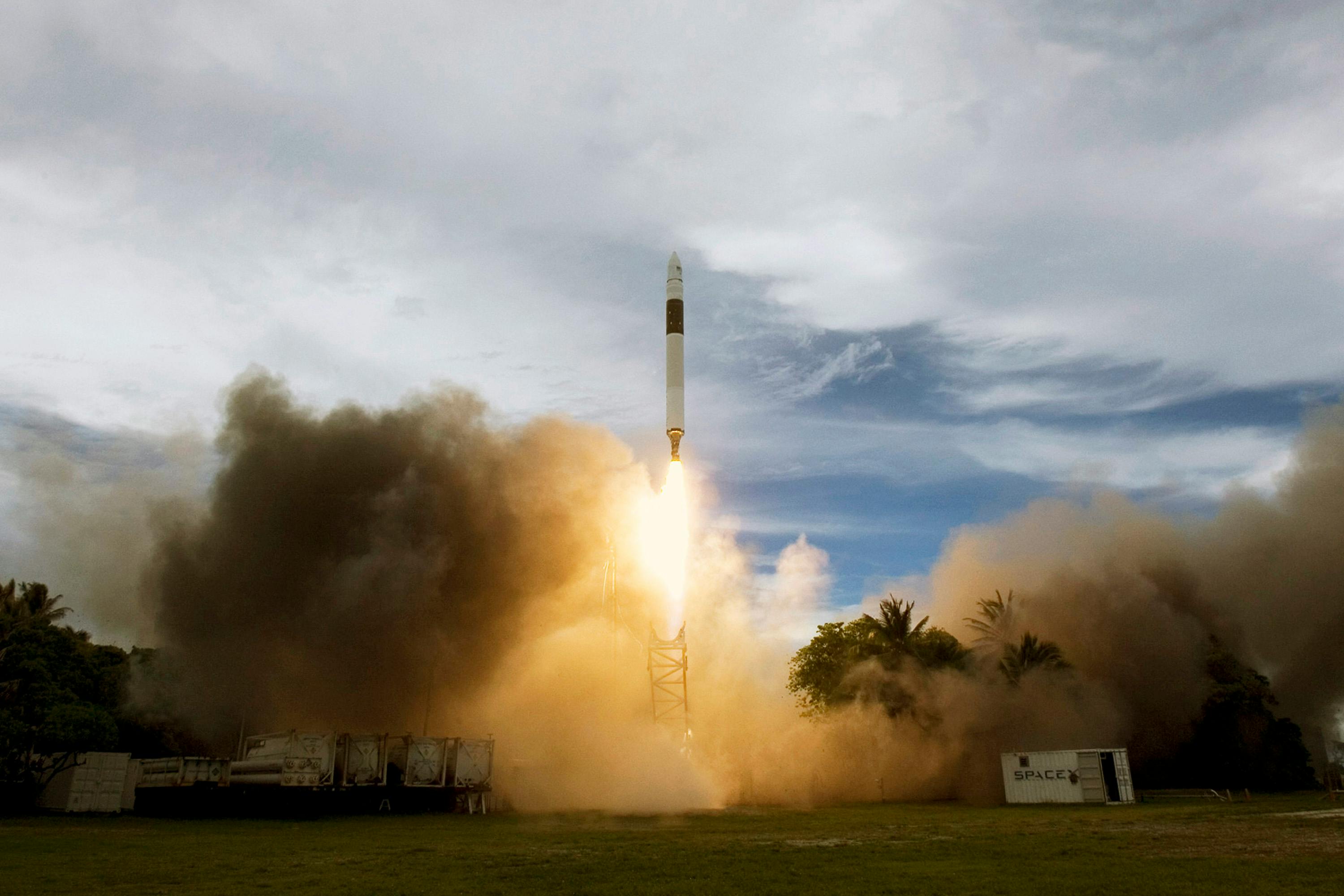
SpaceX number of launches in 2025: a record 165 orbital flights. Starlink added 4.6M customers across 35 new markets; new Vandenberg pad offered.

SpaceX launches Starlink while debuting on Nasdaq at $1.77 trillion valuation. Meanwhile, Senate FY2027 NDAA would dissolve SDA into Space Force, affecting Tranche constellation tracking.
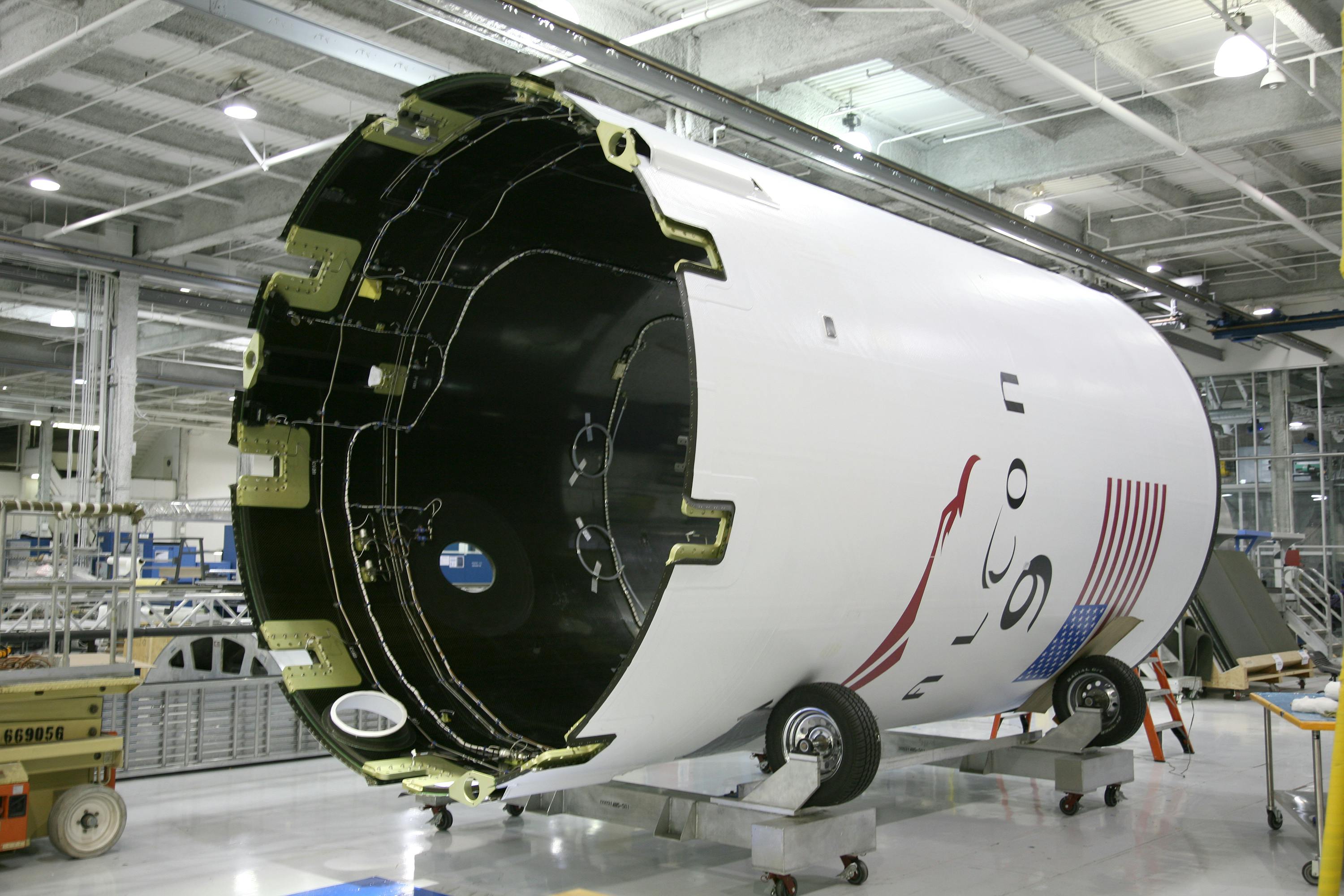
SpaceX stacks Super Heavy booster in preparation for Starship's 12th test flight. Three launches planned this week including ISRO rideshare mission. Musk shares AI and robotics predictions on podcast.

Today's focus spans critical developments in military space initiatives, strategic policy shifts, and modest steps in semiconductor advancements. Key developments include Rocket Lab's new U.S. Air Force contract, Sierra Space's progress in satellite programs, and potential policy changes under Trump's leadership.