

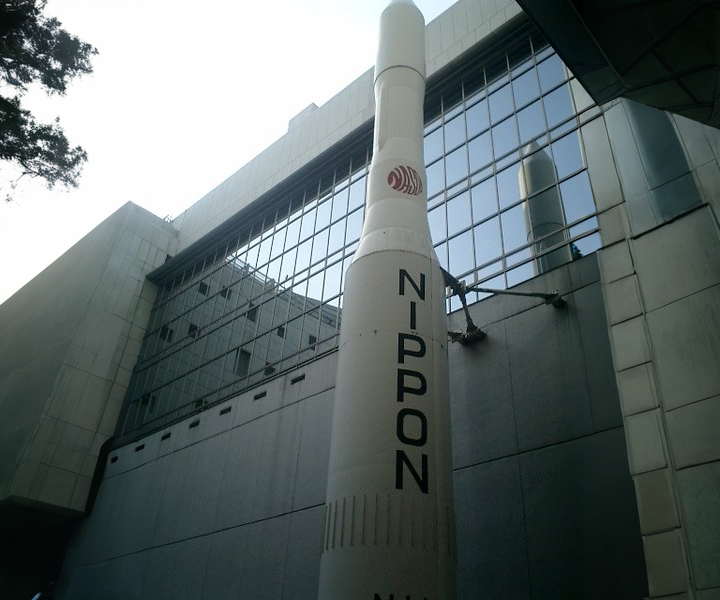
The Day Japan Joined the Geostationary Club
Forty-eight years ago, a pioneering satellite named Kiku 2 propelled Japan into the exclusive group of nations capable of operating satellites in geostationary orbit



Launch Date
April 8, 2022
Launch Site
Launch Pad
LC39A
Launch Vehicle
NORAD ID
52319
International Designator
2022-037B
Decay Date
5/14/2022
Name
AXIOM-1 DEB
Alternative Name
Dragon Trunk
Type
Status
Owner
SPX
Country
United States
Constellation
N/A
Related Satellites
Major Events
N/A
Length
3.7
Diameter
3.7
Span
3.7
Dry Mass
2300
Launch Mass
2300
Shape
Cyl
Radar Cross Section
Unknown
Visual Magnitude
Unknown
Color
Unknown
Material Composition
Unknown
Payload
Dragon D2-11 Trunk
Purpose
Unknown
Mission
Unknown
Manufacturer
SPX
Life Expectancy
Unknown
Bus
Dragon SM
Configuration
Unknown
Motor
Unknown
Equipment
Unknown
Power System
Unknown
ADCS
Unknown
Transmitter Frequency
Unknown
Learn more about satellites and other related topics.
Forty-eight years ago, a pioneering satellite named Kiku 2 propelled Japan into the exclusive group of nations capable of operating satellites in geostationary orbit
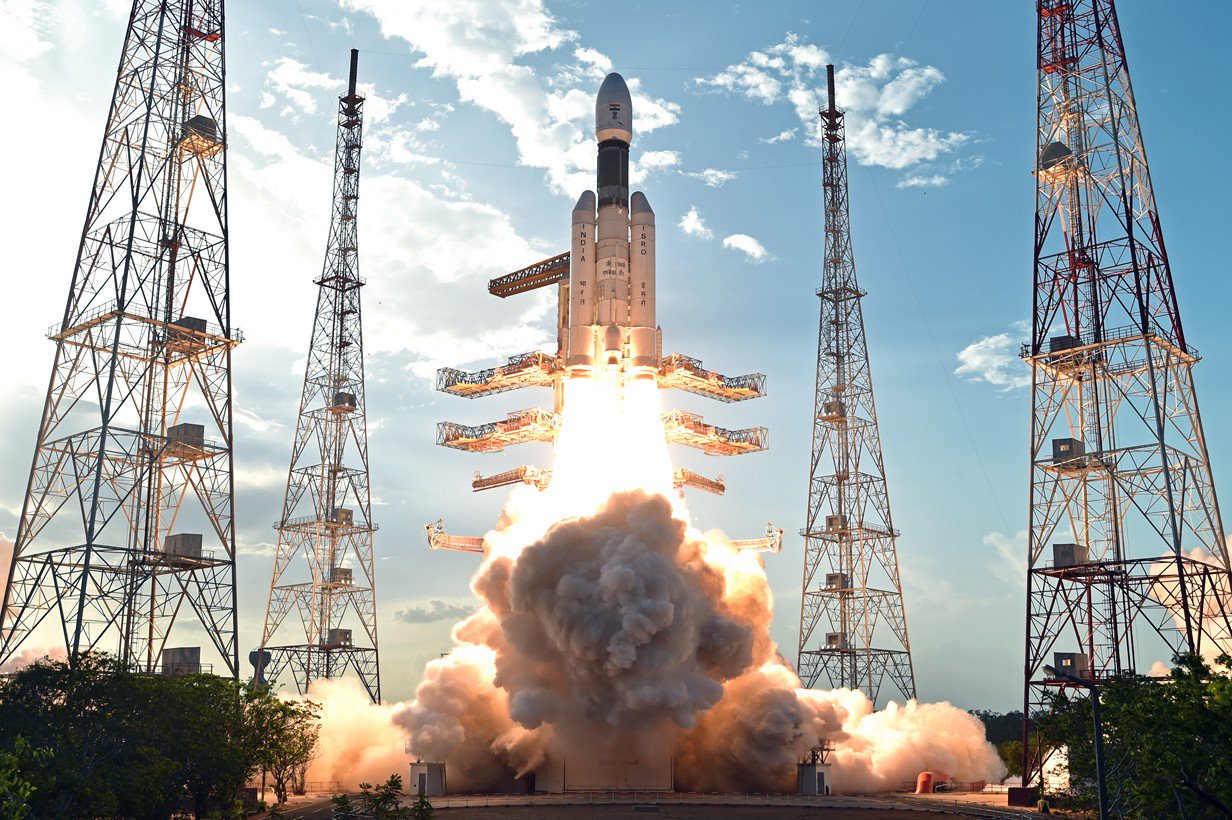
Today's brief covers an increase in Chinese satellite launches, the operational status of the Space Force's ATLAS software, and a significant fundraising event in the defense sector.

Today's brief covers advancements in satellite technology initiatives by the U.S. Space Force, geopolitical implications in maritime domains, and Sweden's significant military aid package. Additionally, we spotlight a historical satellite with modern implications.
Discover the latest in space news with the ULA's recent launch for the US Space Force, significant developments in radar tracking at high altitudes, and impactful policy changes involving military space missions.
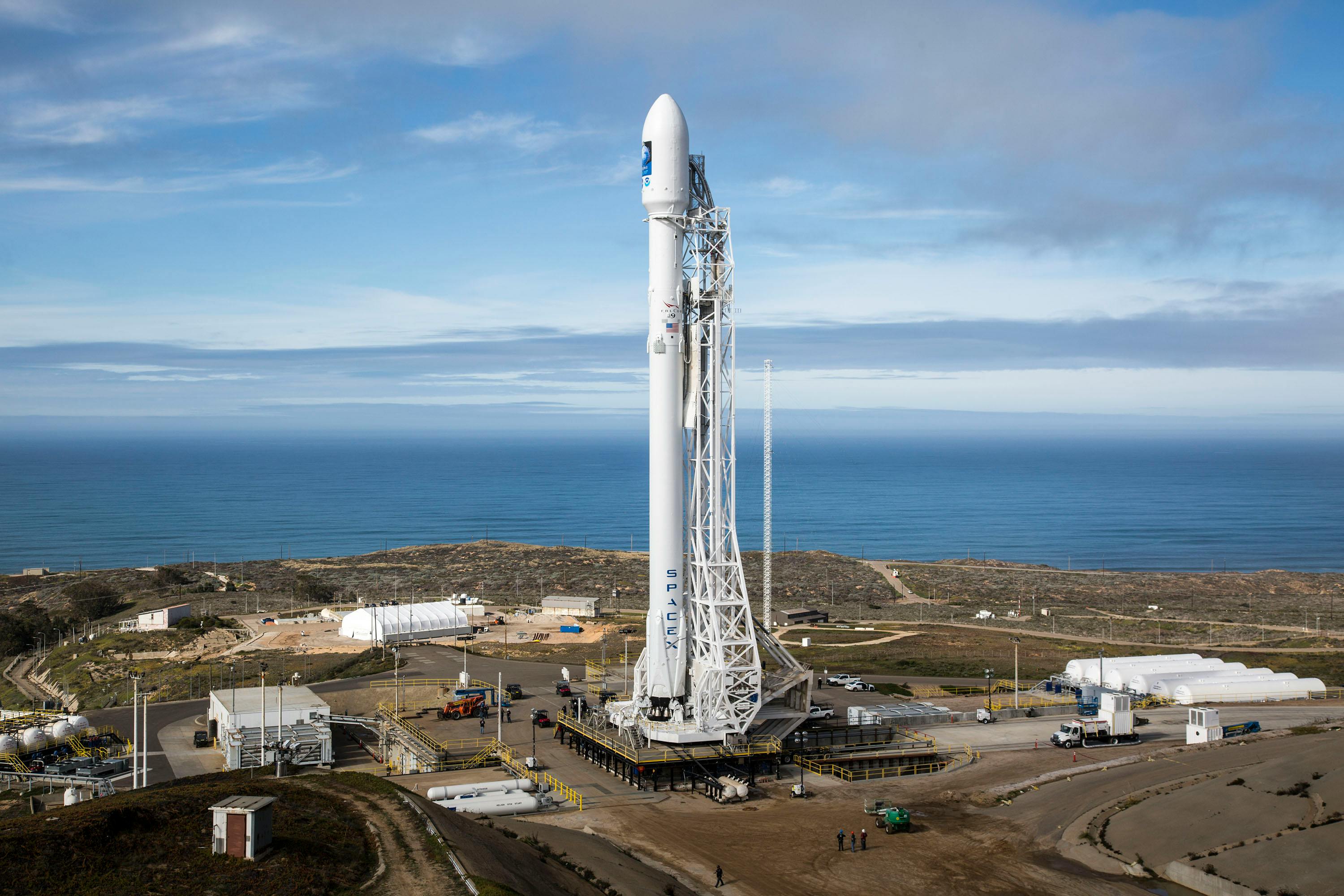
SpaceX successfully launched 23 Starlink satellites, enhancing Direct to Cell capabilities from Florida's Space Coast.
Today's brief covers increased Space Force funding, a renewed focus on nuclear power in space, a proposed US missile defense system, new defense budget revelations, and NATO's call for increased air defenses.

Sixty-five years ago, America launched two very different space missions within hours of each other - one broadcast live to a fascinated nation, the other quietly reaching orbit from a fog-shrouded California launchpad while no one was watching
NASA's SLS and Orion spacecraft rolled back to Launch Complex 39B, targeting April 1 for first crewed lunar flyby with four astronauts aboard.