


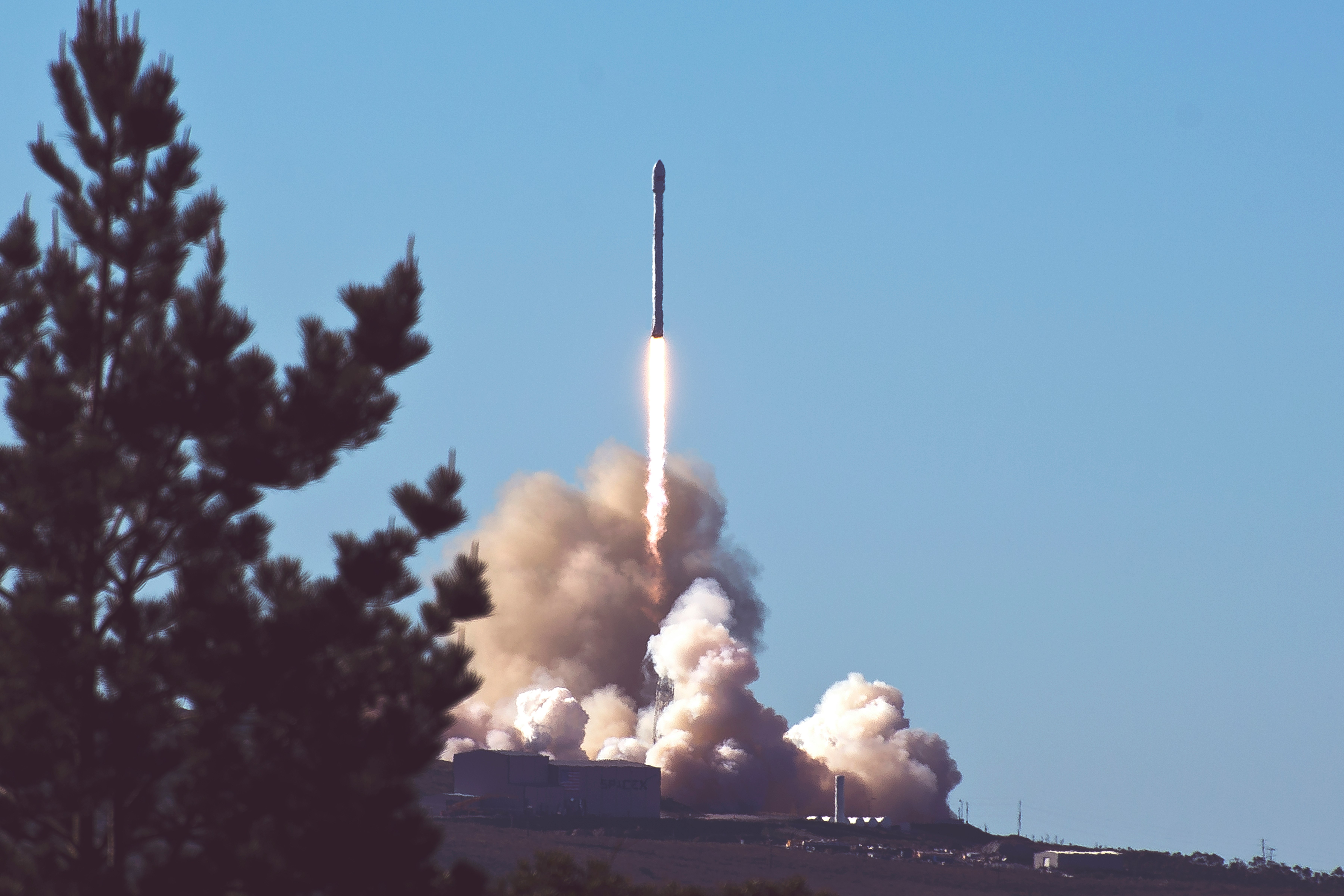
X Report 22 Feb 2025
SpaceX secures NASA contract for NEO Surveyor launch and prepares for upcoming Starship test flight.



Launch Date
April 21, 2022
Launch Site
Launch Pad
LC40
Launch Vehicle
NORAD ID
52303
International Designator
2022-041AU
Epoch
Mon, 20 Jul 2026 08:00:01 GMT
Apogee
Calculating...
Perigee
Calculating...
Inclination
53.16°
Right Ascension
222.09°
Eccentricity
Calculating...
Argument of Perigee
82.42°
Period
94.05 min
Mean Motion
15.31 rev/day
Latitude
Calculating...
Longitude
Calculating...
Altitude
Calculating...
Velocity
Calculating...
Name
STARLINK-3742
Alternative Name
Starlink 3742
Type
Status
Owner
SPXS
Country
United States
Constellation
N/A
Related Satellites
Major Events
N/A
1 52303U 22041AU 26201.33335647 .00027368 00000+0 90744-3 0 9999
2 52303 53.1590 222.0949 0001403 82.4227 178.1101 15.31091010 5802
Source: Celestrak
Length
0.2
Diameter
2.8
Span
9
Dry Mass
275
Launch Mass
297
Shape
Box + pan
Radar Cross Section
Unknown
Visual Magnitude
Unknown
Color
Unknown
Material Composition
Unknown
Payload
Starlink Group 4-14-43
Purpose
Communication
Mission
Communication
Manufacturer
SPXS
Life Expectancy
Unknown
Bus
Starlink
Configuration
Unknown
Motor
Krypton ion thrusters
Equipment
Ku/Ka-band payload, optical inter-satellite link
Power System
Solar arrays, batteries
ADCS
Unknown
Transmitter Frequency
Unknown
Learn more about satellites and other related topics.
SpaceX secures NASA contract for NEO Surveyor launch and prepares for upcoming Starship test flight.
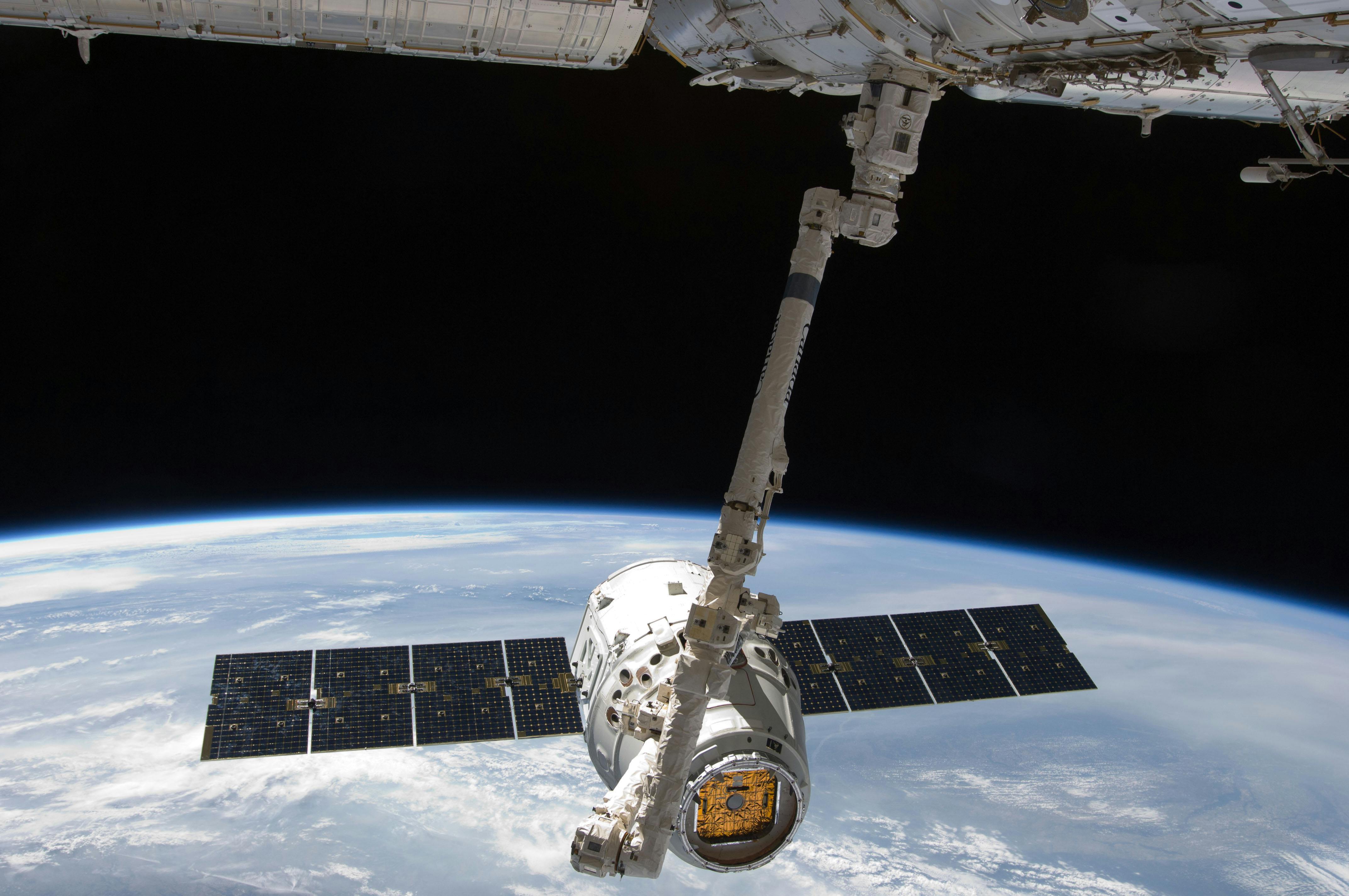
SpaceX announces SPHEREx launch date for February 2025, and Airbus completes delivery of Thuraya 4 satellite for upcoming launch.
Discover the latest developments in space defense, innovative satellite technologies, nuclear advancements in space travel, and strategic military updates.
SpaceX prepares for a historic Falcon 9 landing attempt in The Bahamas, while also contributing to FAA air traffic control modernization.

SpaceX's Falcon 9 achieves another milestone with successful international launch; Elon Musk discusses the future of the ISS; SpaceX prepares for its 450th Falcon launch.
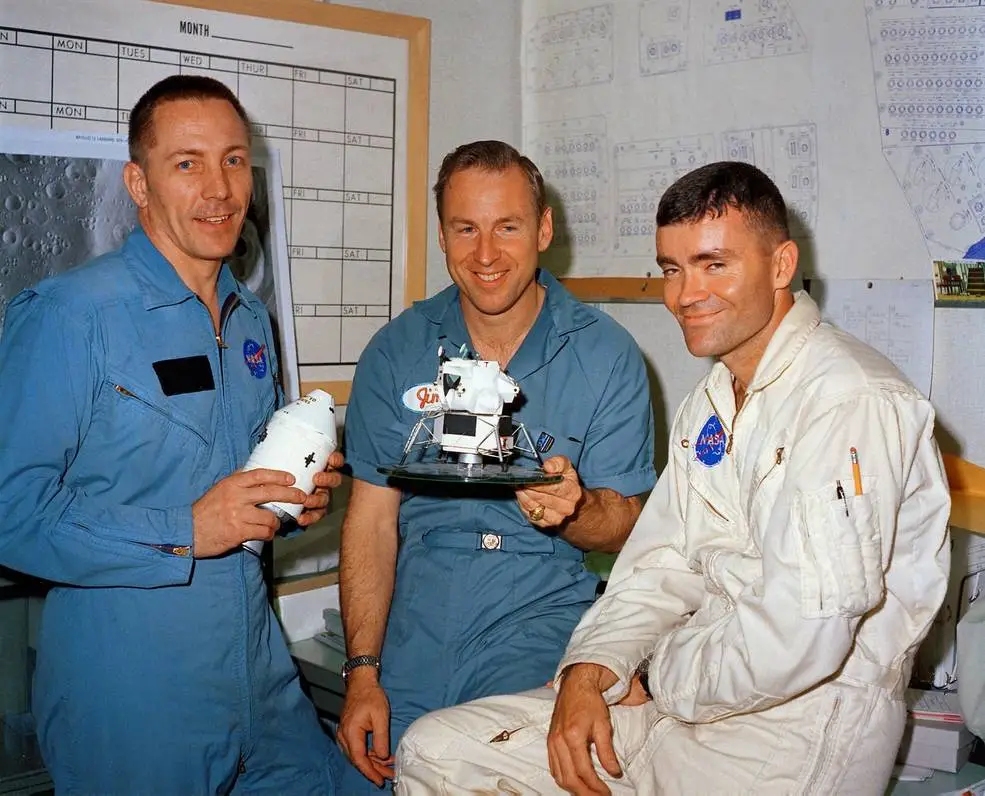
An overlooked thermostat, eight hours of overheating on a Florida launch pad, and 200,000 miles of coasting through deep space. Then Oxygen Tank No. 2 tore itself apart, and three men had to figure out how to come home alive in a spacecraft designed to land on the Moon.
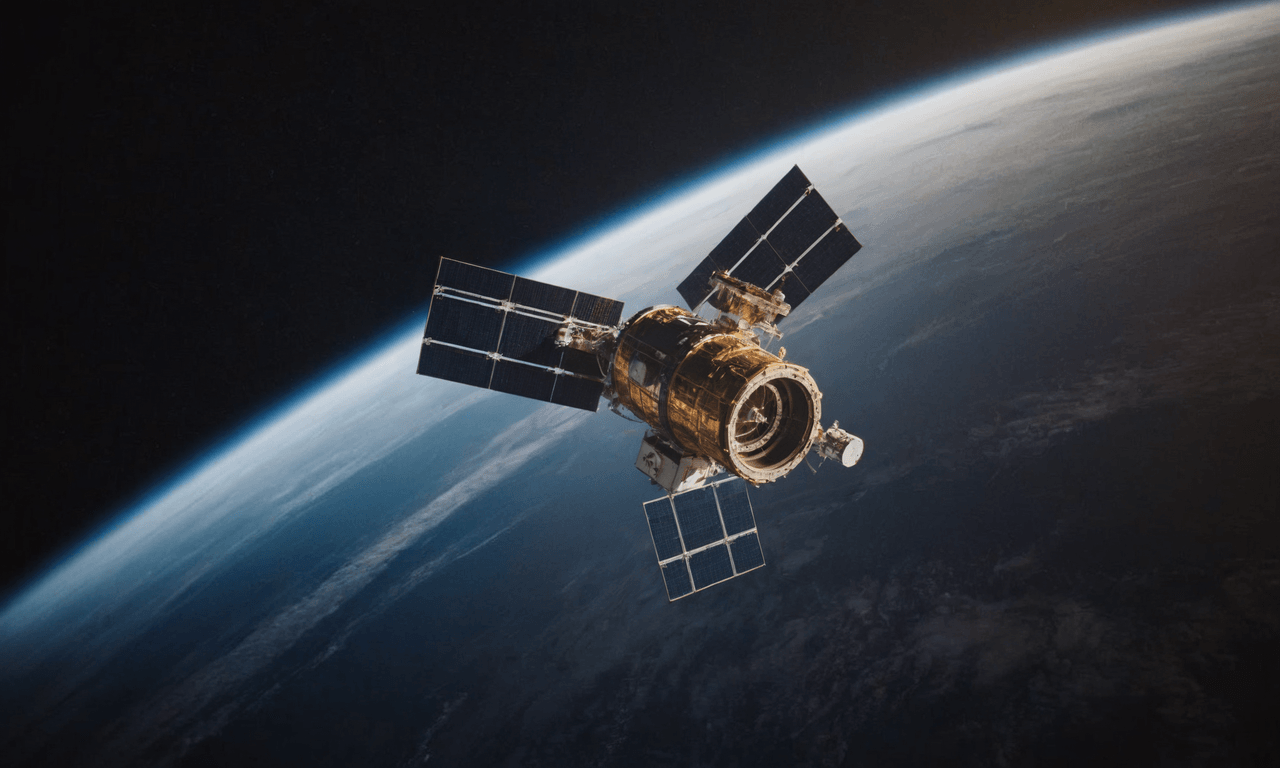
Key topics: SpaceX resumes Falcon 9 launches, mysterious Starliner sounds, and upcoming space policy events. Detailed tracking info for EGYPTSAT A.

On April 22, 2026, the FAA published a final rule implementing per-launch user fees for commercial space transportation — the first time the U.S. government has charged payload-based fees for rocket launches. Starting at 25 cents per pound with a $30,000 cap, the fees are modest today. By 2033, they won't be.