


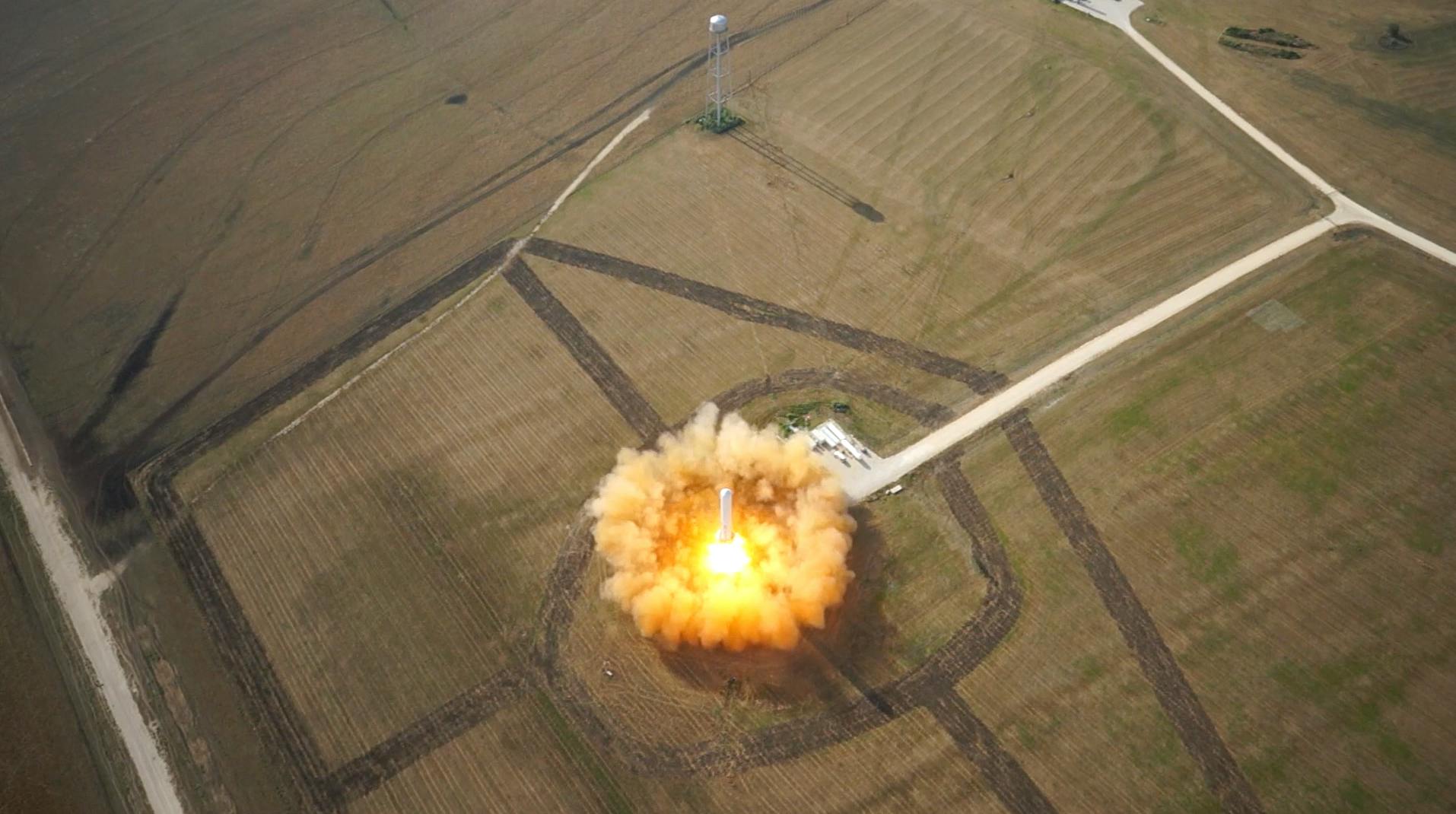
Starship V3 Static Fire Ignites 33 Engines, X Report 15 Apr 2026
SpaceX fired all 33 Raptor 3 engines in the Starship V3 static fire at Starbase, clearing Flight 12. Plus 1,000 Starlink satellites launched in 2026.



Launch Date
April 21, 2022
Launch Site
Launch Pad
LC40
Launch Vehicle
NORAD ID
52301
International Designator
2022-041AS
Epoch
Mon, 20 Jul 2026 08:00:01 GMT
Apogee
Calculating...
Perigee
Calculating...
Inclination
53.16°
Right Ascension
222.20°
Eccentricity
Calculating...
Argument of Perigee
66.37°
Period
94.13 min
Mean Motion
15.30 rev/day
Latitude
Calculating...
Longitude
Calculating...
Altitude
Calculating...
Velocity
Calculating...
Name
STARLINK-3768
Alternative Name
Starlink 3768
Type
Status
Owner
SPXS
Country
United States
Constellation
N/A
Related Satellites
Major Events
N/A
1 52301U 22041AS 26201.33335647 .00023377 00000+0 80983-3 0 9997
2 52301 53.1603 222.1984 0002119 66.3736 58.5363 15.29758676 5802
Source: Celestrak
Length
0.2
Diameter
2.8
Span
9
Dry Mass
275
Launch Mass
297
Shape
Box + pan
Radar Cross Section
Unknown
Visual Magnitude
Unknown
Color
Unknown
Material Composition
Unknown
Payload
Starlink Group 4-14-41
Purpose
Communication
Mission
Communication
Manufacturer
SPXS
Life Expectancy
Unknown
Bus
Starlink
Configuration
Unknown
Motor
Krypton ion thrusters
Equipment
Ku/Ka-band payload, optical inter-satellite link
Power System
Solar arrays, batteries
ADCS
Unknown
Transmitter Frequency
Unknown
Learn more about satellites and other related topics.
SpaceX fired all 33 Raptor 3 engines in the Starship V3 static fire at Starbase, clearing Flight 12. Plus 1,000 Starlink satellites launched in 2026.

SpaceX surpassed 10,000 simultaneous Starlink satellites in orbit after Starlink 17-24 deployed 25 satellites from California. Milestone reached in under 7 years.
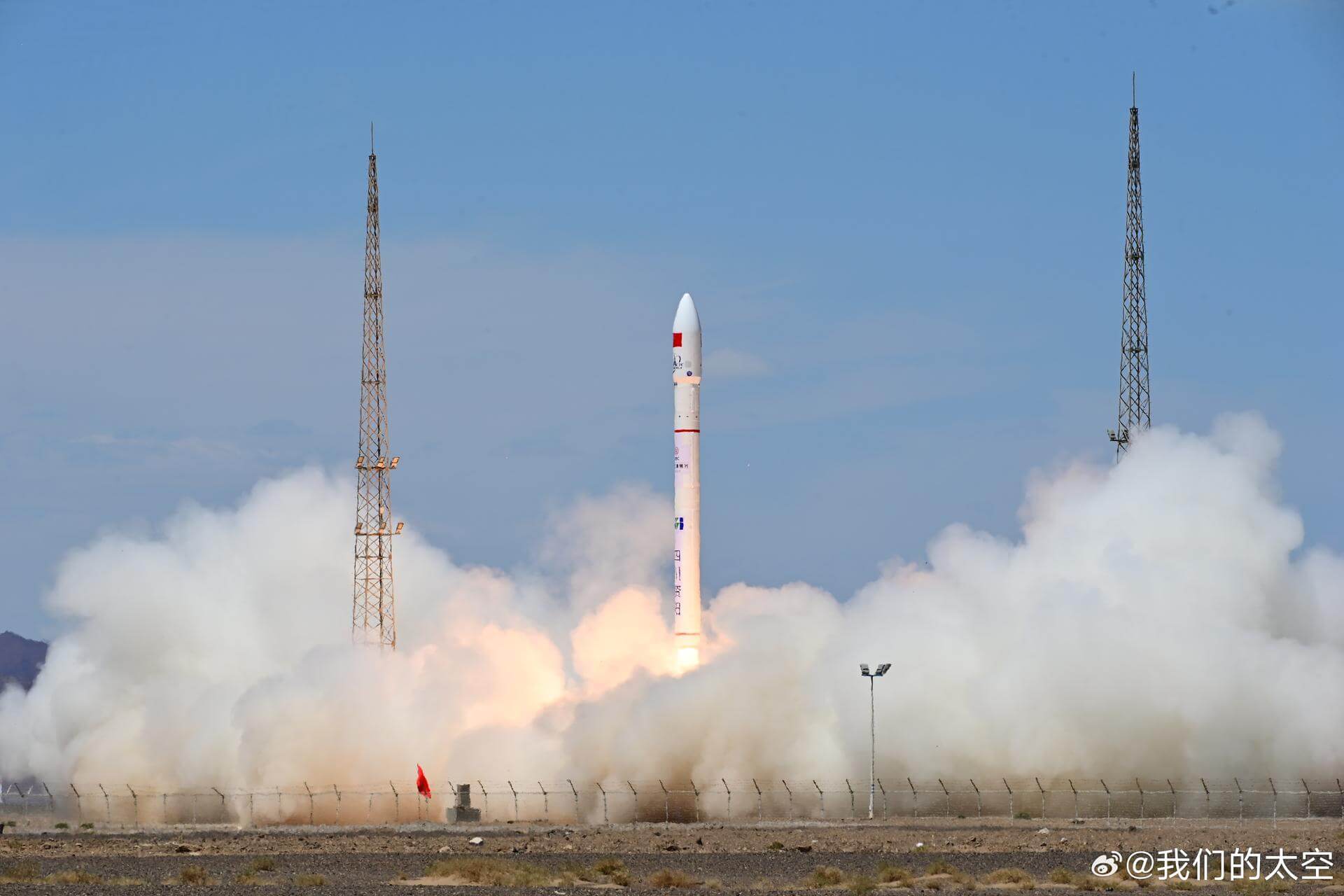
Today's space brief highlights intriguing military satellite developments, new space launch strategies to counteract observation threats, and potential European defense industry advancements.
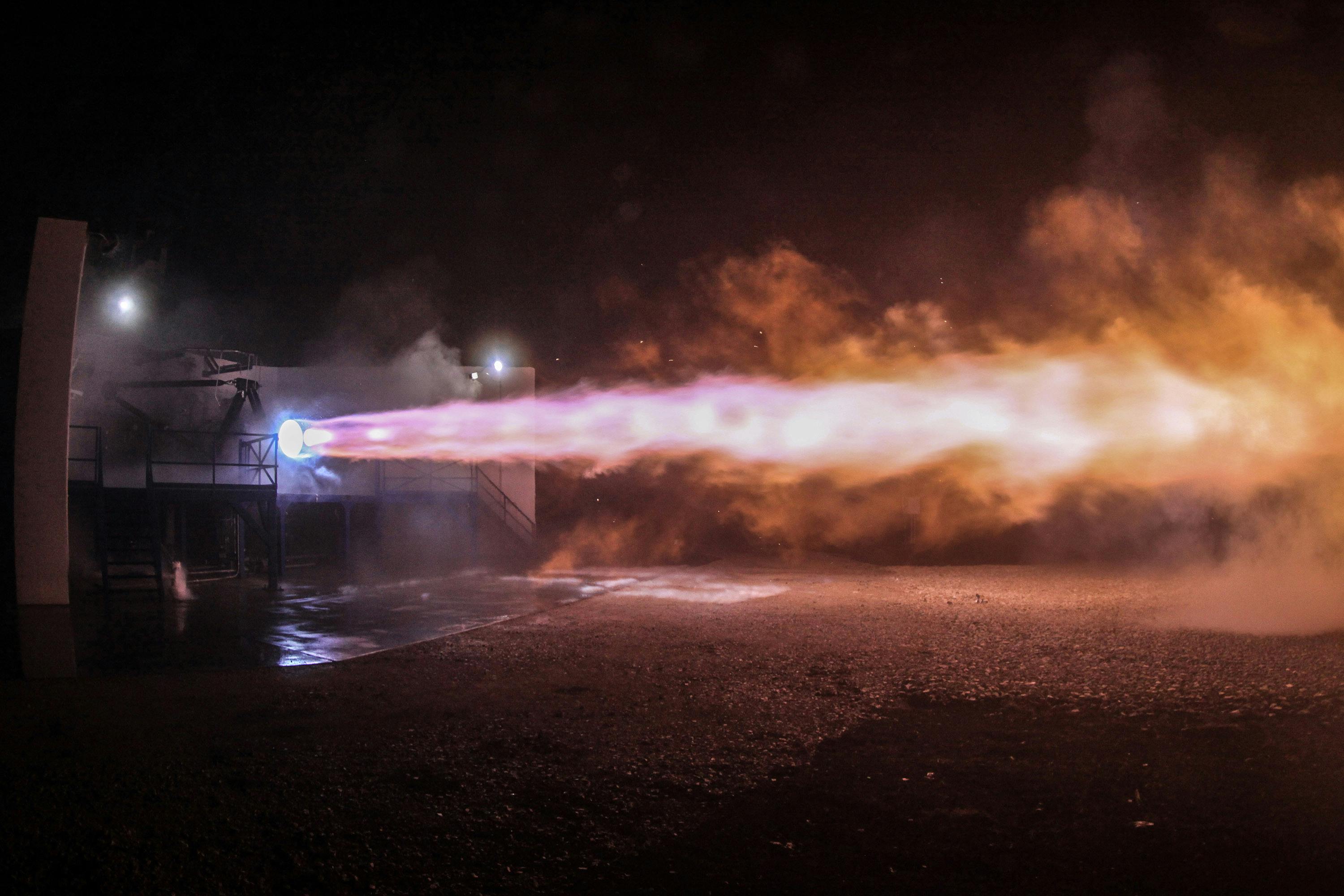
Falcon 9 targets ISS Cygnus resupply as Artemis II reaches its halfway mark and SpaceX HLS commitment draws NASA praise.
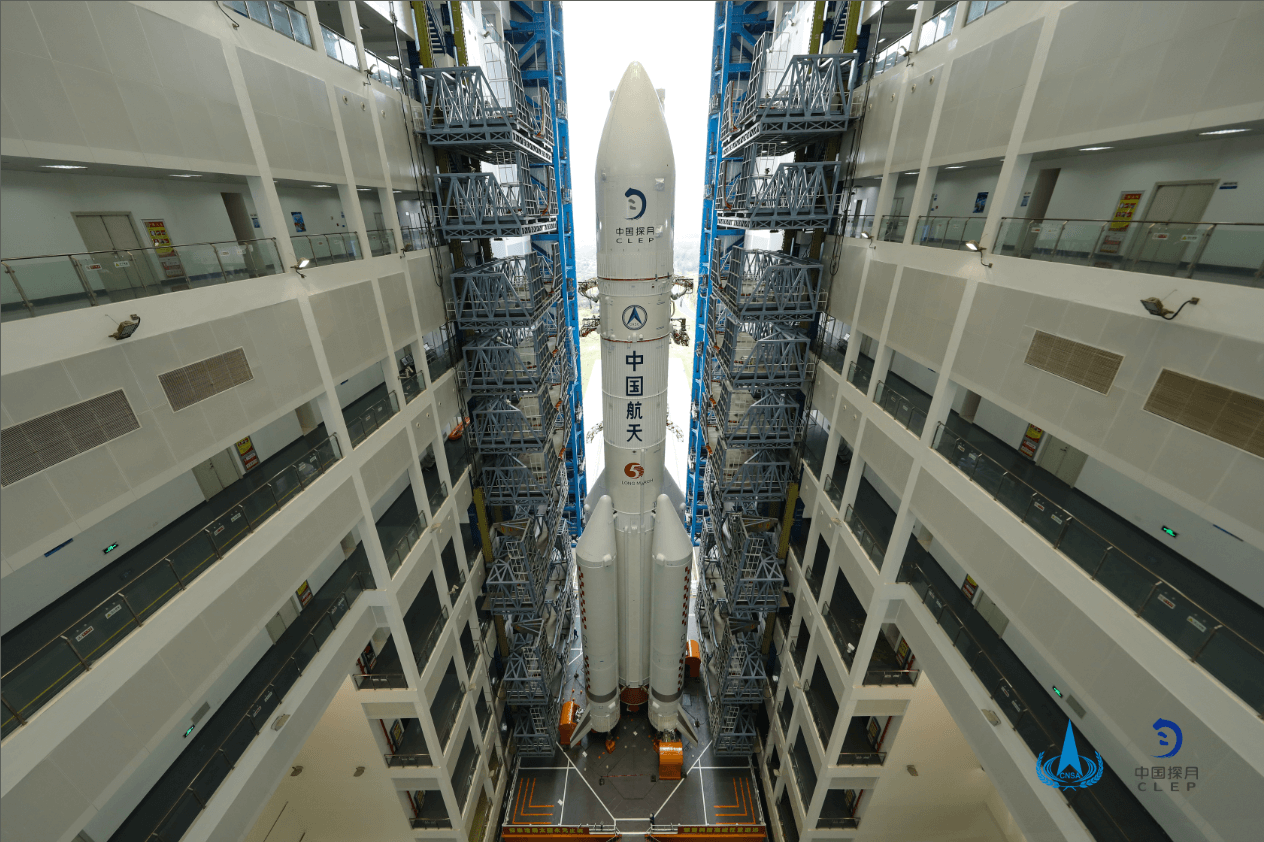
NASA concludes MAVEN mission after six months attempting to restore contact with Mars probe. Meanwhile, Falcon 9 booster flies record 35th flight on Starlink 10-35 mission.

Today's brief covers SpaceX's launch of a secret US spy satellite, national security satellite launches, and Japan's missile ambitions. Also highlighted are Estonia's AI defense upgrades and autonomous airpower in Australia.
Today's brief covers closer military and intelligence space integration, new satellite servicing advancements, and more insightful defense and space news.

On April 22, 2026, the FAA published a final rule implementing per-launch user fees for commercial space transportation — the first time the U.S. government has charged payload-based fees for rocket launches. Starting at 25 cents per pound with a $30,000 cap, the fees are modest today. By 2033, they won't be.