


Space Brief 3 Jan 2025
Today's brief covers the recent surge in SpaceX launches, Eutelsat's resolution of a OneWeb software issue, and various strategic previews for U.S. military branches in 2025.


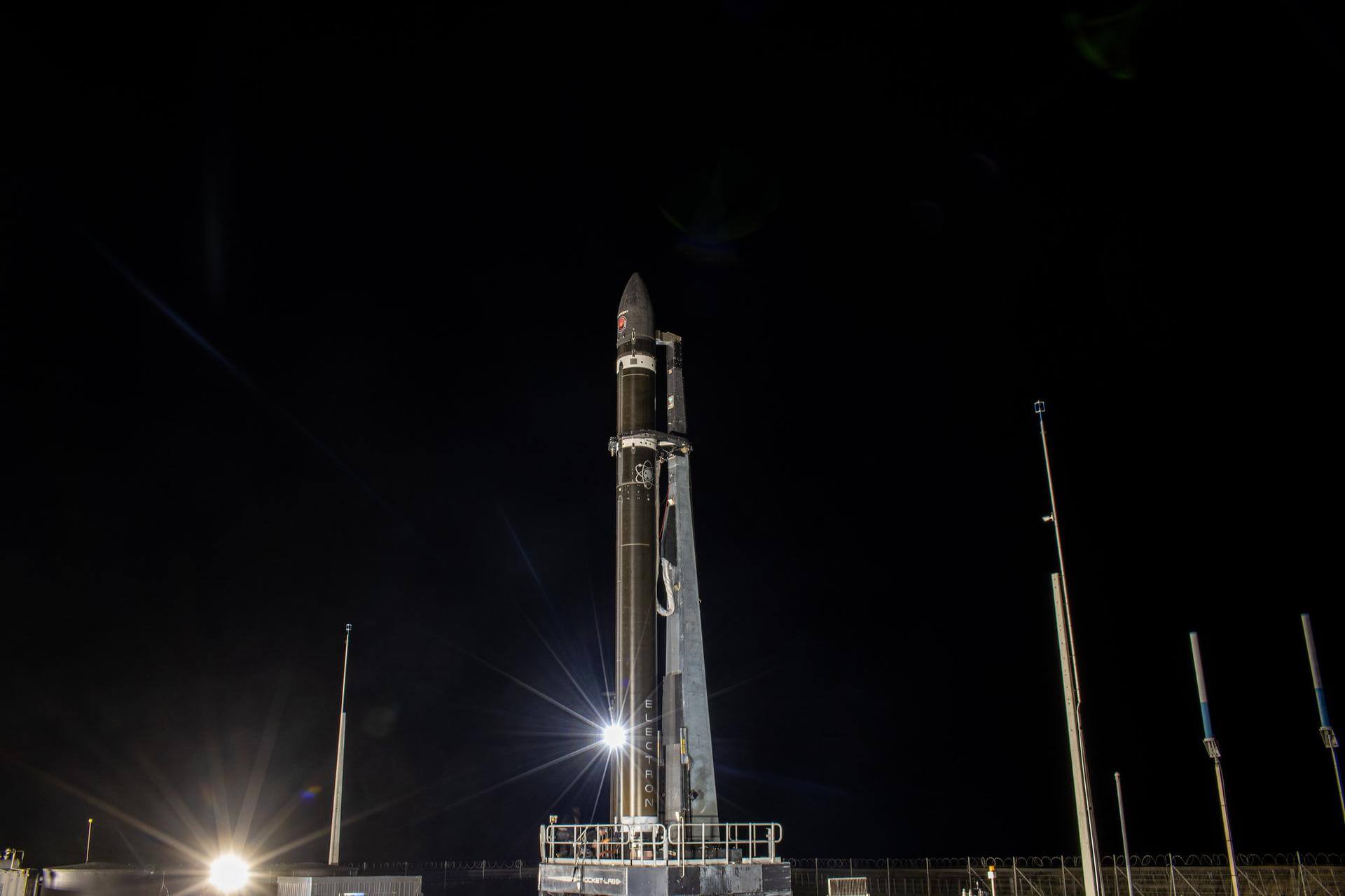
Launch Date
April 2, 2022
Launch Site
RLLB
Launch Pad
LC1A
Launch Vehicle
Electron
NORAD ID
52196
International Designator
2022-034B
Epoch
Sun, 19 Jul 2026 02:35:53 GMT
Apogee
Calculating...
Perigee
Calculating...
Inclination
52.98°
Right Ascension
103.95°
Eccentricity
Calculating...
Argument of Perigee
35.16°
Period
93.06 min
Mean Motion
15.47 rev/day
Latitude
Calculating...
Longitude
Calculating...
Altitude
Calculating...
Velocity
Calculating...
Name
GLOBAL-18
Alternative Name
Global-18
Type
Status
Owner
BSKG
Country
United States
Constellation
N/A
Related Satellites
Major Events
N/A
1 52196U 22034B 26200.10825291 .00013531 00000+0 26858-3 0 9996
2 52196 52.9812 103.9534 0004639 35.1635 324.9676 15.47332521241908
Source: Celestrak
Length
1
Diameter
0.5
Span
1
Dry Mass
50
Launch Mass
55
Shape
Box
Radar Cross Section
Unknown
Visual Magnitude
Unknown
Color
Unknown
Material Composition
Unknown
Payload
BlackSky Global 18
Purpose
Earth Observation
Mission
Earth Observation
Manufacturer
LEOSTL
Life Expectancy
3 years
Bus
BSky
Configuration
SCOUT bus
Motor
?
Equipment
SpaceView-24 imager
Power System
Solar cells, batteries
ADCS
Unknown
Transmitter Frequency
Unknown
Learn more about satellites and other related topics.
Today's brief covers the recent surge in SpaceX launches, Eutelsat's resolution of a OneWeb software issue, and various strategic previews for U.S. military branches in 2025.

SpaceX successfully launches 28 Starlink satellites on a new Falcon 9 rocket from California, marking a significant milestone for their satellite constellation.

Northrop Grumman's GEM 63XL solid rocket booster passed static fire testing, but ULA's investigation into a February 2026 Vulcan in-flight anomaly remains open. No RTF date set.

A second Starlink satellite has generated on-orbit debris in just over 3 months, threatening SpaceX's 10,151-satellite working constellation.
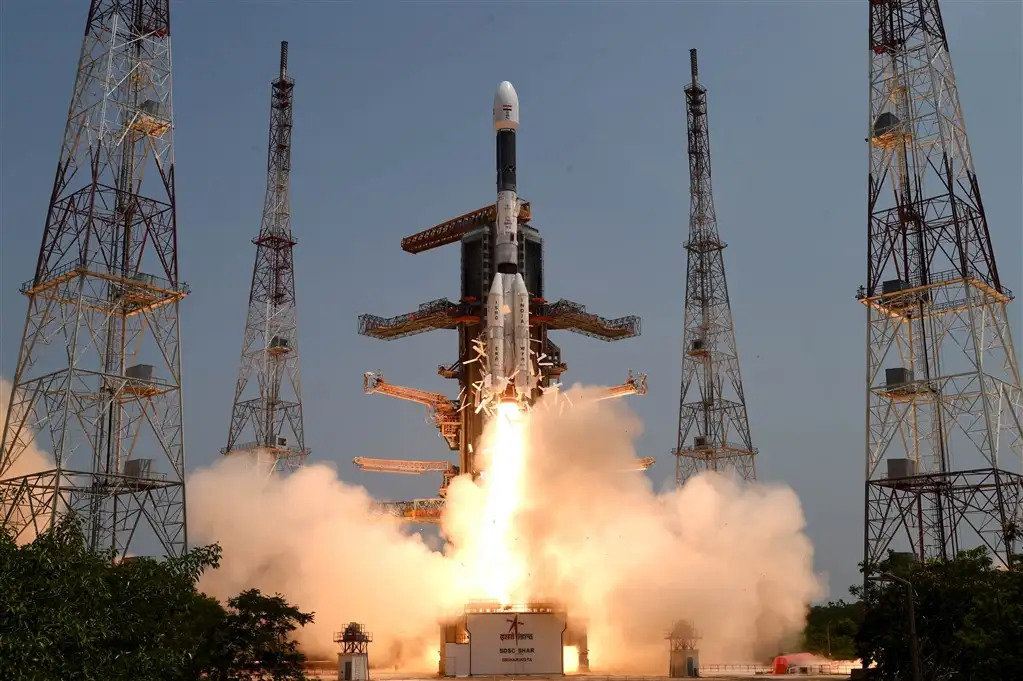
Focus on Varda's second mission launch, new U.S. Defense Department tool for satellite anomaly investigation, and a detailed Satellite Spotlight on CELESTIS 21/Varisat 1C.

SpaceX successfully launched the Sentinel-6B satellite to monitor global sea levels while resuming daytime rocket launches. Furthermore, delays in the Starship timeline impact NASA's Artemis 3 mission schedule.

Sixty-four years ago, NASA made a decision that would shape the future of human spaceflight by selecting three astronauts to compete for America's first journey into space
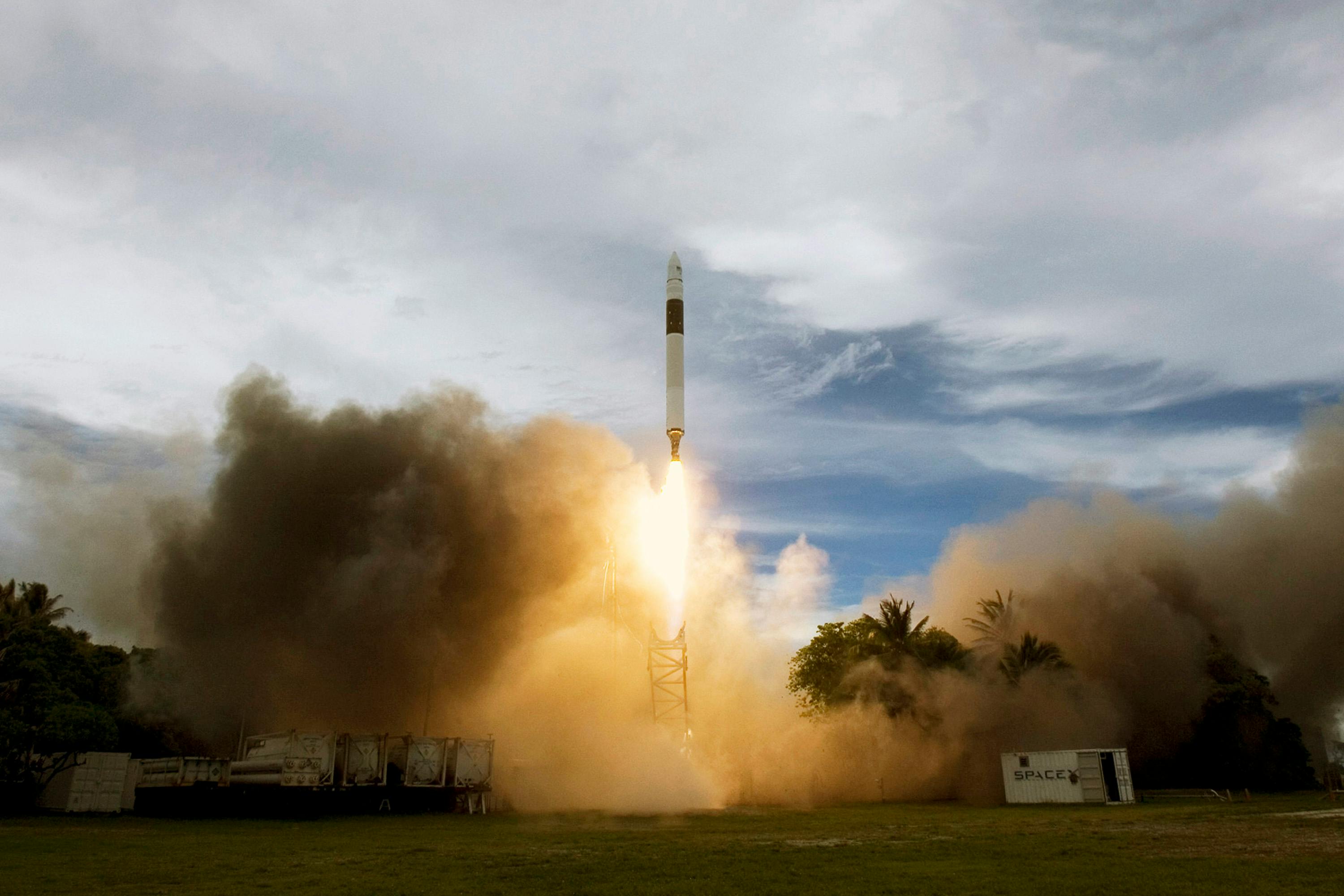
SpaceX faces a series of challenges with scrubbing the Starship Flight 8 launch and losing a Falcon 9 booster post-landing, while successfully deploying new Starlink satellites.