


X Report 17 Feb 2025
Key insights on Starship development challenges and latest Starlink satellite status.



Launch Date
March 19, 2022
Launch Site
Launch Pad
LC40
Launch Vehicle
NORAD ID
52138
International Designator
2022-029BC
Epoch
Mon, 20 Jul 2026 06:33:09 GMT
Apogee
Calculating...
Perigee
Calculating...
Inclination
53.16°
Right Ascension
193.64°
Eccentricity
Calculating...
Argument of Perigee
88.59°
Period
95.44 min
Mean Motion
15.09 rev/day
Latitude
Calculating...
Longitude
Calculating...
Altitude
Calculating...
Velocity
Calculating...
Name
STARLINK-3723
Alternative Name
Starlink 3723
Type
Status
Owner
SPXS
Country
United States
Constellation
N/A
Related Satellites
Major Events
N/A
1 52138U 22029BC 26201.27303062 -.00000912 00000+0 -39208-4 0 9997
2 52138 53.1600 193.6354 0001544 88.5890 271.5278 15.08833274240952
Source: Celestrak
Length
0.2
Diameter
2.8
Span
9
Dry Mass
275
Launch Mass
297
Shape
Box + pan
Radar Cross Section
Unknown
Visual Magnitude
Unknown
Color
Unknown
Material Composition
Unknown
Payload
Starlink Group 4-12-51
Purpose
Communication
Mission
Communication
Manufacturer
SPXS
Life Expectancy
Unknown
Bus
Starlink
Configuration
Unknown
Motor
Krypton ion thrusters
Equipment
Ku/Ka-band payload, optical inter-satellite link
Power System
Solar arrays, batteries
ADCS
Unknown
Transmitter Frequency
Unknown
Learn more about satellites and other related topics.
Key insights on Starship development challenges and latest Starlink satellite status.
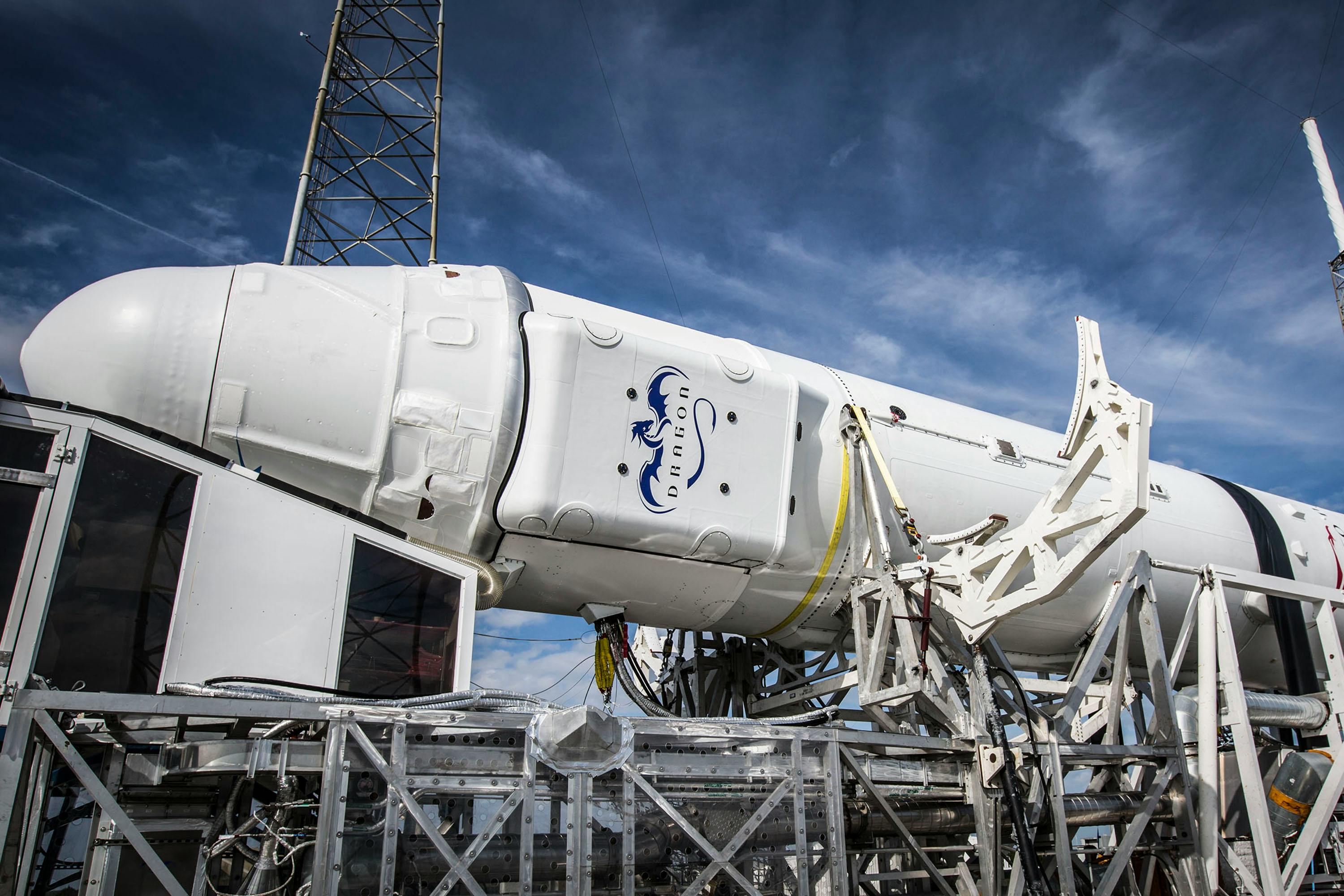
Starship developments continue to capture attention alongside Starlink's latest deployment milestones.
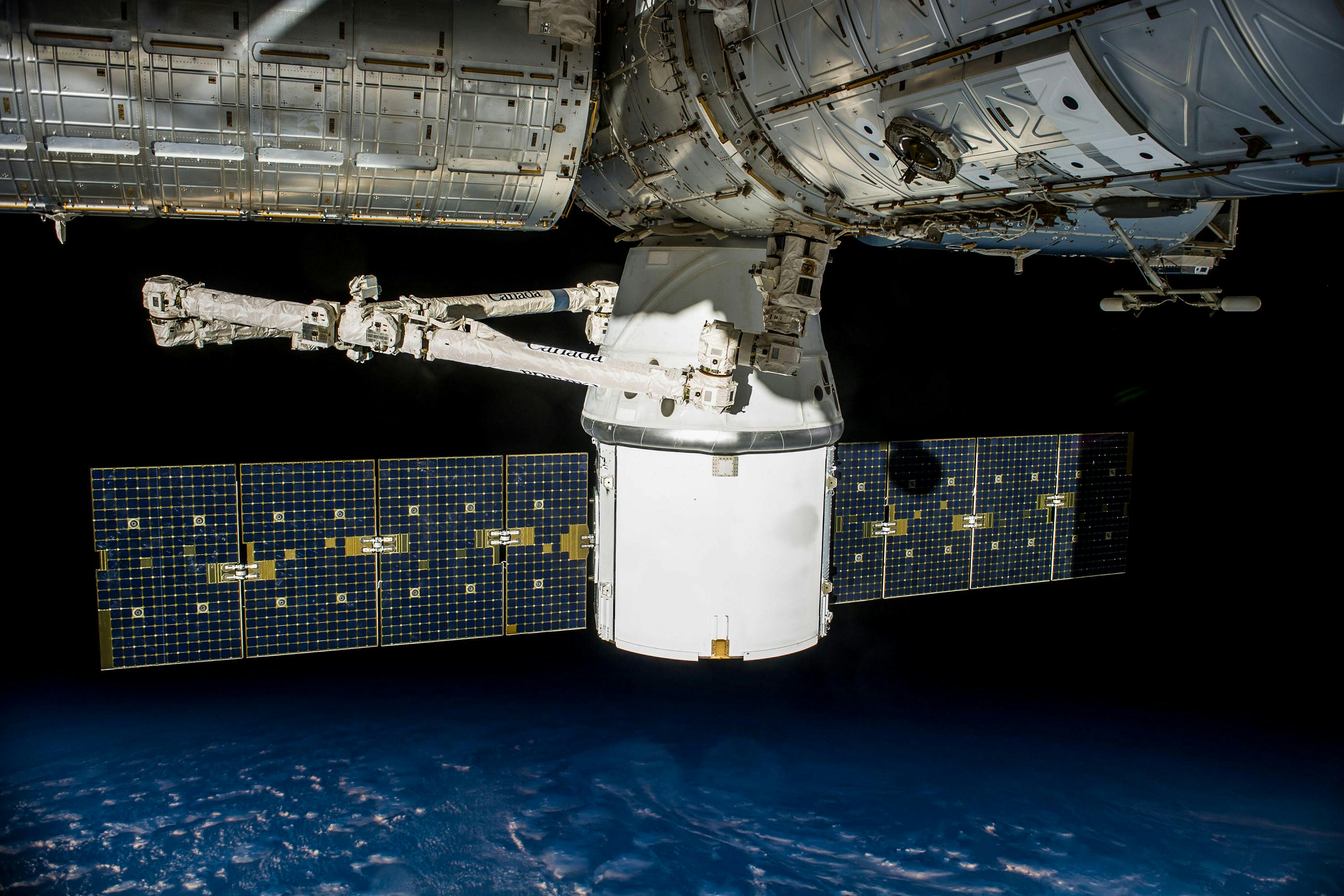
Today's report highlights a catastrophic failure during Starship preparations, significant advancements in Starlink services in Ukraine and India, and the successful launch of 28 Starlink satellites.
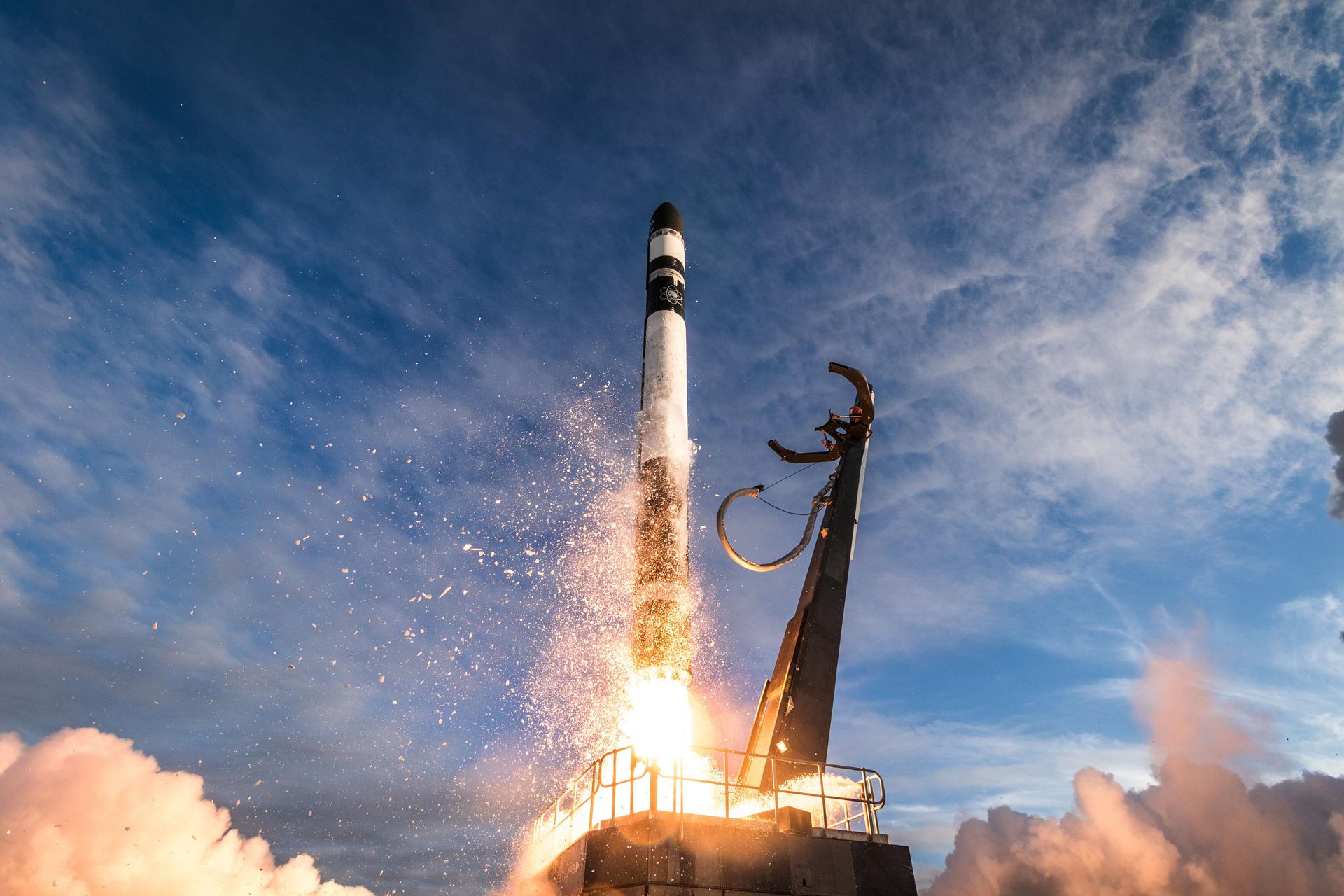
Today's brief covers China's Gaofen-14 satellite launch, Europe's advancements in asteroid defense through GomSpace, and Russia's controversial Burevestnik missile test.
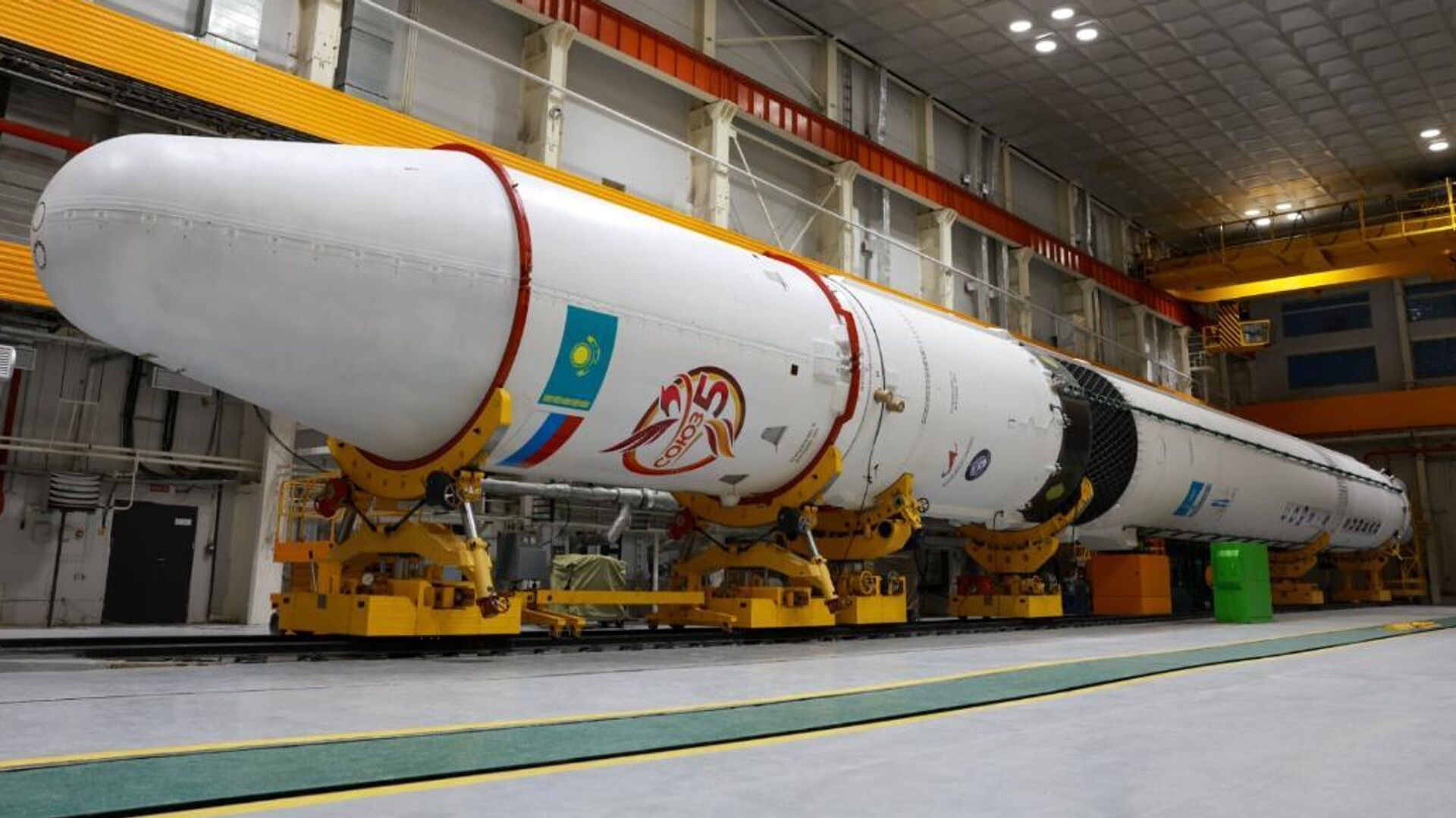
NASA's Artemis 2 launches April 1 with Commander Reid Wiseman and 3 crew members for first crewed lunar flyby since Apollo 17 in 1972.
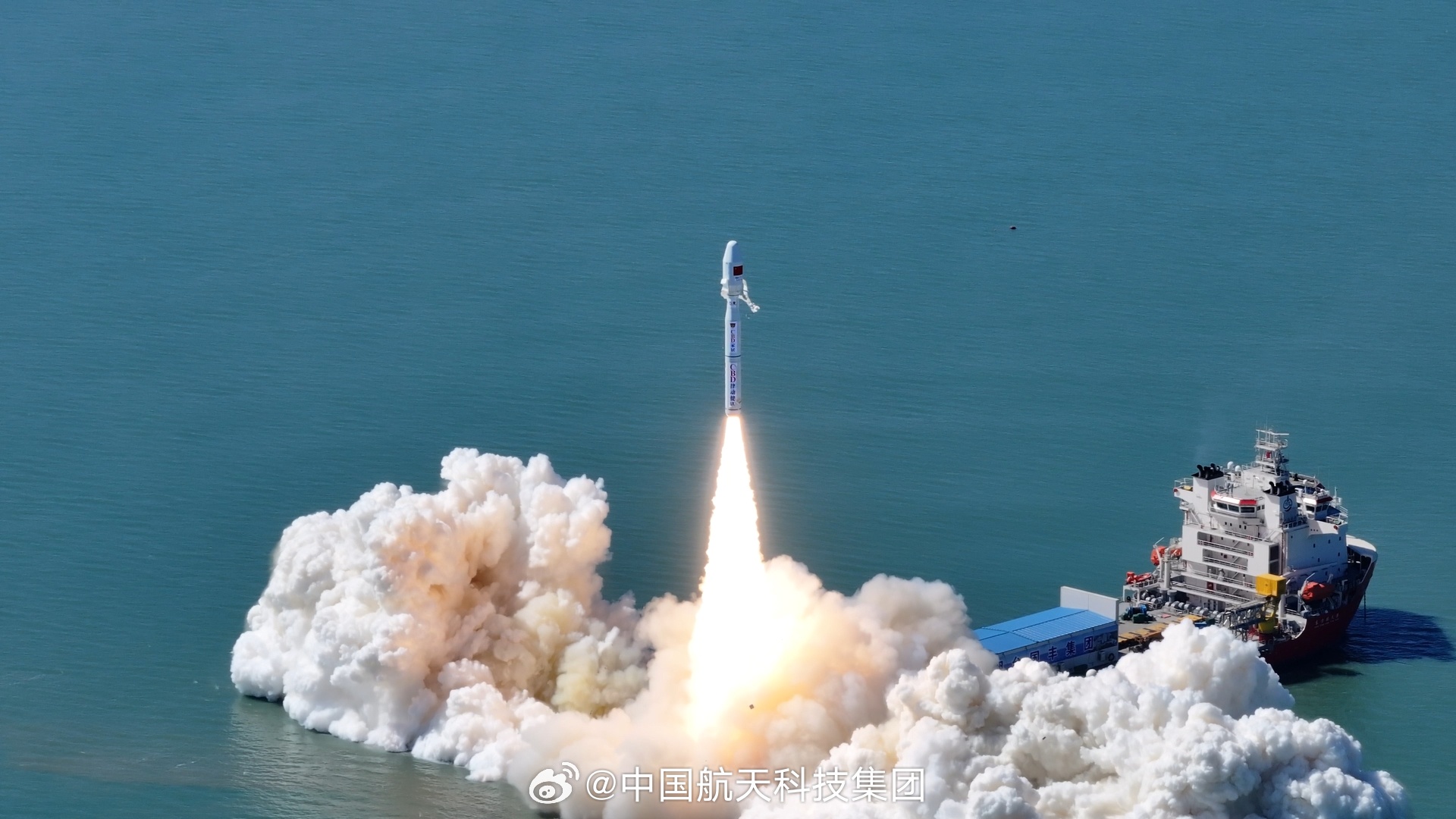
China's Shenlong spaceplane released an unidentified object in orbit, drawing scrutiny amid U.S. Space Force Victus Haze RPO demonstrations. Tracking data critical.
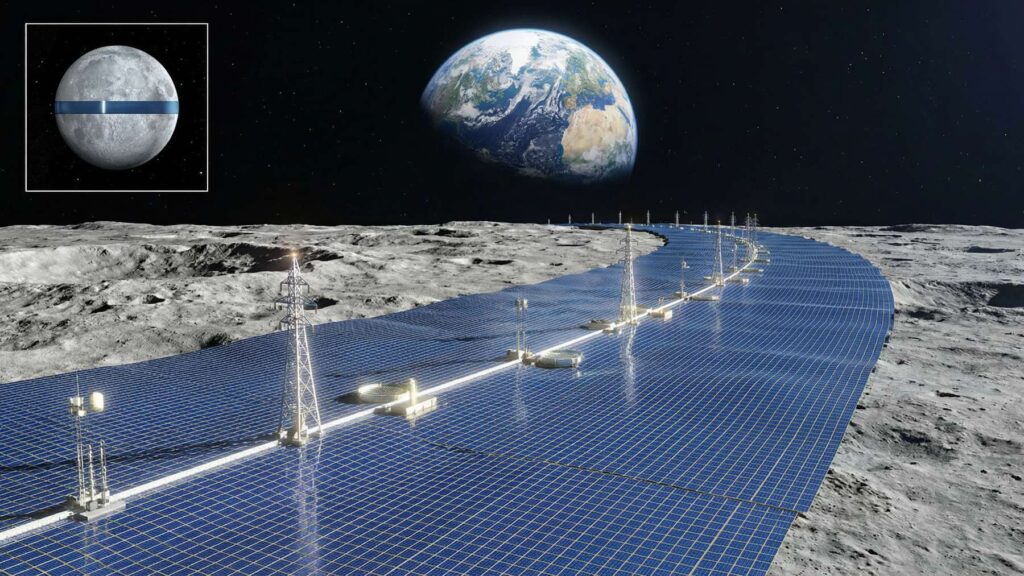
A 220-year-old Japanese construction company wants to build an 11,000-kilometer belt of solar cells around the lunar equator and beam the power back to Earth. The physics checks out. Everything else is another story.
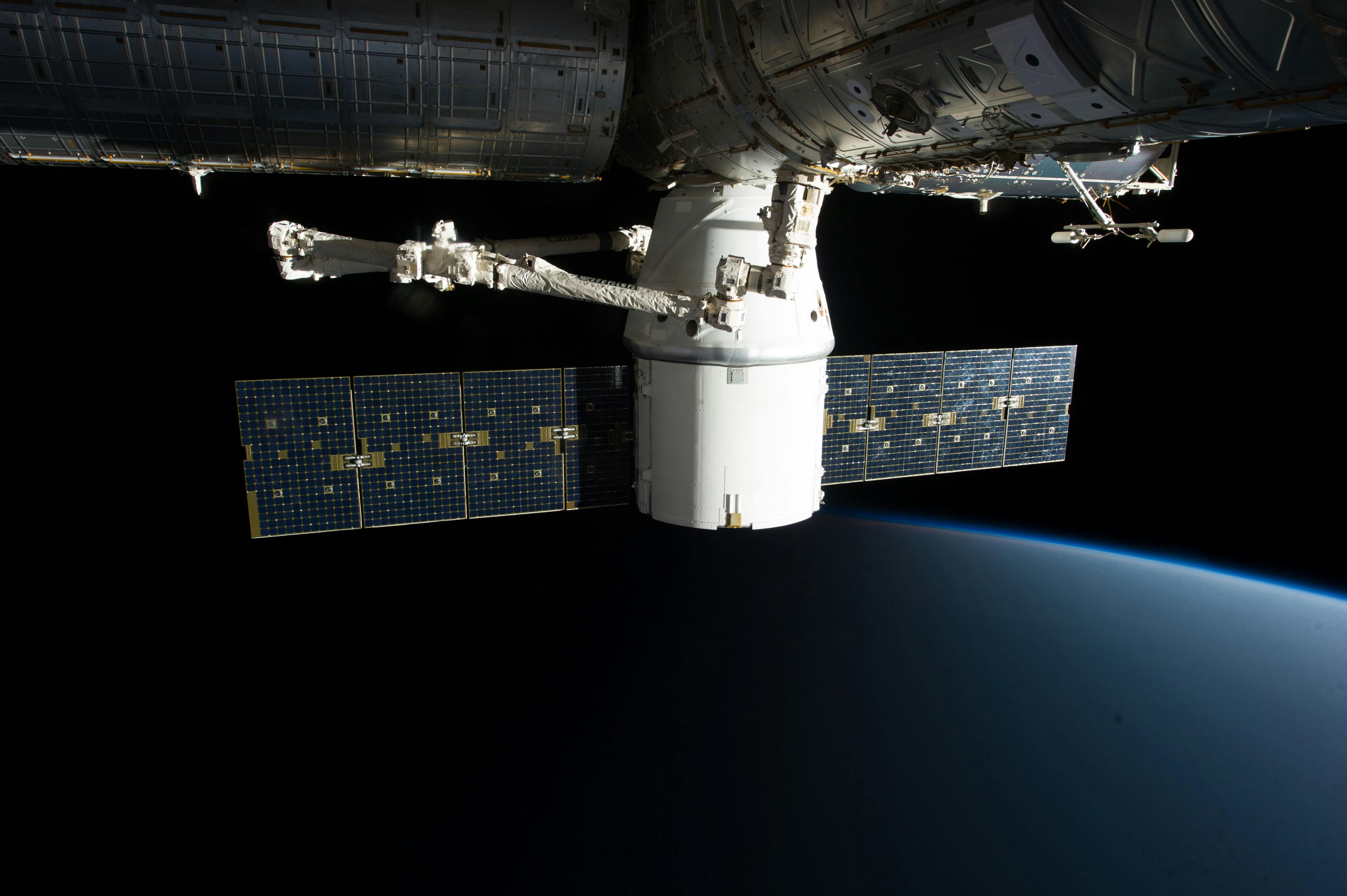
SpaceX gears up for another busy week with a Falcon 9 launch to the ISS while Vast Space expands its Haven-1 payload roster.