


X Report 27 Mar 2025
SpaceX successfully launches 27 Starlink satellites and gains approval for internet services in Vietnam.



Launch Date
March 19, 2022
Launch Site
Launch Pad
LC40
Launch Vehicle
NORAD ID
52134
International Designator
2022-029AY
Epoch
Sun, 19 Jul 2026 16:30:36 GMT
Apogee
Calculating...
Perigee
Calculating...
Inclination
53.16°
Right Ascension
196.27°
Eccentricity
Calculating...
Argument of Perigee
76.53°
Period
95.44 min
Mean Motion
15.09 rev/day
Latitude
Calculating...
Longitude
Calculating...
Altitude
Calculating...
Velocity
Calculating...
Name
STARLINK-3721
Alternative Name
Starlink 3721
Type
Status
Owner
SPXS
Country
United States
Constellation
N/A
Related Satellites
Major Events
N/A
1 52134U 22029AY 26200.68791684 -.00000475 00000+0 -11736-4 0 9998
2 52134 53.1594 196.2659 0001393 76.5295 283.5852 15.08836762240861
Source: Celestrak
Length
0.2
Diameter
2.8
Span
9
Dry Mass
275
Launch Mass
297
Shape
Box + pan
Radar Cross Section
Unknown
Visual Magnitude
Unknown
Color
Unknown
Material Composition
Unknown
Payload
Starlink Group 4-12-47
Purpose
Communication
Mission
Communication
Manufacturer
SPXS
Life Expectancy
Unknown
Bus
Starlink
Configuration
Unknown
Motor
Krypton ion thrusters
Equipment
Ku/Ka-band payload, optical inter-satellite link
Power System
Solar arrays, batteries
ADCS
Unknown
Transmitter Frequency
Unknown
Learn more about satellites and other related topics.
SpaceX successfully launches 27 Starlink satellites and gains approval for internet services in Vietnam.

Keck Foundation team proposes first-ever graviton detector concept. Space Force shelves Resilient GPS program. China advances Long March 12B reusable rocket with static fire test at Jiuquan.

SpaceX gears up for significant upcoming launches while Starlink makes an impactful difference in disaster recovery efforts. Meanwhile, ESA and Avio reveal plans for competitive advancements in reusable rocket technology.

ULA's Vulcan rocket preps for USSF-87 national security launch to open 2026. Sierra Space delivers SDA Tranche 2 satellites three months early. NASA delays spacewalk for Crew-11 medical issue.
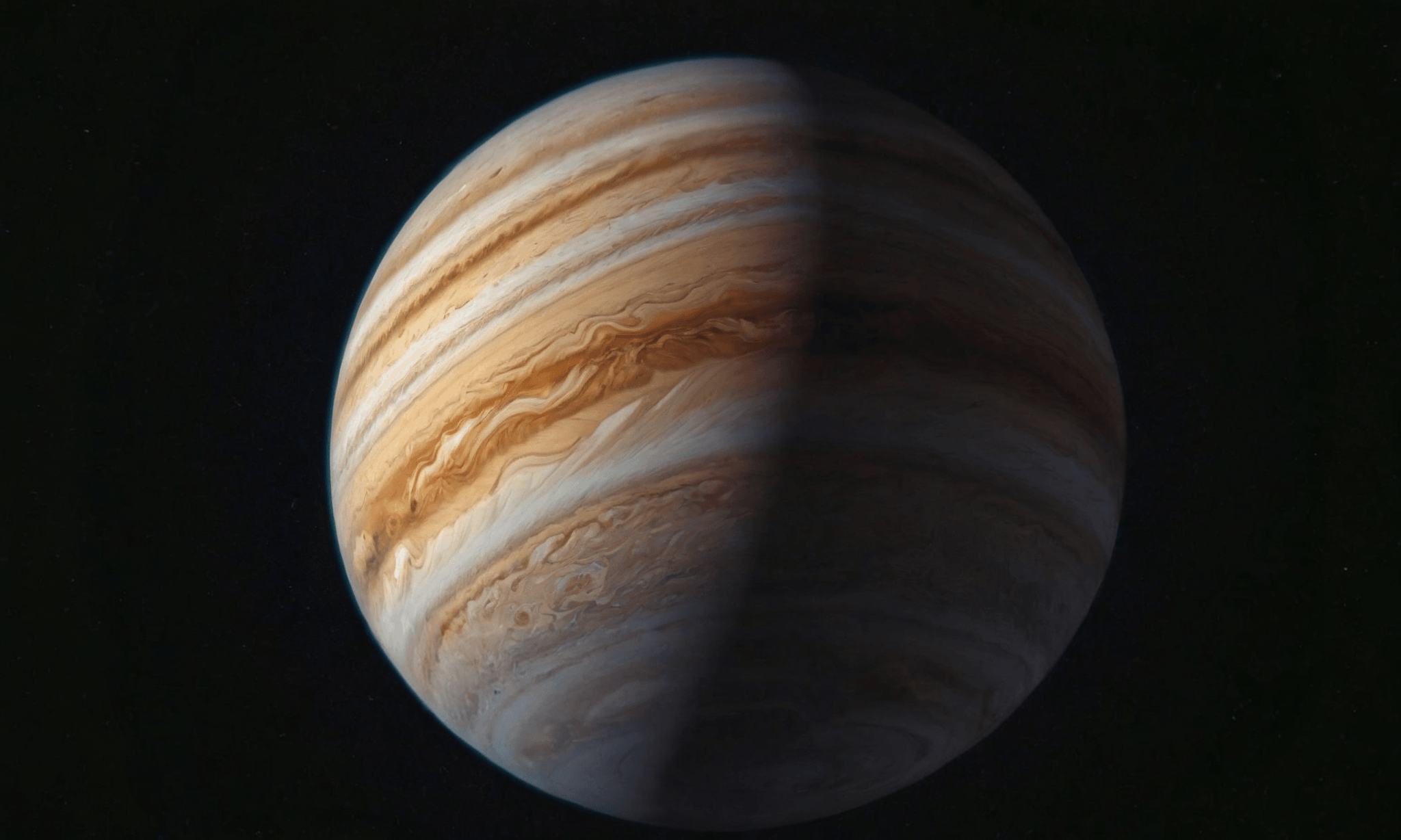
Today’s Space Brief covers a rescued lunar orbiter, a thorough pre-launch check for a Jupiter-bound mission, and leadership changes in a satellite communication company. We also spotlight a recently launched CubeSat and an innovative act of deorbiting.
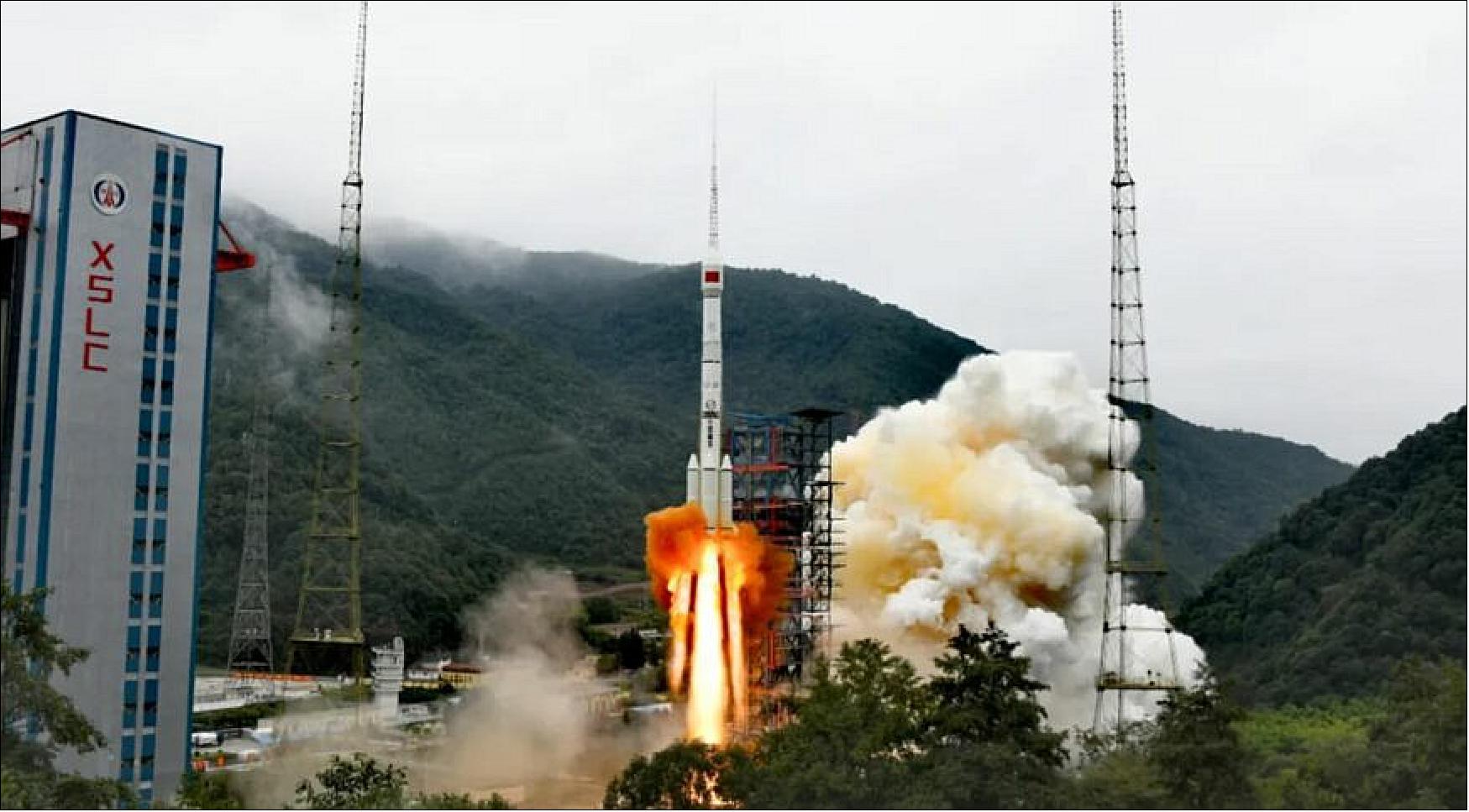
Explore the recent signing of the Artemis Accords by Chile, Boeing's strategic considerations, and captivating space missions including China's satellite endeavors and the James Webb Space Telescope's latest discovery.
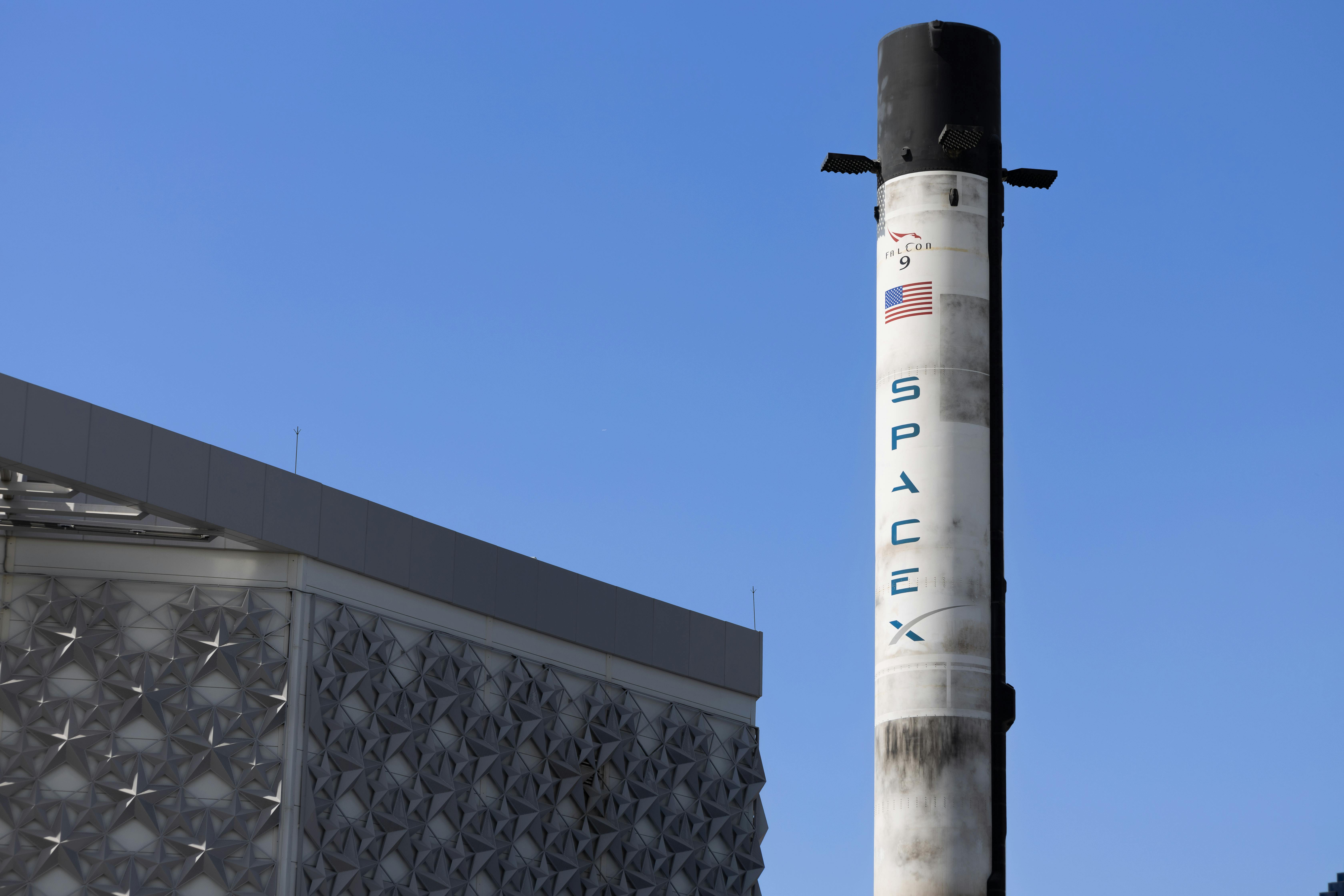
SpaceX sets a new launch record as it prepares for its 133rd Falcon 9 mission. Additionally, developments in satellite technology and mergers in the space sector highlight the ongoing competition.

China confirms first one-year human spaceflight and Pakistani astronaut for Tiangong. Air Force develops X-68A missile-launching drone. Poland unveils $51B defense spending plan.