


SpaceX Valued at $1.25T as IPO Signals Intensify | KeepTrack X Report
SpaceX hits a $1.25 trillion valuation as IPO speculation mounts, Starlink 17-17 lifts off from Vandenberg, and a quantum sensor rides to orbit.



Launch Date
March 9, 2022
Launch Site
Launch Pad
LC40
Launch Vehicle
NORAD ID
52004
International Designator
2022-025BA
Decay Date
4/21/2022
Name
FALCON 9 DEB
Alternative Name
Starlink deployment rail
Type
Status
Owner
SPXS
Country
United States
Constellation
N/A
Related Satellites
Major Events
N/A
Length
7
Diameter
0.02
Span
7
Dry Mass
100
Launch Mass
100
Shape
Cyl
Radar Cross Section
Unknown
Visual Magnitude
Unknown
Color
Unknown
Material Composition
Unknown
Payload
Unknown
Purpose
Unknown
Mission
Unknown
Manufacturer
SPXS
Life Expectancy
Unknown
Bus
Unknown
Configuration
Unknown
Motor
Unknown
Equipment
Unknown
Power System
Unknown
ADCS
Unknown
Transmitter Frequency
Unknown
Learn more about satellites and other related topics.
SpaceX hits a $1.25 trillion valuation as IPO speculation mounts, Starlink 17-17 lifts off from Vandenberg, and a quantum sensor rides to orbit.

Space Force commits to operational space tugs and on-orbit refueling by 2030. New capabilities will complicate conjunction analysis for GEO and MEO satellite tracking.

As SpaceX continues to make groundbreaking advancements in the space industry, investors are eagerly anticipating the company's potential IPO. Learn about the factors influencing SpaceX's decision to go public and the estimated timeline for this highly anticipated event.
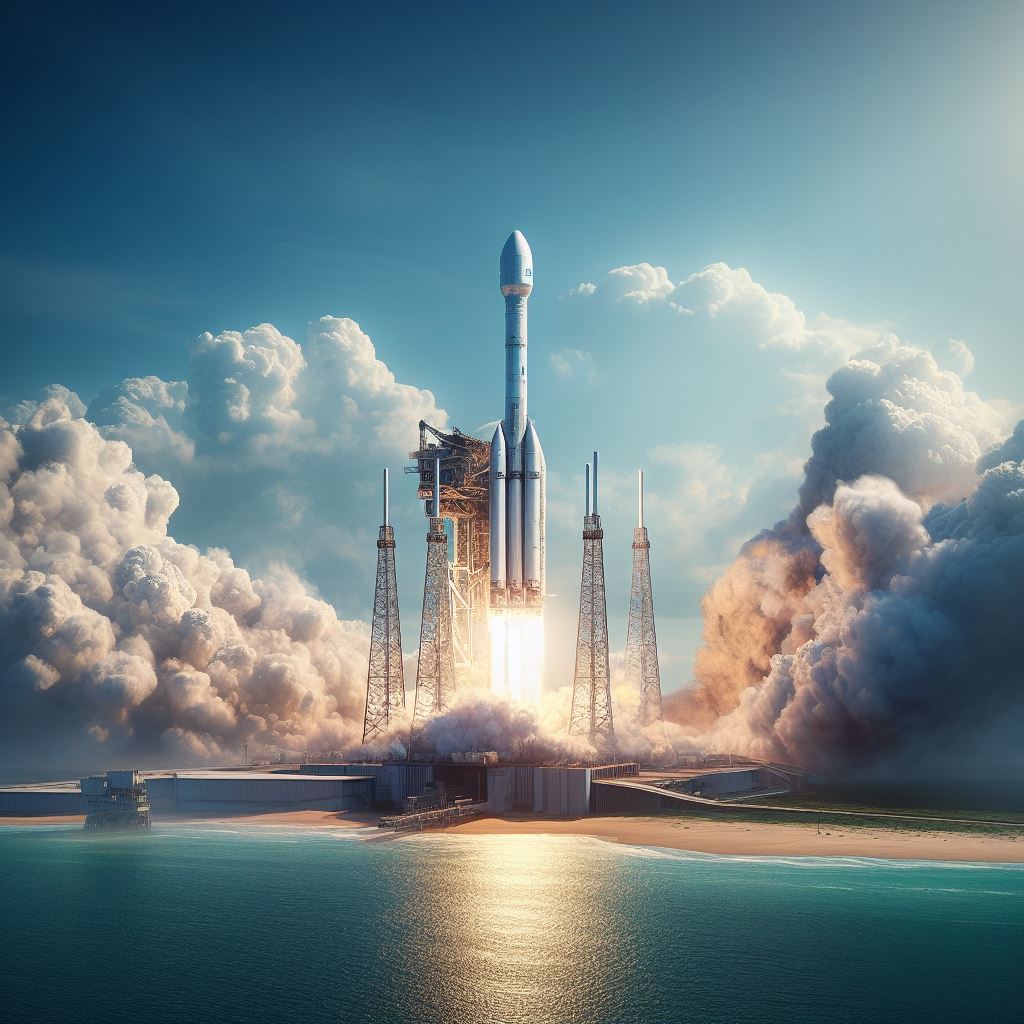
Super heavy-lift rockets are the most powerful launch vehicles ever built. They can send humans and cargo to the Moon, Mars, and beyond. But what are they, and why are they so important?

Key updates include the impending Falcon 9 launch for Transporter-14, insights on Starship's explosion, and a last-minute abort of the Starlink 10-23 mission.
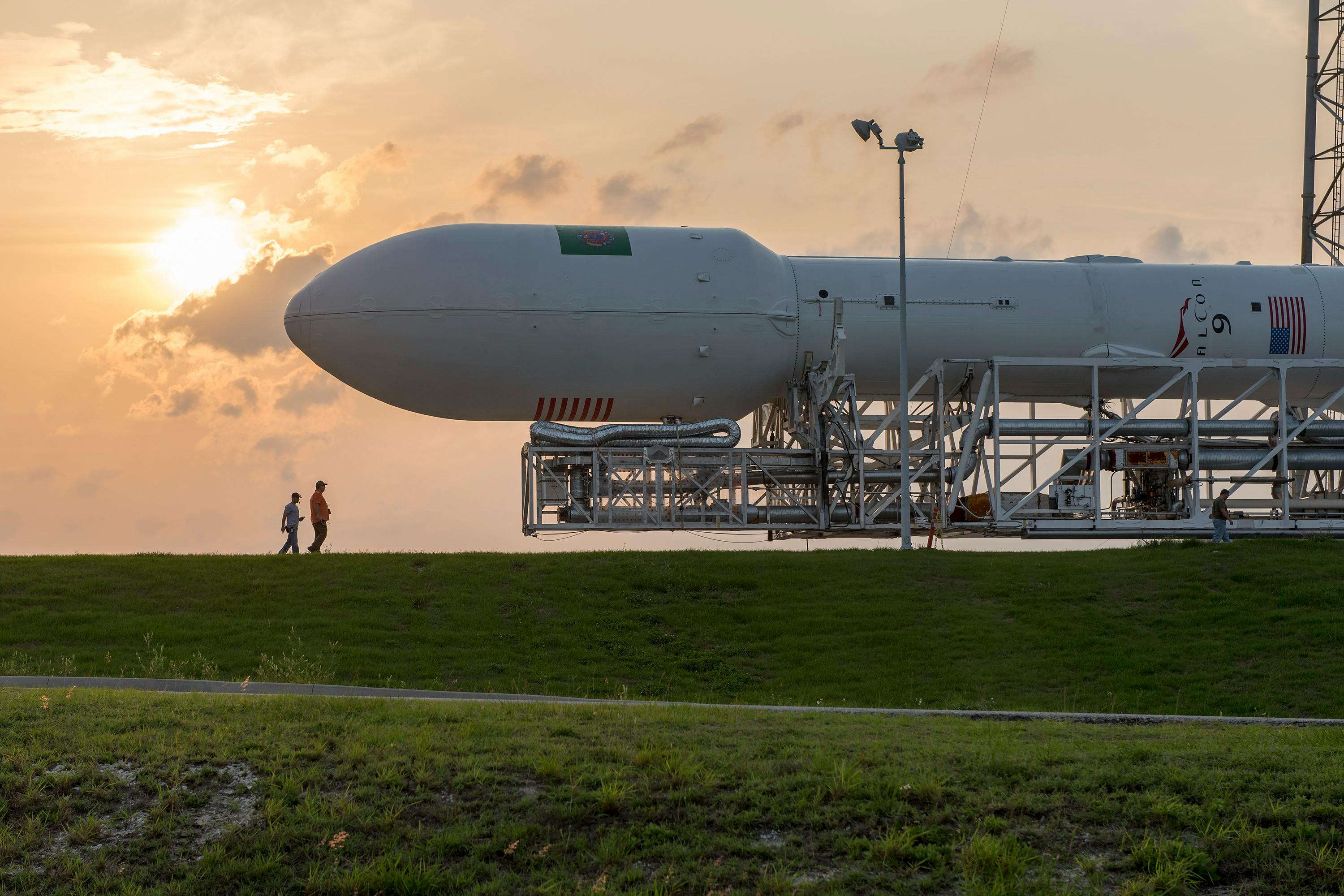
SpaceX airs Starlink's first-ever Super Bowl ad to millions. Falcon 9 completes static fire test for Crew-12 launch on Feb 11. Falcon 9 resumed flights after engine investigation.
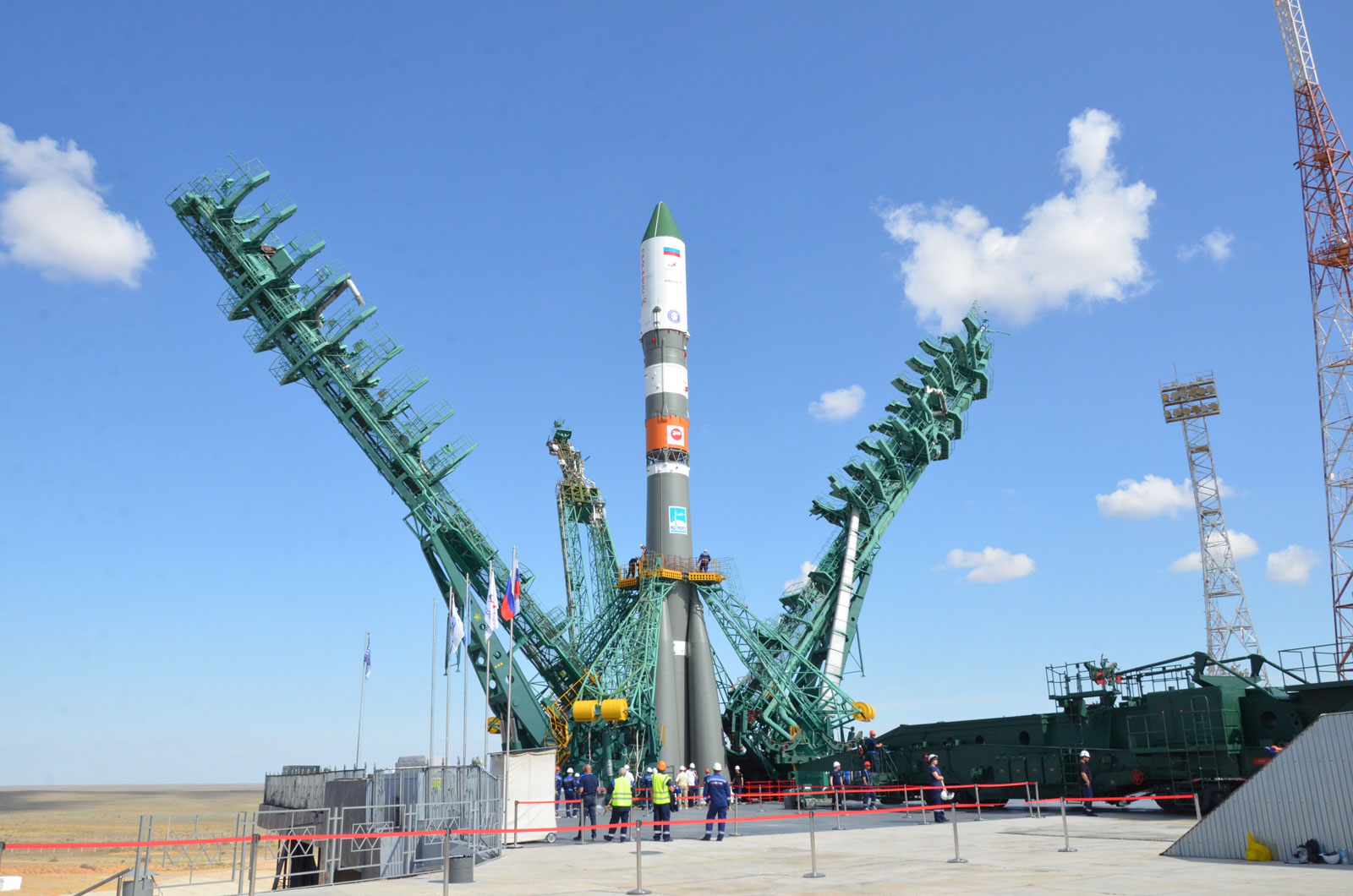
Today's brief highlights significant shifts in military space spending due to the Golden Dome program, the U.S. Space Force's advancements in tactical satellite communications, and NASA's race to nuclear power in space.
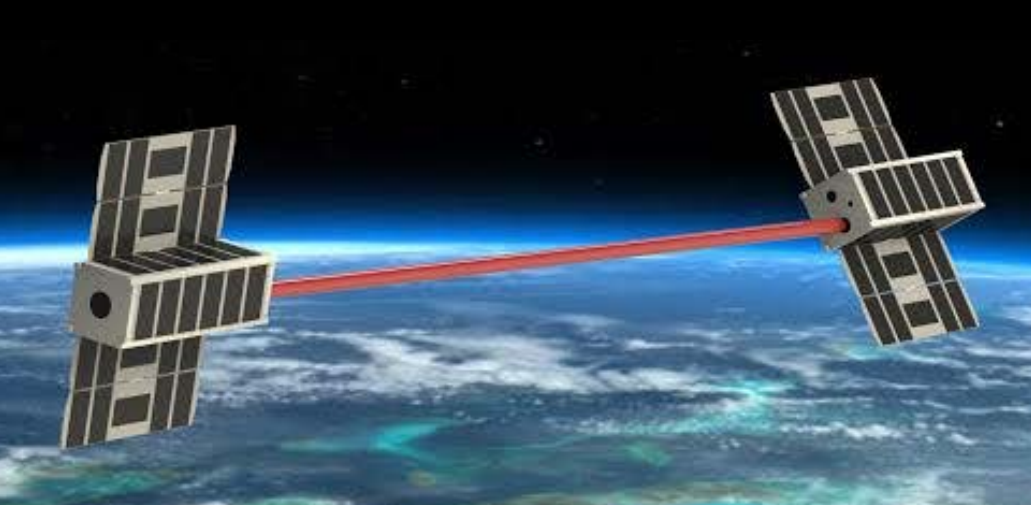
The satellite industry's biggest operators are betting on multi-orbit architectures that combine LEO, MEO, and GEO into unified networks. A San Francisco startup called Contrivian thinks they've overcomplicated the problem, and the physics might be on its side.