


X Report 11 Dec 2024
SpaceX advances with new Starship engine tests and celebrates a festive launch at Vandenberg. Jared Isaacman's NASA nomination brings excitement and scrutiny.



Launch Date
March 9, 2022
Launch Site
Launch Pad
LC40
Launch Vehicle
NORAD ID
51980
International Designator
2022-025AA
Epoch
Mon, 20 Jul 2026 03:31:40 GMT
Apogee
Calculating...
Perigee
Calculating...
Inclination
53.16°
Right Ascension
164.20°
Eccentricity
Calculating...
Argument of Perigee
73.21°
Period
95.44 min
Mean Motion
15.09 rev/day
Latitude
Calculating...
Longitude
Calculating...
Altitude
Calculating...
Velocity
Calculating...
Name
STARLINK-3649
Alternative Name
Starlink 3649
Type
Status
Owner
SPXS
Country
United States
Constellation
N/A
Related Satellites
Major Events
N/A
1 51980U 22025AA 26201.14699626 .00006704 00000+0 43938-3 0 9994
2 51980 53.1609 164.2033 0001520 73.2067 286.9091 15.08799635241051
Source: Celestrak
Length
0.2
Diameter
2.8
Span
9
Dry Mass
275
Launch Mass
297
Shape
Box + pan
Radar Cross Section
Unknown
Visual Magnitude
Unknown
Color
Unknown
Material Composition
Unknown
Payload
Starlink Group 4-10-25
Purpose
Communication
Mission
Communication
Manufacturer
SPXS
Life Expectancy
Unknown
Bus
Starlink
Configuration
Unknown
Motor
Krypton ion thrusters
Equipment
Ku/Ka-band payload, optical inter-satellite link
Power System
Solar arrays, batteries
ADCS
Unknown
Transmitter Frequency
Unknown
Learn more about satellites and other related topics.
SpaceX advances with new Starship engine tests and celebrates a festive launch at Vandenberg. Jared Isaacman's NASA nomination brings excitement and scrutiny.
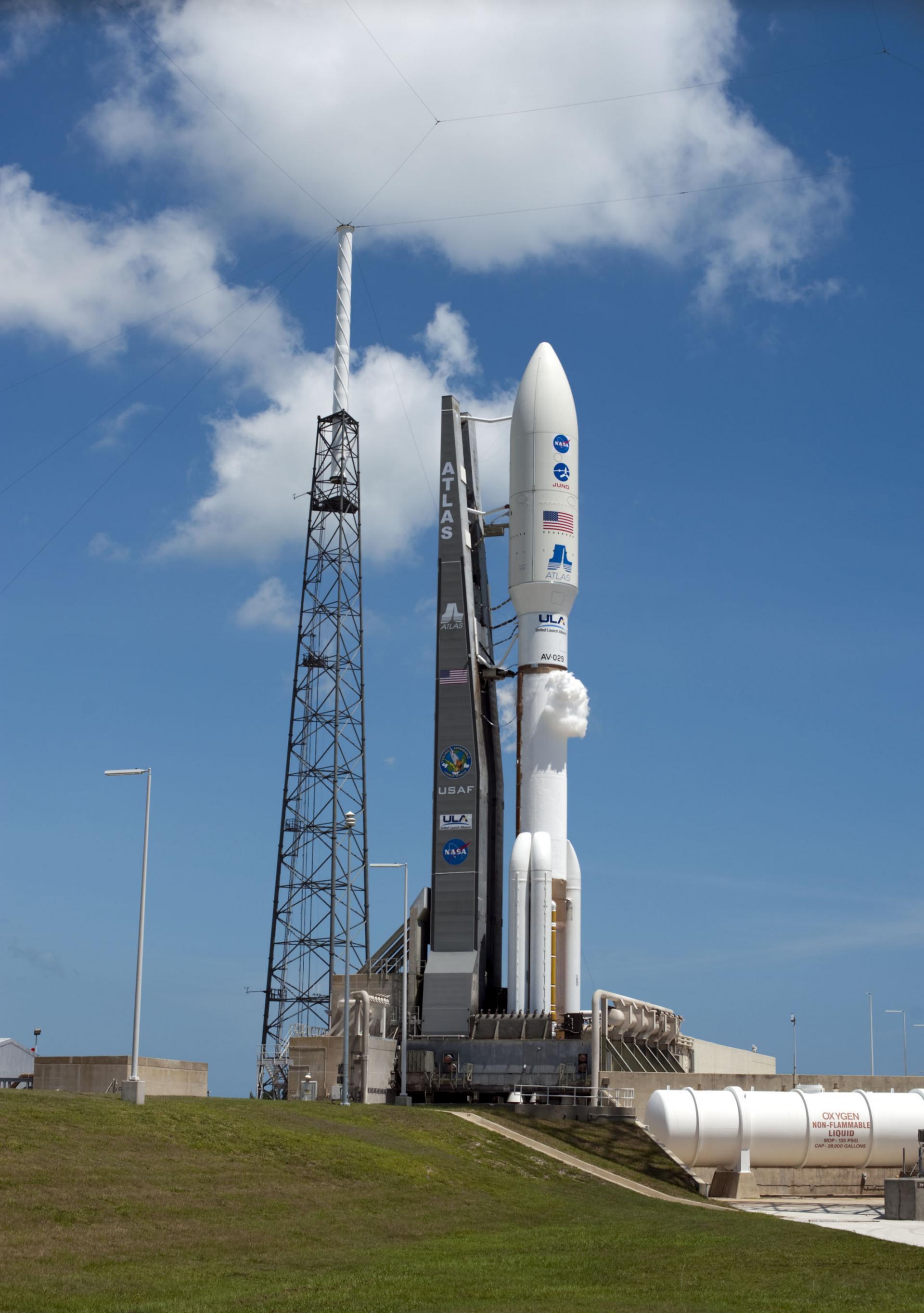
Today's space news features significant discussions on the funding of Space Force, advancements in hypersonic technology, and the potential impacts of spectrum auction plans on border defense systems.

Today's brief explores a simulated 'dogfight' in space by Chinese satellites, insights into a cloud platform by Oracle and Singapore's defense agency, and more space-related developments.
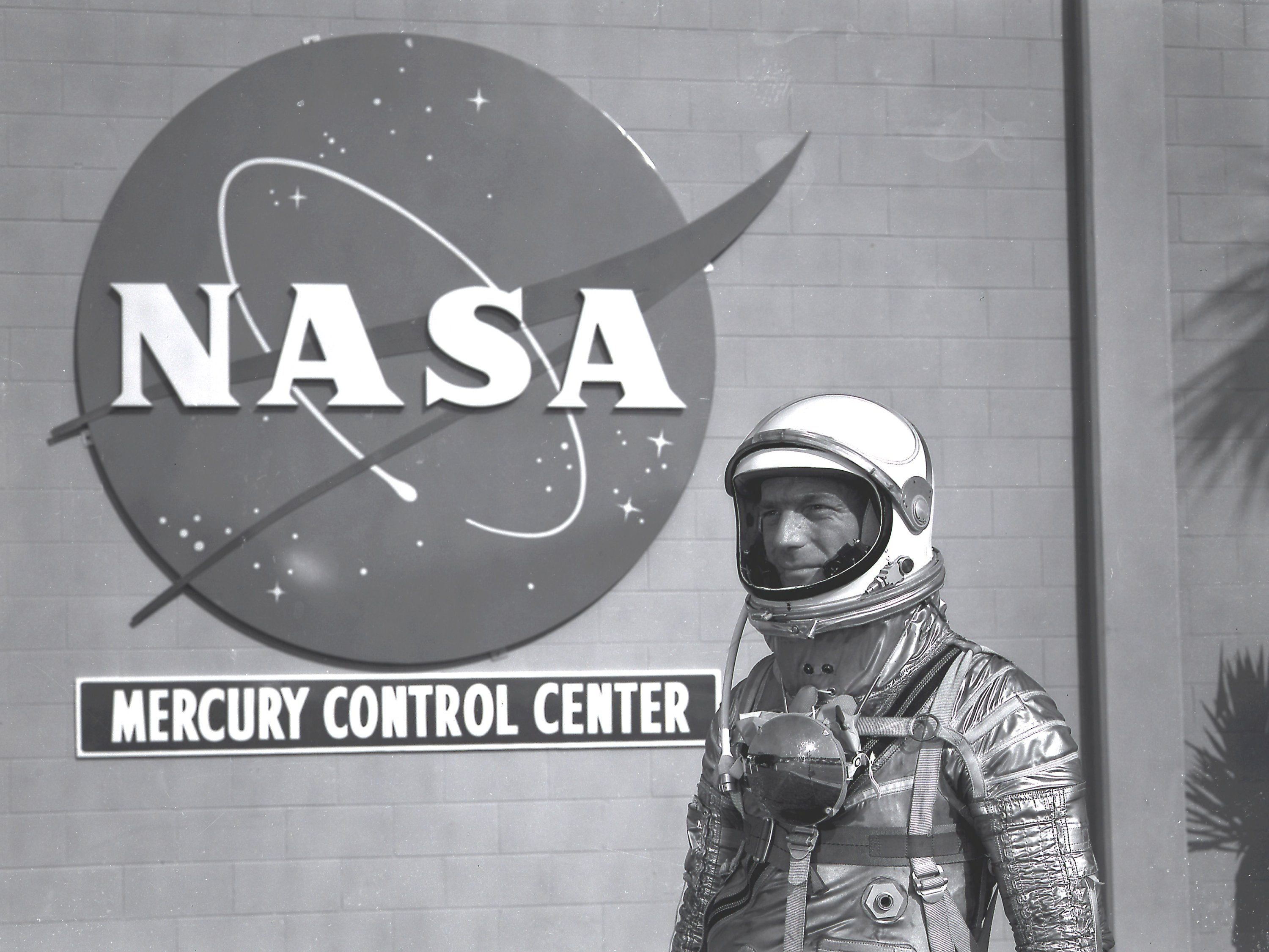
Exactly 64 years ago today, Scott Carpenter became the fourth American to orbit the Earth aboard Aurora 7. His five-hour flight produced new science, a tense reentry, and 39 minutes of silence in which the country wondered if it had just lost its astronaut.

Today's brief covers advances in satellite docking technology, challenges faced by space companies with government navigation, and China's leap in space autonomy through AI developments.
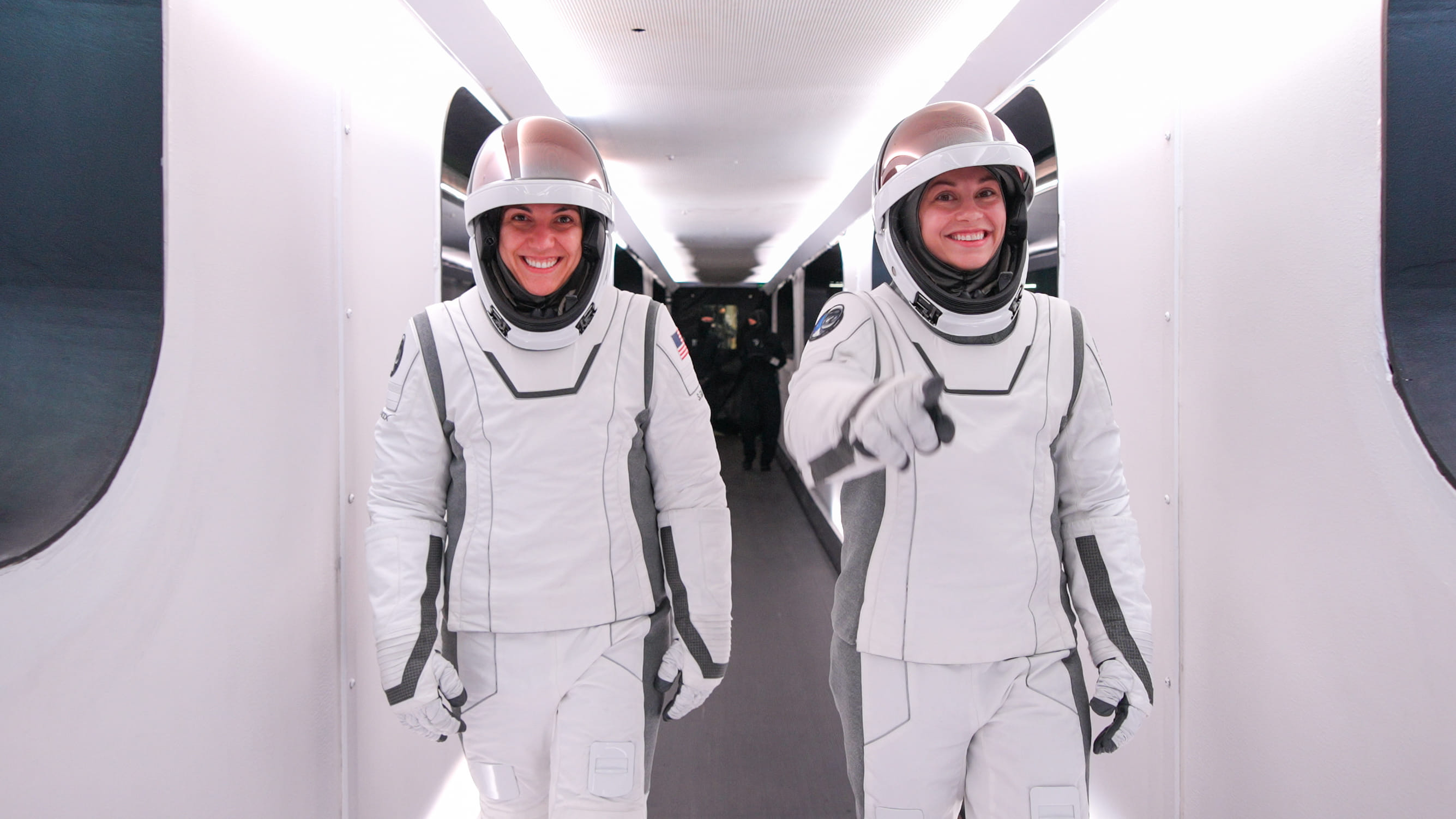
A recap of notable space events including the Soyuz MS-26 launch to the ISS, Polaris Dawn's altitude achievement, and satellite tracking updates.
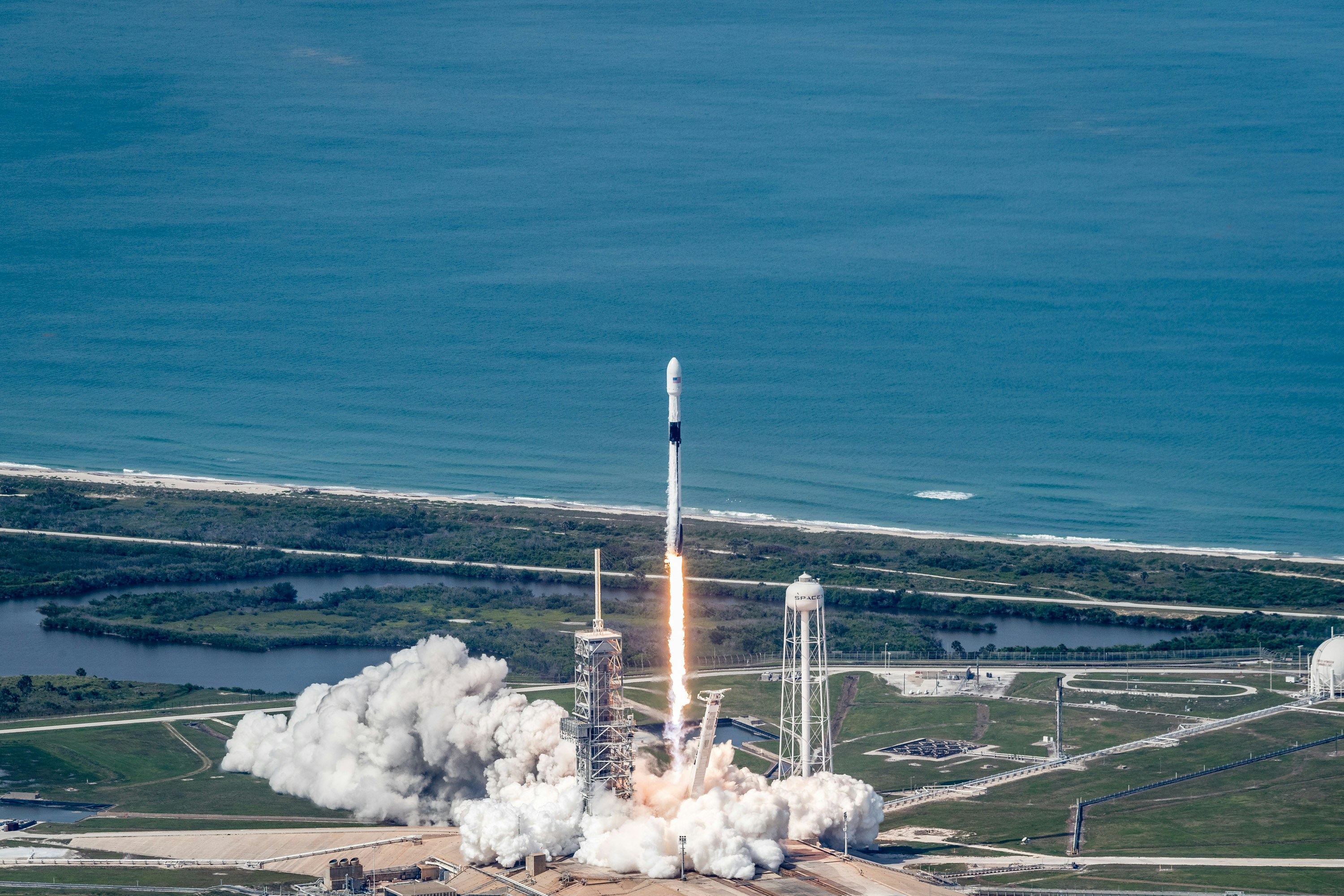
Today's key development highlights SpaceX's upcoming launch of 29 Starlink satellites from Cape Canaveral, marking the start of an active month for the satellite constellation.
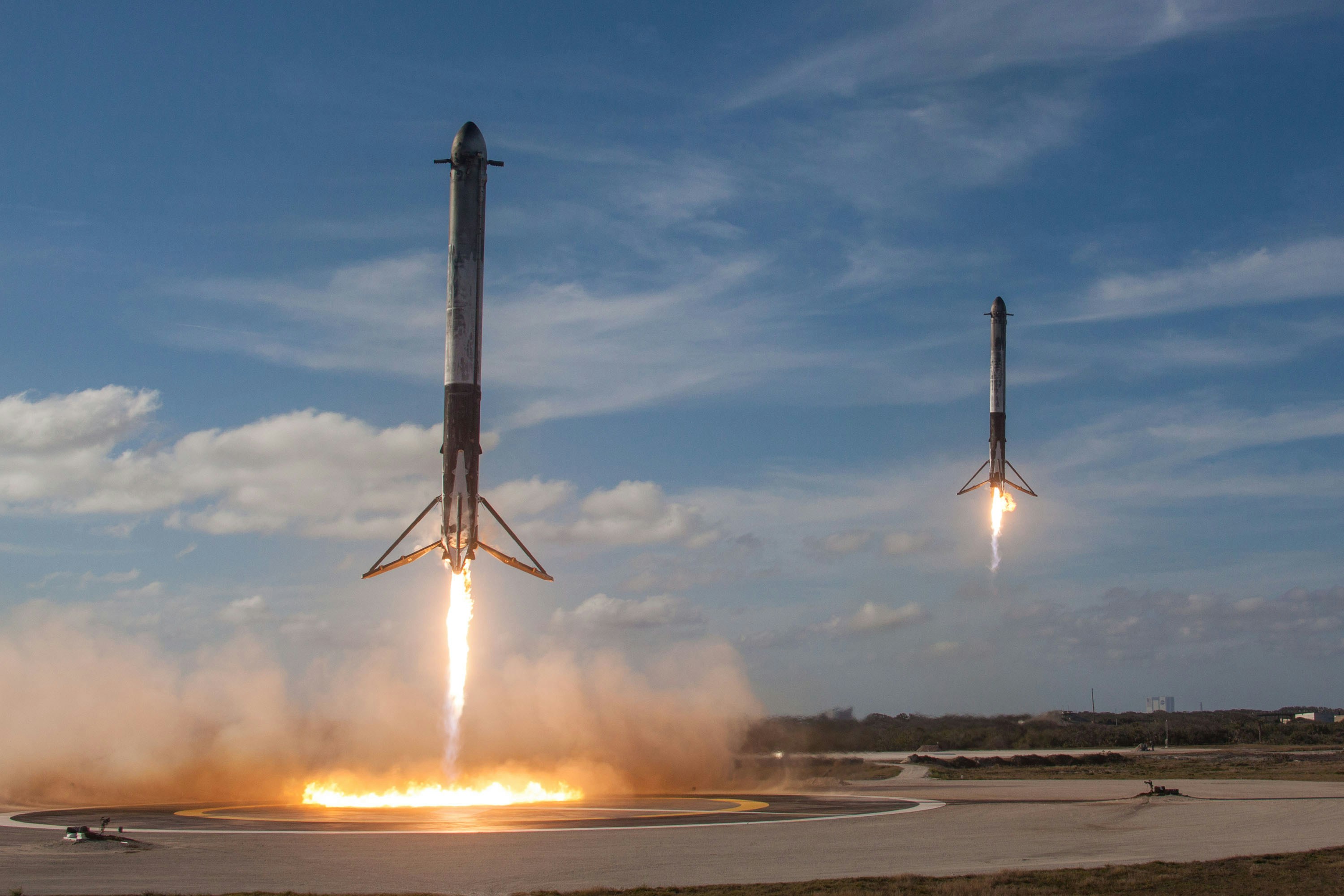
SpaceX's Falcon Heavy targets a second launch attempt for ViaSat-3 F3, while Artemis III slips to late 2027 and Musk earns a Mars milestone bonus.