STARLINK-3590 (51867)

COSPAR: 2022-022R | Alt Name: Starlink 3590

Image
STARLINK-3590 Satellite Image
Additional Sources
Launch Details

Launch Date

March 3, 2022

Launch Pad

LC39A

Launch Vehicle

Falcon 9

Orbital Elements

NORAD ID

51867

International Designator

2022-022R

Epoch

Mon, 20 Jul 2026 08:00:01 GMT

Apogee

Calculating...

Perigee

Calculating...

Inclination

53.16°

Right Ascension

132.98°

Eccentricity

Calculating...

Argument of Perigee

94.44°

Period

94.76 min

Mean Motion

15.20 rev/day

Latitude

Calculating...

Longitude

Calculating...

Altitude

Calculating...

Velocity

Calculating...

Polar Plot
3D Visualization
Basic Satellite Info

Name

STARLINK-3590

Alternative Name

Starlink 3590

Type

Payload

Status

Operational

Owner

SPXS

Country

United States

Constellation

N/A

Related Satellites

Major Events

N/A

Latest TLEs
1 51867U 22022R   26201.33335647  .00052079  00000+0  24091-2 0  9990
2 51867  53.1590 132.9797 0001114  94.4434 243.3874 15.19664649  5710

Source: Celestrak

Summary
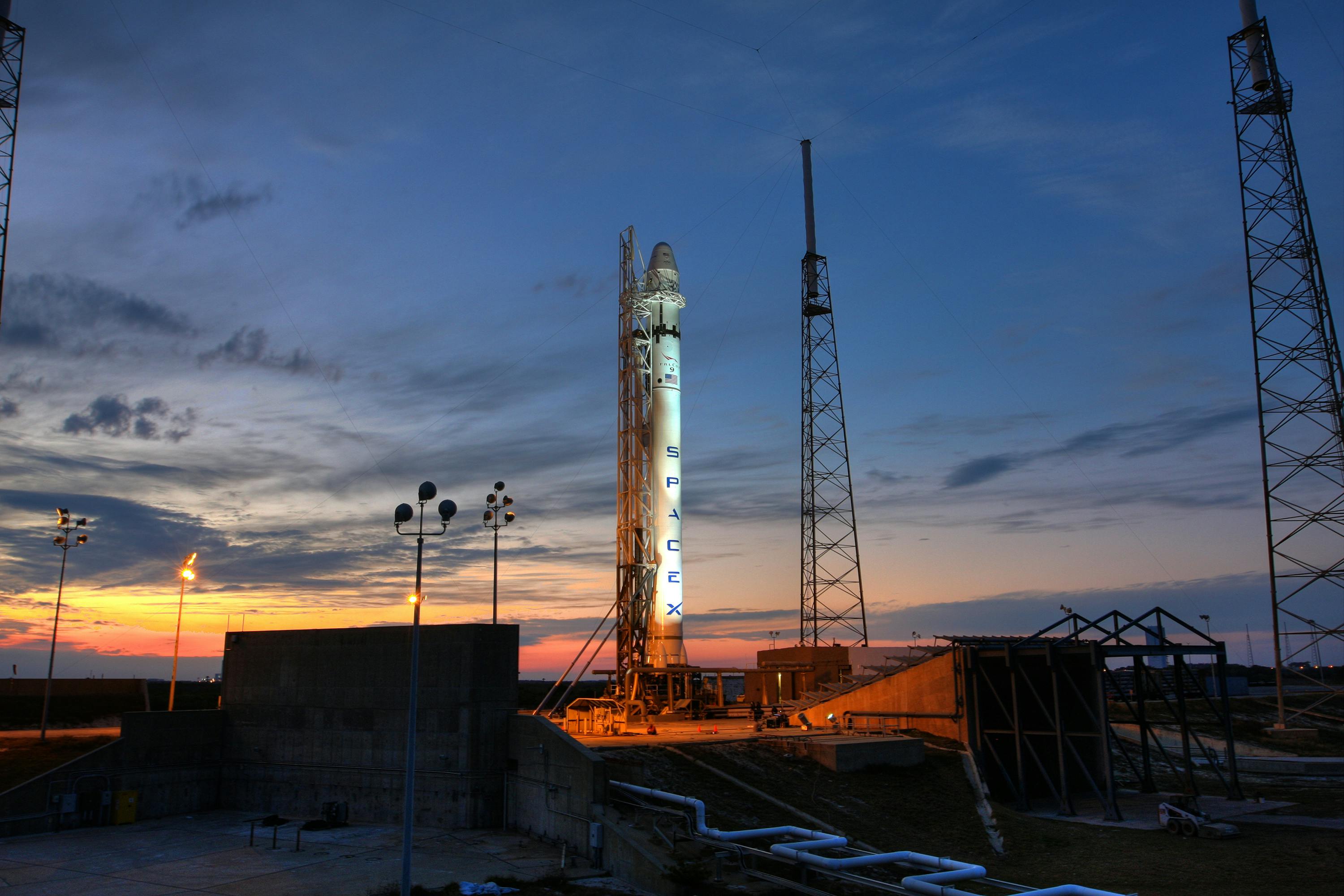
The STARLINK-3590 satellite, also known as Starlink 3590, is part of the Starlink constellation and was launched on March 3, 2022, from Launch Complex 39A at Cape Canaveral Air Force Station using a Falcon 9 launch vehicle. This communication satellite measures approximately 0.2 meters in length with a diameter of 2.8 meters and a span of 9 meters. It has a dry mass of 275 kilograms and was launched with a total mass of 297 kilograms. Equipped with Ku/Ka-band payload, optical inter-satellite link, and krypton ion thrusters for propulsion, it operates using solar arrays and batteries. The satellite is owned by SpaceX (SPXS) and its primary purpose is to provide communication services as part of the Starlink Group 4-9-16 mission.

Starlink is a satellite constellation developed by SpaceX with the aim of providing global broadband internet coverage. Thousands of small satellites are deployed in low Earth orbit (LEO), enabling high-speed internet access even in remote areas. However, the rapid increase in satellites raises concerns about space debris and the potential for collisions, which can lead to further debris creation and endanger other spacecraft. Additionally, the sheer number of Starlink satellites can affect astronomical observations by increasing light pollution. Proper deorbiting plans and international coordination are essential to mitigate these challenges and ensure long-term sustainability in space.
Physical Characteristics

Length

0.2

Diameter

2.8

Span

9

Dry Mass

275

Launch Mass

297

Shape

Box + pan

Radar Cross Section

Unknown

Visual Magnitude

Unknown

Color

Unknown

Material Composition

Unknown

Technical Details

Payload

Starlink Group 4-9-16

Purpose

Communication

Mission

Communication

Manufacturer

SPXS

Life Expectancy

Unknown

Bus

Starlink

Configuration

Unknown

Motor

Krypton ion thrusters

Equipment

Ku/Ka-band payload, optical inter-satellite link

Power System

Solar arrays, batteries

ADCS

Unknown

Transmitter Frequency

Unknown

Map
This tool will help you track the satellite's position and predict its upcoming passes over your location. Simply input the coordinates or click the geolocation button to get started.
Next Pass
Azimuth Elevation Time (Local)
Start Azimuth
Max Elevation
Stop Azimuth
Time Until
Pass Duration

Satellite Articles

View All Posts »

Learn more about satellites and other related topics.

Falcon 9 Booster B1067 Reaches 35th Flight Record | KeepTrack Space Brief

Falcon 9 Booster B1067 Reaches 35th Flight Record | KeepTrack Space Brief

Booster B1067 sets new Falcon 9 reuse record with 35th successful flight, deploying 29 Starlink satellites. Quantum Space pursues public markets via SPAC.

Geosynchronous Orbit (GEO)

Geosynchronous Orbit (GEO)

Understanding the unique orbital sweet spot that keeps satellites perfectly positioned above Earth

Space Force Forecasts 25 Extra Heavy-Lift Missions Through 2029 | KeepTrack Space Brief

Space Force Forecasts 25 Extra Heavy-Lift Missions Through 2029 | KeepTrack Space Brief

Space Force projects 25 additional high-energy missions in 2027–2029 window, straining capacity at Vulcan and Falcon Heavy. Capacity constraints will drive military-NASA prioritization debates.

Space Brief 2 Sep 2025

Space Brief 2 Sep 2025

Today's brief covers key topics such as SpaceX's latest Starlink launch, the European Space Agency's new initiatives, and Space Force's integration of AI into its operations.

X Report 12 Apr 2025

X Report 12 Apr 2025

Key developments include the launch of Starshield satellites for the NRO and updates on Starlink launches and NASA access concerns involving Elon Musk's team.

Pentagon Seeks Commercially Built GEO Spy Satellites | KeepTrack Space Brief

Pentagon Seeks Commercially Built GEO Spy Satellites | KeepTrack Space Brief

Pentagon's DIU seeks commercial partners for GEO spy satellites. SpaceX unveils space traffic management system. Bahamas rocket landings resume. GPS III falls short in modern warfare.

The Kessler Syndrome

The Kessler Syndrome

The Kessler Syndrome threatens humanity's future in space as cascading satellite collisions create exponential debris growth. With 36,000+ tracked objects and recent incidents accelerating risks, we face a critical juncture: implement solutions now or potentially lose access to low Earth orbit forever.

Space Brief 25 Oct 2025

Space Brief 25 Oct 2025

Today's brief covers significant growth forecasts for global defense satellite communications, the integration of hypersonic missiles, cyber authority expansion in the Army, and more pivotal military developments.