


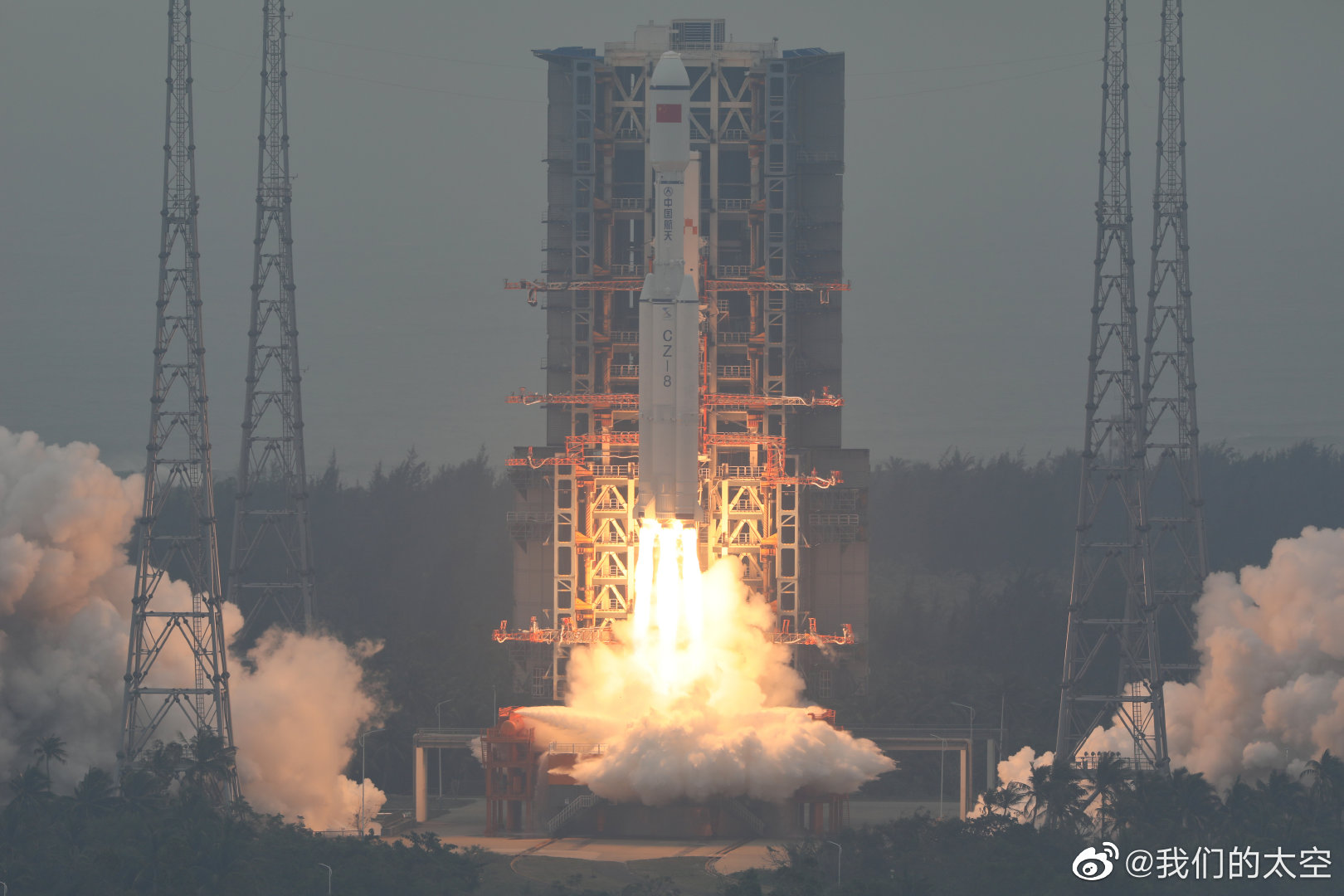
Artemis 2 Crew Reaches Moon, NASA Cuts Budget 25% | KeepTrack Space Brief
Artemis 2's four astronauts entered lunar sphere of influence April 6, first crewed arrival since Apollo 17. NASA simultaneously proposed 25% budget cut for FY2027.



NORAD ID
51816
International Designator
2022-017BA
Epoch
Mon, 20 Apr 2026 04:08:23 GMT
Apogee
Calculating...
Perigee
Calculating...
Inclination
53.20°
Right Ascension
97.30°
Eccentricity
Calculating...
Argument of Perigee
330.84°
Period
88.26 min
Mean Motion
16.32 rev/day
Latitude
Calculating...
Longitude
Calculating...
Altitude
Calculating...
Velocity
Calculating...
Name
STARLINK-3603
Alternative Name
Starlink 3603
Type
Status
Owner
SPXS
Country
United States
Constellation
N/A
Related Satellites
Major Events
N/A
1 51816U 22017BA 26110.17249344 .05695219 12130-4 10475-2 0 9994
2 51816 53.1993 97.2968 0000902 330.8384 29.2611 16.31574393231036
Source: Celestrak
Length
0.2
Diameter
2.8
Span
9
Dry Mass
275
Launch Mass
297
Shape
Box + pan
Radar Cross Section
Unknown
Visual Magnitude
Unknown
Color
Unknown
Material Composition
Unknown
Payload
Starlink Group 4-11-49
Purpose
Communication
Mission
Communication
Manufacturer
SPXS
Life Expectancy
Unknown
Bus
Starlink
Configuration
Unknown
Motor
Krypton ion thrusters
Equipment
Ku/Ka-band payload, optical inter-satellite link
Power System
Solar arrays, batteries
ADCS
Unknown
Transmitter Frequency
Unknown
Learn more about satellites and other related topics.
Artemis 2's four astronauts entered lunar sphere of influence April 6, first crewed arrival since Apollo 17. NASA simultaneously proposed 25% budget cut for FY2027.

Today's highlights include the cancellation of Starship landing plans, Planet Labs' defense expansion, and cutting-edge radiation-hardened tech for space and defense.

Today's brief covers the expansion of the U.S. missile defense shield, a new contract for Viasat from the U.S. Space Force, and the Missile Defense Agency's call for innovative Iron Dome concepts.

Europe's bid to break free from the US launch monopoly. How Sweden's Esrange Space Center is transforming access to space, enabling orbital launches, and strengthening strategic independence for the continent.
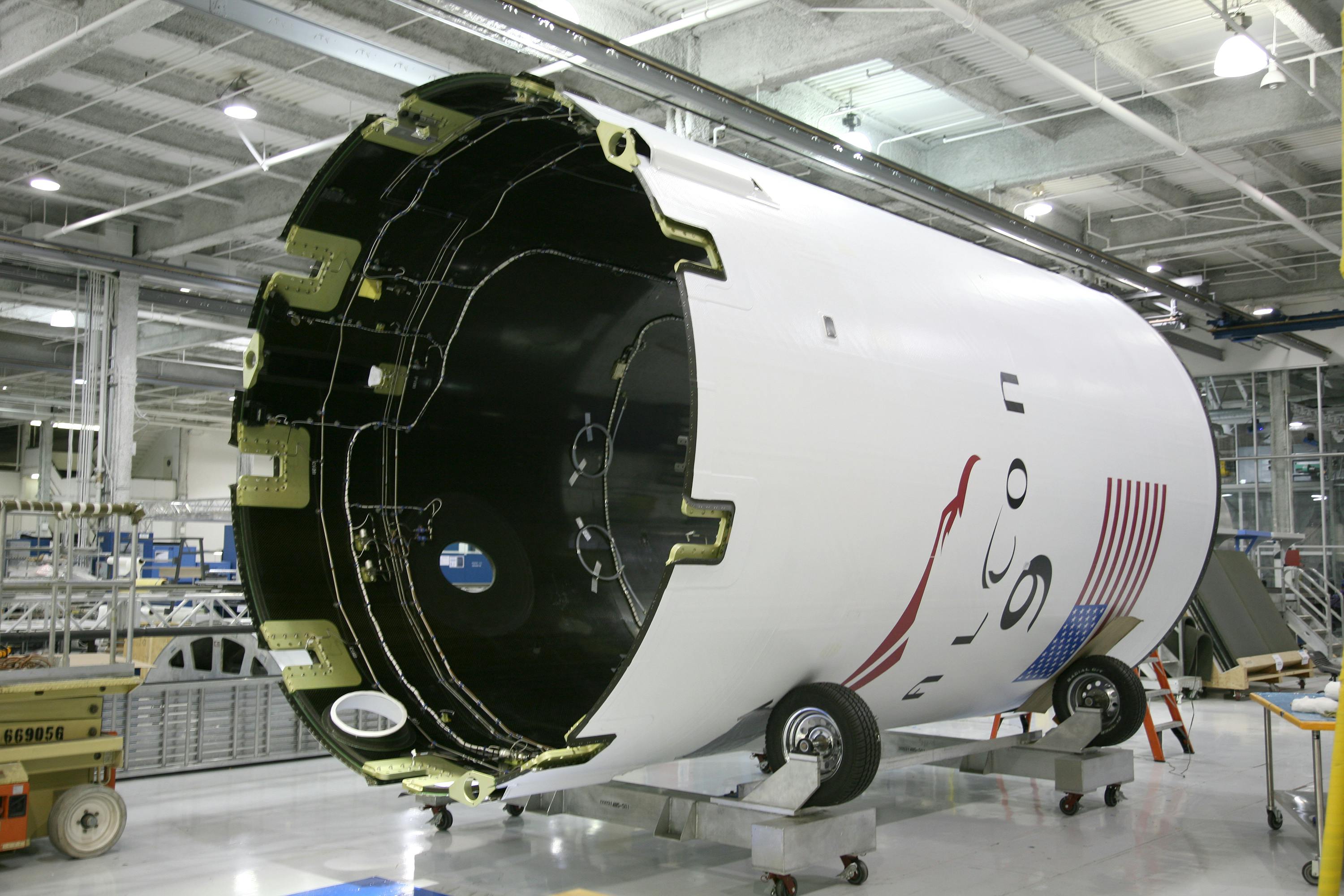
SpaceX plans first Starship launch from Florida, and prepares for NASA’s SPHEREx and PUNCH missions from Vandenberg.
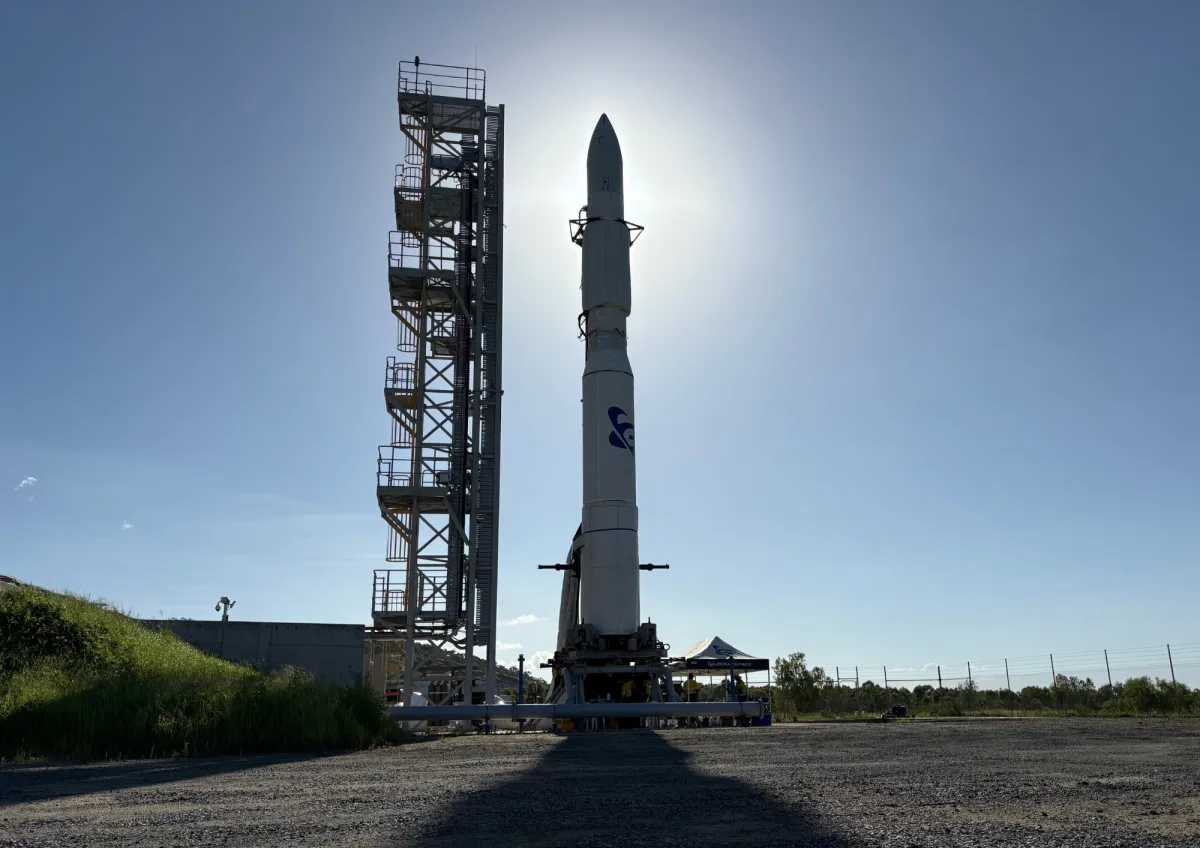
Today's brief highlights the US Space Force's new space conflict doctrine, Ukraine's search for Starlink alternatives, and updates on regional military activities affecting space dynamics.
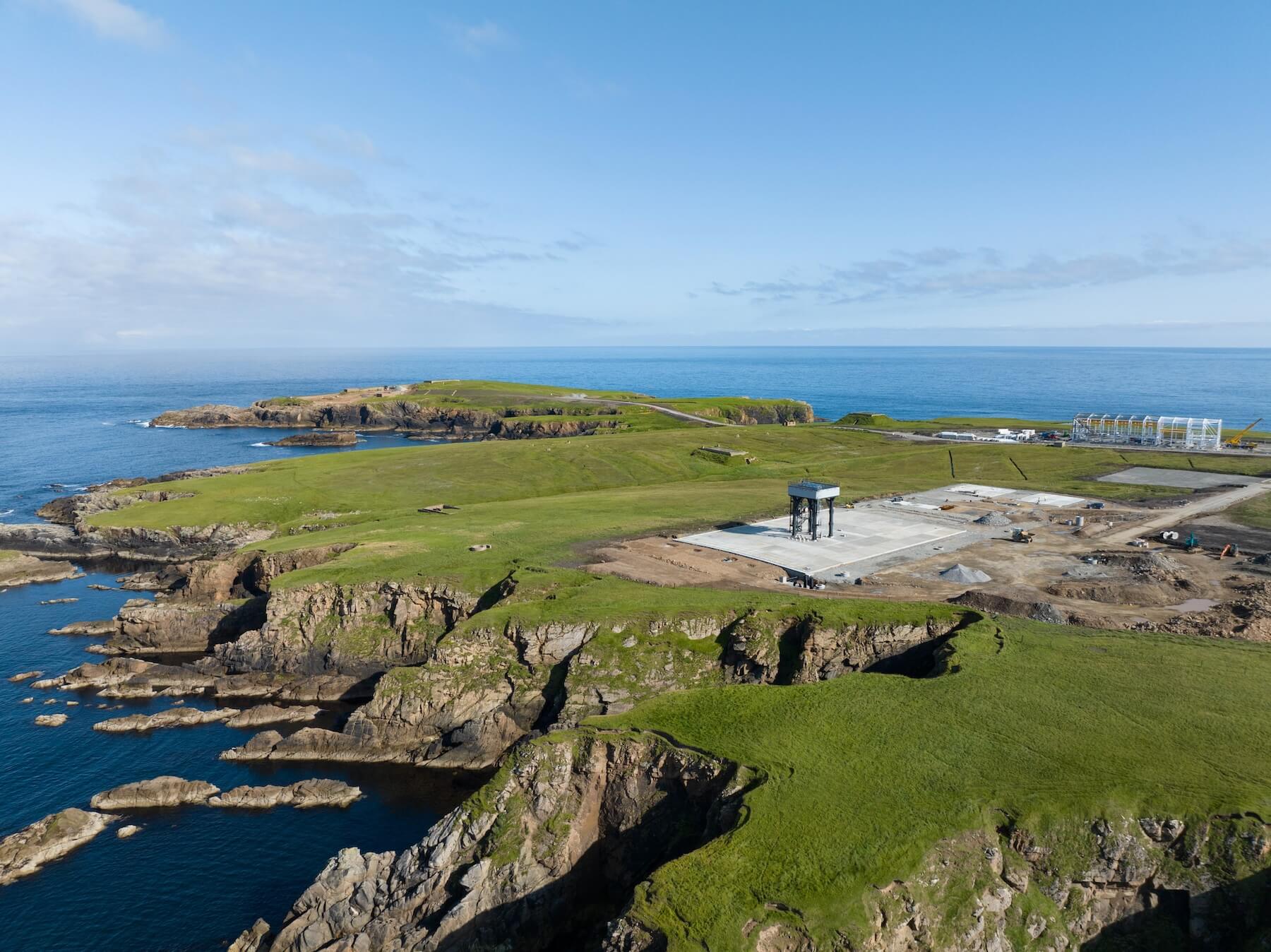
The UK's orbital ambitions rest on a remote Shetland island. How SaxaVord became Europe's first fully licensed vertical launch spaceport - and why, despite being ready for years, it's still waiting for a rocket that works.

Fifteen years ago, NASA launched its most advanced solar observatory, revolutionizing our understanding of our star and transforming space weather prediction