STARLINK-3619 (51787)

COSPAR: 2022-017V | Alt Name: Starlink 3619

Image
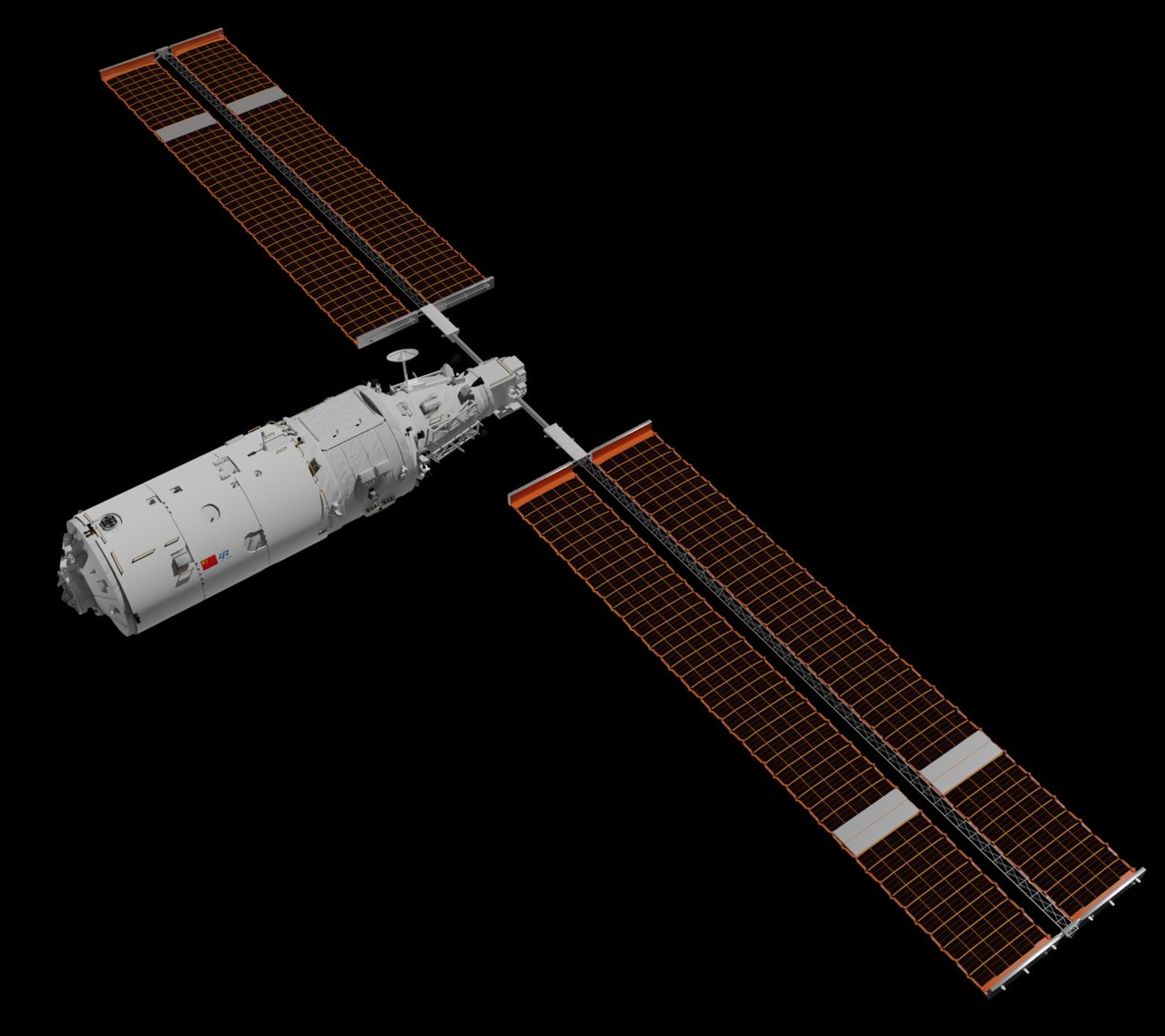
STARLINK-3619 Satellite Image
Additional Sources
Launch Details

Launch Date

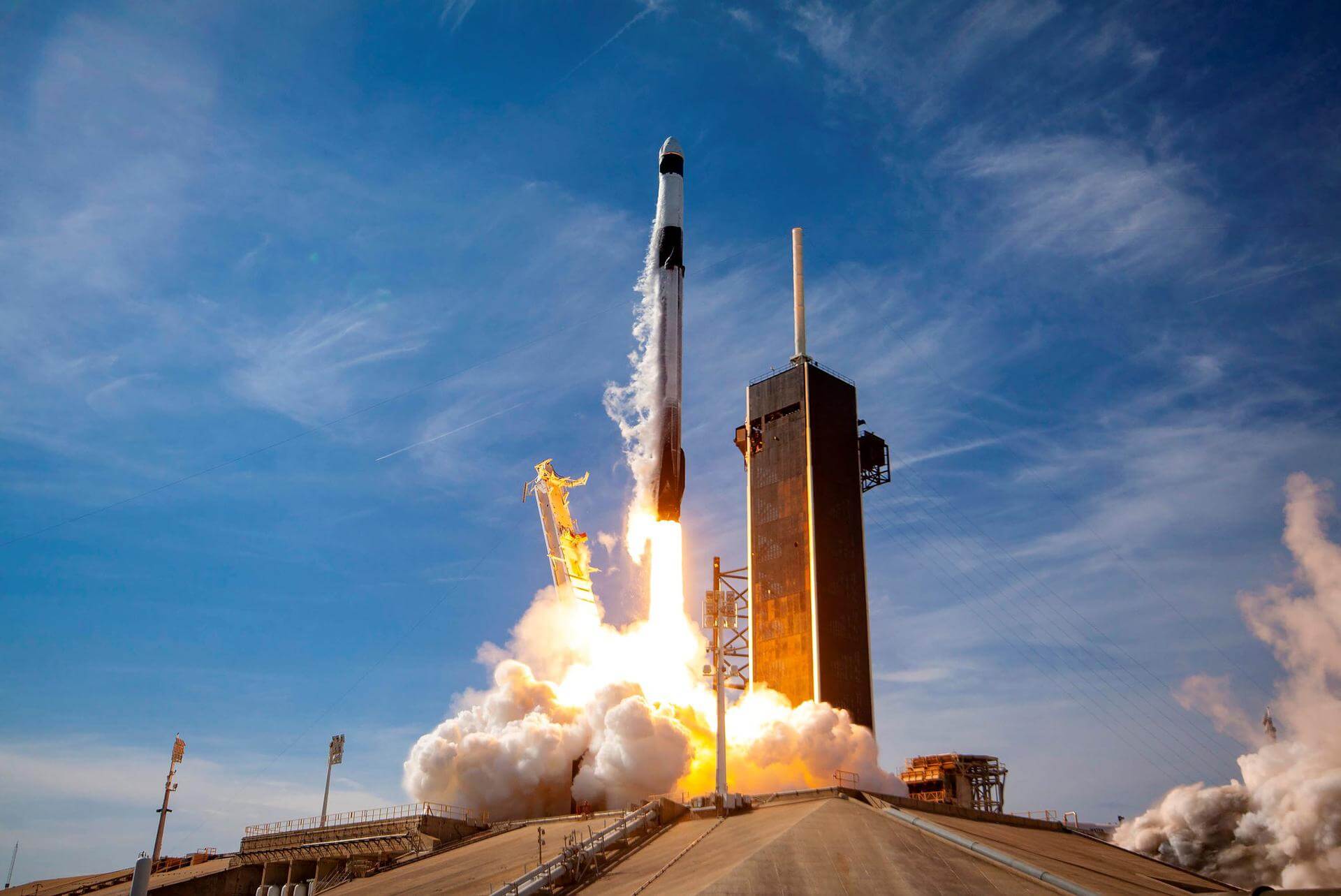
February 25, 2022

Launch Site

AFWTR

Launch Pad

SLC4E

Launch Vehicle

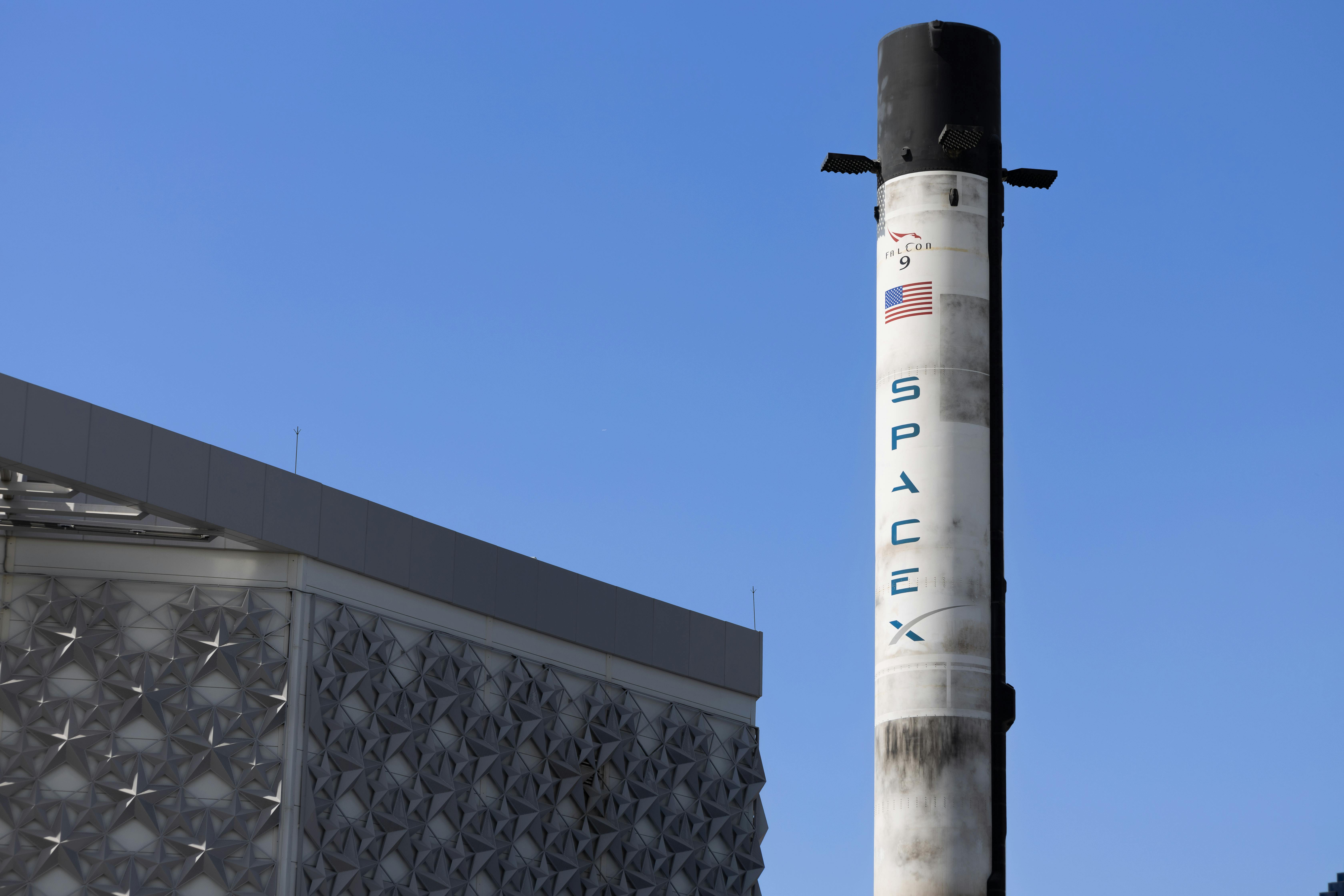
Falcon 9

Orbital Elements

NORAD ID

51787

International Designator

2022-017V

Epoch

Sun, 19 Jul 2026 01:38:00 GMT

Apogee

Calculating...

Perigee

Calculating...

Inclination

53.16°

Right Ascension

113.90°

Eccentricity

Calculating...

Argument of Perigee

74.62°

Period

93.85 min

Mean Motion

15.34 rev/day

Latitude

Calculating...

Longitude

Calculating...

Altitude

Calculating...

Velocity

Calculating...

Polar Plot
3D Visualization
Basic Satellite Info

Name

STARLINK-3619

Alternative Name

Starlink 3619

Type

Payload

Status

Operational

Owner

SPXS

Country

United States

Constellation

N/A

Related Satellites

Major Events

N/A

Latest TLEs
1 51787U 22017V   26200.06806105  .00000226  00000+0  17823-4 0  9990
2 51787  53.1612 113.8982 0001334  74.6217 285.4933 15.34384710242185

Source: Celestrak

Summary
STARLINK-3619 is a communication satellite belonging to the Starlink constellation and was manufactured by SPXS (SpaceX). It was launched on February 25, 2022, from AFWTR (Cape Canaveral Space Force Station), using Falcon 9 as its launch vehicle. The satellite has dimensions of approximately 0.2 meters in length, a diameter of 2.8 meters, and a span of 9 meters. At launch, it had a mass of 297 kilograms, with a dry mass of 275 kilograms. It is equipped with Ku/Ka-band payload, optical inter-satellite link, and Krypton ion thrusters for propulsion. The satellite's power comes from solar arrays and batteries. Its primary mission is communication within the Starlink Group 4-11-20 constellation.

Starlink is a satellite constellation developed by SpaceX with the aim of providing global broadband internet coverage. Thousands of small satellites are deployed in low Earth orbit (LEO), enabling high-speed internet access even in remote areas. However, the rapid increase in satellites raises concerns about space debris and the potential for collisions, which can lead to further debris creation and endanger other spacecraft. Additionally, the sheer number of Starlink satellites can affect astronomical observations by increasing light pollution. Proper deorbiting plans and international coordination are essential to mitigate these challenges and ensure long-term sustainability in space.
Physical Characteristics

Length

0.2

Diameter

2.8

Span

9

Dry Mass

275

Launch Mass

297

Shape

Box + pan

Radar Cross Section

Unknown

Visual Magnitude

Unknown

Color

Unknown

Material Composition

Unknown

Technical Details

Payload

Starlink Group 4-11-20

Purpose

Communication

Mission

Communication

Manufacturer

SPXS

Life Expectancy

Unknown

Bus

Starlink

Configuration

Unknown

Motor

Krypton ion thrusters

Equipment

Ku/Ka-band payload, optical inter-satellite link

Power System

Solar arrays, batteries

ADCS

Unknown

Transmitter Frequency

Unknown

Map
This tool will help you track the satellite's position and predict its upcoming passes over your location. Simply input the coordinates or click the geolocation button to get started.
Next Pass
Azimuth Elevation Time (Local)
Start Azimuth
Max Elevation
Stop Azimuth
Time Until
Pass Duration

Satellite Articles

View All Posts »

Learn more about satellites and other related topics.

NRO Expands Commercial Satellite Role to Military Tracking | KeepTrack Space Brief

NRO Expands Commercial Satellite Role to Military Tracking | KeepTrack Space Brief

NRO awards three commercial satellite contracts, expanding scope to dynamic military target tracking. Former NASA chief Bridenstine joins Quantum Space for cislunar operations.

Atlas 5 Retires After Final 551 Flight to Amazon Kuiper | KeepTrack Space Brief

Atlas 5 Retires After Final 551 Flight to Amazon Kuiper | KeepTrack Space Brief

ULA launches the final Atlas 5 551 configuration—its heaviest variant with 5 solid boosters—carrying Amazon's Project Kuiper satellite to low Earth orbit from Cape Canaveral.

The Day Electric Propulsion Changed Spaceflight Forever

The Day Electric Propulsion Changed Spaceflight Forever

Fifty-five years ago, a revolutionary spacecraft launched from California carrying technology that would transform how we explore the solar system

X Report 19 Aug 2025

X Report 19 Aug 2025

SpaceX receives FAA clearance for Starship Flight 10 and celebrates its 100th Falcon 9 launch of the year, successfully deploying 24 Starlink satellites.

X Report 21 Aug 2025

X Report 21 Aug 2025

Today's brief highlights the upcoming X-37B military spaceplane launch, ongoing partnerships to protect radio astronomy, and West Virginia's minimal allocation of broadband subsidies to satellite providers like SpaceX.

Space Brief 16 Sep 2024

Space Brief 16 Sep 2024

Highlights of the day include the Polaris Dawn mission's splashdown, advances in space traffic management, and intriguing astronomy insights from the cloud's edge.

Artemis 3 Schedule Slips With No Mission Plan From NASA | KeepTrack Space Brief

Artemis 3 Schedule Slips With No Mission Plan From NASA | KeepTrack Space Brief

NASA's Artemis 3 lunar landing mission schedule continues slipping over 2 months after revised plans announced, with no crew or surface activity details released publicly yet.

Space Brief 25 Feb 2025

Space Brief 25 Feb 2025

Today's Space Brief covers imminent launches, new developments in space technology, and strategic military contributions to satellite defense systems.