


Space Brief 30 Dec 2025
Today's briefing covers Rocket Lab's plans following a record-breaking year, efforts to recover NASA's MAVEN orbiter, and the potential relocation of space shuttle Discovery.



NORAD ID
51778
International Designator
2022-017L
Epoch
Sun, 19 Jul 2026 20:00:01 GMT
Apogee
Calculating...
Perigee
Calculating...
Inclination
53.16°
Right Ascension
95.18°
Eccentricity
Calculating...
Argument of Perigee
124.33°
Period
94.94 min
Mean Motion
15.17 rev/day
Latitude
Calculating...
Longitude
Calculating...
Altitude
Calculating...
Velocity
Calculating...
Name
STARLINK-3615
Alternative Name
Starlink 3615
Type
Status
Owner
SPXS
Country
United States
Constellation
N/A
Related Satellites
Major Events
N/A
1 51778U 22017L 26200.83335647 .00015268 00000+0 78306-3 0 9997
2 51778 53.1604 95.1785 0002014 124.3257 136.3231 15.16745911 5830
Source: Celestrak
Length
0.2
Diameter
2.8
Span
9
Dry Mass
275
Launch Mass
297
Shape
Box + pan
Radar Cross Section
Unknown
Visual Magnitude
Unknown
Color
Unknown
Material Composition
Unknown
Payload
Starlink Group 4-11-11
Purpose
Communication
Mission
Communication
Manufacturer
SPXS
Life Expectancy
Unknown
Bus
Starlink
Configuration
Unknown
Motor
Krypton ion thrusters
Equipment
Ku/Ka-band payload, optical inter-satellite link
Power System
Solar arrays, batteries
ADCS
Unknown
Transmitter Frequency
Unknown
Learn more about satellites and other related topics.
Today's briefing covers Rocket Lab's plans following a record-breaking year, efforts to recover NASA's MAVEN orbiter, and the potential relocation of space shuttle Discovery.
Today's brief covers a Japanese military satellite launch, new GPS satellite orders by the Space Force, and a Moog propulsion system contract, among other notable developments.
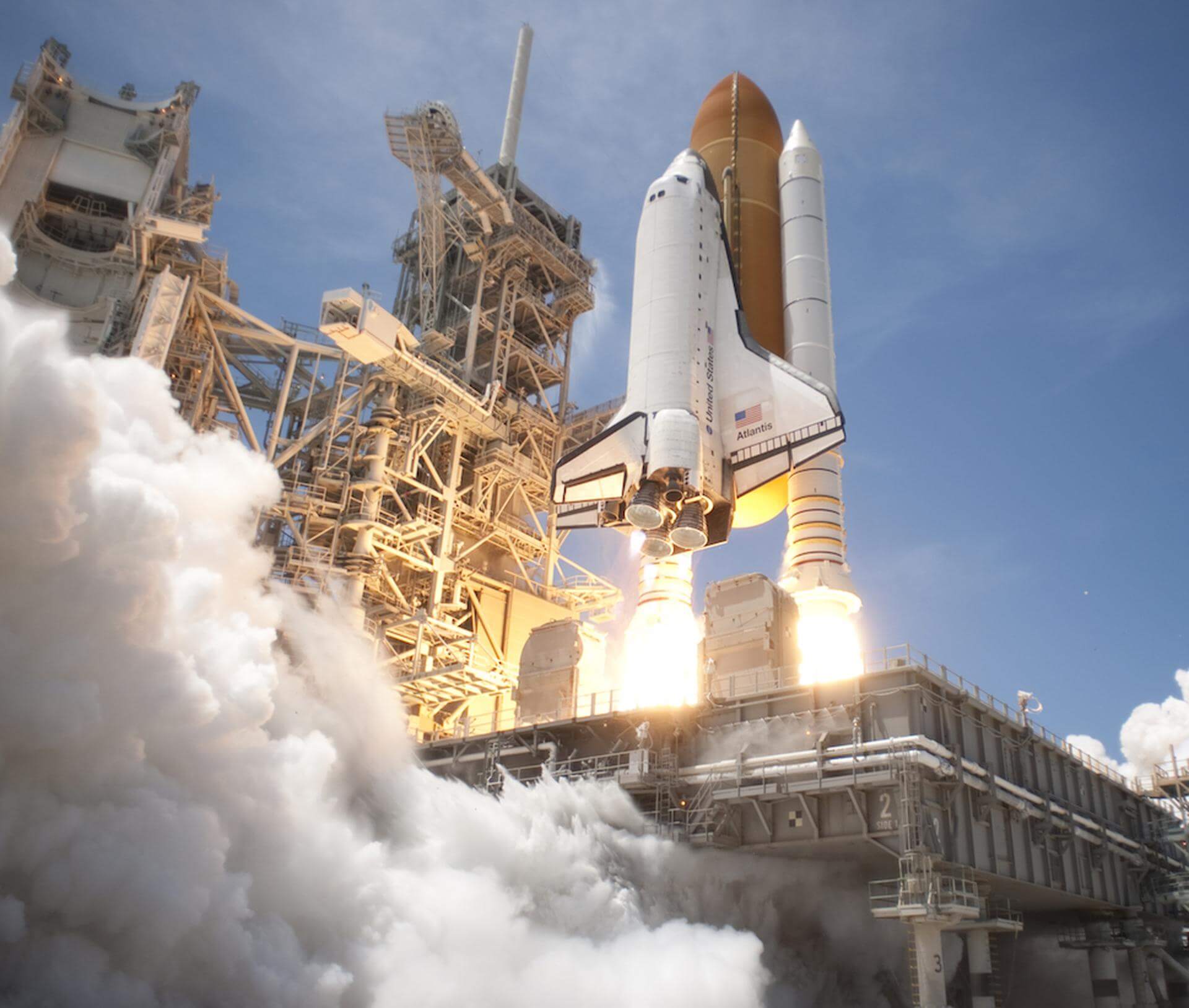
Today's Space Brief delves into key military developments in space, including the Space Force's pioneering officer training and innovative small satellite communication strategies.

SpaceX claims a 2nd GPS III launch as ULA's Vulcan investigation stalls, while ESA charters a Crew Dragon ISS mission and Starlink hits 30 launches in 2026.
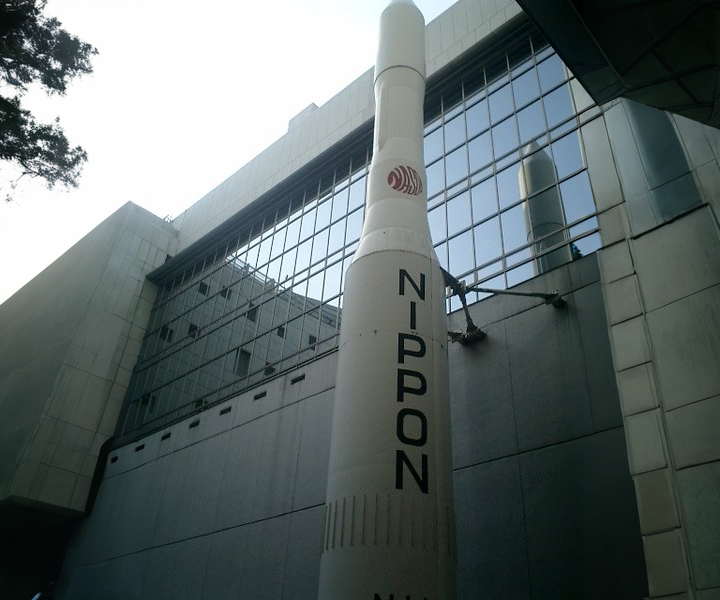
Forty-eight years ago, a pioneering satellite named Kiku 2 propelled Japan into the exclusive group of nations capable of operating satellites in geostationary orbit

Today's focus: Sidus Space's new AI edge computer, Space Force's dynamic operations initiative, and key Pentagon acquisition reforms.
Today's highlights include SpaceX's record-breaking launches, Japan's final H-2A launch, and significant developments in satellite data policies impacting weather forecasting.
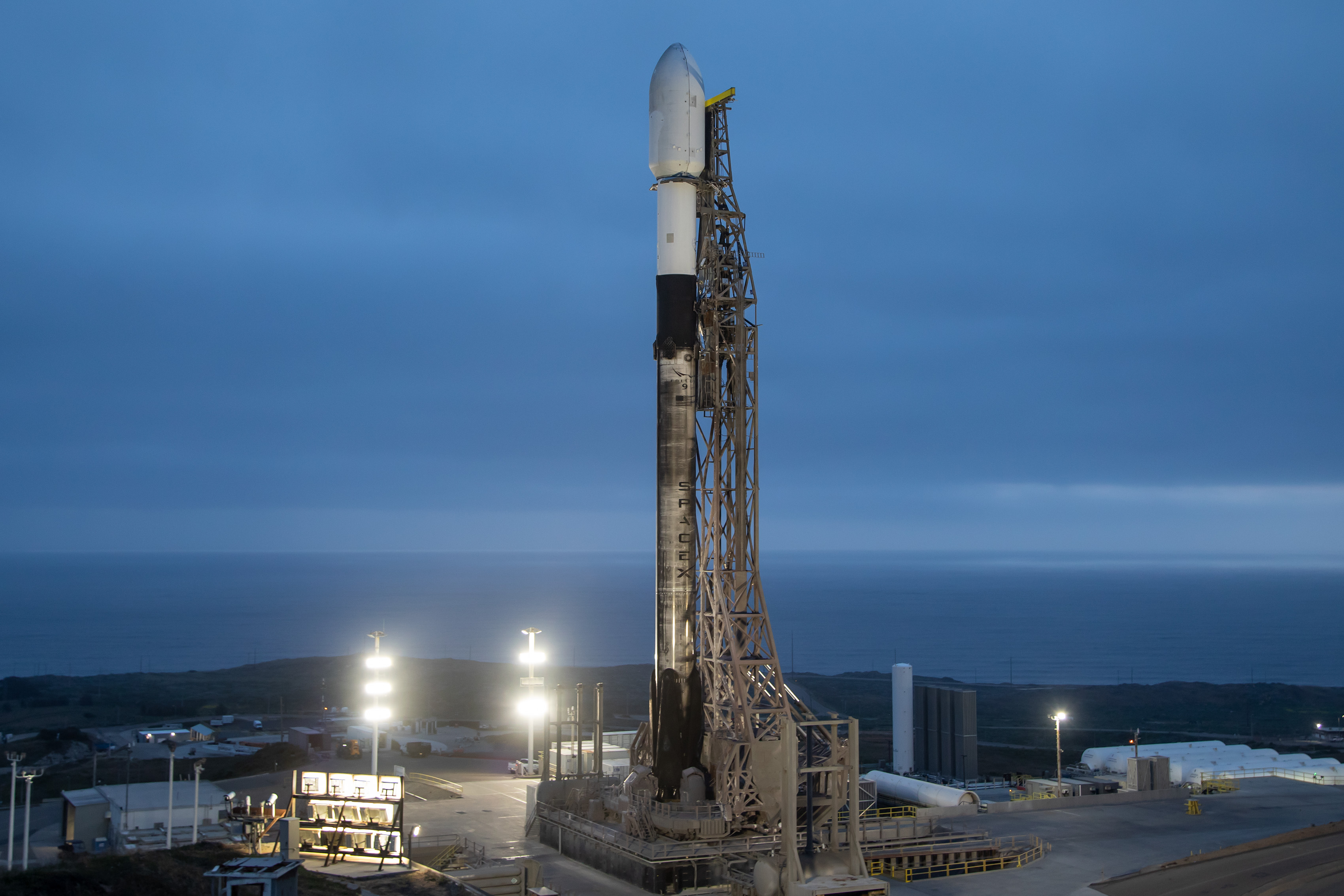
Firefly Aerospace launches return-to-flight Firefly Alpha on March 10 after Flight 6 anomaly. SpaceX also launches EchoStar 25 GEO satellite and multiple Starlink batches this week.