STARLINK-3608 (51776)

COSPAR: 2022-017J | Alt Name: Starlink 3608

Image
STARLINK-3608 Satellite Image
Additional Sources
Launch Details

Launch Date

February 25, 2022

Launch Site

AFWTR

Launch Pad

SLC4E

Launch Vehicle

Falcon 9

Orbital Elements

NORAD ID

51776

International Designator

2022-017J

Epoch

Mon, 20 Jul 2026 08:00:01 GMT

Apogee

Calculating...

Perigee

Calculating...

Inclination

53.16°

Right Ascension

102.37°

Eccentricity

Calculating...

Argument of Perigee

37.97°

Period

94.41 min

Mean Motion

15.25 rev/day

Latitude

Calculating...

Longitude

Calculating...

Altitude

Calculating...

Velocity

Calculating...

Polar Plot
3D Visualization
Basic Satellite Info

Name

STARLINK-3608

Alternative Name

Starlink 3608

Type

Payload

Status

Operational

Owner

SPXS

Country

United States

Constellation

N/A

Related Satellites

Major Events

N/A

Latest TLEs
1 51776U 22017J   26201.33335647  .00010971  00000+0  44230-3 0  9996
2 51776  53.1587 102.3717 0001055  37.9653  98.7298 15.25338860  5809

Source: Celestrak

Summary
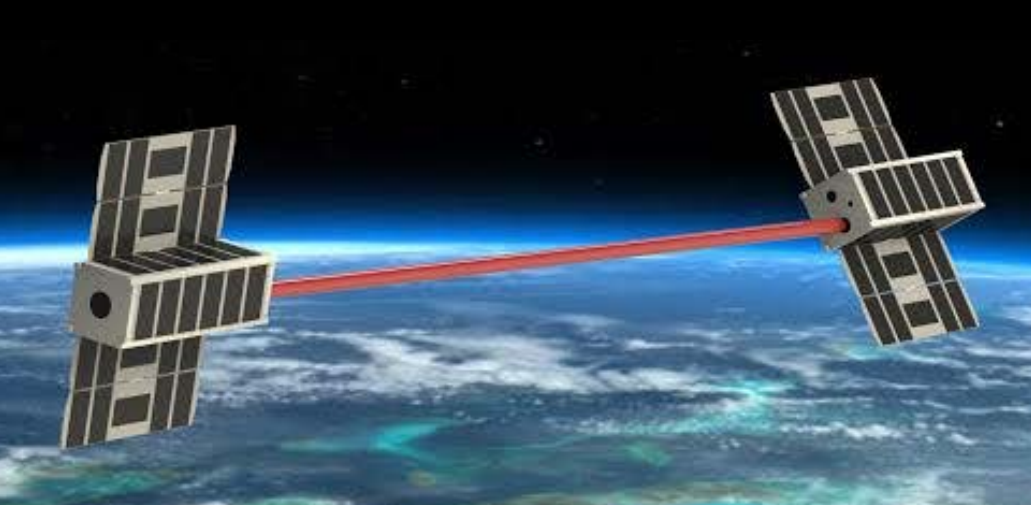
The satellite named STARLINK-3608 (OBJECT_ID: 2022-017J) is a Starlink communication satellite launched on February 25, 2022, from the AFWTR site at SLC4E using a Falcon 9 launch vehicle. It has dimensions of 0.2 meters in length and 2.8 meters in diameter with a span of 9 meters. The satellite weighs 275 kilograms dry and was launched with a mass of 297 kilograms. Equipped with Ku/Ka-band payload and optical inter-satellite link, it also features krypton ion thrusters for propulsion. Power is supplied by solar arrays and batteries. The manufacturer and owner are SpaceX (SPXS).

Starlink is a satellite constellation developed by SpaceX with the aim of providing global broadband internet coverage. Thousands of small satellites are deployed in low Earth orbit (LEO), enabling high-speed internet access even in remote areas. However, the rapid increase in satellites raises concerns about space debris and the potential for collisions, which can lead to further debris creation and endanger other spacecraft. Additionally, the sheer number of Starlink satellites can affect astronomical observations by increasing light pollution. Proper deorbiting plans and international coordination are essential to mitigate these challenges and ensure long-term sustainability in space.
Physical Characteristics

Length

0.2

Diameter

2.8

Span

9

Dry Mass

275

Launch Mass

297

Shape

Box + pan

Radar Cross Section

Unknown

Visual Magnitude

Unknown

Color

Unknown

Material Composition

Unknown

Technical Details

Payload

Starlink Group 4-11-09

Purpose

Communication

Mission

Communication

Manufacturer

SPXS

Life Expectancy

Unknown

Bus

Starlink

Configuration

Unknown

Motor

Krypton ion thrusters

Equipment

Ku/Ka-band payload, optical inter-satellite link

Power System

Solar arrays, batteries

ADCS

Unknown

Transmitter Frequency

Unknown

Map
This tool will help you track the satellite's position and predict its upcoming passes over your location. Simply input the coordinates or click the geolocation button to get started.
Next Pass
Azimuth Elevation Time (Local)
Start Azimuth
Max Elevation
Stop Azimuth
Time Until
Pass Duration

Satellite Articles

View All Posts »

Learn more about satellites and other related topics.

Blue Origin Targets New Glenn Return Before Year-End After Pad Explosion | KeepTrack Space Brief

Blue Origin Targets New Glenn Return Before Year-End After Pad Explosion | KeepTrack Space Brief

Blue Origin aiming for 2nd New Glenn launch by end of 2026 after LC-36 pad explosion at Cape Canaveral. Repair timeline still unclear; mission critical for national security payloads.

Space Brief 7 Feb 2025

Space Brief 7 Feb 2025

Today's highlights include significant legal disputes in military satellite contracts, strategic investments in the defense space sector, and updates on major military budget developments impacting space capabilities.

X Report 1 May 2025

X Report 1 May 2025

SpaceX launches diabetes research mission to ISS; EU considers SES for Starlink support; Amazon's Kuiper enters satellite race.

The Multi-Orbit Myth? Why One Startup Thinks the Satellite Industry Got It Wrong

The Multi-Orbit Myth? Why One Startup Thinks the Satellite Industry Got It Wrong

The satellite industry's biggest operators are betting on multi-orbit architectures that combine LEO, MEO, and GEO into unified networks. A San Francisco startup called Contrivian thinks they've overcomplicated the problem, and the physics might be on its side.

SpaceX Wins $2.29B Space Force LEO Comms Contract | KeepTrack Space Brief

SpaceX Wins $2.29B Space Force LEO Comms Contract | KeepTrack Space Brief

SpaceX awarded $2.29 billion to build Space Force's LEO communications backbone, integrating with SDA Transport layer satellites for military tactical data relay through space.

Boeing Starliner Faces New Setbacks, Stranding NASA Astronauts on ISS

Boeing Starliner Faces New Setbacks, Stranding NASA Astronauts on ISS

Boeing's Starliner spacecraft encounters thruster problems and helium leaks during its first crewed mission, potentially delaying the return of NASA astronauts from the International Space Station.

The Evolution of Space Stations

The Evolution of Space Stations

A brief journey through the evolution of space stations, delving into Russia's Mir, the International Space Station, China's Tiangong, and envisioning the future of orbital habitats.

Pentagon Orders 30,000 One-Way Drones; Sierra Space Raises $550M | KeepTrack Space Brief

Pentagon Orders 30,000 One-Way Drones; Sierra Space Raises $550M | KeepTrack Space Brief

Pentagon to order 30,000 attritable drones within days via Gauntlet competition. Meanwhile, Sierra Space closes $550M Series C funding round for national security spaceplane applications.