



Space Brief 3 Dec 2024
Today's Space Brief highlights the U.S. Air Force's $48 million investment in testing reentry capsules, a Pentagon-backed GPS alternative, and the Space Force's quest for funding autonomy.



Launch Date
February 21, 2022
Launch Site
Launch Pad
LC40
Launch Vehicle
NORAD ID
51736
International Designator
2022-016Y
Epoch
Sun, 19 Jul 2026 20:00:01 GMT
Apogee
Calculating...
Perigee
Calculating...
Inclination
53.16°
Right Ascension
82.60°
Eccentricity
Calculating...
Argument of Perigee
112.38°
Period
94.01 min
Mean Motion
15.32 rev/day
Latitude
Calculating...
Longitude
Calculating...
Altitude
Calculating...
Velocity
Calculating...
Name
STARLINK-3447
Alternative Name
Starlink 3447
Type
Status
Owner
SPXS
Country
United States
Constellation
N/A
Related Satellites
Major Events
N/A
1 51736U 22016Y 26200.83335647 -.00023764 00000+0 -75591-3 0 9995
2 51736 53.1581 82.5979 0001408 112.3787 216.4135 15.31721901 5781
Source: Celestrak
Length
0.2
Diameter
2.8
Span
9
Dry Mass
275
Launch Mass
297
Shape
Box + pan
Radar Cross Section
Unknown
Visual Magnitude
Unknown
Color
Unknown
Material Composition
Unknown
Payload
Starlink Group 4-8-23
Purpose
Communication
Mission
Communication
Manufacturer
SPXS
Life Expectancy
Unknown
Bus
Starlink
Configuration
Unknown
Motor
Krypton ion thrusters
Equipment
Ku/Ka-band payload, optical inter-satellite link
Power System
Solar arrays, batteries
ADCS
Unknown
Transmitter Frequency
Unknown
Learn more about satellites and other related topics.
Today's Space Brief highlights the U.S. Air Force's $48 million investment in testing reentry capsules, a Pentagon-backed GPS alternative, and the Space Force's quest for funding autonomy.
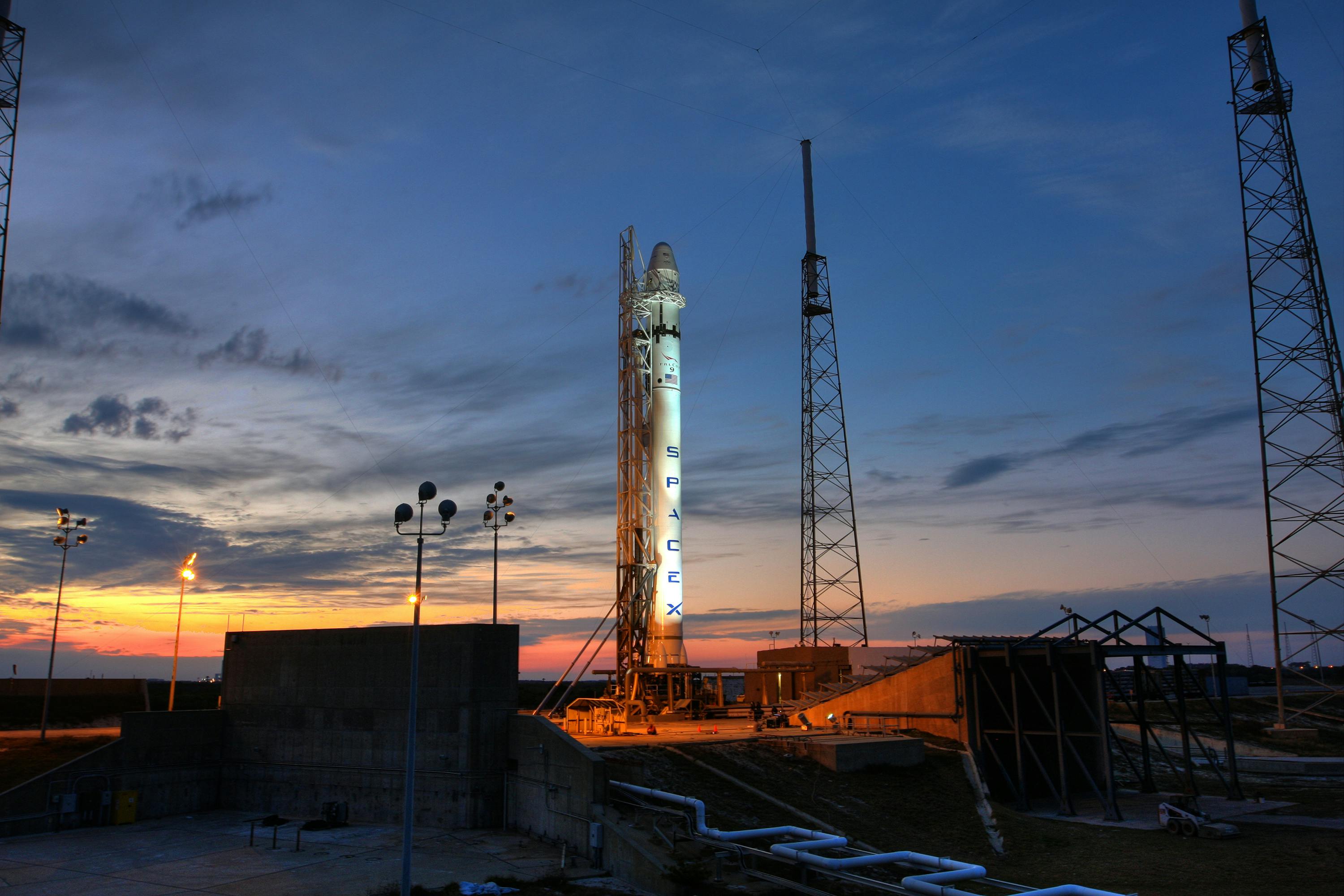
SpaceX successfully launched 28 Starlink satellites, marking a significant milestone with its 500th orbital mission. Both launches underscore the company's commitment to expanding its satellite internet constellation and solidifying its position in the space industry.

Explore the latest in satellite communications with Cubic's new terminals, strategic acquisitions by Firefly, China's IoT satellite achievements, and key military updates.
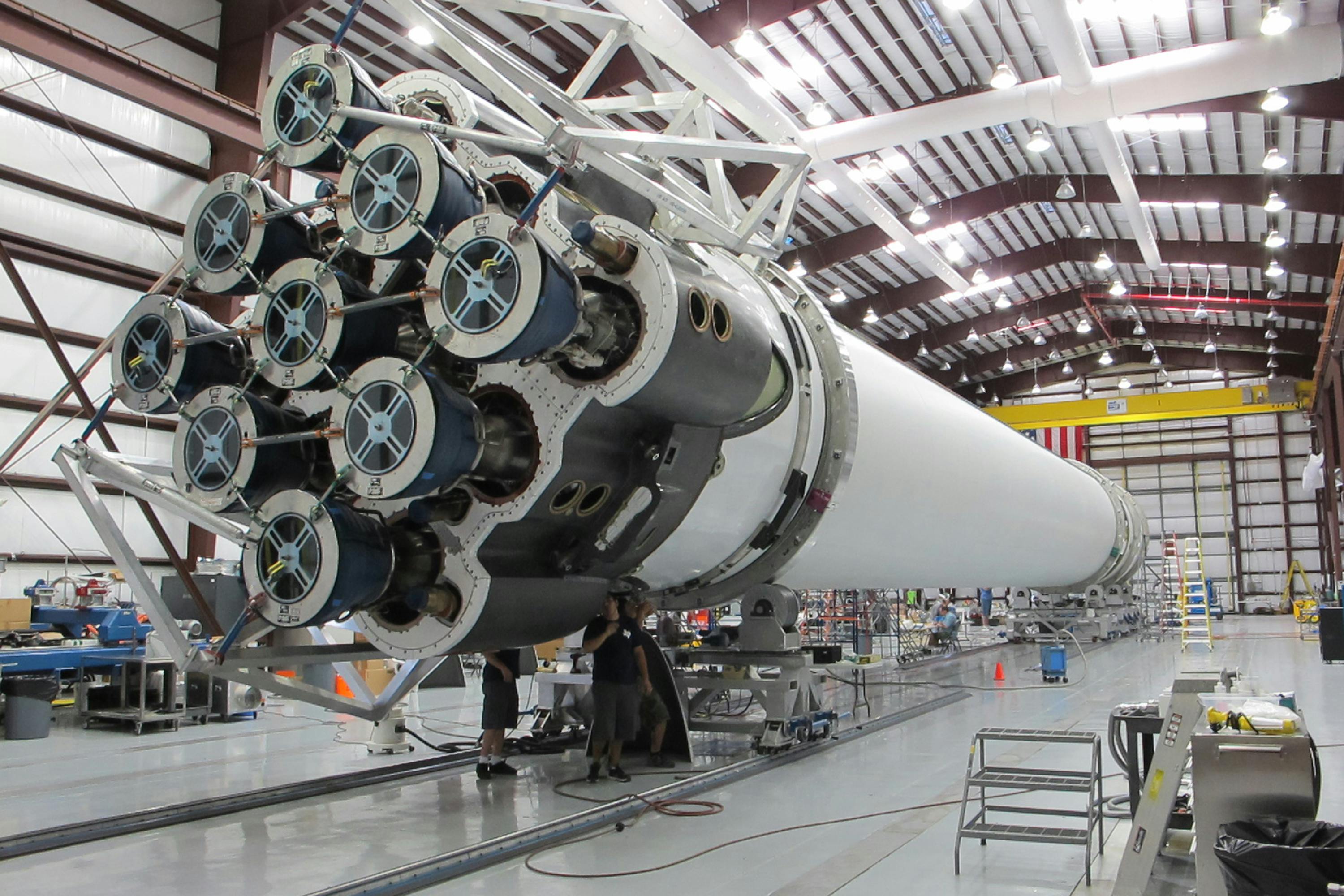
SpaceX Starlink updates for 2026 open with Starlink 6-88: 29 satellites from Cape Canaveral on Jan 4, after a record 165-launch 2025.

Today's Space Brief highlights SpaceX's 99th operational launch, China's calibration satellite launch, and Space Force's role in a commercial space age. Special spotlight on the satellite YAOGAN 1!
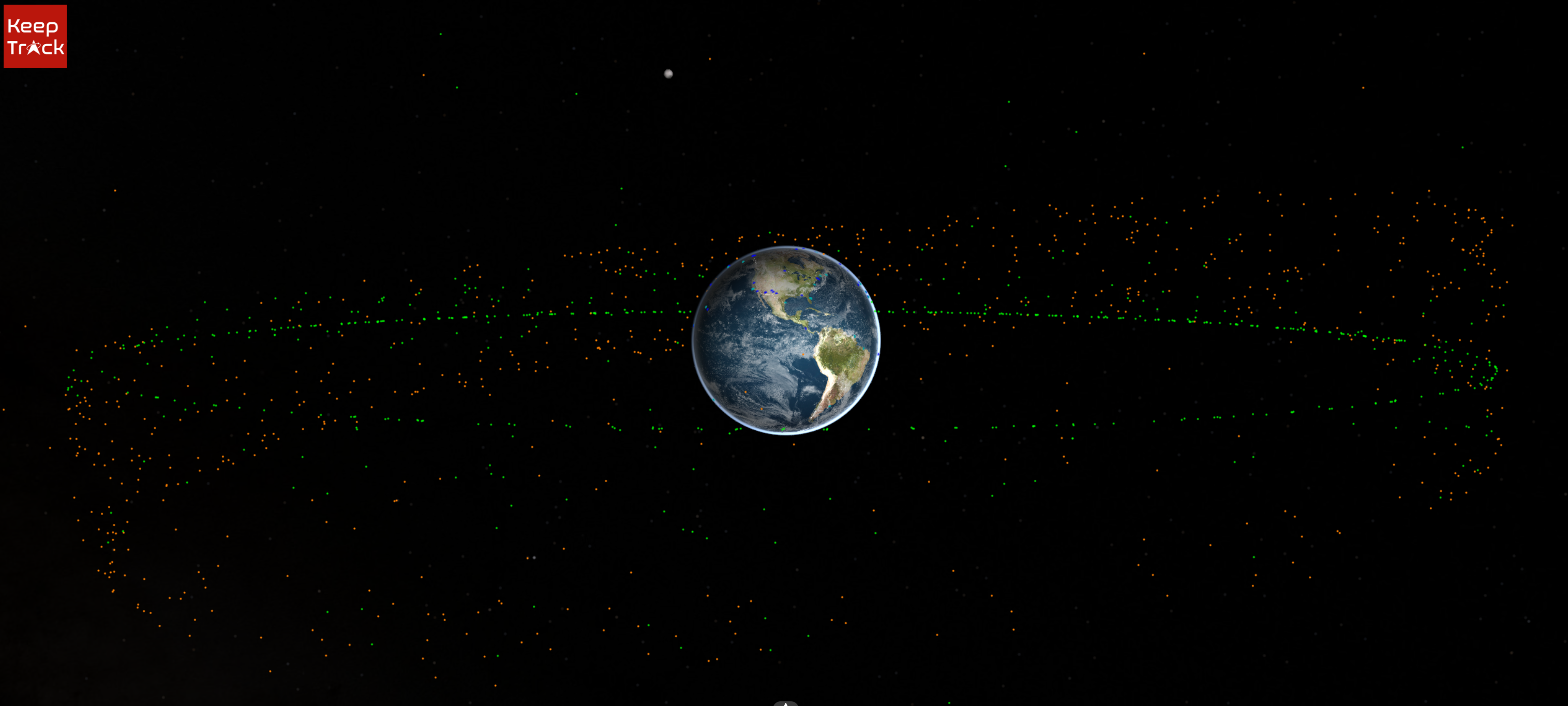
The final resting place for retired satellites, a disposal orbit where defunct spacecraft are sent to stay out of the way
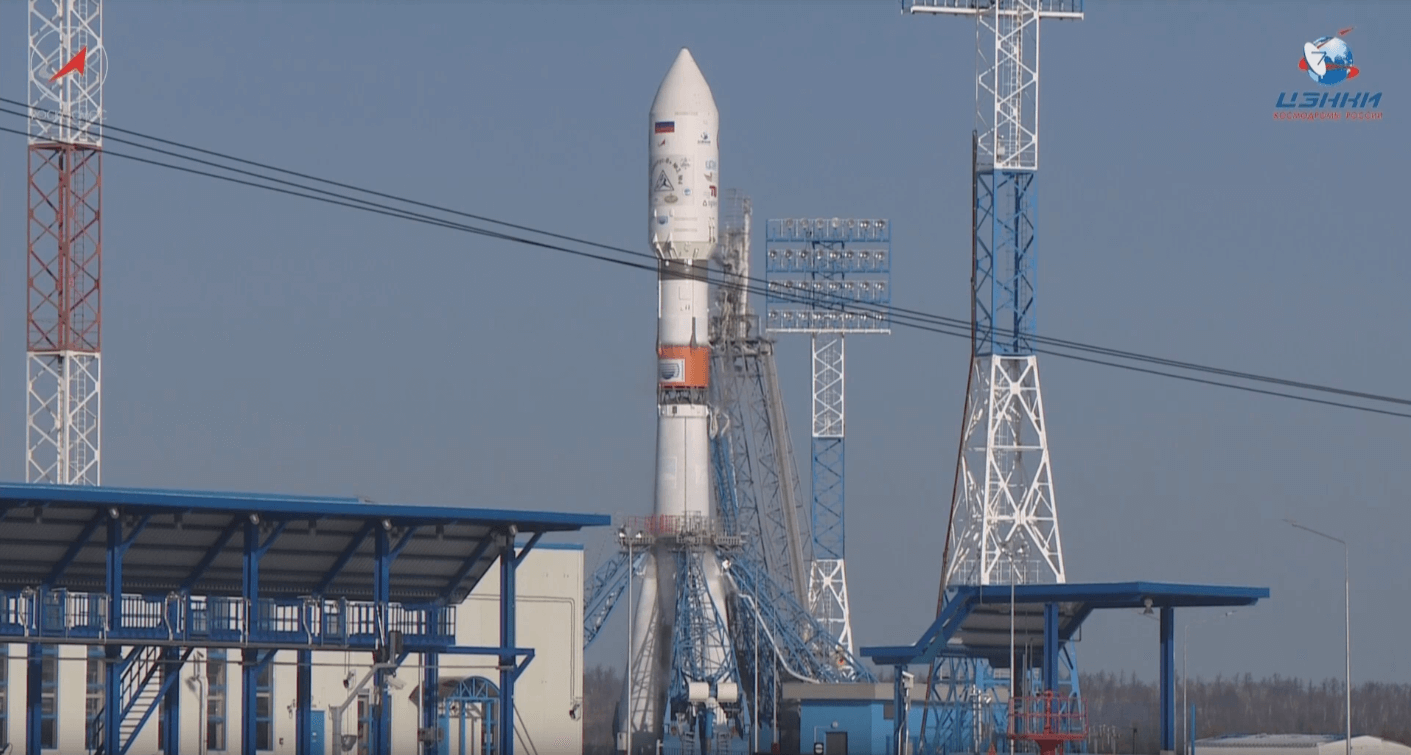
Today's highlights include Canada's and Australia's investment in hypersonic defense, China's successful test of an inflatable space module, and Sweden's support of Ukrainian missile and drone production.
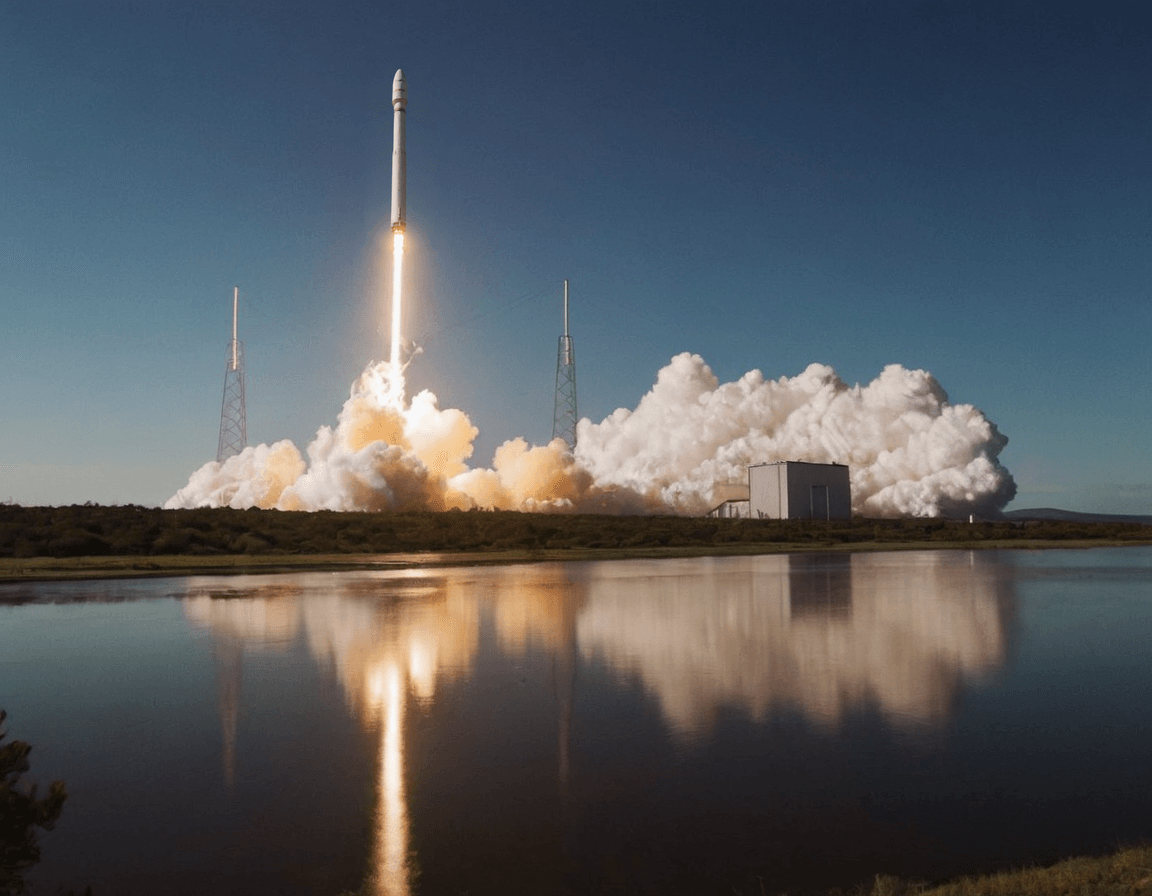
The FAA grounds SpaceX's Falcon 9 rocket after a launch mishap, potentially impacting NASA's crewed missions and disrupting SpaceX's ambitious launch schedule.