


X Report 28 Mar 2025
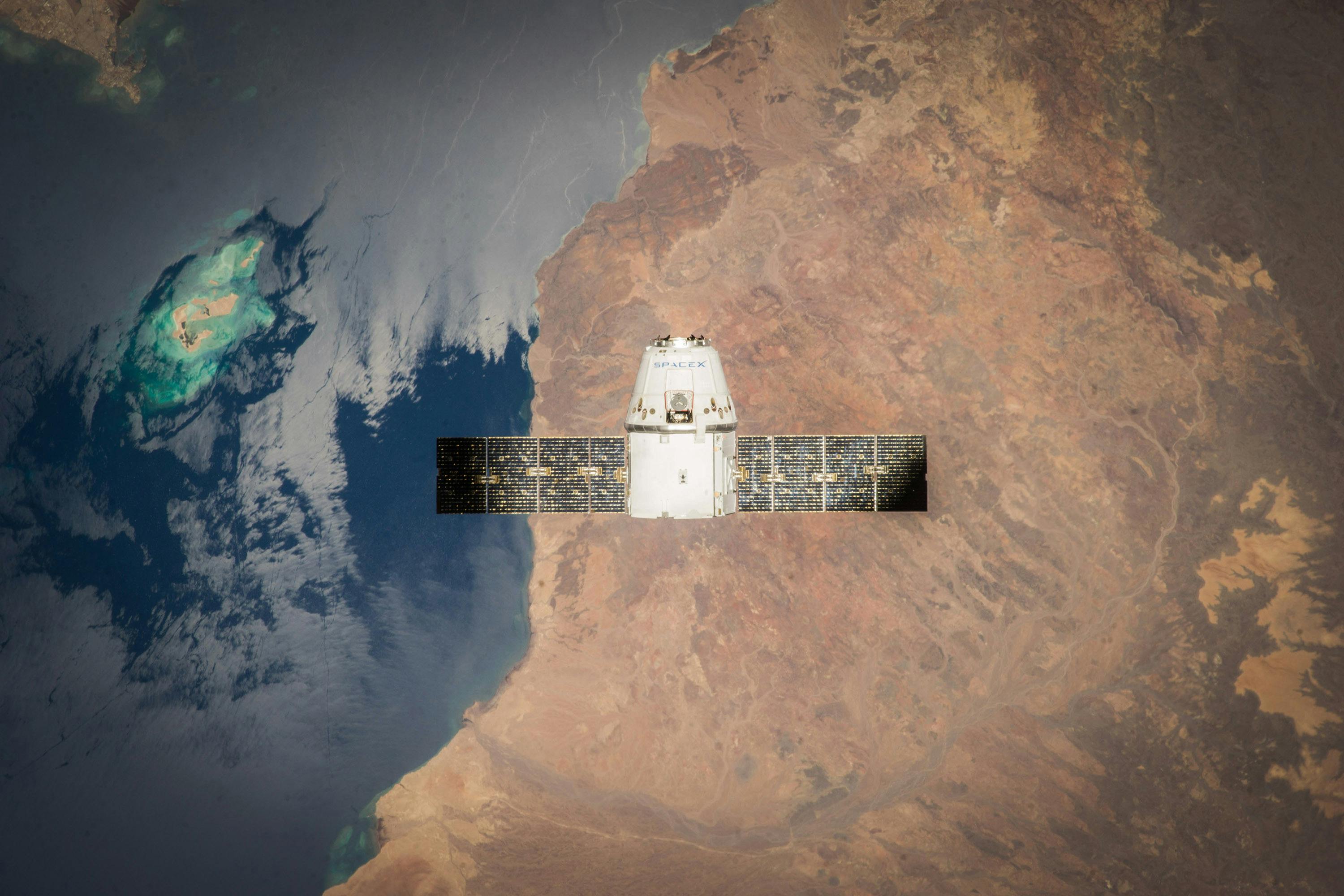
SpaceX sees another successful Starlink launch and faces strategic contract discussions as NASA pivots to reliable Dragon missions.



Launch Date
February 21, 2022
Launch Site
Launch Pad
LC40
Launch Vehicle
NORAD ID
51716
International Designator
2022-016C
Epoch
Sun, 19 Jul 2026 20:00:01 GMT
Apogee
Calculating...
Perigee
Calculating...
Inclination
53.16°
Right Ascension
95.38°
Eccentricity
Calculating...
Argument of Perigee
51.08°
Period
94.99 min
Mean Motion
15.16 rev/day
Latitude
Calculating...
Longitude
Calculating...
Altitude
Calculating...
Velocity
Calculating...
Name
STARLINK-3543
Alternative Name
Starlink 3543
Type
Status
Owner
SPXS
Country
United States
Constellation
N/A
Related Satellites
Major Events
N/A
1 51716U 22016C 26200.83335647 .00008647 00000+0 46170-3 0 9995
2 51716 53.1612 95.3791 0000684 51.0751 111.9670 15.15887188 5788
Source: Celestrak
Length
0.2
Diameter
2.8
Span
9
Dry Mass
275
Launch Mass
297
Shape
Box + pan
Radar Cross Section
Unknown
Visual Magnitude
Unknown
Color
Unknown
Material Composition
Unknown
Payload
Starlink Group 4-8-03
Purpose
Communication
Mission
Communication
Manufacturer
SPXS
Life Expectancy
Unknown
Bus
Starlink
Configuration
Unknown
Motor
Krypton ion thrusters
Equipment
Ku/Ka-band payload, optical inter-satellite link
Power System
Solar arrays, batteries
ADCS
Unknown
Transmitter Frequency
Unknown
Learn more about satellites and other related topics.
SpaceX sees another successful Starlink launch and faces strategic contract discussions as NASA pivots to reliable Dragon missions.
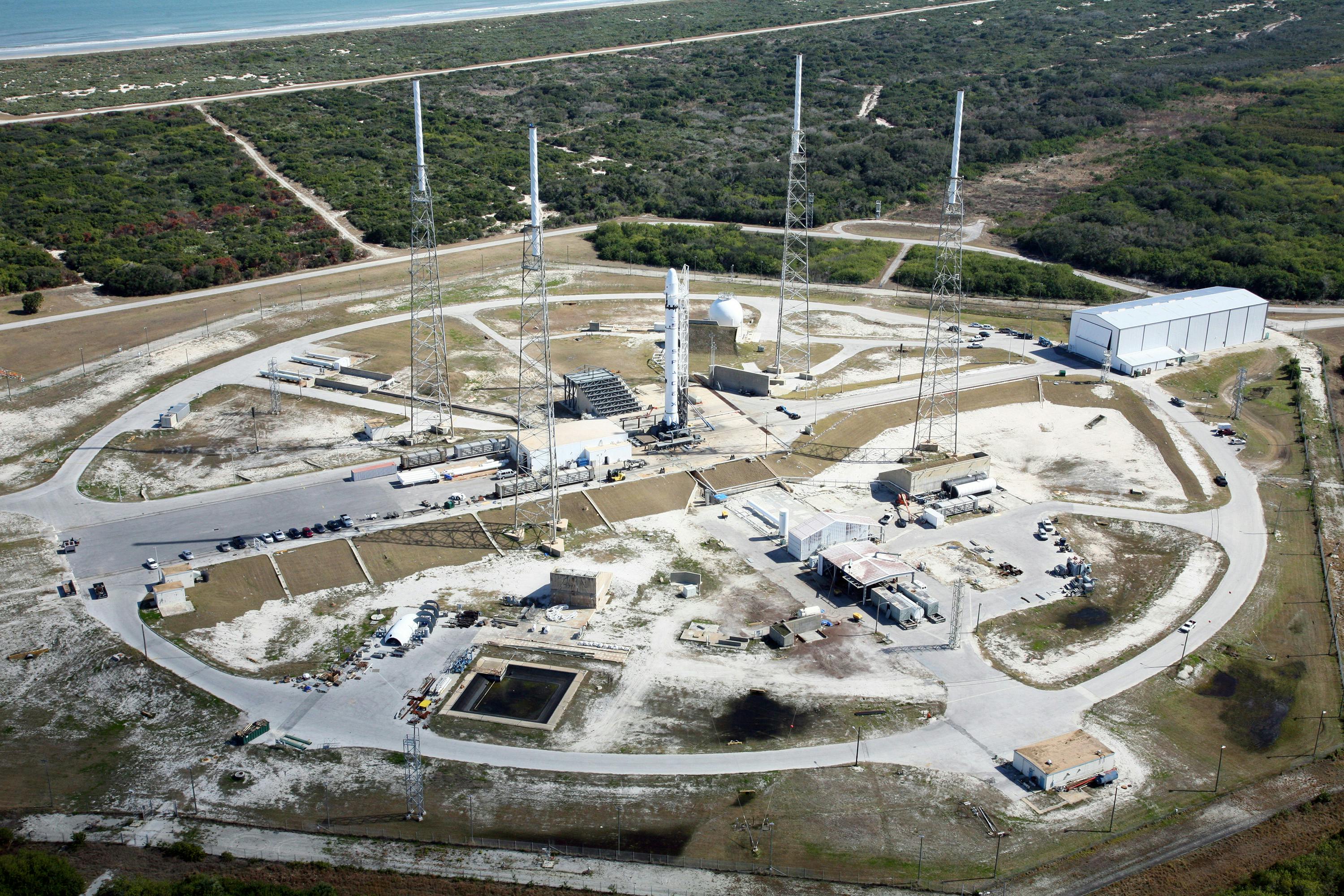
SpaceX's Transporter-17 rideshare carried 81 payloads including history's first nuclear-powered commercial satellite on July 7.

SpaceX faces setbacks with Starship Flight 7 as FAA launches an investigation, while future transportation policies might impact SpaceX operations. Meanwhile, the Starlink constellation continues strong.
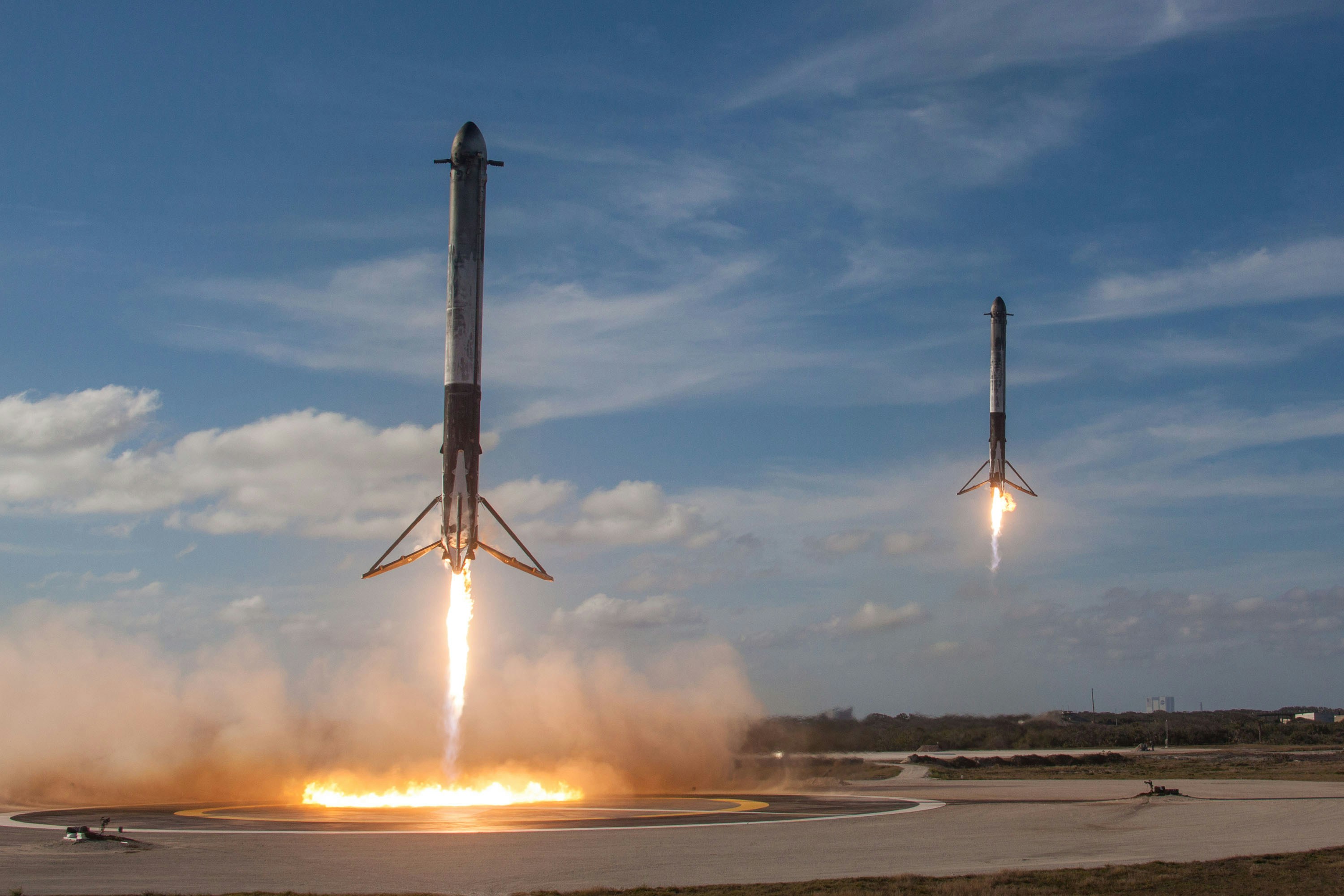
SpaceX marks a significant milestone with its 100th Starlink mission launch and makes impressive progress on lunar lander development for Artemis III.

Forty years ago today, Challenger lifted off LC-39A on a science mission that nobody outside Morton-Thiokol would call dangerous. Years later, after the orbiter and seven other astronauts were gone, investigators looked at the recovered boosters from STS-51B and realized the crew had come within a fraction of a second of dying first. This is the story of the launch that should have been a warning.
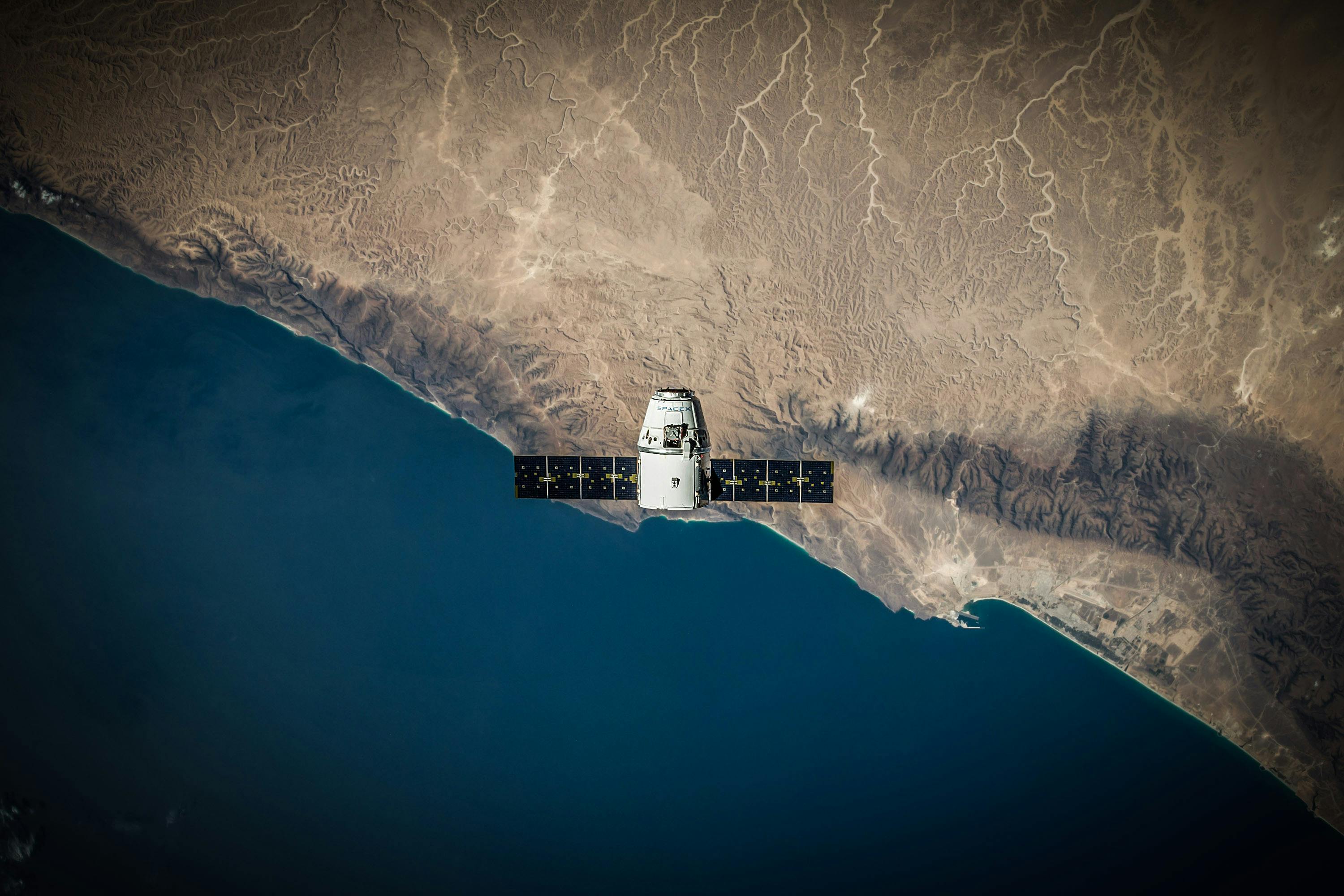
SpaceX ramps up Raptor 3 testing and the launch landscape heats up with Vulcan and Ariane set to lift off before Starlink missions.
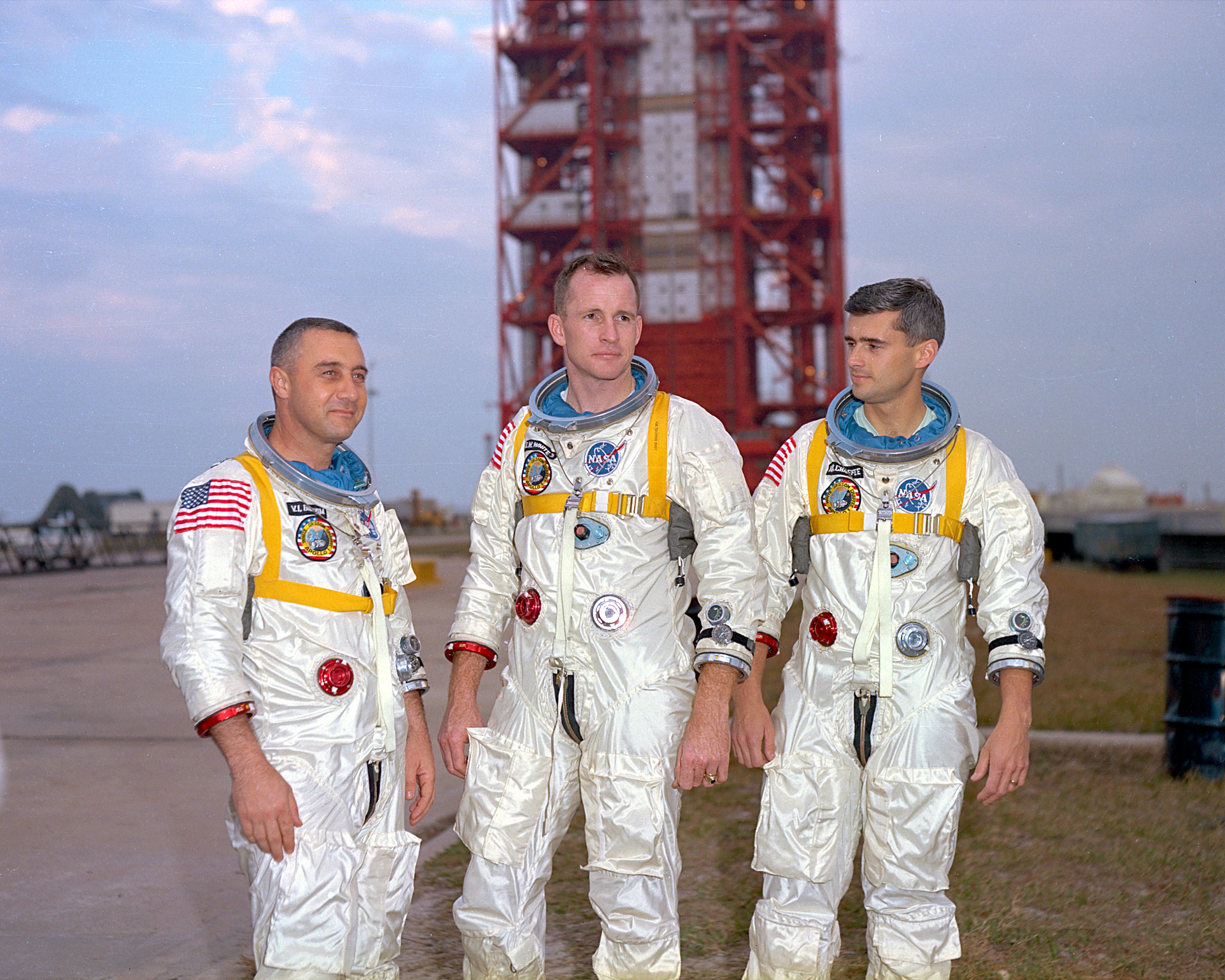
Fifty-eight years ago, a tragic fire during a routine test transformed spacecraft design and created the foundation of modern spaceflight safety culture
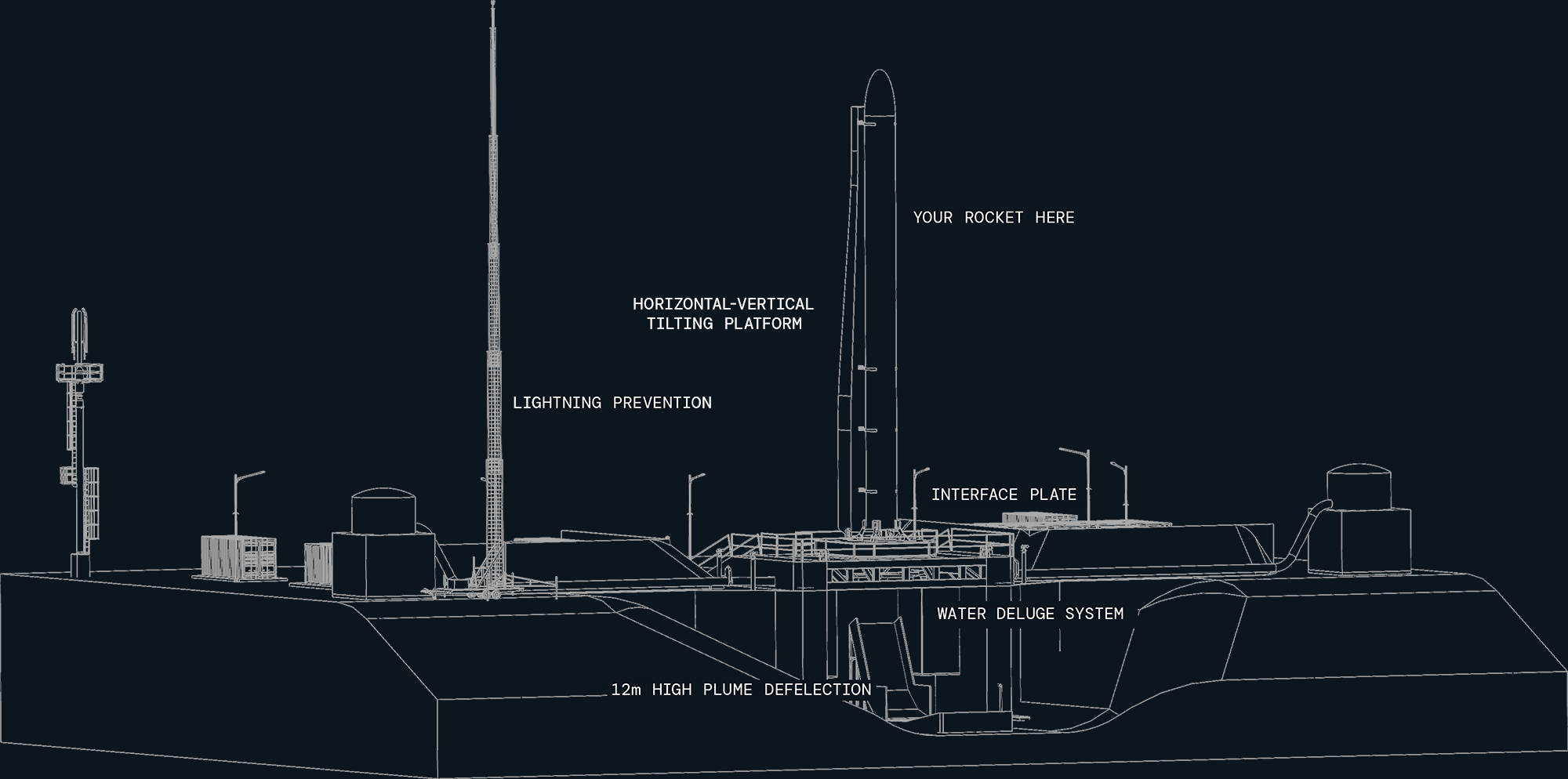
When your landlord won't sign the lease, you move. How Equatorial Launch Australia abandoned Arnhem Land and pivoted to Queensland - and what it means for Australia's equatorial launch ambitions.