

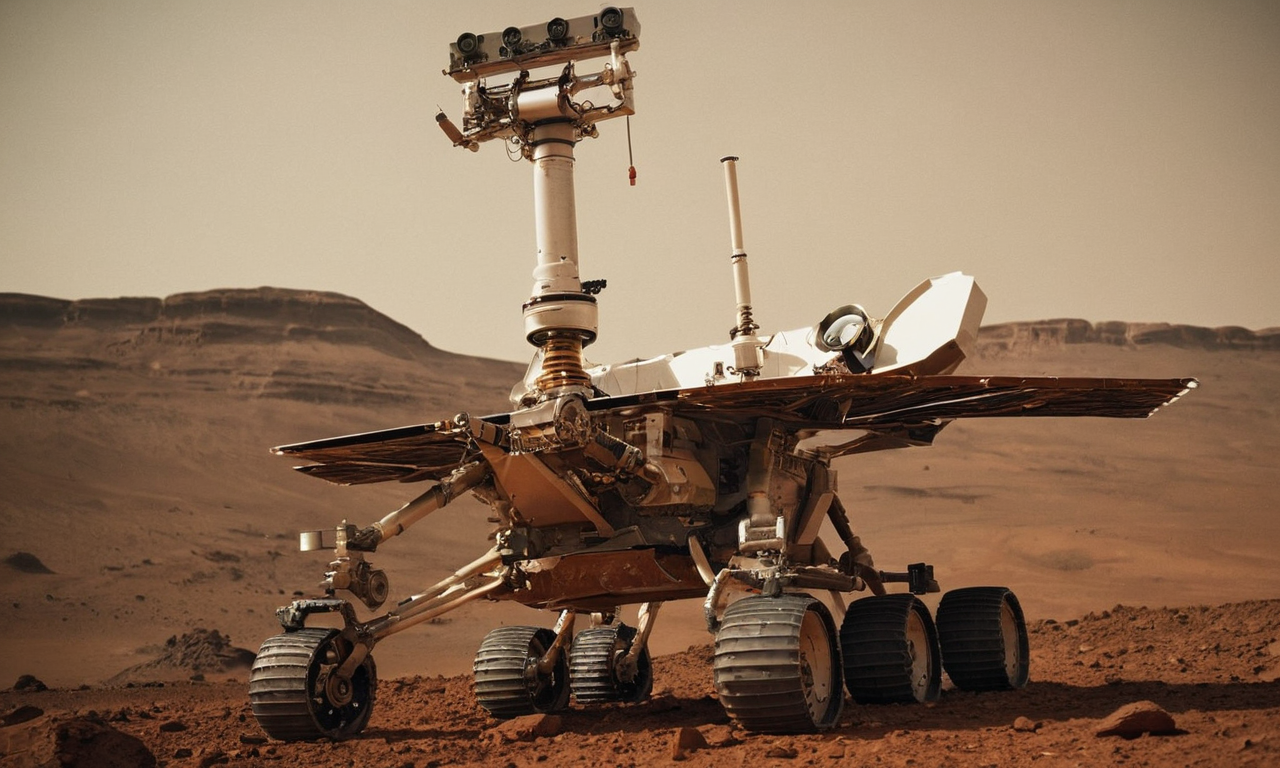
The Day Opportunity Changed Our View of Mars Forever
Twenty-one years ago, a golf cart-sized rover bounced to a stop inside a small crater on Mars, beginning one of the most remarkable chapters in space exploration history


Launch Date
April 19, 1971
Launch Site
Launch Pad
LC81/24
Launch Vehicle
Proton-K
NORAD ID
05160
International Designator
1971-032A
Decay Date
10/11/1971
Name
SALYUT 1
Alternative Name
Salyut
Type
Status
Owner
TSKBEM
Country
USSR
Constellation
N/A
Related Satellites
Major Events
N/A
Apologies, there is no summary for this satellite yet. I am working to generate these for every object in the catalog, but it is going to take time.
Length
13.1
Diameter
4.2
Span
13.1
Dry Mass
18210
Launch Mass
18210
Shape
Step Cyl + 2 Pan
Radar Cross Section
Unknown
Visual Magnitude
Unknown
Color
Unknown
Material Composition
Unknown
Payload
DOS-1
Purpose
Unknown
Mission
Unknown
Manufacturer
ZIKH
Life Expectancy
Unknown
Bus
Almaz
Configuration
Unknown
Motor
KTDU-66
Equipment
Unknown
Power System
Unknown
ADCS
Unknown
Transmitter Frequency
Unknown
Learn more about satellites and other related topics.
Twenty-one years ago, a golf cart-sized rover bounced to a stop inside a small crater on Mars, beginning one of the most remarkable chapters in space exploration history
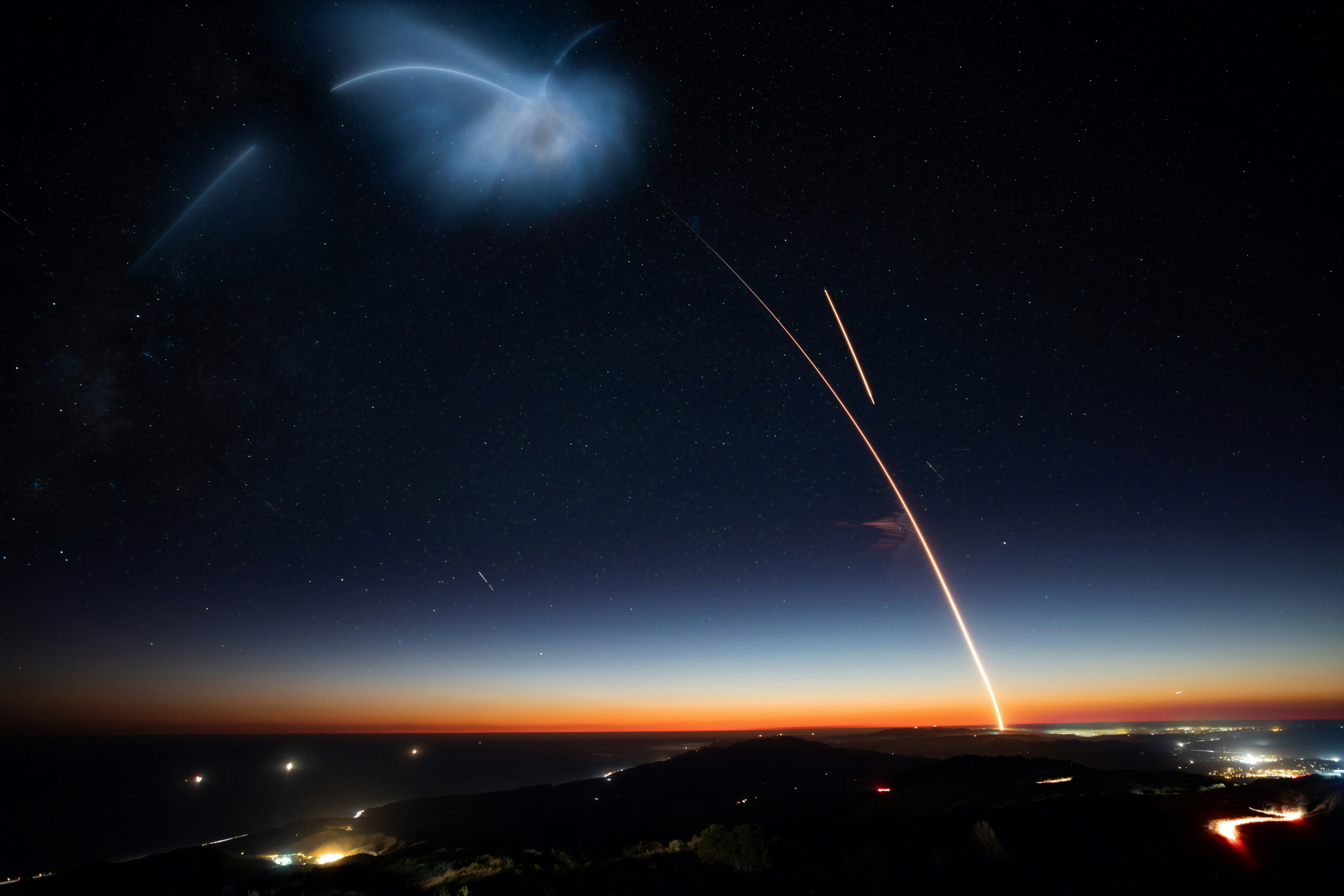
FAA greenlights Flight 8 of SpaceX's Starship while senators examine Air Force nominee's ties to the company.

SpaceX successfully launched the SXM-10 satellite for SiriusXM and prepares for the Ax-4 mission to the ISS amid political tensions involving Elon Musk and President Trump.
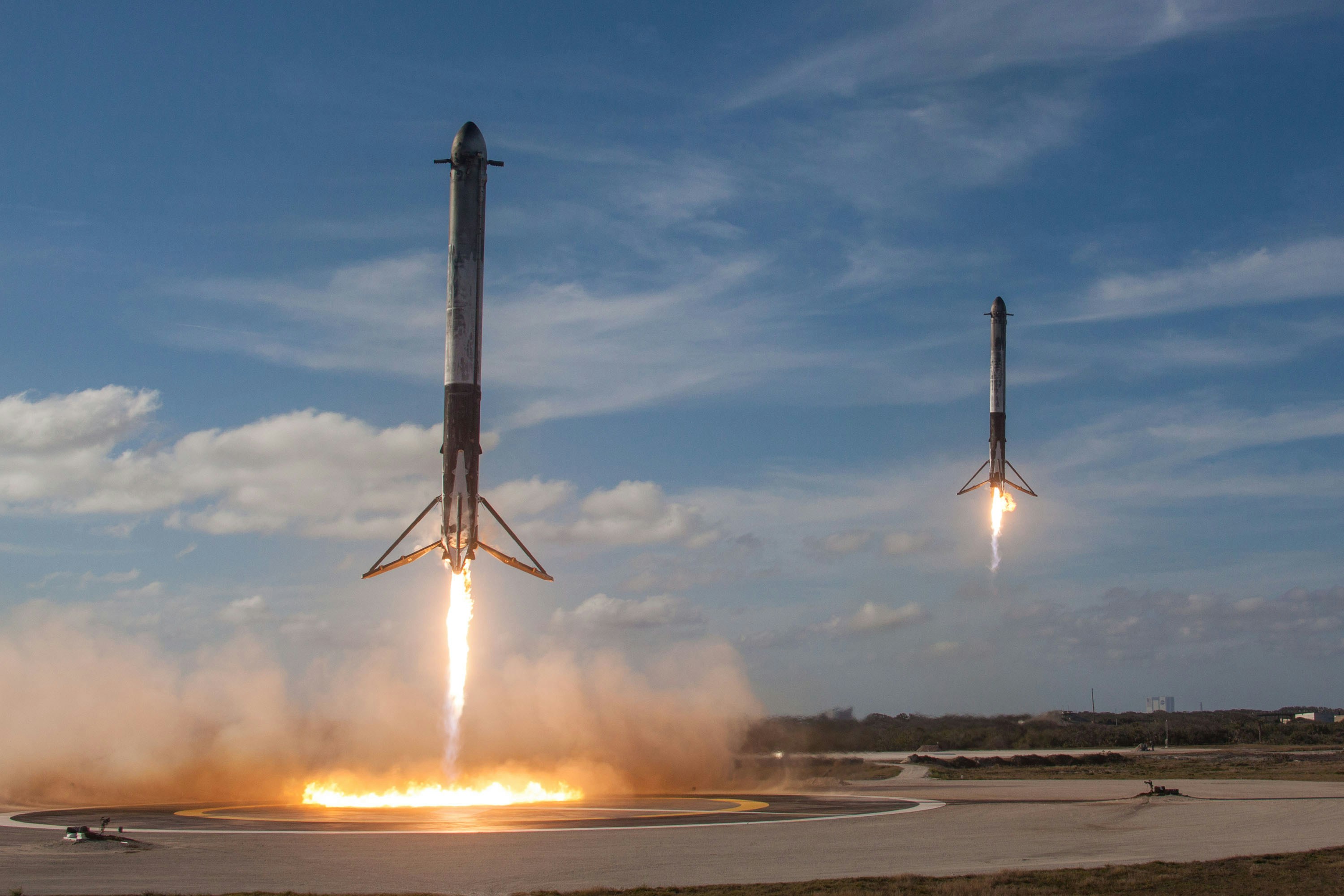
SpaceX is exploring alternative options for static fire tests amid infrastructure setbacks, emphasizing their adaptability in operations.

SpaceX successfully launched the Transporter-14 mission, adding multiple payloads, including Canadian satellites and a memorial capsule, while Starlink expands its services in Vietnam and enhances T-Mobile's reach.

SpaceX's Fram2 mission marks a historic first in polar orbit travel, while DARPA unexpectedly detects Falcon 9 reentry using atmospheric listening.

Landsat 7 launched on April 15, 1999, designed to last five years. It operated for twenty-five, survived a failure that destroyed a fifth of every image it took, and became part of the longest continuous record of Earth's surface ever assembled. Then they made the data free.

SpaceX successfully launched the Sentinel-6B satellite, marking a significant milestone as its 500th mission with a reused rocket, furthering global sea level monitoring efforts.