COSMOS 397 DEB (05157)

COSPAR: 1971-015AL | Alt Name: deb Kosmos-397
DECAYED

Image
COSMOS 397 DEB Satellite Image
Additional Sources
Launch Details

Launch Date

February 25, 1971

Launch Pad

LC90/20

Launch Vehicle

Tsiklon-2

Orbital Elements

NORAD ID

05157

International Designator

1971-015AL

Decay Date

7/31/2012

Basic Satellite Info

Name

COSMOS 397 DEB

Alternative Name

deb Kosmos-397

Type

Debris

Status

Space Junk

Owner

PKO

Country

USSR

Constellation

N/A

Related Satellites

Major Events

N/A

Summary
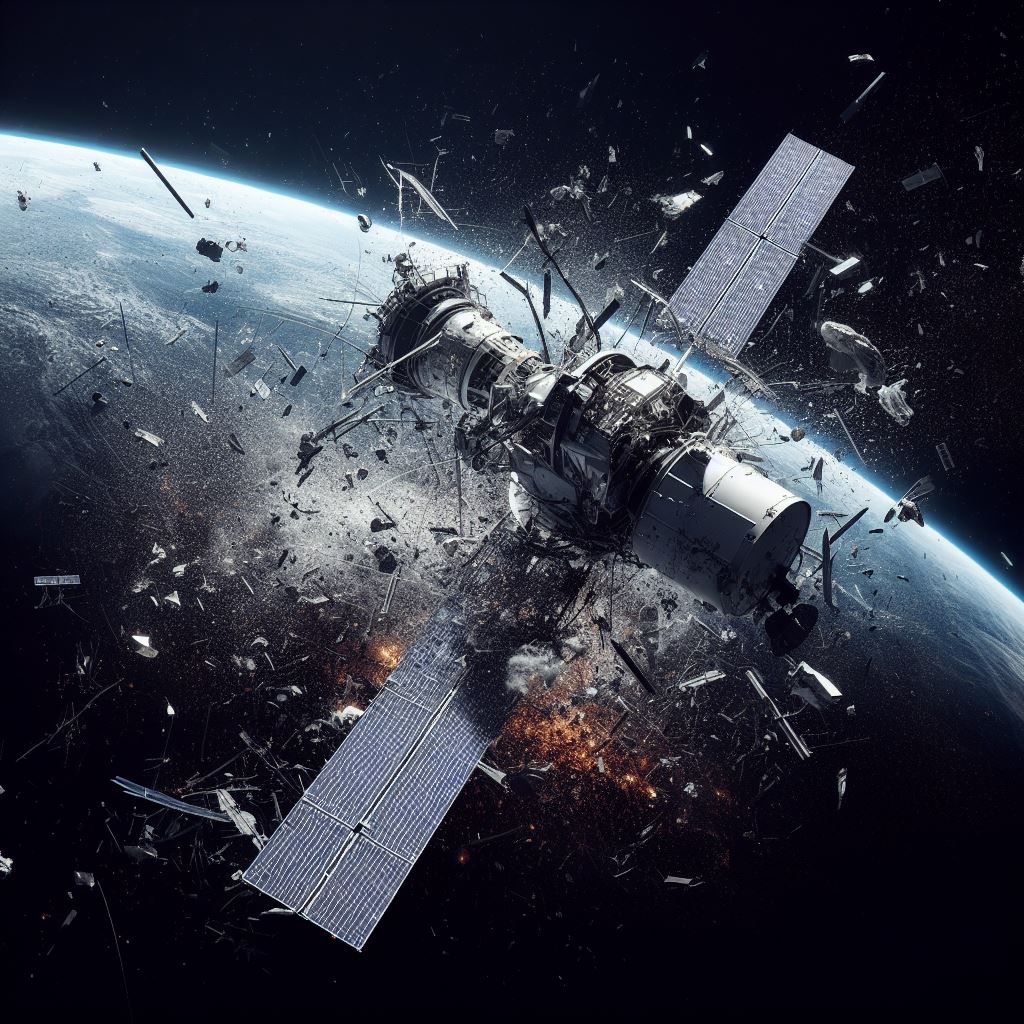
Space debris, also known as space junk, encompasses all non-functional objects orbiting Earth such as defunct satellites, spent rocket stages, and fragments from collisions or disintegrations. Over time, this debris can accumulate and create an increasingly hazardous environment in orbit. Even tiny fragments, traveling at extremely high velocities, can inflict significant damage on operational satellites and spacecraft. If left unmanaged, the density of debris raises the risk of catastrophic collisions and further fragmentation, compounding the problem and threatening the safety and sustainability of space activities.
Physical Characteristics

Length

0

Diameter

0

Span

0

Dry Mass

0

Launch Mass

0

Shape

N/A

Radar Cross Section

0.0641

Visual Magnitude

Unknown

Color

Unknown

Material Composition

Unknown

Technical Details

Payload

Unknown

Purpose

Unknown

Mission

Unknown

Manufacturer

Unknown

Life Expectancy

Unknown

Bus

Unknown

Configuration

Unknown

Motor

Unknown

Equipment

Unknown

Power System

Unknown

ADCS

Unknown

Transmitter Frequency

Unknown

Satellite Articles

View All Posts »

Learn more about satellites and other related topics.

SpaceX Wins $739M for Nine National Security Launches, FCC Adds 7,500 Starlink Sats | KeepTrack Space Brief

SpaceX Wins $739M for Nine National Security Launches, FCC Adds 7,500 Starlink Sats | KeepTrack Space Brief

SpaceX awarded $739M for nine national security missions. FCC approves 7,500 additional Starlink satellites. NASA announces early Crew-11 return from ISS due to medical issue.

The Day America Sent Two Secrets to the Sky

The Day America Sent Two Secrets to the Sky

Sixty-five years ago, America launched two very different space missions within hours of each other - one broadcast live to a fascinated nation, the other quietly reaching orbit from a fog-shrouded California launchpad while no one was watching

Starship V3 Targets April 2026 Debut, X Report 20 Mar 2026

Starship V3 Targets April 2026 Debut, X Report 20 Mar 2026

Starship V3 targets an April 2026 debut, the ride for next-gen Starlink V3 satellites. Fleet stands at 10,062 working of 11,587 launched.

NROL-72 Spy Satellites Launched; Starlink PNT Blocked | KeepTrack X Report

NROL-72 Spy Satellites Launched; Starlink PNT Blocked | KeepTrack X Report

SpaceX's 13th NRO proliferated-arch mission lifted off May 11 as Starlink shuts its GPS-rival feature ahead of a looming IPO.

Falcon 9 Grounding Threatens ISS Crew Rotation Schedule | KeepTrack X Report

Falcon 9 Grounding Threatens ISS Crew Rotation Schedule | KeepTrack X Report

Falcon 9 stand-down may impact next ISS crew rotation as NASA monitors the situation. Musk merges xAI into SpaceX to build space data centers. 9,633 Starlink sats on orbit.

Falcon 9 Completes GPS III Constellation for Space Force | KeepTrack X Report

Falcon 9 Completes GPS III Constellation for Space Force | KeepTrack X Report

SpaceX's Falcon 9 delivered GPS III SV-10 at 0653 UTC, capping Lockheed Martin's 10-satellite series as SpaceX eyes a $60B AI coding acquisition pre-IPO.

Space Brief 13 Mar 2025

Space Brief 13 Mar 2025

Today's space brief highlights intriguing military satellite developments, new space launch strategies to counteract observation threats, and potential European defense industry advancements.

The Telescope That Needed Glasses

The Telescope That Needed Glasses

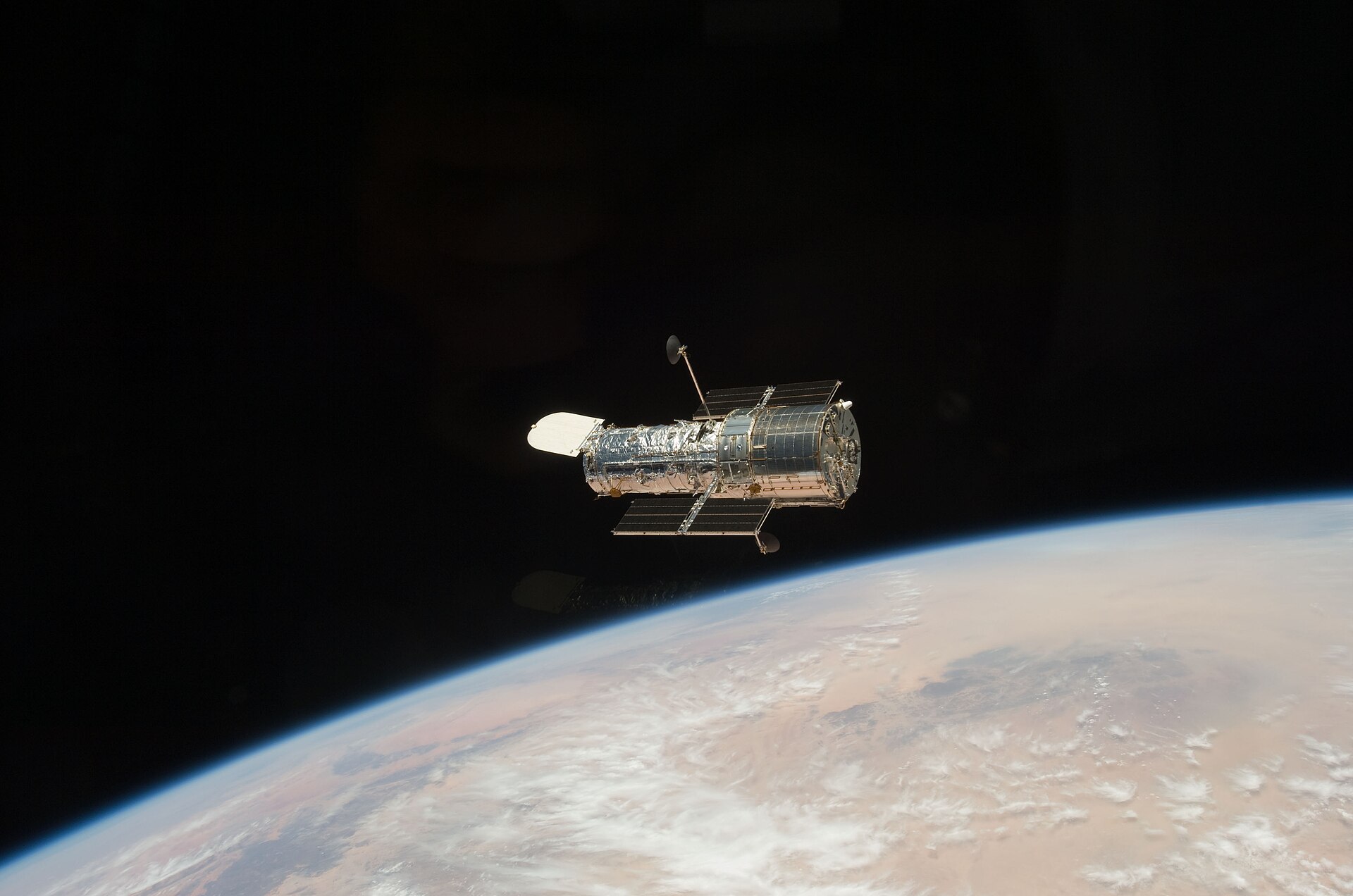
On April 25, 1990, the Space Shuttle Discovery's robotic arm lifted a 11,110-kilogram barrel of mirrors and instruments out of the payload bay and released it into orbit. Six weeks later, the first images came back badly out of focus. The Hubble Space Telescope had been ground to the wrong prescription, and America had just spent $2.5 billion on what the press was calling a 'technoturkey.'