


X Report 1 Feb 2025
Exciting SpaceX updates include the arrival of Athena moon lander, SPHEREx telescope's upcoming launch, and SpaceX's GigaBay development.



Launch Date
February 3, 2022
Launch Site
Launch Pad
LC39A
Launch Vehicle
NORAD ID
51468
International Designator
2022-010N
Epoch
Sun, 19 Jul 2026 21:26:00 GMT
Apogee
Calculating...
Perigee
Calculating...
Inclination
53.16°
Right Ascension
45.31°
Eccentricity
Calculating...
Argument of Perigee
98.79°
Period
95.44 min
Mean Motion
15.09 rev/day
Latitude
Calculating...
Longitude
Calculating...
Altitude
Calculating...
Velocity
Calculating...
Name
STARLINK-3174
Alternative Name
Starlink 3174
Type
Status
Owner
SPXS
Country
United States
Constellation
N/A
Related Satellites
Major Events
N/A
1 51468U 22010N 26200.89306411 .00000023 00000+0 19530-4 0 9997
2 51468 53.1611 45.3102 0001179 98.7891 261.3235 15.08833800246479
Source: Celestrak
Length
0.2
Diameter
2.8
Span
9
Dry Mass
275
Launch Mass
297
Shape
Box + pan
Radar Cross Section
Unknown
Visual Magnitude
Unknown
Color
Unknown
Material Composition
Unknown
Payload
Starlink Group 4-7-32
Purpose
Communication
Mission
Communication
Manufacturer
SPXS
Life Expectancy
Unknown
Bus
Starlink
Configuration
Unknown
Motor
Krypton ion thrusters
Equipment
Ku/Ka-band payload, optical inter-satellite link
Power System
Solar arrays, batteries
ADCS
Unknown
Transmitter Frequency
Unknown
Learn more about satellites and other related topics.
Exciting SpaceX updates include the arrival of Athena moon lander, SPHEREx telescope's upcoming launch, and SpaceX's GigaBay development.

Pentagon puts LEO constellation layers on hold during acquisition review. SpaceX and xAI join $100M autonomous drone contest. China's Zenk Space completes first stage static fire.
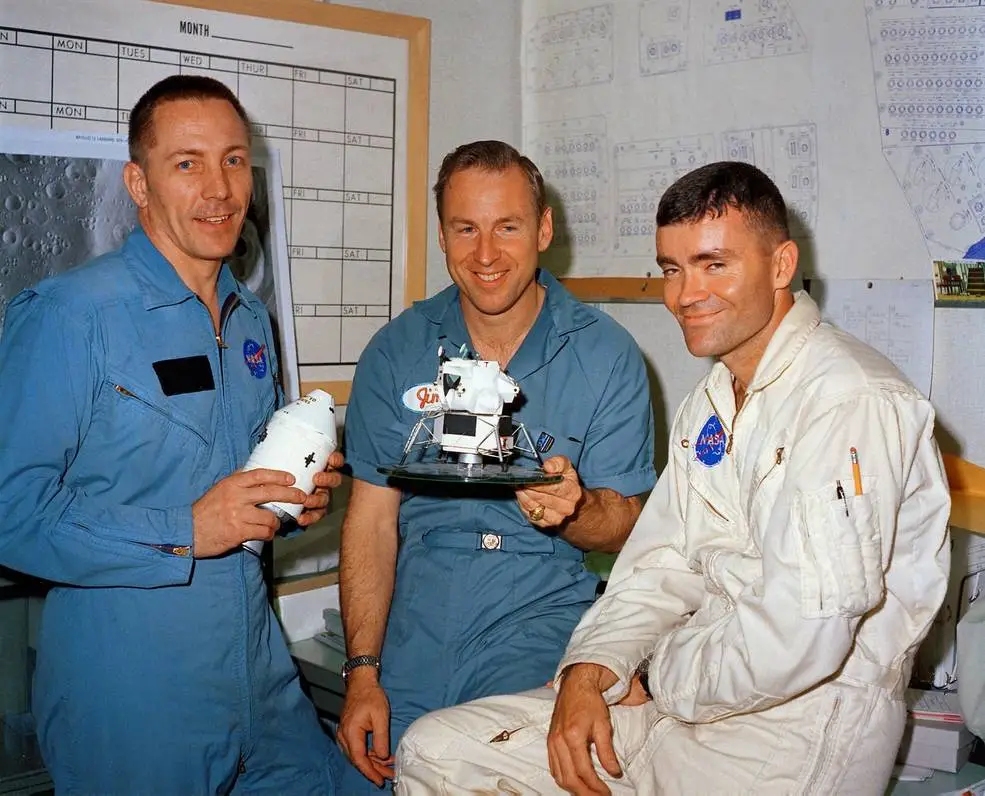
An overlooked thermostat, eight hours of overheating on a Florida launch pad, and 200,000 miles of coasting through deep space. Then Oxygen Tank No. 2 tore itself apart, and three men had to figure out how to come home alive in a spacecraft designed to land on the Moon.

Today's highlights include the successes and setbacks in recent rocket launches, a notable satellite anomaly, and a significant expansion announcement from ESA.
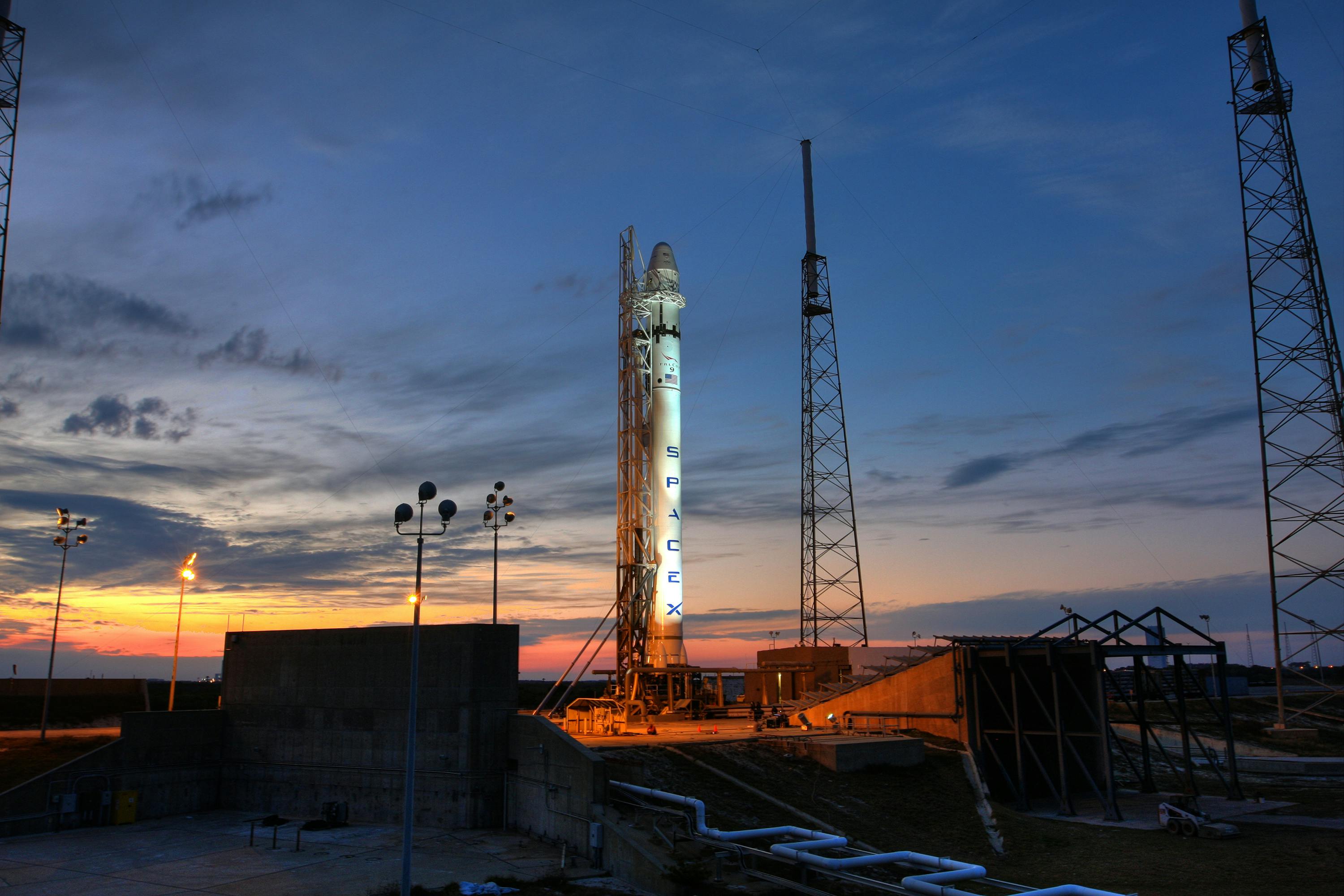
SpaceX launches 29 Starlink satellites in first deployment since recent satellite issues. Falcon 9 also delivers Italy's COSMO-SkyMed CSG-FM3 from Vandenberg. Starship plans solidified for 2026.
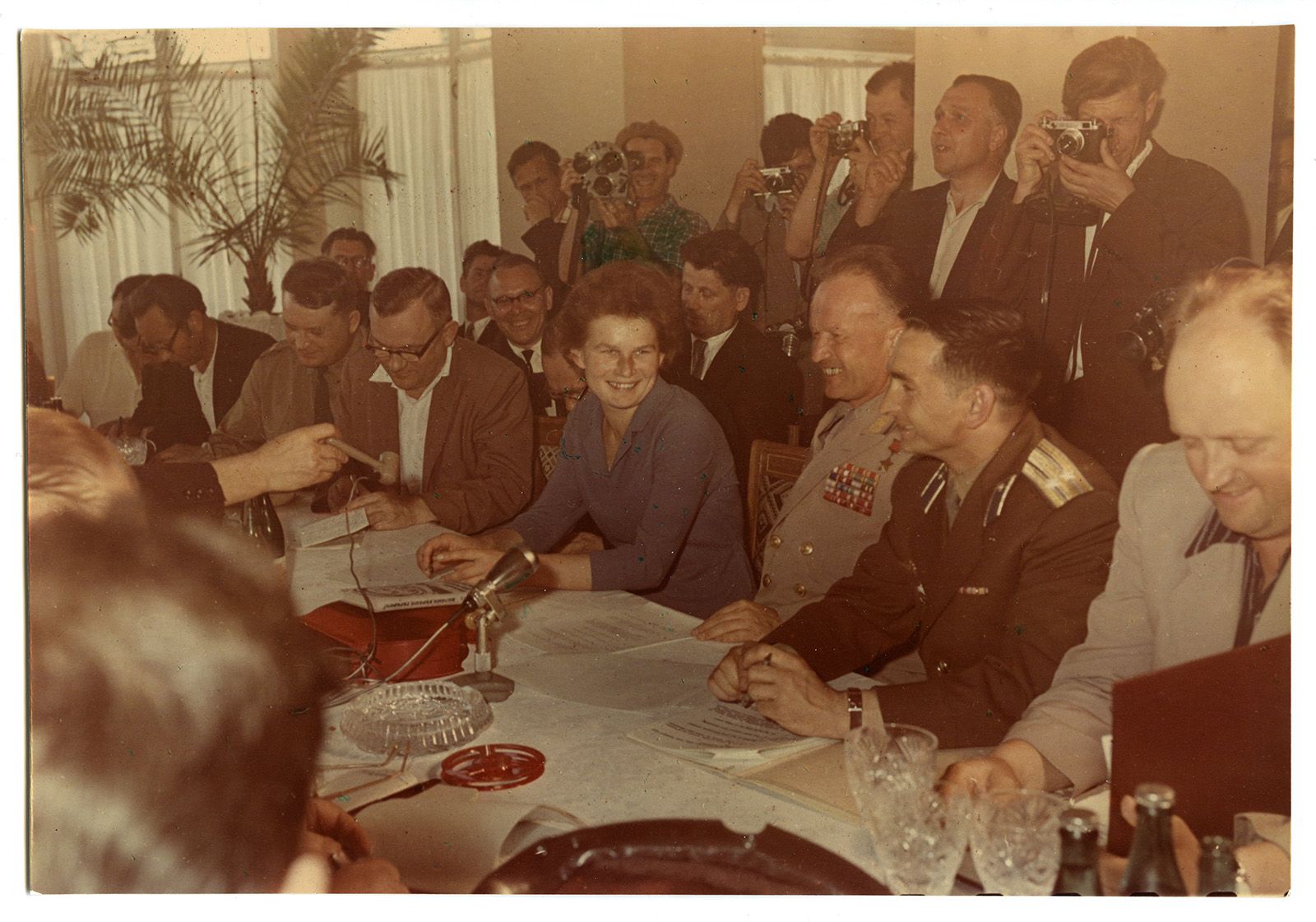
On 16 June 1963, a 26-year-old former textile worker named Valentina Tereshkova launched aboard Vostok 6 and spent nearly three days alone in orbit. She flew 48 times around the Earth, longer than every American astronaut combined, and spotted a dangerous flaw in her descent program that ground controllers had missed.

Booster B1067 set a Falcon 9 reuse record on its 35th flight, lofting 29 Starlink satellites as SpaceX eyes three more launches this week.
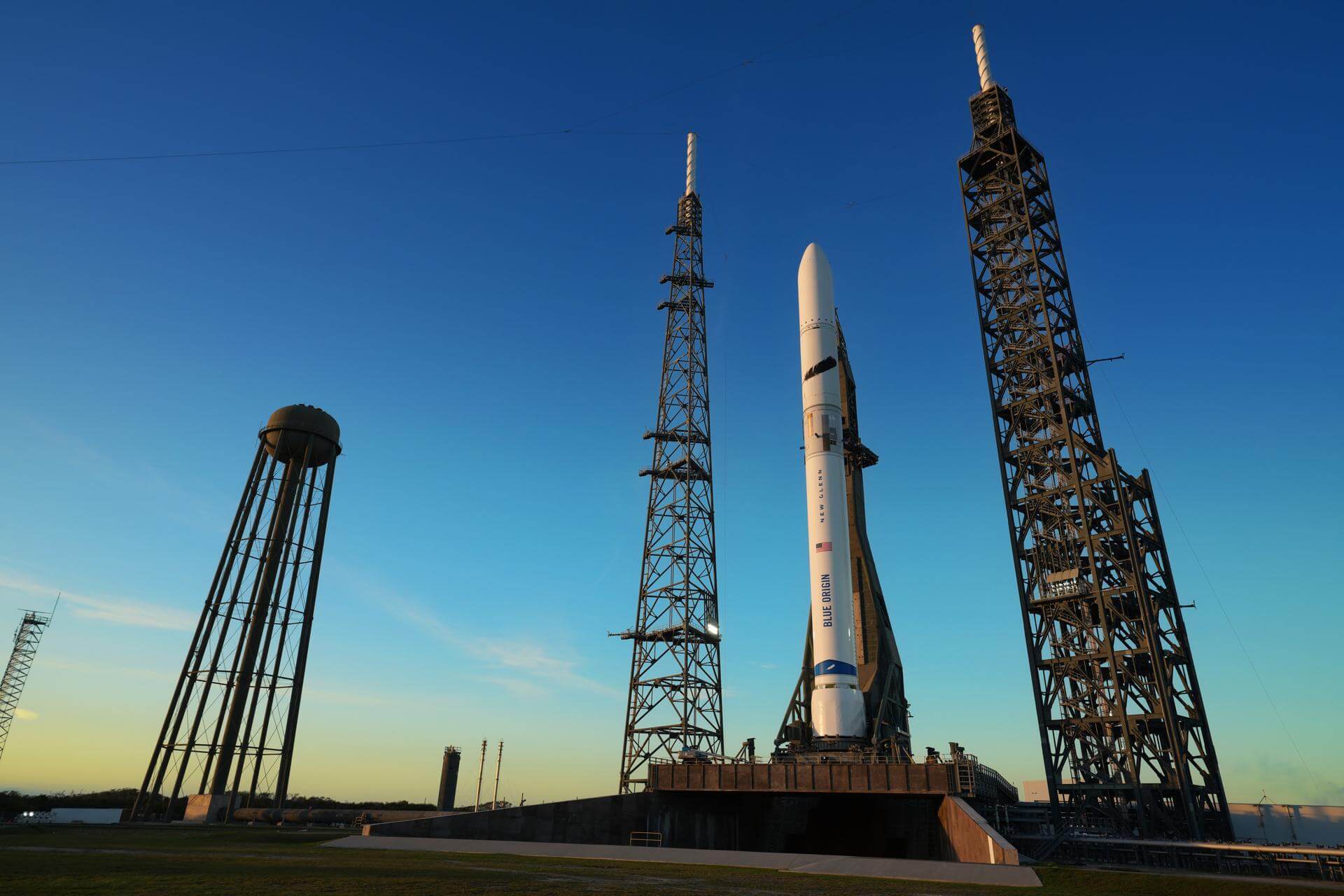
Highlighting India's significant military satellite launch, real-time satellite tracking developments in Europe, SpaceX's new rideshare mission, and more space industry news.