

Space Brief 8 Feb 2025
Stay updated on key orbital events including Rocket Lab's upcoming launch, significant legislative moves in space traffic management, and changes in defense policies impacting space operations.



Launch Date
December 21, 2021
Launch Site
Launch Pad
LC39A
Launch Vehicle
NORAD ID
51283
International Designator
2021-127B
Decay Date
2/1/2022
Name
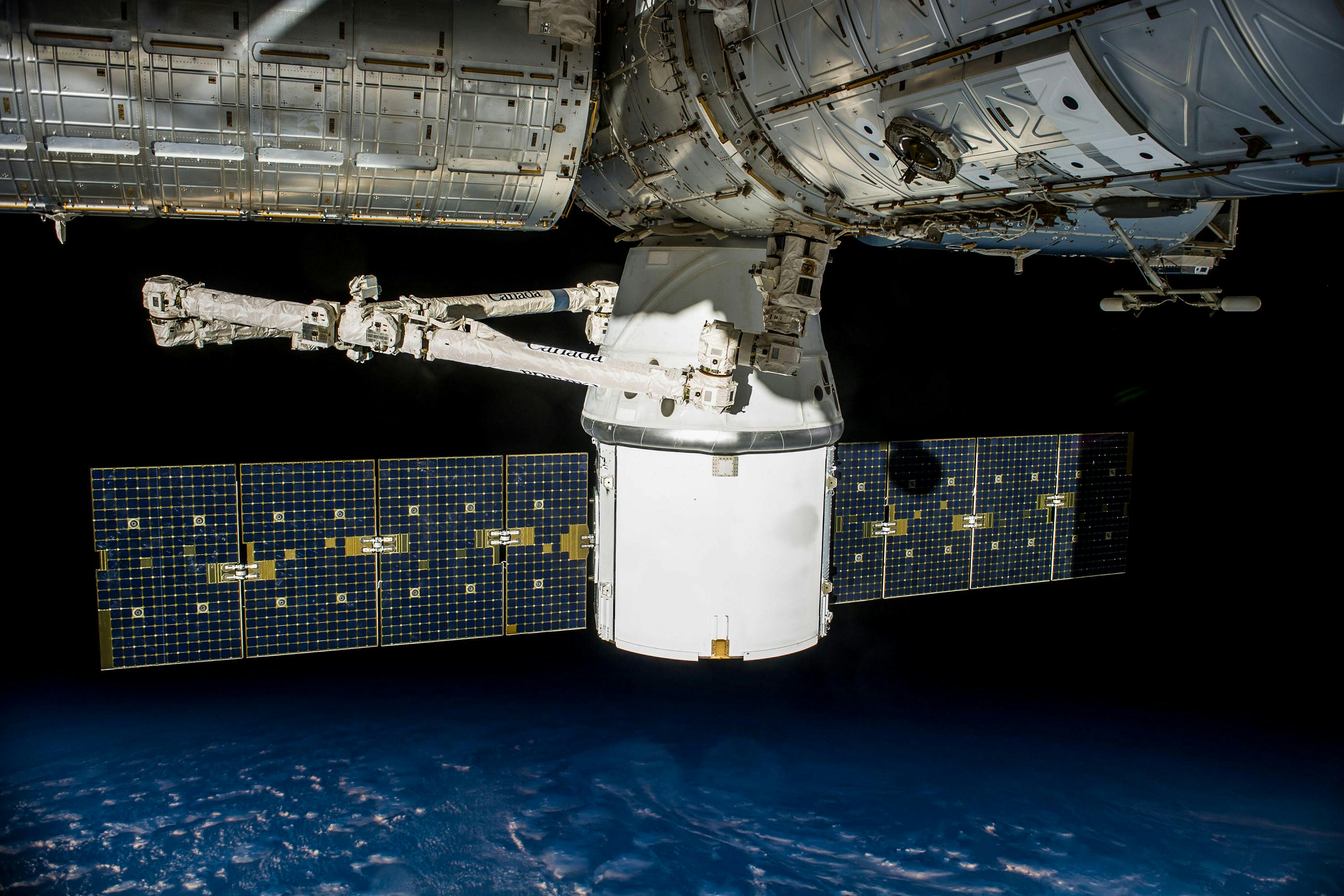
DRAGON CRS-24 DEB
Alternative Name
Dragon Trunk
Type
Status
Owner
SPX
Country
United States
Constellation
N/A
Related Satellites
Major Events
N/A
Length
3.7
Diameter
3.7
Span
3.7
Dry Mass
2300
Launch Mass
2300
Shape
Cyl
Radar Cross Section
Unknown
Visual Magnitude
Unknown
Color
Unknown
Material Composition
Unknown
Payload
Dragon D2-10 Trunk
Purpose
Unknown
Mission
Unknown
Manufacturer
SPX
Life Expectancy
Unknown
Bus
Dragon SM
Configuration
Unknown
Motor
Unknown
Equipment
Unknown
Power System
Unknown
ADCS
Unknown
Transmitter Frequency
Unknown
Learn more about satellites and other related topics.
Stay updated on key orbital events including Rocket Lab's upcoming launch, significant legislative moves in space traffic management, and changes in defense policies impacting space operations.

Today's brief highlights a significant geospatial data collaboration between Maxar and Saab, defense budget discussions affecting satellite deployments, and the naming of new military command chiefs.

SpaceX scrubbed Starship Flight 12's V3 debut due to a hydraulic pin fault, then filed an $18.7B IPO S-1 targeting Nasdaq under ticker SPCX.

SpaceX celebrates 300 successful booster landings, further solidifying its dominance in reusable rocket technology.
Today's Space Brief covers the Space Force's AI integration, NASA's lunar nuclear reactor plans, ESA's Flight Ticket Initiative, Martian mantle revelations, and SpaceX's latest Starlink launch.
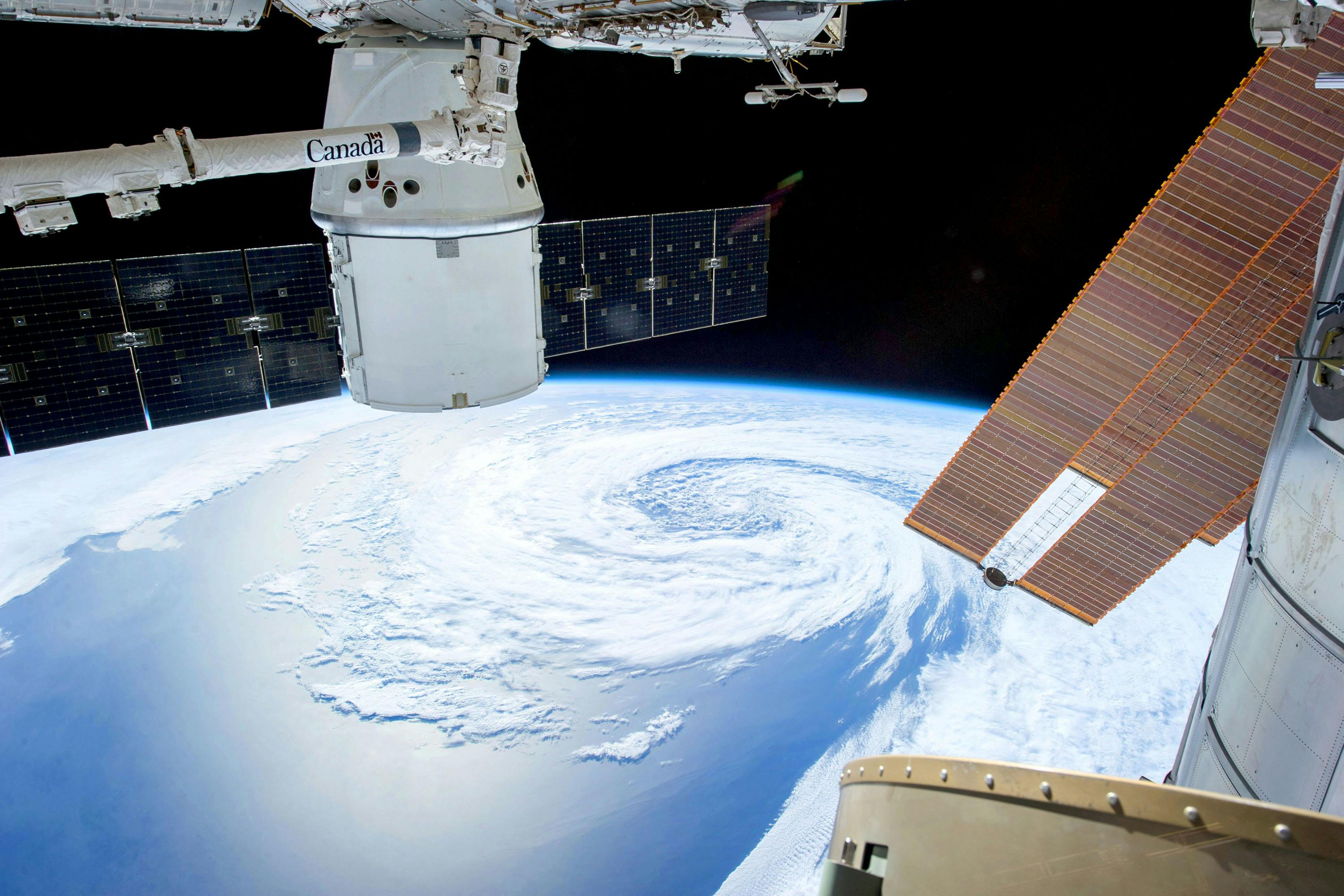
SpaceX continues its robust launch cadence with new Starlink deployments and faces challenges in Starship development following the recent damage to its prototype booster.
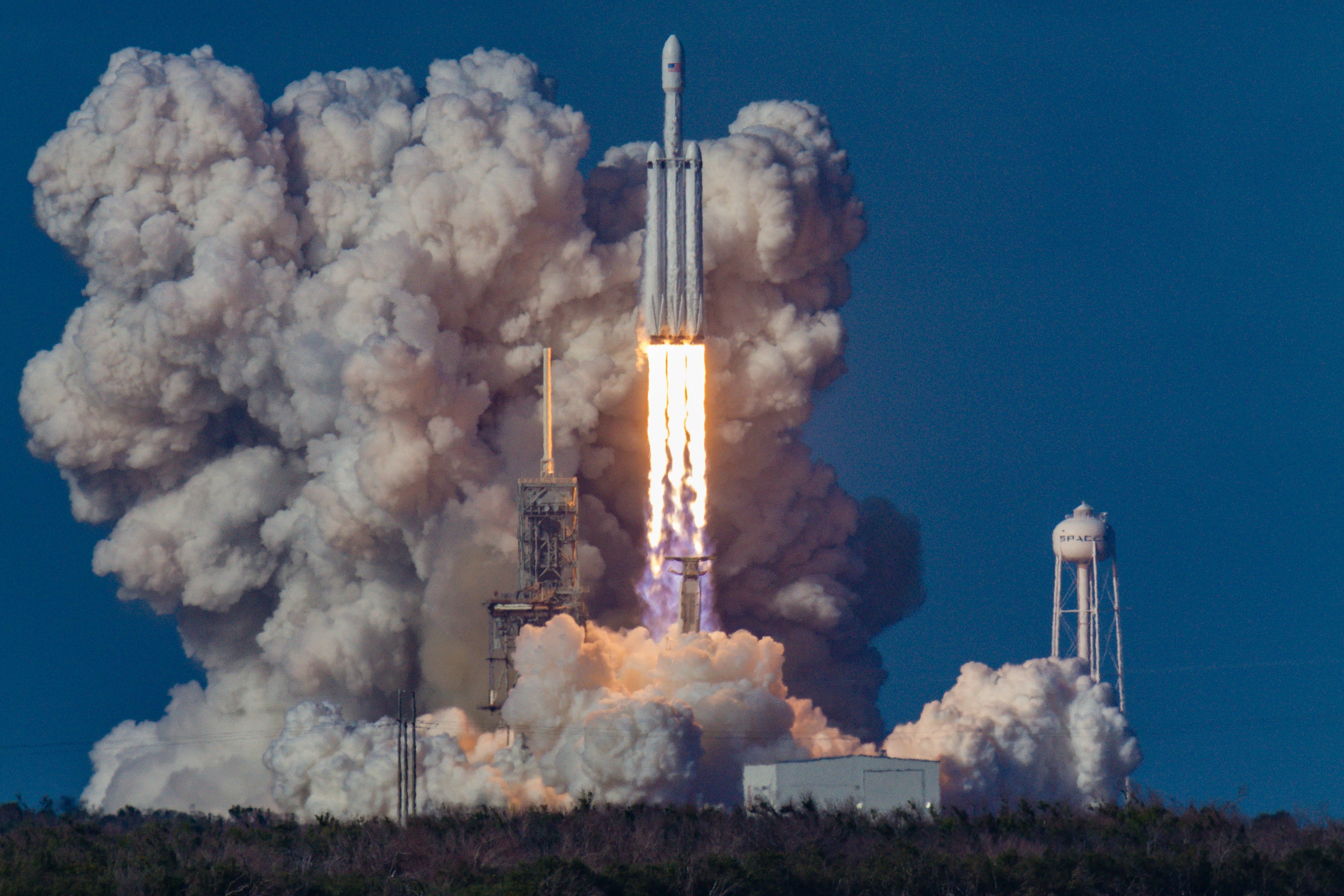
SpaceX launched NROL-179 from Vandenberg at 1:50 a.m. PDT June 19, carrying Starshield spy satellites for the National Reconnaissance Office.
Trump reportedly asked Musk to donate SpaceX equity to seed children's savings accounts as Starlink tops 10,706 working satellites in orbit.