STARLINK-3184 (51143)

COSPAR: 2022-005AR | Alt Name: Starlink 3184

Image
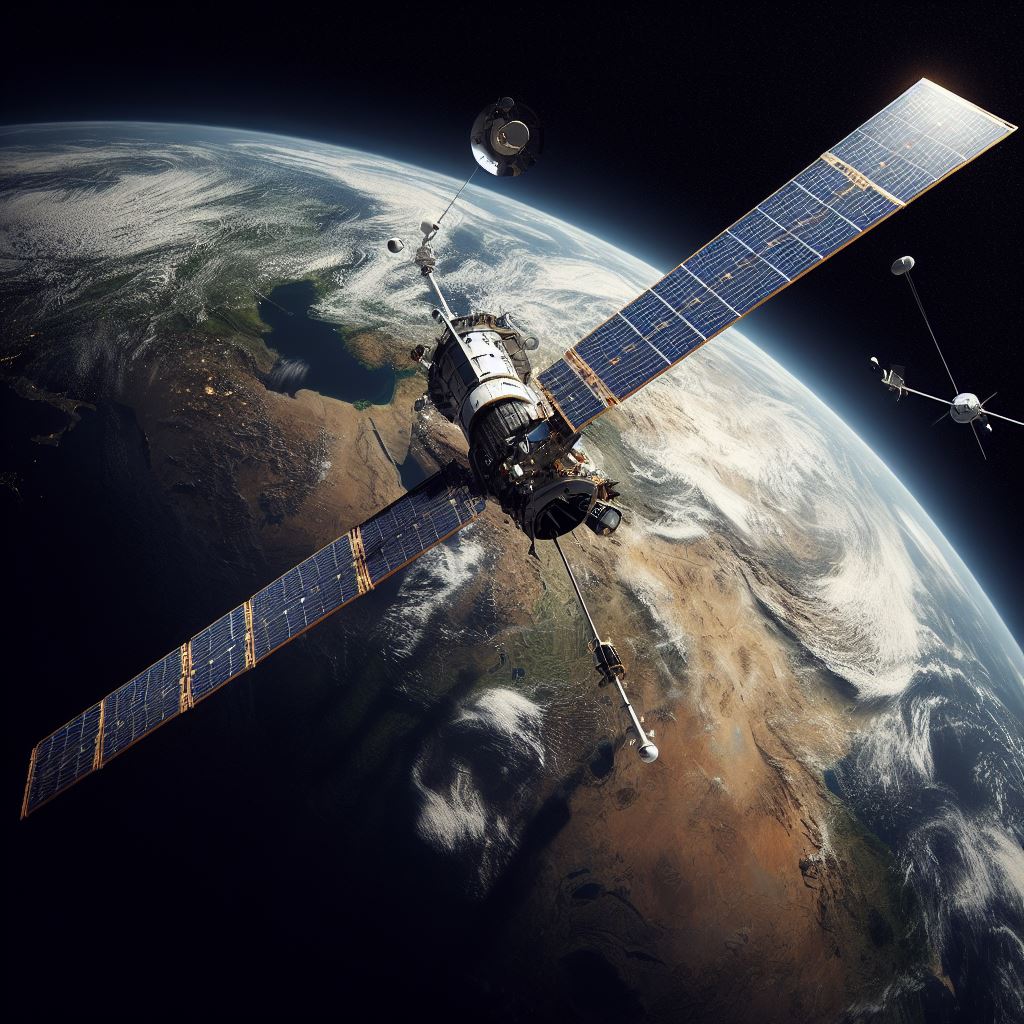
STARLINK-3184 Satellite Image
Additional Sources
Launch Details

Launch Date

January 19, 2022

Launch Pad

LC39A

Launch Vehicle

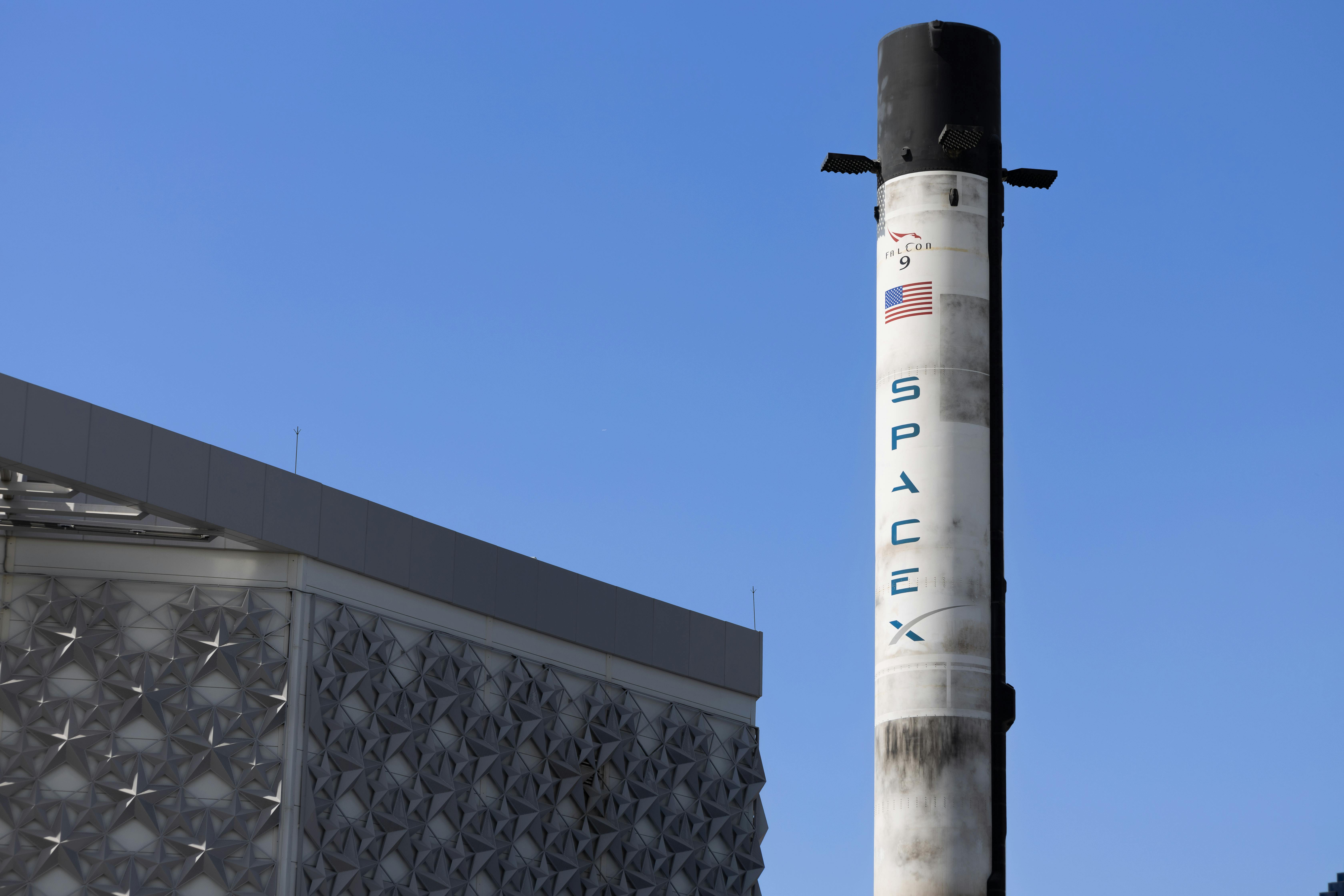
Falcon 9

Orbital Elements

NORAD ID

51143

International Designator

2022-005AR

Epoch

Sun, 19 Jul 2026 21:45:39 GMT

Apogee

Calculating...

Perigee

Calculating...

Inclination

53.16°

Right Ascension

70.44°

Eccentricity

Calculating...

Argument of Perigee

89.51°

Period

93.85 min

Mean Motion

15.34 rev/day

Latitude

Calculating...

Longitude

Calculating...

Altitude

Calculating...

Velocity

Calculating...

Polar Plot
3D Visualization
Basic Satellite Info

Name

STARLINK-3184

Alternative Name

Starlink 3184

Type

Payload

Status

Operational

Owner

SPXS

Country

United States

Constellation

N/A

Related Satellites

Major Events

N/A

Latest TLEs
1 51143U 22005AR  26200.90671009  .00000797  00000+0  34742-4 0  9991
2 51143  53.1611  70.4390 0001460  89.5137 270.6033 15.34388413248623

Source: Celestrak

Summary
The STARLINK-3184 satellite, also known as Starlink 3184, is part of SpaceX's Starlink constellation designed for communication purposes. Launched on January 19, 2022, from LC39A at AFETR using a Falcon 9 launch vehicle, the satellite measures 0.2 meters in length and has a diameter of 2.8 meters with a span of 9 meters. Its dry mass is 275 kilograms, and it carries a Ku/Ka-band payload along with an optical inter-satellite link for data transmission. Power is supplied by solar arrays and batteries. The satellite uses krypton ion thrusters as its motor system and is owned and operated by SpaceX under the mission of providing communication services.

Starlink is a satellite constellation developed by SpaceX with the aim of providing global broadband internet coverage. Thousands of small satellites are deployed in low Earth orbit (LEO), enabling high-speed internet access even in remote areas. However, the rapid increase in satellites raises concerns about space debris and the potential for collisions, which can lead to further debris creation and endanger other spacecraft. Additionally, the sheer number of Starlink satellites can affect astronomical observations by increasing light pollution. Proper deorbiting plans and international coordination are essential to mitigate these challenges and ensure long-term sustainability in space.
Physical Characteristics

Length

0.2

Diameter

2.8

Span

9

Dry Mass

275

Launch Mass

297

Shape

Box + pan

Radar Cross Section

Unknown

Visual Magnitude

Unknown

Color

Unknown

Material Composition

Unknown

Technical Details

Payload

Starlink Group 4-6-40

Purpose

Communication

Mission

Communication

Manufacturer

SPXS

Life Expectancy

Unknown

Bus

Starlink

Configuration

Unknown

Motor

Krypton ion thrusters

Equipment

Ku/Ka-band payload, optical inter-satellite link

Power System

Solar arrays, batteries

ADCS

Unknown

Transmitter Frequency

Unknown

Map
This tool will help you track the satellite's position and predict its upcoming passes over your location. Simply input the coordinates or click the geolocation button to get started.
Next Pass
Azimuth Elevation Time (Local)
Start Azimuth
Max Elevation
Stop Azimuth
Time Until
Pass Duration

Satellite Articles

View All Posts »

Learn more about satellites and other related topics.

The Day Humanity Got Its First Close-up of the Future Apollo Landing Site

The Day Humanity Got Its First Close-up of the Future Apollo Landing Site

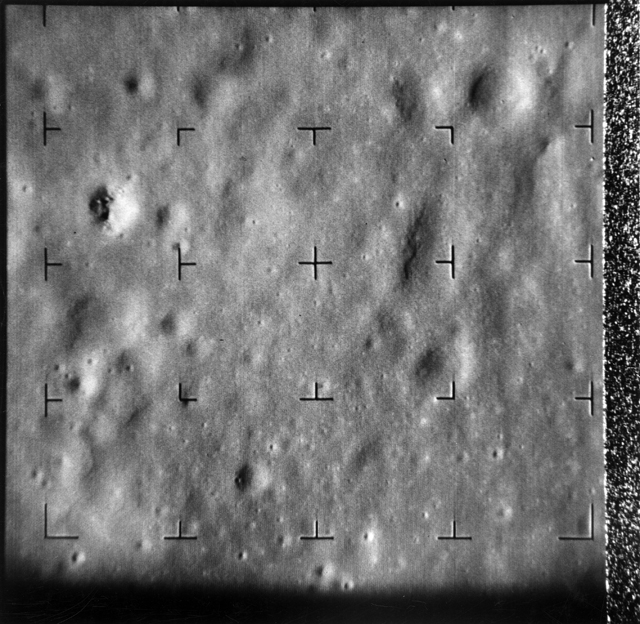
Sixty years ago, a pioneering spacecraft called Ranger 8 captured thousands of detailed photographs of the lunar surface before intentionally crashing into the Moon, helping pave the way for humanity's first steps on another world

Space Object Catalog

Space Object Catalog

The master ledger of everything orbiting Earth: how tens of thousands of satellites, rocket bodies, and debris fragments are tracked and numbered

Six Missions Worth Watching After Artemis II

Six Missions Worth Watching After Artemis II

Artemis II grabbed the headlines, but six other missions are quietly approaching milestones that could reshape what we know about Mercury, Mars, asteroids, exoplanets, and the Moon's south pole. Here is what is actually happening with each of them.

Space Brief 13 Jan 2025

Space Brief 13 Jan 2025

Today's brief covers Blue Origin's launch delay, SpaceX's upcoming Starlink mission, and highlights the YAOGAN-43 O1C satellite.

SpaceX Targets 600th Falcon Booster Landing, X Report 19 Apr 2026

SpaceX Targets 600th Falcon Booster Landing, X Report 19 Apr 2026

SpaceX targets its 600th Falcon 9 booster landing on Starlink 17-22, lofting 25 satellites from Vandenberg. Plus a 2028 SpaceX ride for ESA's Mars rover.

Space Force Eyes Space Tugs, On-Orbit Refueling by 2030 | KeepTrack Space Brief

Space Force Eyes Space Tugs, On-Orbit Refueling by 2030 | KeepTrack Space Brief

Space Force commits to operational space tugs and on-orbit refueling by 2030. New capabilities will complicate conjunction analysis for GEO and MEO satellite tracking.

Who Owns the Most Satellites Orbiting Earth?

Who Owns the Most Satellites Orbiting Earth?

Uncover the top companies dominating the satellite industry. From SpaceX to One Web, learn who's leading in space assets. Full list inside.

All 33 Raptor V3 Engines Ignite in Super Heavy Static Fire | KeepTrack X Report

All 33 Raptor V3 Engines Ignite in Super Heavy Static Fire | KeepTrack X Report

SpaceX ignited all 33 next-gen Raptor V3 engines on the Super Heavy booster at Starbase, Texas, marking a critical milestone toward the next Starship flight.