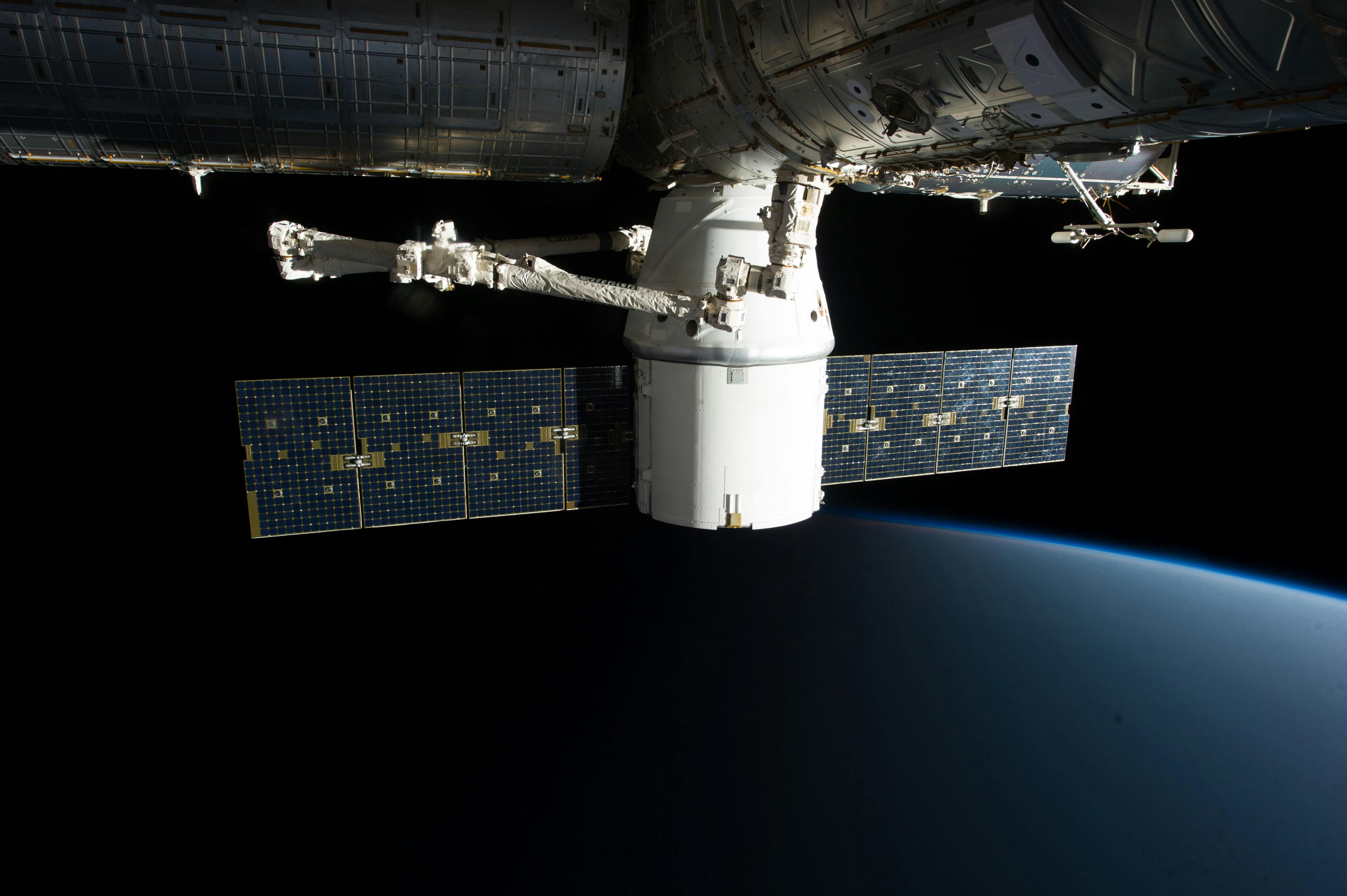
STARLINK-3366 (51104)

COSPAR: 2022-005A | Alt Name: Starlink 3366

Image
STARLINK-3366 Satellite Image
Additional Sources
Launch Details

Launch Date

January 19, 2022

Launch Pad

LC39A

Launch Vehicle

Falcon 9

Orbital Elements

NORAD ID

51104

International Designator

2022-005A

Epoch

Sun, 19 Jul 2026 20:47:29 GMT

Apogee

Calculating...

Perigee

Calculating...

Inclination

53.19°

Right Ascension

55.39°

Eccentricity

Calculating...

Argument of Perigee

118.78°

Period

95.35 min

Mean Motion

15.10 rev/day

Latitude

Calculating...

Longitude

Calculating...

Altitude

Calculating...

Velocity

Calculating...

Polar Plot
3D Visualization
Basic Satellite Info

Name

STARLINK-3366

Alternative Name

Starlink 3366

Type

Payload

Status

Operational

Owner

SPXS

Country

United States

Constellation

N/A

Related Satellites

Major Events

N/A

Latest TLEs
1 51104U 22005A   26200.86630870  .00004351  00000+0  28073-3 0  9993
2 51104  53.1914  55.3855 0001041 118.7764 241.3333 15.10216325248837

Source: Celestrak

Summary
The STARLINK-3366 satellite, also known as Starlink 3366, is part of SpaceX's Starlink constellation and was launched on January 19, 2022, from Kennedy Space Center Launch Complex 39A using a Falcon 9 launch vehicle. With dimensions of 0.2 meters in length, 2.8 meters in diameter, and a span of 9 meters, the satellite has a dry mass of 275 kilograms and was launched with a total mass of 297 kilograms. It is equipped with a Ku/Ka-band payload for communication purposes, an optical inter-satellite link, and krypton ion thrusters as its motor system. Power for STARLINK-3366 comes from solar arrays and batteries, and it serves the mission of providing communication services. The satellite has a box-shaped body with a pan configuration and is operated by SpaceX (SPXS).

Starlink is a satellite constellation developed by SpaceX with the aim of providing global broadband internet coverage. Thousands of small satellites are deployed in low Earth orbit (LEO), enabling high-speed internet access even in remote areas. However, the rapid increase in satellites raises concerns about space debris and the potential for collisions, which can lead to further debris creation and endanger other spacecraft. Additionally, the sheer number of Starlink satellites can affect astronomical observations by increasing light pollution. Proper deorbiting plans and international coordination are essential to mitigate these challenges and ensure long-term sustainability in space.
Physical Characteristics

Length

0.2

Diameter

2.8

Span

9

Dry Mass

275

Launch Mass

297

Shape

Box + pan

Radar Cross Section

Unknown

Visual Magnitude

Unknown

Color

Unknown

Material Composition

Unknown

Technical Details

Payload

Starlink Group 4-6-01

Purpose

Communication

Mission

Communication

Manufacturer

SPXS

Life Expectancy

Unknown

Bus

Starlink

Configuration

Unknown

Motor

Krypton ion thrusters

Equipment

Ku/Ka-band payload, optical inter-satellite link

Power System

Solar arrays, batteries

ADCS

Unknown

Transmitter Frequency

Unknown

Map
This tool will help you track the satellite's position and predict its upcoming passes over your location. Simply input the coordinates or click the geolocation button to get started.
Next Pass
Azimuth Elevation Time (Local)
Start Azimuth
Max Elevation
Stop Azimuth
Time Until
Pass Duration

Satellite Articles

View All Posts »

Learn more about satellites and other related topics.

SpaceX Buys Cursor AI for $60B After IPO, X Report 17 Jun 2026

SpaceX Buys Cursor AI for $60B After IPO, X Report 17 Jun 2026

SpaceX acquires Cursor AI maker Anysphere for $60B in its first post-IPO deal, as Falcon 9 lofts 3 Block 2 BlueBird satellites for AST SpaceMobile.

MDA Space Buys Blue Canyon for $620M, Space Brief 20 Jun 2026

MDA Space Buys Blue Canyon for $620M, Space Brief 20 Jun 2026

MDA Space acquires Blue Canyon Technologies for $620 million, and NASA's 2028 Aeolus Mars orbiter goes to a California startup instead of SpaceX.
NASA Ends MAVEN After 6-Month Contact Loss; Falcon 9 Sets 35th Reuse Record | KeepTrack Space Brief

NASA Ends MAVEN After 6-Month Contact Loss; Falcon 9 Sets 35th Reuse Record | KeepTrack Space Brief

NASA concludes MAVEN mission after six months attempting to restore contact with Mars probe. Meanwhile, Falcon 9 booster flies record 35th flight on Starlink 10-35 mission.
FCC Approves Reflect Orbital Sunlight Satellite | KeepTrack Space Brief

FCC Approves Reflect Orbital Sunlight Satellite | KeepTrack Space Brief

FCC clears Reflect Orbital's first satellite to bounce sunlight into nighttime zones, despite pushback from astronomers concerned about orbital streaking and wildlife impacts.
The Day Japan Joined the Geostationary Club

The Day Japan Joined the Geostationary Club

Forty-eight years ago, a pioneering satellite named Kiku 2 propelled Japan into the exclusive group of nations capable of operating satellites in geostationary orbit
X Report 31 Jan 2025

X Report 31 Jan 2025

SpaceX's Starlink sparks market shifts and celestial awe as iPhones gain new connectivity and a satellite ignites the night sky.

Space Brief 5 Nov 2025

Space Brief 5 Nov 2025

Today's focus: Sidus Space's new AI edge computer, Space Force's dynamic operations initiative, and key Pentagon acquisition reforms.

X Report 27 Apr 2025

X Report 27 Apr 2025

SpaceX gears up for two major Starlink launches, while regulatory challenges slow progress in India.
