


X Report 28 Dec 2025
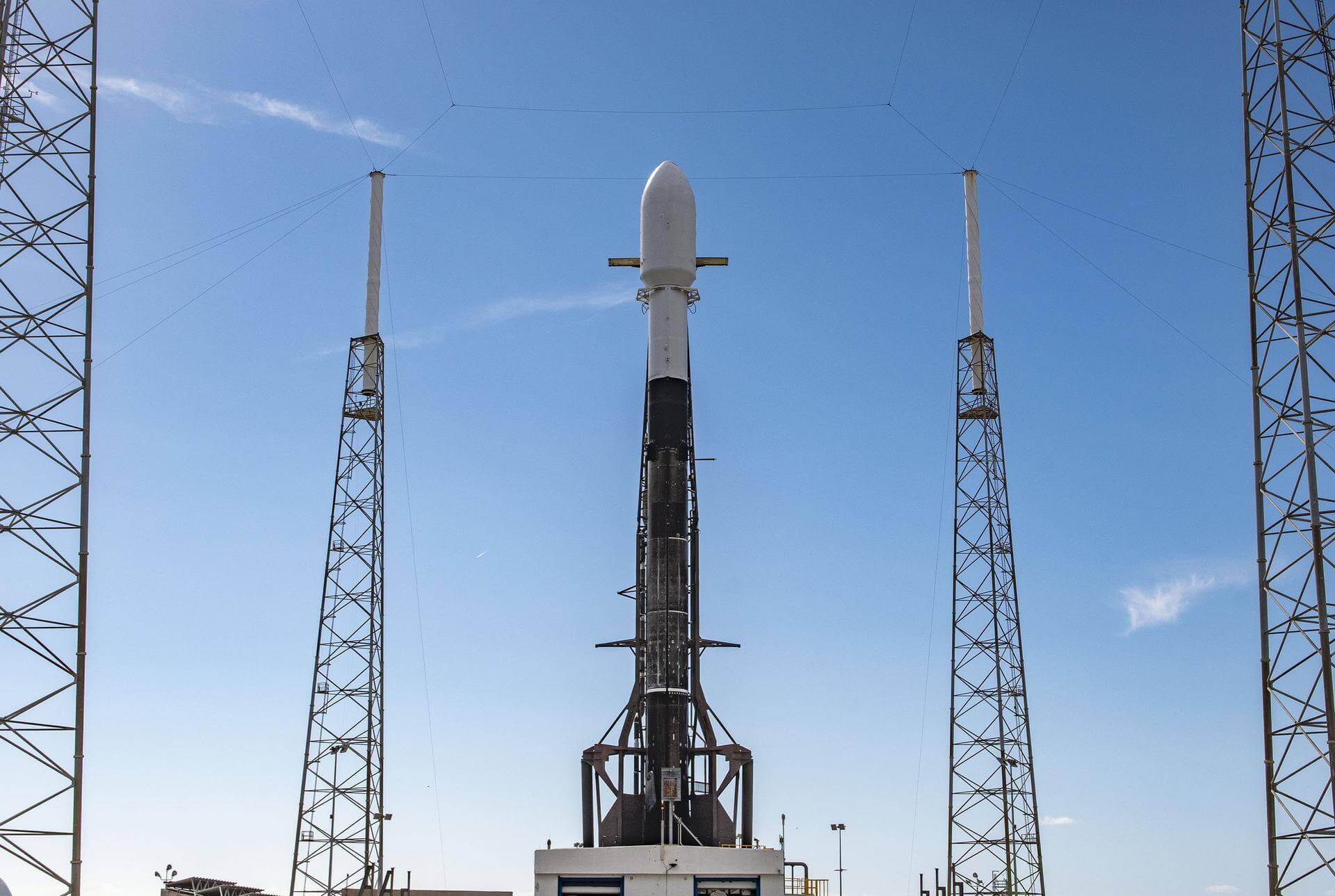
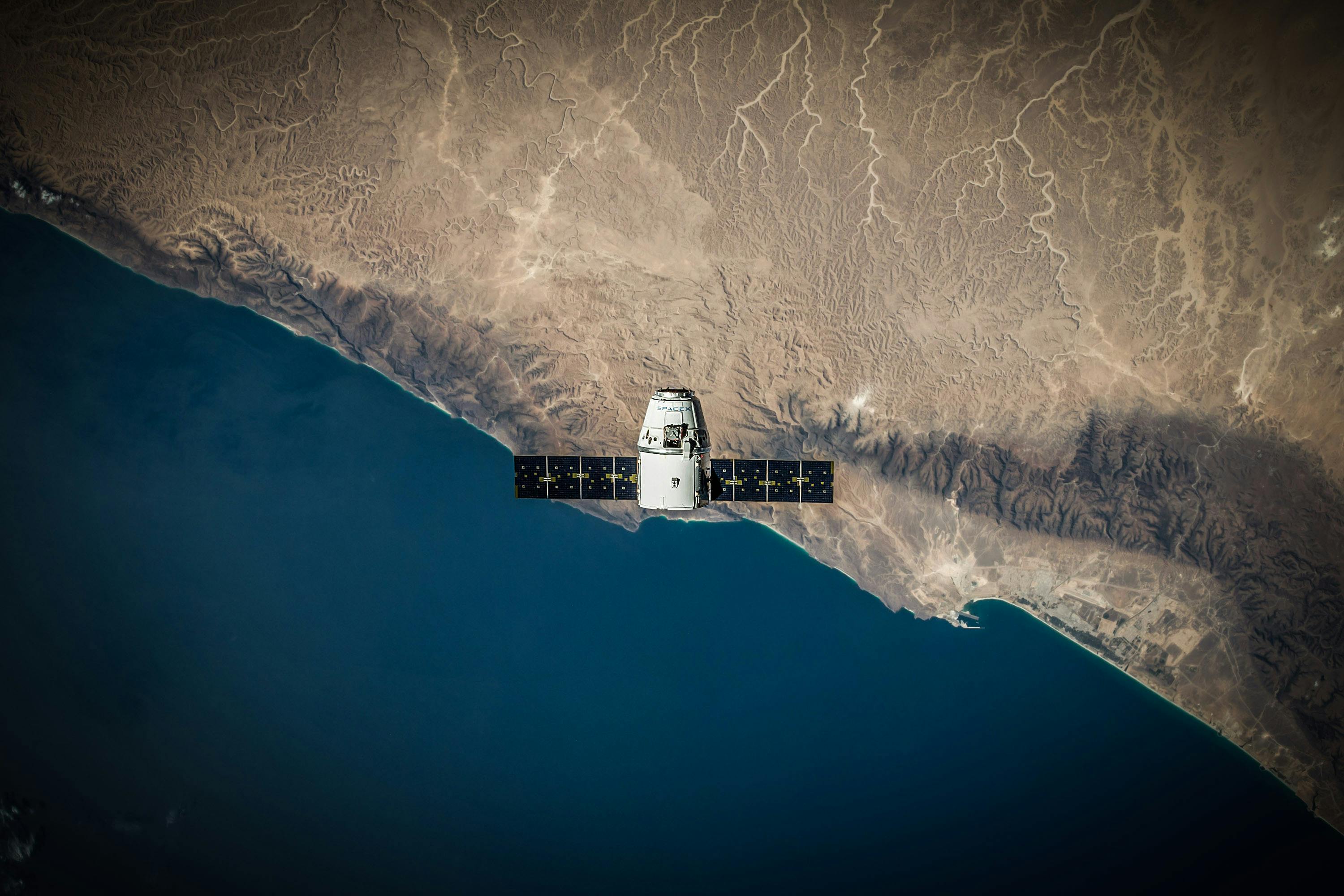
SpaceX scrubs a launch due to ground system issues while continuing its ambitious deployment of Starlink satellites.


Launch Date
January 13, 2022
Launch Site
Launch Pad
LC40
Launch Vehicle
NORAD ID
51086
International Designator
2022-002DG
Decay Date
9/10/2024
Name
LABSAT
Alternative Name
LabSat
Type
Status
Owner
SATRV
Country
Poland
Constellation
N/A
Related Satellites
Major Events
N/A
Length
0.3
Diameter
0.2
Span
0.3
Dry Mass
5
Launch Mass
5
Shape
Box
Radar Cross Section
Unknown
Visual Magnitude
Unknown
Color
Unknown
Material Composition
Unknown
Payload
LabSat
Purpose
Technology
Mission
Technology
Manufacturer
SATRV
Life Expectancy
Unknown
Bus
Cubesat 3U
Configuration
CubeSat (3U)
Motor
None
Equipment
Unknown
Power System
Solar cells, batteries
ADCS
Unknown
Transmitter Frequency
Unknown
Learn more about satellites and other related topics.
SpaceX scrubs a launch due to ground system issues while continuing its ambitious deployment of Starlink satellites.
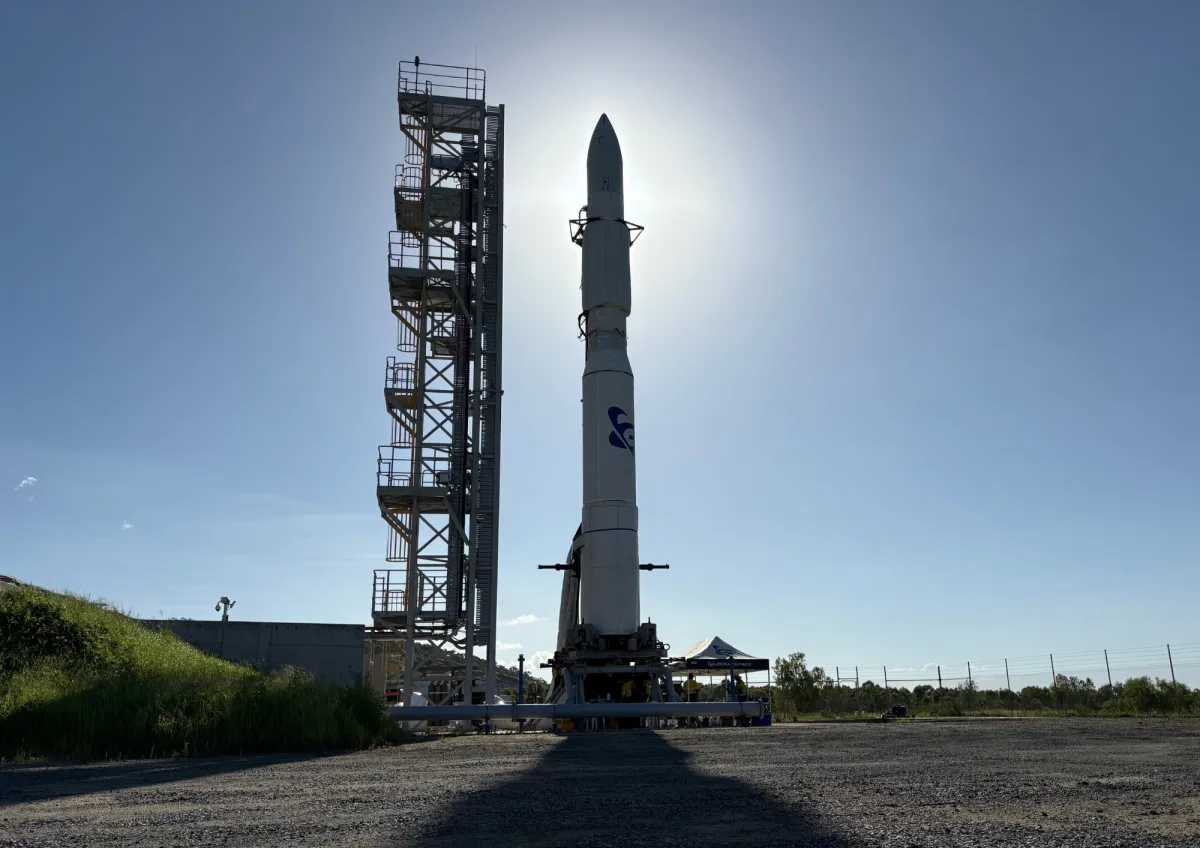
Key insights from the latest SpaceX Starship breakup, the establishment of a new satellite mobile service, and enhancing America's missile shield capabilities through satellites.

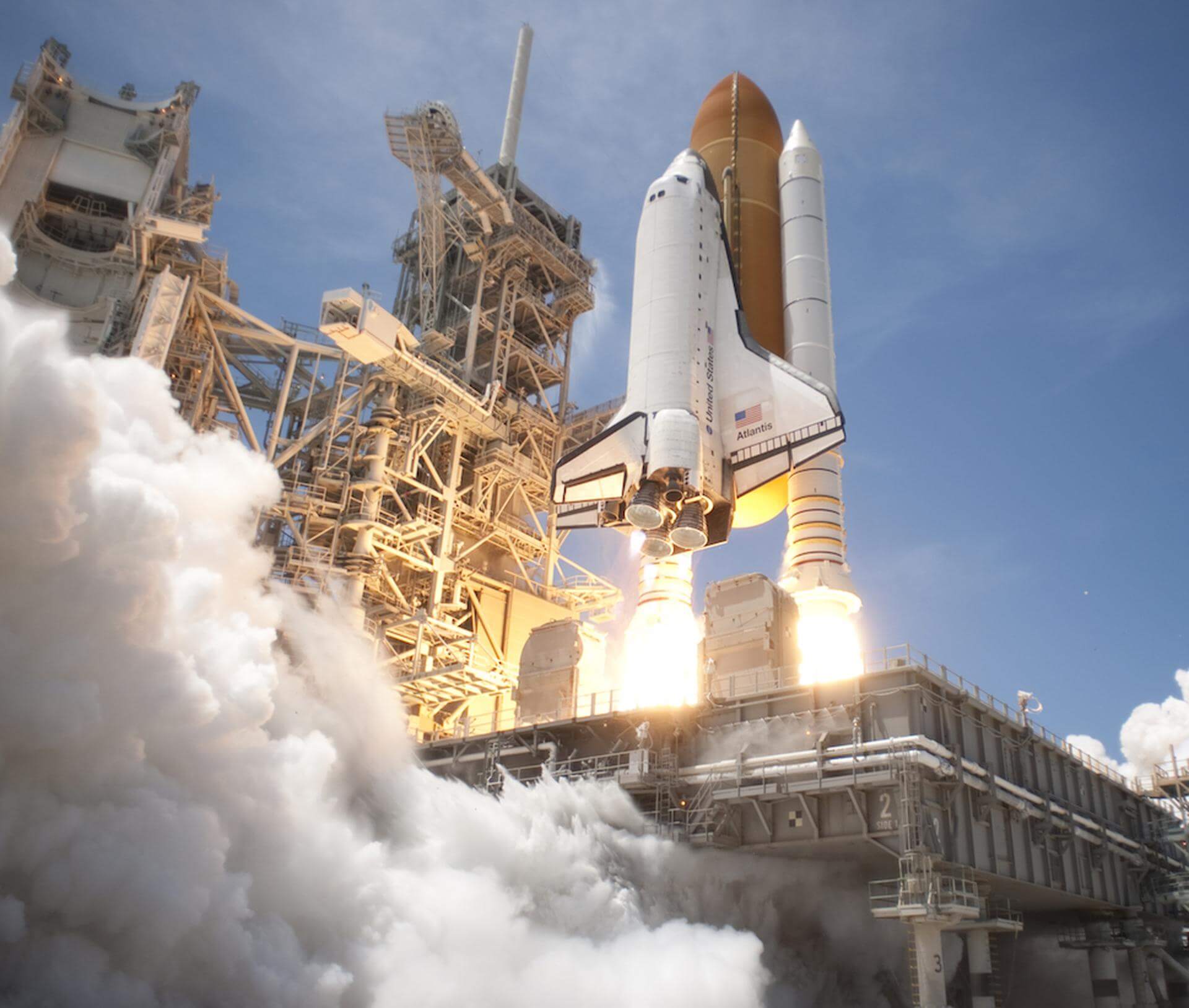
On May 4, 1989, Space Shuttle Atlantis lifted off from LC-39B carrying Magellan, NASA's first interplanetary mission since 1978. The eleven-year drought ended in a payload bay, and the radar that emerged would map ninety-eight percent of Venus through clouds that no camera could ever see through.
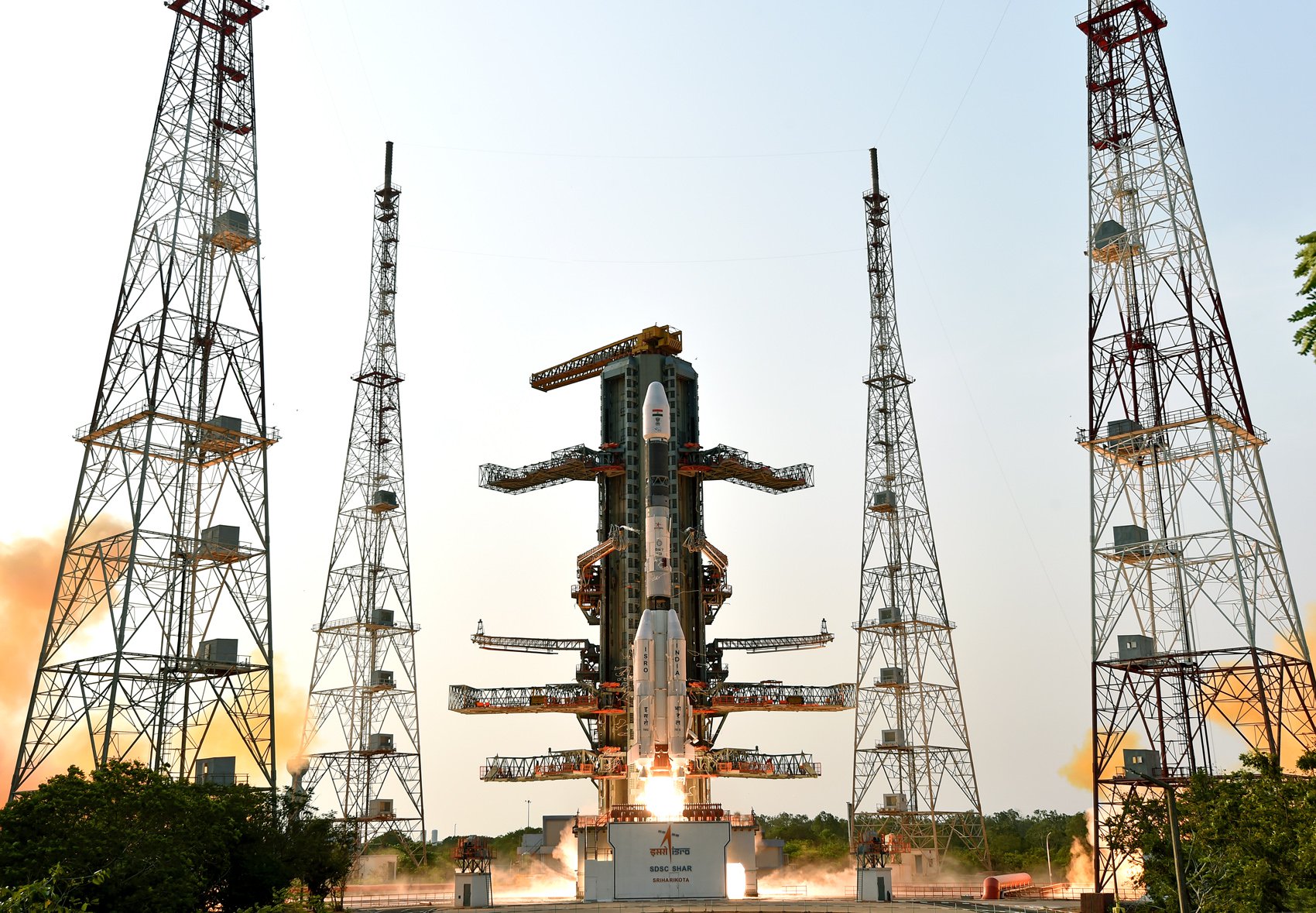
Today's brief covers new military space funding, intriguing scientific discoveries, and defense contracts impacting global military strategies.

Explore the latest advancements in satellite technology, military satellite applications, and collaborative efforts in hypersonic vehicle tracking. Discover the transformative power of new deals shaping global communication networks.
Today's brief covers the new Space Force operations doctrine, international defense collaborations by the UAE, and satellite tracking technology innovations.
U.S. Space Force increased Andromeda contract ceiling to $6.2 billion for next-generation space situational awareness satellites replacing GSSAP and SILENTBARKER programs.
SpaceX ramps up Raptor 3 testing and the launch landscape heats up with Vulcan and Ariane set to lift off before Starlink missions.