


Space Brief 23 Sep 2025
Explore the latest in satellite launches and space reconnaissance as Lockheed Martin, SpaceX, and military entities push forward with innovative missions. A new propulsion clean room marks growth in satellite tech.


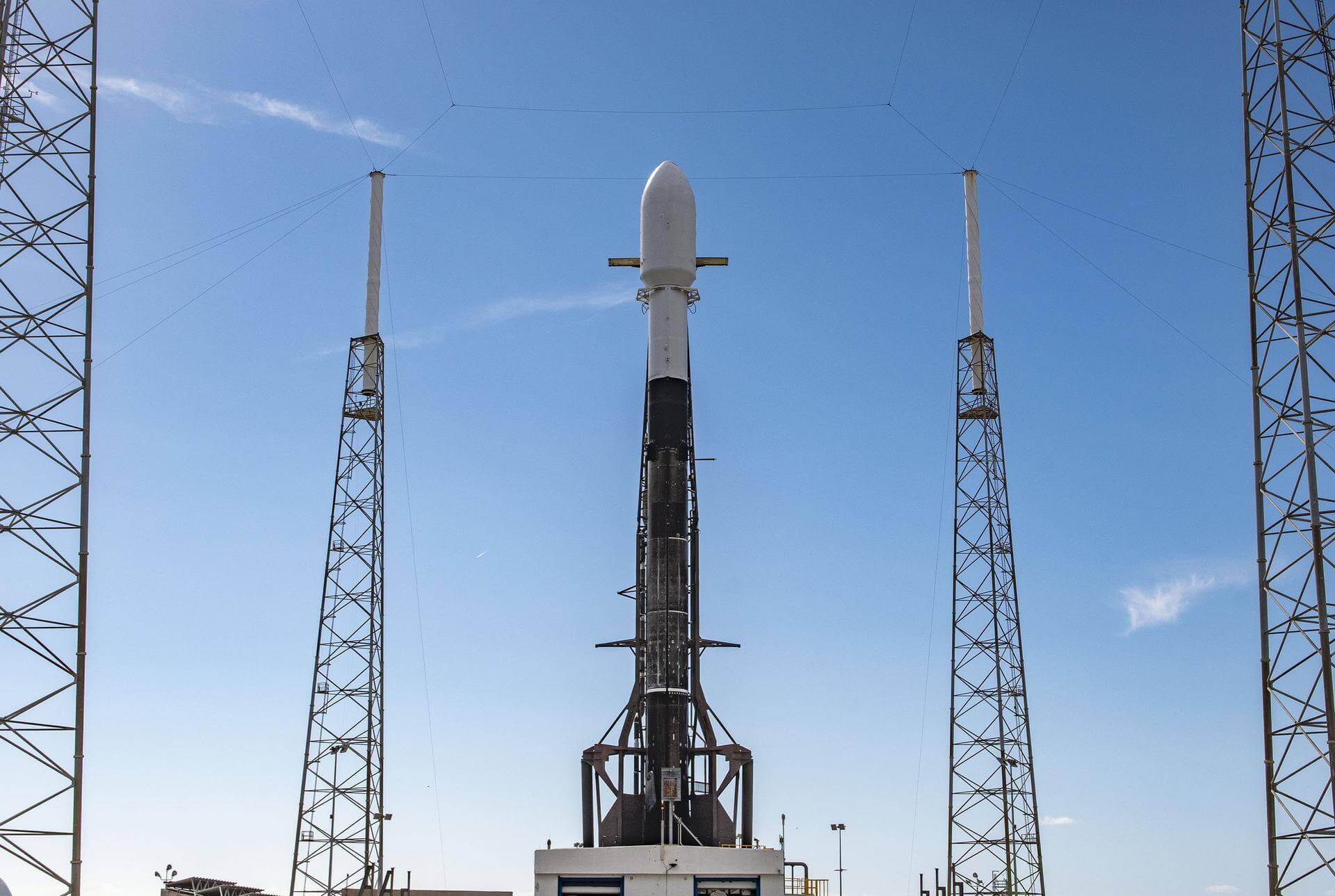
Launch Date
January 13, 2022
Launch Site
Launch Pad
LC40
Launch Vehicle
NORAD ID
51071
International Designator
2022-002CR
Decay Date
9/6/2023
Name
CAPELLA-8-WHITNEY
Alternative Name
Capella 8
Type
Status
Owner
CAPSP
Country
United States
Constellation
N/A
Related Satellites
Major Events
N/A
Length
0.5
Diameter
0.3
Span
3.5
Dry Mass
90
Launch Mass
112
Shape
Box+ pan + Dish+boom
Radar Cross Section
Unknown
Visual Magnitude
Unknown
Color
Unknown
Material Composition
Unknown
Payload
Whitney 6
Purpose
Earth observation, radar
Mission
Earth observation, radar
Manufacturer
CAPSP
Life Expectancy
Unknown
Bus
Sequoia
Configuration
Unknown
Motor
None
Equipment
X-band SAR
Power System
Solar cells, batteries
ADCS
Unknown
Transmitter Frequency
Unknown
Learn more about satellites and other related topics.
Explore the latest in satellite launches and space reconnaissance as Lockheed Martin, SpaceX, and military entities push forward with innovative missions. A new propulsion clean room marks growth in satellite tech.

Crew-11 launch preparations ramp up, Starship propellant production begins, and a global launch roundup highlights upcoming missions.
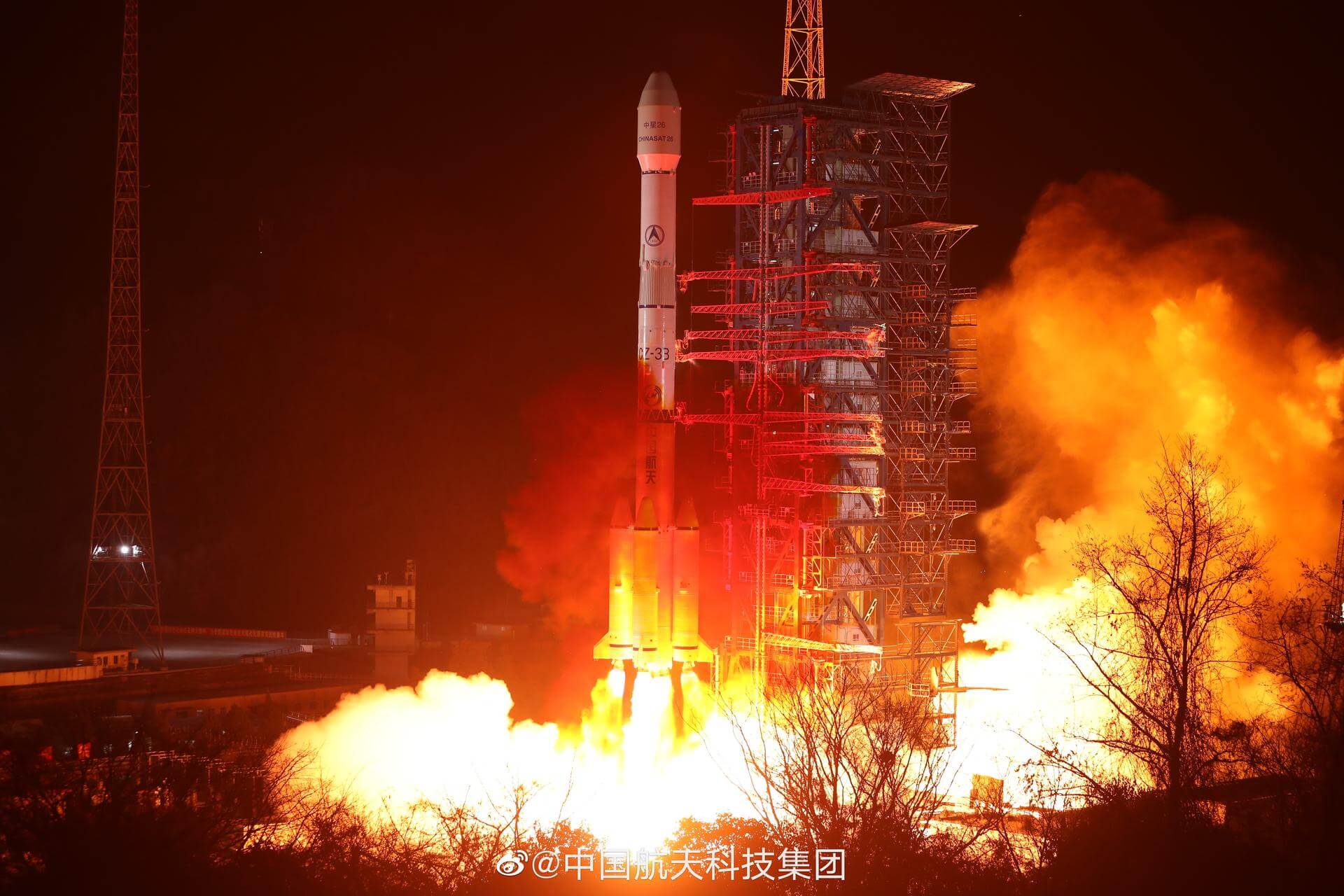
Focusing on military satellite initiatives, defense strategies, and advancements in air and cyber capabilities
Space Force awards first-of-its-kind $52M contract to Starfish Space for deorbiting defunct satellites. AST SpaceMobile selected for Missile Defense Agency SHIELD program. $26B Space Force budget confirmed.

SpaceX's proposed 1-million-satellite AI data center constellation alarms astronomers as Falcon 9 logs its 25th Starlink launch of 2026.

Musk confirms Starmind, an AI satellite constellation targeting 1 million orbital compute nodes. Starfall's debut and Dragon's ISS departure follow.

Today's Space Brief covers the reentry of Firefly's Blue Ghost moon lander, a compelling study on space debris exacerbated by climate change, and new advancements from the Vera Rubin Observatory.
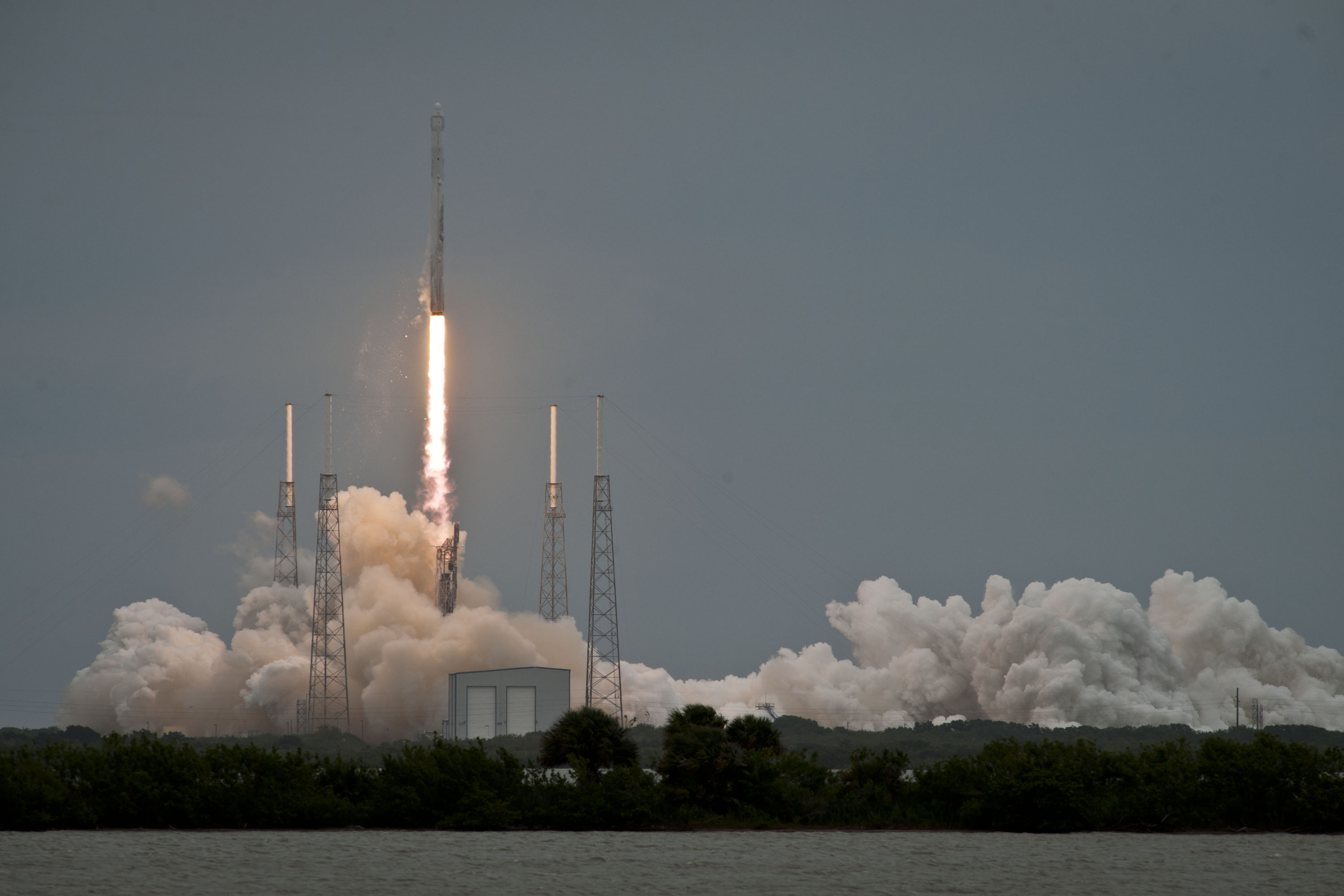
On April 18, 2014, a Falcon 9 first stage did something no orbital rocket had ever done before. It fired its engines on the way down, steered itself through the atmosphere using grid fins that did not yet exist, and touched the Atlantic Ocean softly enough to survive the impact. Nobody recovered it. The data was the whole point.