


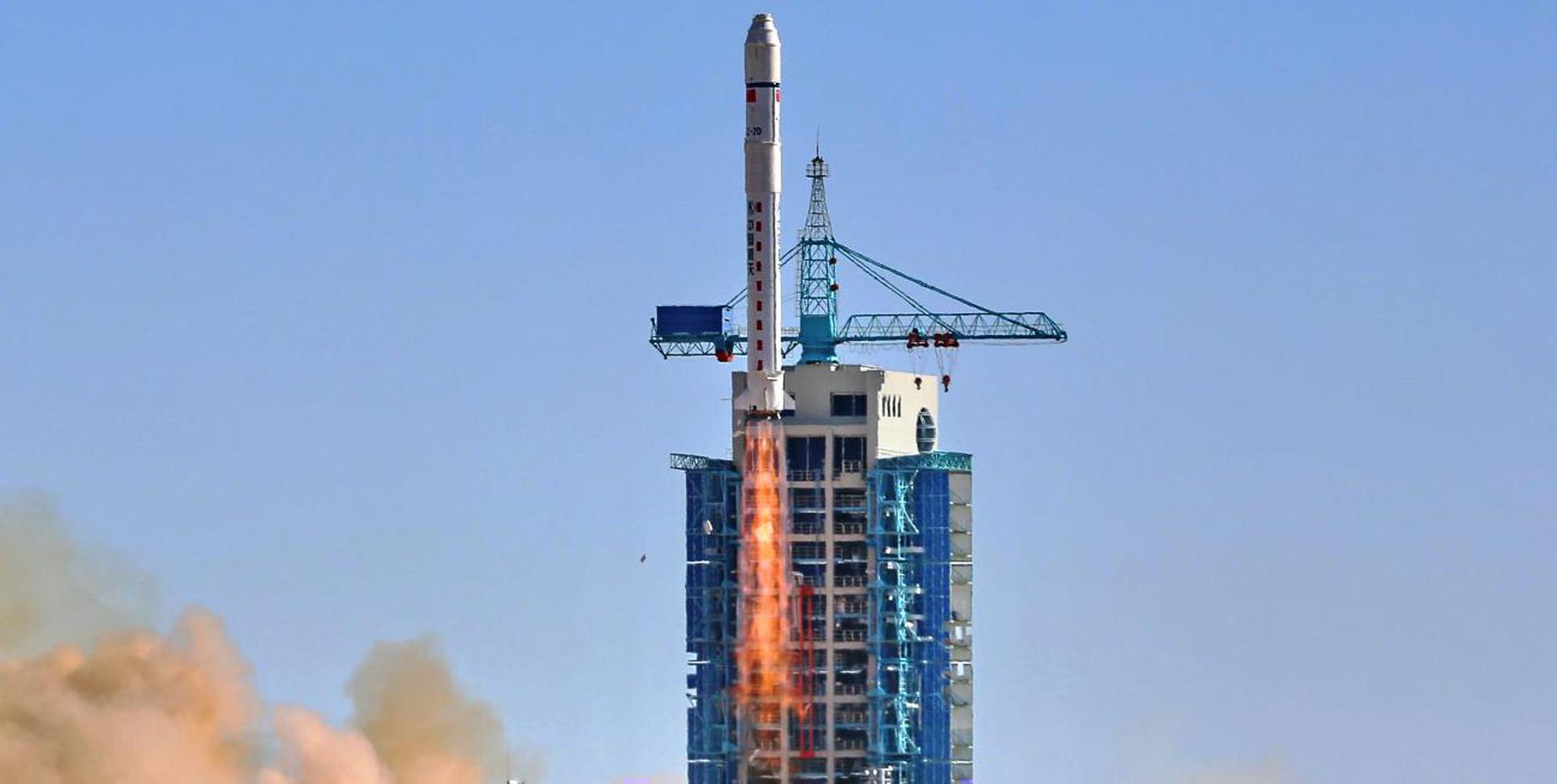
Space Brief 20 Sep 2025
Today's highlights include SpaceX's Starlink launch, NASA's revived lunar mission, and a spotlight on space-defense activities.



Launch Date
January 6, 2022
Launch Site
Launch Pad
LC39A
Launch Vehicle
NORAD ID
50841
International Designator
2022-001AQ
Epoch
Mon, 20 Jul 2026 06:10:19 GMT
Apogee
Calculating...
Perigee
Calculating...
Inclination
53.16°
Right Ascension
300.42°
Eccentricity
Calculating...
Argument of Perigee
71.90°
Period
93.90 min
Mean Motion
15.34 rev/day
Latitude
Calculating...
Longitude
Calculating...
Altitude
Calculating...
Velocity
Calculating...
Name
STARLINK-3300
Alternative Name
Starlink 3300
Type
Status
Owner
SPXS
Country
United States
Constellation
N/A
Related Satellites
Major Events
N/A
1 50841U 22001AQ 26201.25716711 -.00001441 00000+0 -32501-4 0 9990
2 50841 53.1611 300.4248 0001020 71.8951 288.2163 15.33540022250329
Source: Celestrak
Length
0.2
Diameter
2.8
Span
9
Dry Mass
275
Launch Mass
297
Shape
Box + pan
Radar Cross Section
Unknown
Visual Magnitude
Unknown
Color
Unknown
Material Composition
Unknown
Payload
Starlink Group 4-5-39
Purpose
Communication
Mission
Communication
Manufacturer
SPXS
Life Expectancy
Unknown
Bus
Starlink
Configuration
Unknown
Motor
Krypton ion thrusters
Equipment
Ku/Ka-band payload, optical inter-satellite link
Power System
Solar arrays, batteries
ADCS
Unknown
Transmitter Frequency
Unknown
Learn more about satellites and other related topics.
Today's highlights include SpaceX's Starlink launch, NASA's revived lunar mission, and a spotlight on space-defense activities.
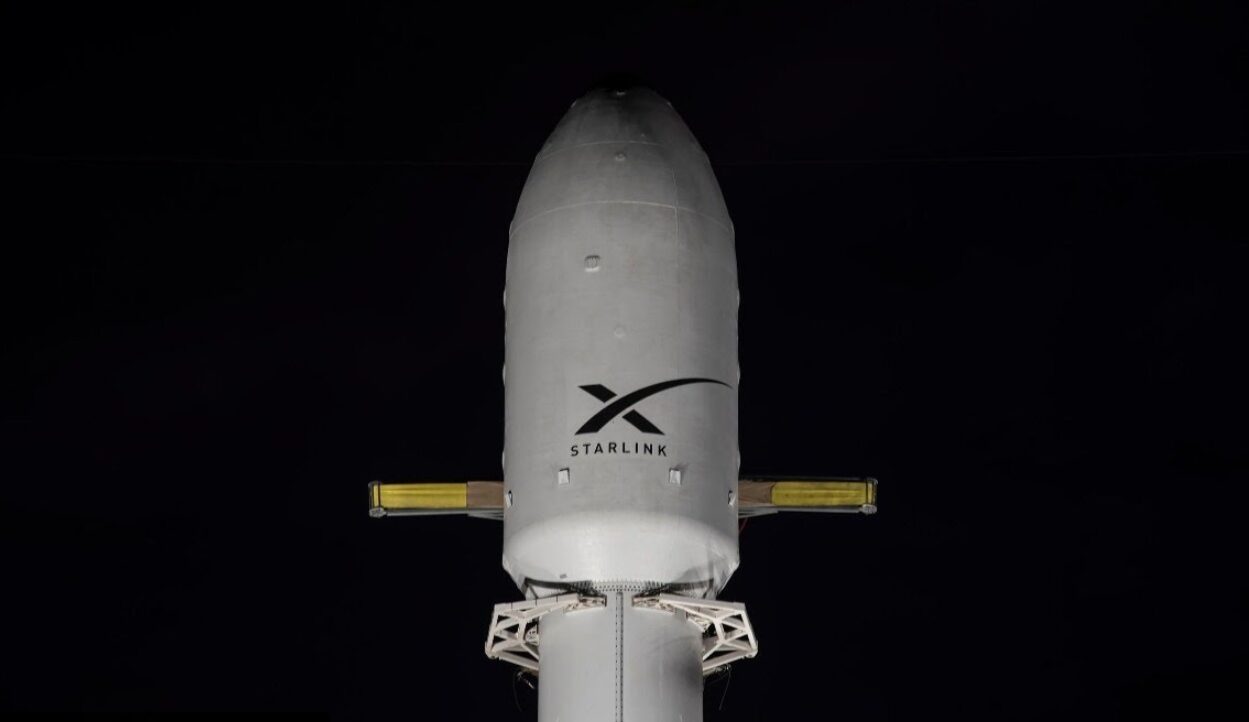
FCC clears Reflect Orbital's first satellite to bounce sunlight into nighttime zones, despite pushback from astronomers concerned about orbital streaking and wildlife impacts.

Today's Space Brief covers SpaceX's recent launch for OneWeb, advances in remote-control robots for lunar missions, the power loss of Intelsat 33e, and developments in inflatable space habitats.

Follow the complete Artemis II mission in KeepTrack's 3D tracker. Replay Orion's full flight path from launch through the lunar flyby to Pacific splashdown, and scrub to any moment of the ten-day mission.
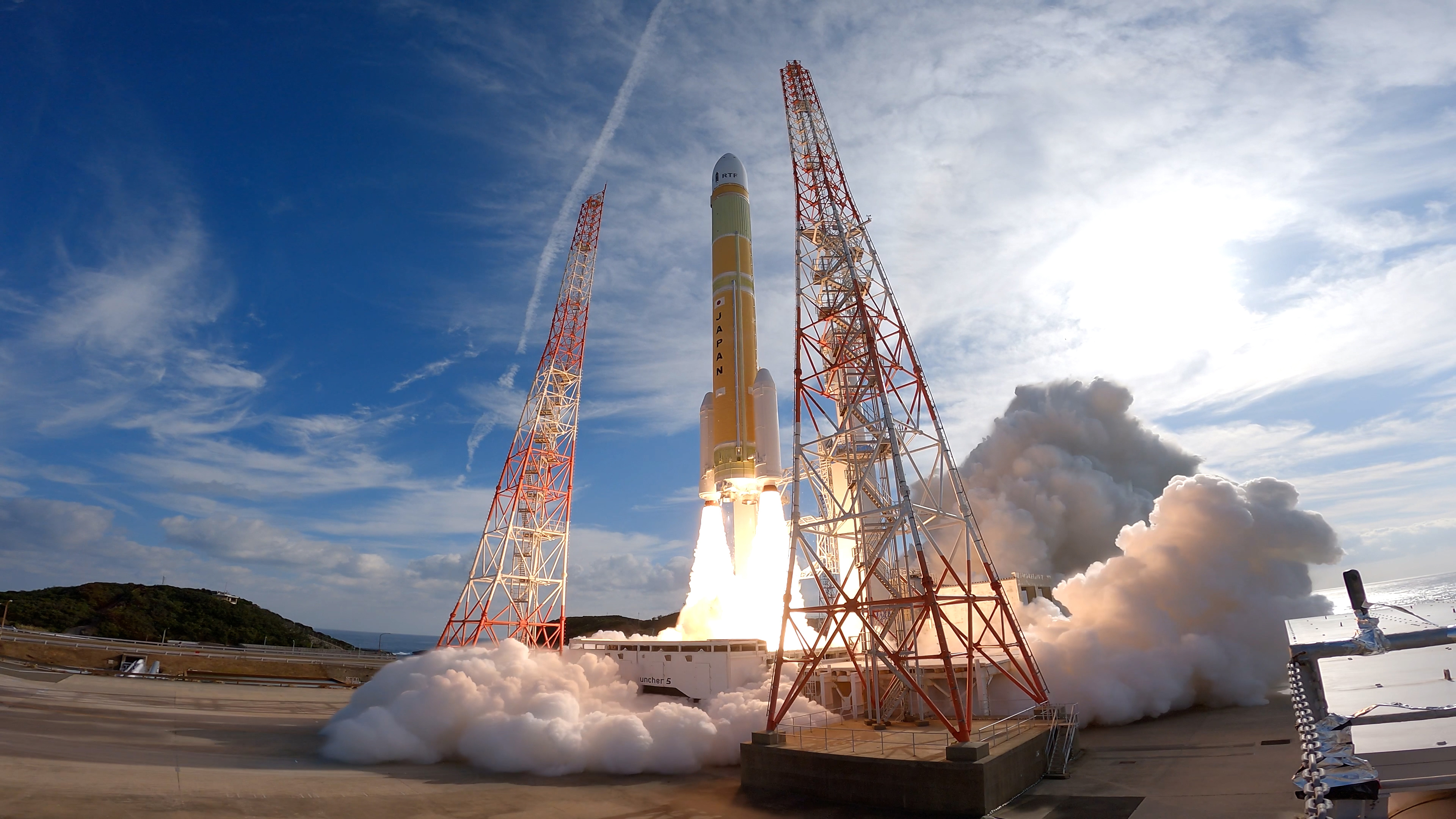
Today's highlights include new space-based interceptor developments, a UK space tracking partnership, a strategic satellite imagery alliance, and more.

Today's brief highlights a Pentagon satellite network challenge, the expanding use of AI in military strategy, and advancements in commercial launch vehicle production.
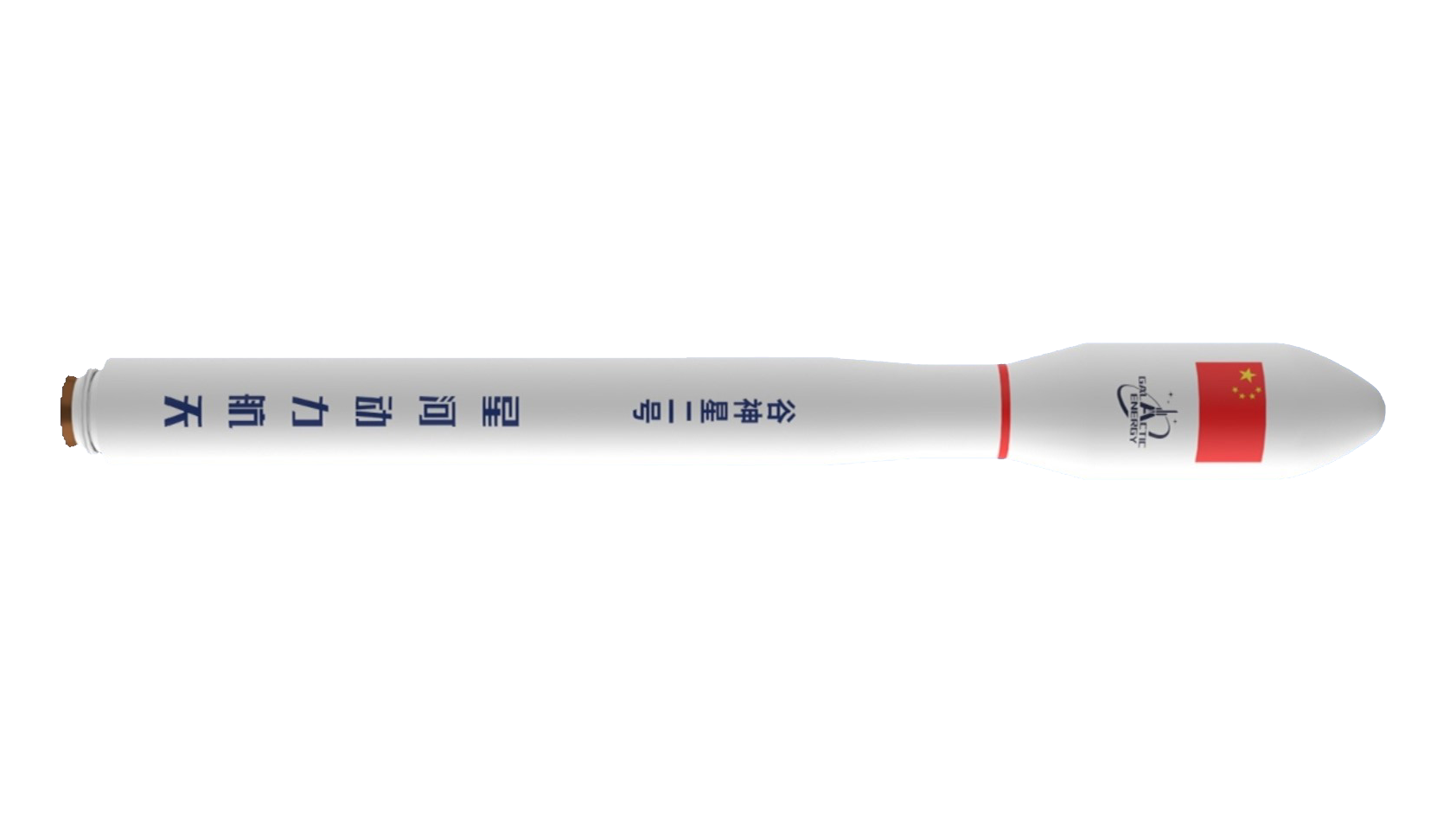
Pentagon chief Pete Hegseth tours Rocket Lab for Arsenal of Freedom strategy. Space Force accelerates 2026 acquisitions including GPS and tactical comms. Rhea Space wins $1.9M optical nav contract.
Nearly €140 million in ESA launcher development funds faces forfeiture with no replacement mechanism. Europe's independent launch capacity under pressure as Arianespace struggles.