


X Report 13 Apr 2025
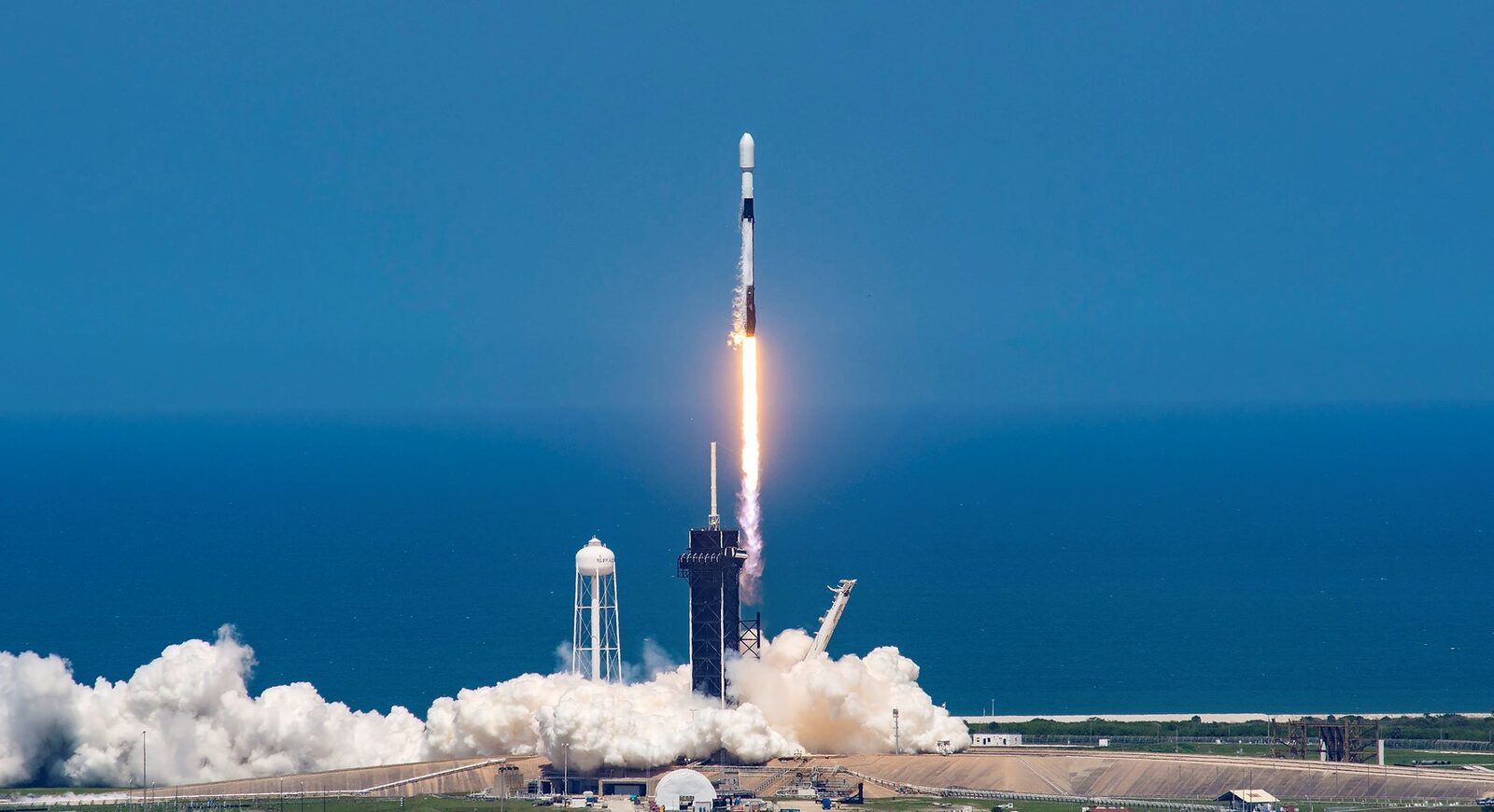
SpaceX successfully launches 21 Starlink satellites and deploys a new batch of spy satellites for the US government.



Launch Date
January 6, 2022
Launch Site
Launch Pad
LC39A
Launch Vehicle
NORAD ID
50831
International Designator
2022-001AE
Epoch
Sun, 19 Jul 2026 20:00:01 GMT
Apogee
Calculating...
Perigee
Calculating...
Inclination
53.16°
Right Ascension
294.66°
Eccentricity
Calculating...
Argument of Perigee
146.30°
Period
94.23 min
Mean Motion
15.28 rev/day
Latitude
Calculating...
Longitude
Calculating...
Altitude
Calculating...
Velocity
Calculating...
Name
STARLINK-3299
Alternative Name
Starlink 3299
Type
Status
Owner
SPXS
Country
United States
Constellation
N/A
Related Satellites
Major Events
N/A
1 50831U 22001AE 26200.83335647 .00020122 00000+0 73376-3 0 9996
2 50831 53.1587 294.6615 0000629 146.2999 141.9496 15.28170747 5683
Source: Celestrak
Length
0.2
Diameter
2.8
Span
9
Dry Mass
275
Launch Mass
297
Shape
Box + pan
Radar Cross Section
Unknown
Visual Magnitude
Unknown
Color
Unknown
Material Composition
Unknown
Payload
Starlink Group 4-5-29
Purpose
Communication
Mission
Communication
Manufacturer
SPXS
Life Expectancy
Unknown
Bus
Starlink
Configuration
Unknown
Motor
Krypton ion thrusters
Equipment
Ku/Ka-band payload, optical inter-satellite link
Power System
Solar arrays, batteries
ADCS
Unknown
Transmitter Frequency
Unknown
Learn more about satellites and other related topics.
SpaceX successfully launches 21 Starlink satellites and deploys a new batch of spy satellites for the US government.

Why this unassuming website has become the backbone of space research for enthusiasts and professionals alike
This week: China's Long March 10B debuted successfully, SpaceX merged with xAI, and Starlink topped 10,775 satellites in orbit.
SpaceX continues to expand its Starlink network with multiple launches and gains momentum in international markets, while revisiting launch tariffs and new regulations.

On April 22, 2026, the FAA published a final rule implementing per-launch user fees for commercial space transportation — the first time the U.S. government has charged payload-based fees for rocket launches. Starting at 25 cents per pound with a $30,000 cap, the fees are modest today. By 2033, they won't be.

Today's Space Brief covers China's latest satellite launch, Russian threats to UK satellites, European defense strategies, and upcoming satellite launches from SatLeo and Quantum Space.

Today's briefing covers significant developments in international rocket designs, recent astronaut health updates, and advancements in supersonic flight technology.
MDA Space and Hanwha target South Korea's K-LEO defense satellite network. House passes $839B defense bill. Pentagon picks 25 vendors for $150M drone competition.