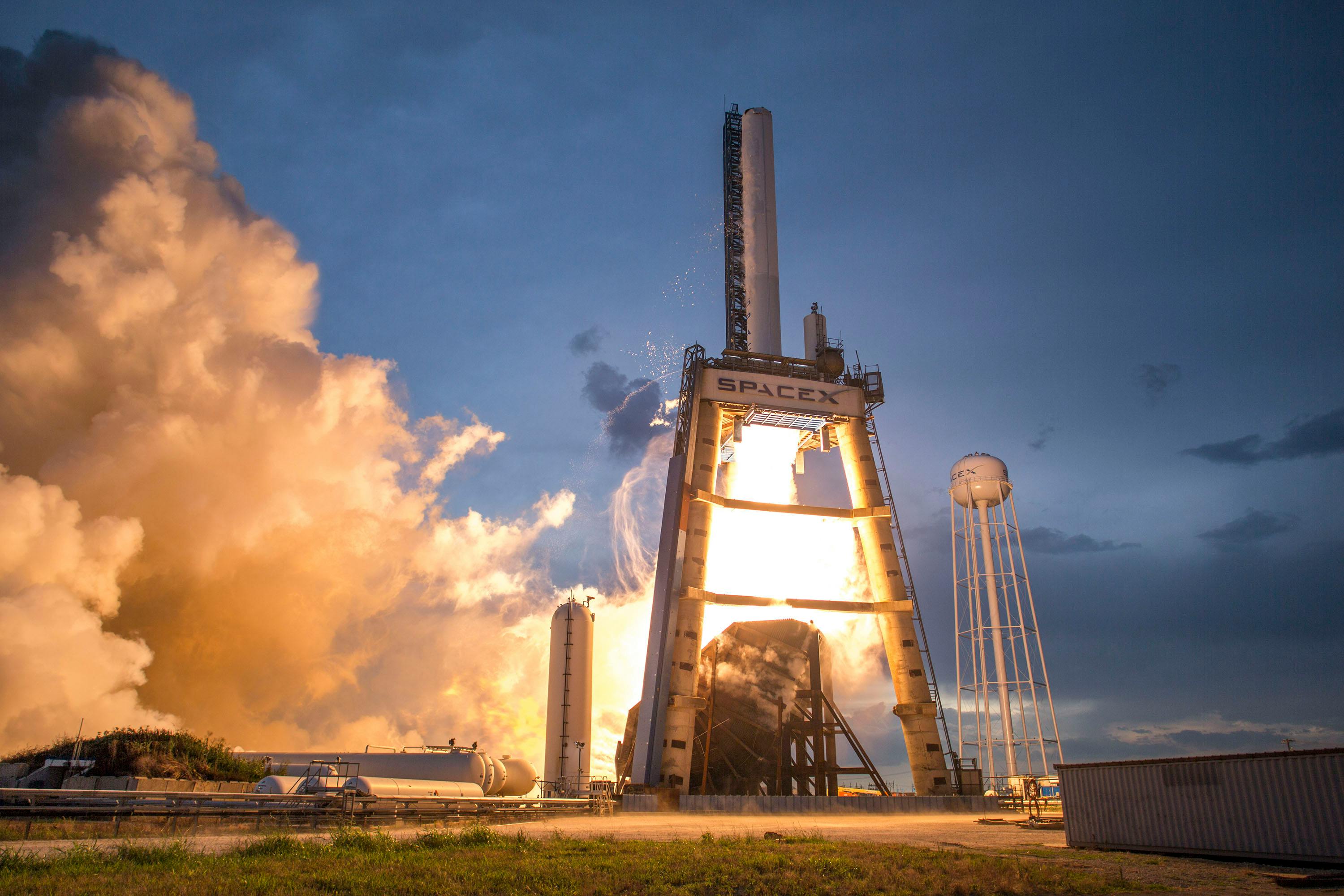
STARLINK-3327 (50819)

COSPAR: 2022-001S | Alt Name: Starlink 3327

Image
STARLINK-3327 Satellite Image
Additional Sources
Launch Details

Launch Date

January 6, 2022

Launch Pad

LC39A

Launch Vehicle

Falcon 9

Orbital Elements

NORAD ID

50819

International Designator

2022-001S

Epoch

Sun, 19 Jul 2026 20:00:01 GMT

Apogee

Calculating...

Perigee

Calculating...

Inclination

53.16°

Right Ascension

294.52°

Eccentricity

Calculating...

Argument of Perigee

47.67°

Period

94.44 min

Mean Motion

15.25 rev/day

Latitude

Calculating...

Longitude

Calculating...

Altitude

Calculating...

Velocity

Calculating...

Polar Plot
3D Visualization
Basic Satellite Info

Name

STARLINK-3327

Alternative Name

Starlink 3327

Type

Payload

Status

Operational

Owner

SPXS

Country

United States

Constellation

N/A

Related Satellites

Major Events

N/A

Latest TLEs
1 50819U 22001S   26200.83335647  .00027288  00000+0  10944-2 0  9993
2 50819  53.1602 294.5233 0000589  47.6678  58.7585 15.24829194  5783

Source: Celestrak

Summary
The STARLINK-3327 satellite, also known as Starlink 3327, is a part of SpaceX's Starlink constellation launched on January 6, 2022, from Launch Complex 39A (LC39A) at the Kennedy Space Center using a Falcon 9 launch vehicle. It has a dry mass of 275 kg and a launch mass of 297 kg. The satellite measures 0.2 meters in length with a diameter of 2.8 meters and spans up to 9 meters, featuring a box-like structure with a pan configuration. Equipped with solar arrays and batteries for power, it carries a Ku/Ka-band payload along with an optical inter-satellite link system for communication purposes. For propulsion, it utilizes krypton ion thrusters. The satellite's mission is focused on providing communication services as part of the Starlink Group 4-5-17 constellation segment.

Starlink is a satellite constellation developed by SpaceX with the aim of providing global broadband internet coverage. Thousands of small satellites are deployed in low Earth orbit (LEO), enabling high-speed internet access even in remote areas. However, the rapid increase in satellites raises concerns about space debris and the potential for collisions, which can lead to further debris creation and endanger other spacecraft. Additionally, the sheer number of Starlink satellites can affect astronomical observations by increasing light pollution. Proper deorbiting plans and international coordination are essential to mitigate these challenges and ensure long-term sustainability in space.
Physical Characteristics

Length

0.2

Diameter

2.8

Span

9

Dry Mass

275

Launch Mass

297

Shape

Box + pan

Radar Cross Section

Unknown

Visual Magnitude

Unknown

Color

Unknown

Material Composition

Unknown

Technical Details

Payload

Starlink Group 4-5-17

Purpose

Communication

Mission

Communication

Manufacturer

SPXS

Life Expectancy

Unknown

Bus

Starlink

Configuration

Unknown

Motor

Krypton ion thrusters

Equipment

Ku/Ka-band payload, optical inter-satellite link

Power System

Solar arrays, batteries

ADCS

Unknown

Transmitter Frequency

Unknown

Map
This tool will help you track the satellite's position and predict its upcoming passes over your location. Simply input the coordinates or click the geolocation button to get started.
Next Pass
Azimuth Elevation Time (Local)
Start Azimuth
Max Elevation
Stop Azimuth
Time Until
Pass Duration

Satellite Articles

View All Posts »

Learn more about satellites and other related topics.

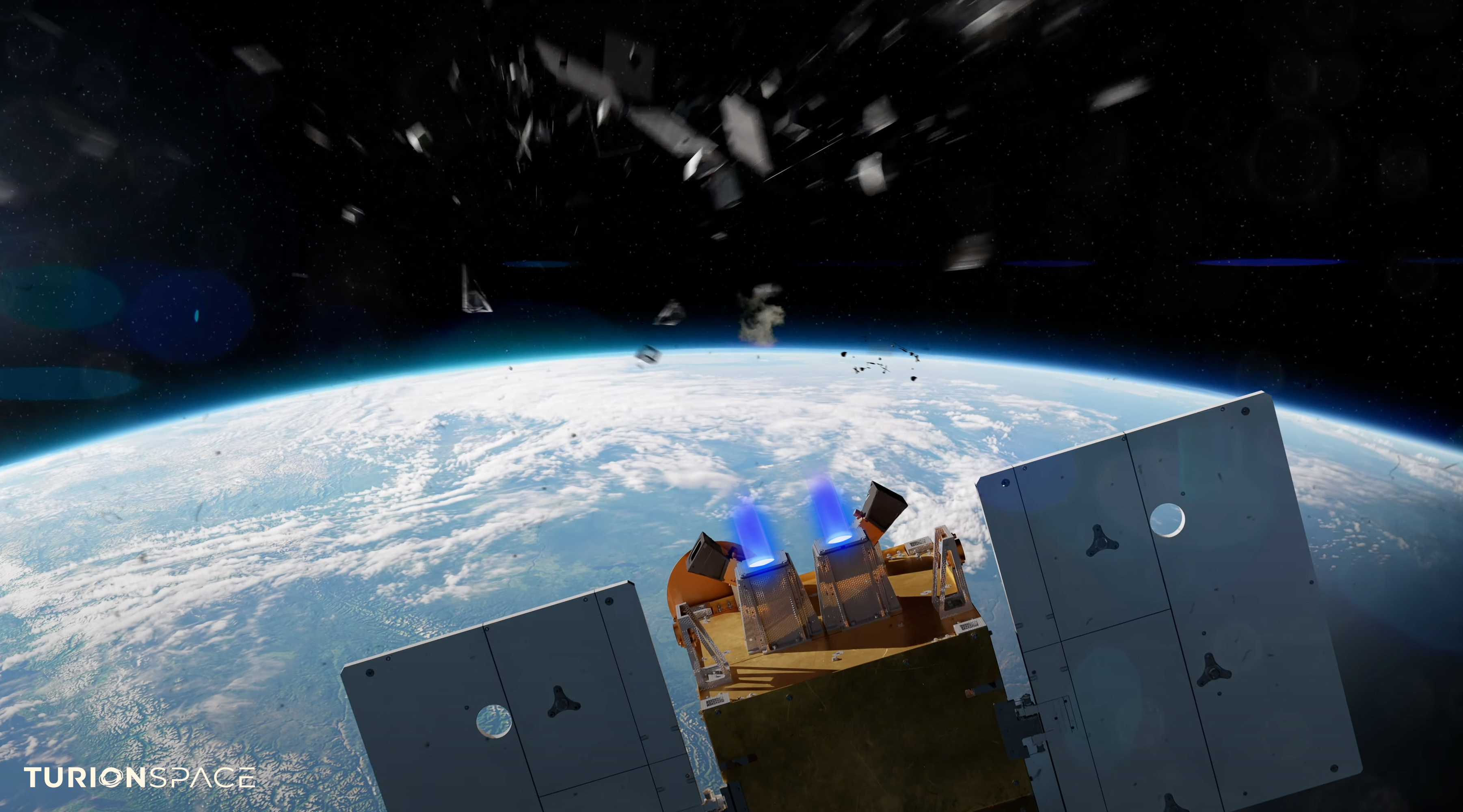
DROID.002 - Turion Space's Eyes on the Orbital Junkyard

DROID.002 - Turion Space's Eyes on the Orbital Junkyard

A 90-kilogram spacecraft with iodine thrusters and two Australian-built cameras is quietly building the case that tracking space debris is a business worth billions - and that a four-year-old startup from Irvine can own it.

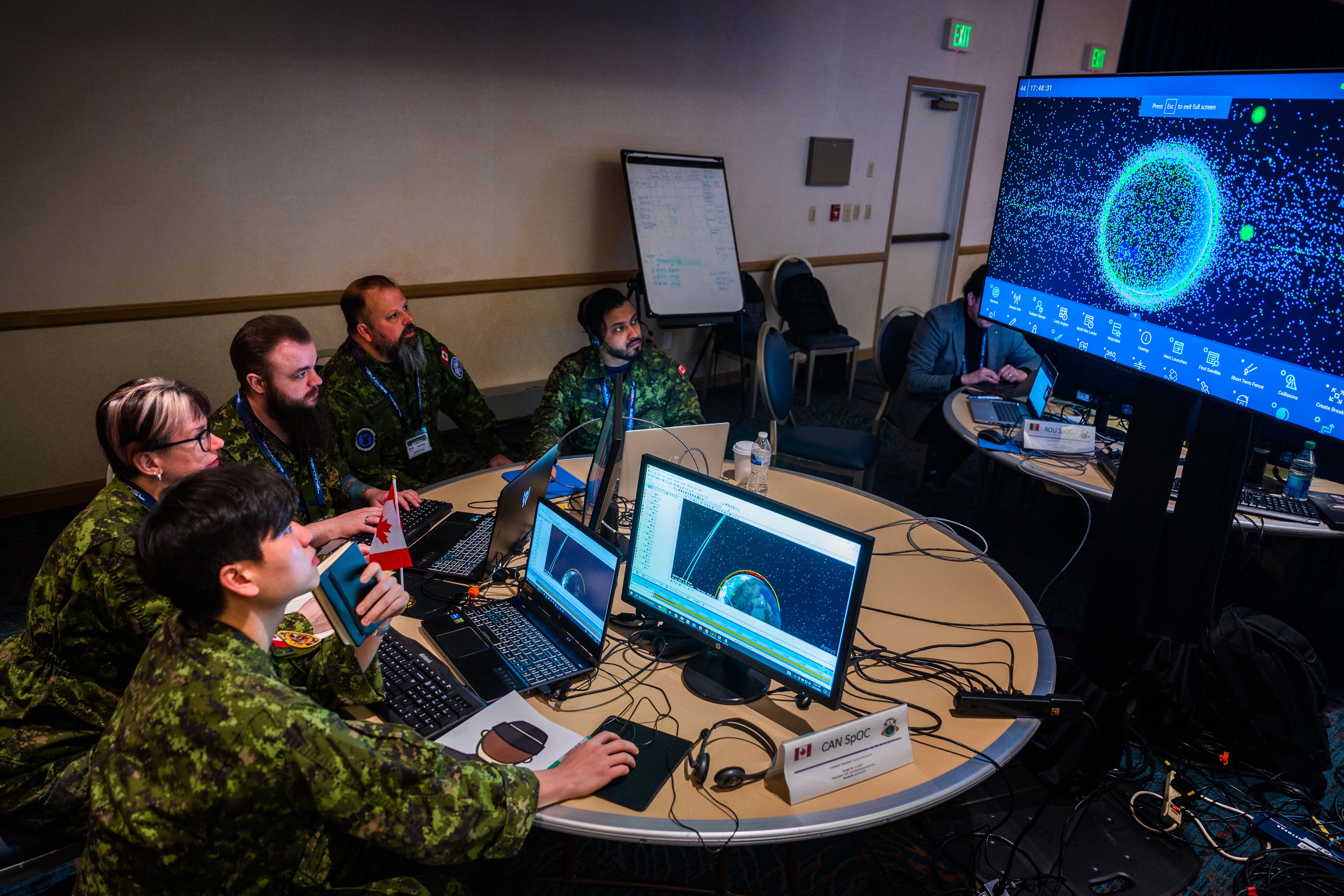
Space Brief 12 May 2025

Space Brief 12 May 2025

Today's brief covers key industry movements in space logistics and satellite production, including Rocket Lab's new U.S. Air Force contract, Sierra Space's strides in GPS technology, and more.

Space Force Opens Secret Tracking Data to Commercial Firms | KeepTrack Space Brief

Space Force Opens Secret Tracking Data to Commercial Firms | KeepTrack Space Brief

Space Force shares classified tracking data with commercial firms. Falcon 9 reentry linked to upper-atmosphere lithium plume. SpaceX launches 54 Starlink sats in one day.

Starlink Constellation Size Nears 10,000, X Report 16 Mar 2026

Starlink Constellation Size Nears 10,000, X Report 16 Mar 2026

Starlink constellation size in March 2026: 9,996 satellites in orbit and 9,986 working from 11,504 launched, as SpaceX deorbits legacy V1.0 hardware.

Space Force Buys Second Otter Spacecraft for On-Orbit Servicing | KeepTrack Space Brief

Space Force Buys Second Otter Spacecraft for On-Orbit Servicing | KeepTrack Space Brief

Space Force procures second Otter spacecraft for satellite repositioning. Momentus and NASA sign Space Act Agreement for orbital servicing tests. Pentagon delays contractor review.

The Feasibility of Transitioning from Starlink to Eutelsat in Ukraine

The Feasibility of Transitioning from Starlink to Eutelsat in Ukraine

As Ukraine explores alternatives to SpaceX's Starlink, the potential adoption of Eutelsat OneWeb's satellite network raises critical questions about connectivity, resilience, and strategic autonomy.

X Report 2 Oct 2025

X Report 2 Oct 2025

Today's briefing covers Starlink's role in disaster recovery in the Philippines, insights into the evolving direct-to-device market, and news of European plans for a reusable upper stage rocket inspired by SpaceX's Starship.

Space Brief 15 Sep 2025

Space Brief 15 Sep 2025

Discover the latest in satellite tracking with key topics covering the launch of Tranche 1 satellites for the Space Development Agency, a record-setting Transporter-15 mission by Exolaunch, and new defense-focused satellite connectivity solutions by Satlink and Rivada.